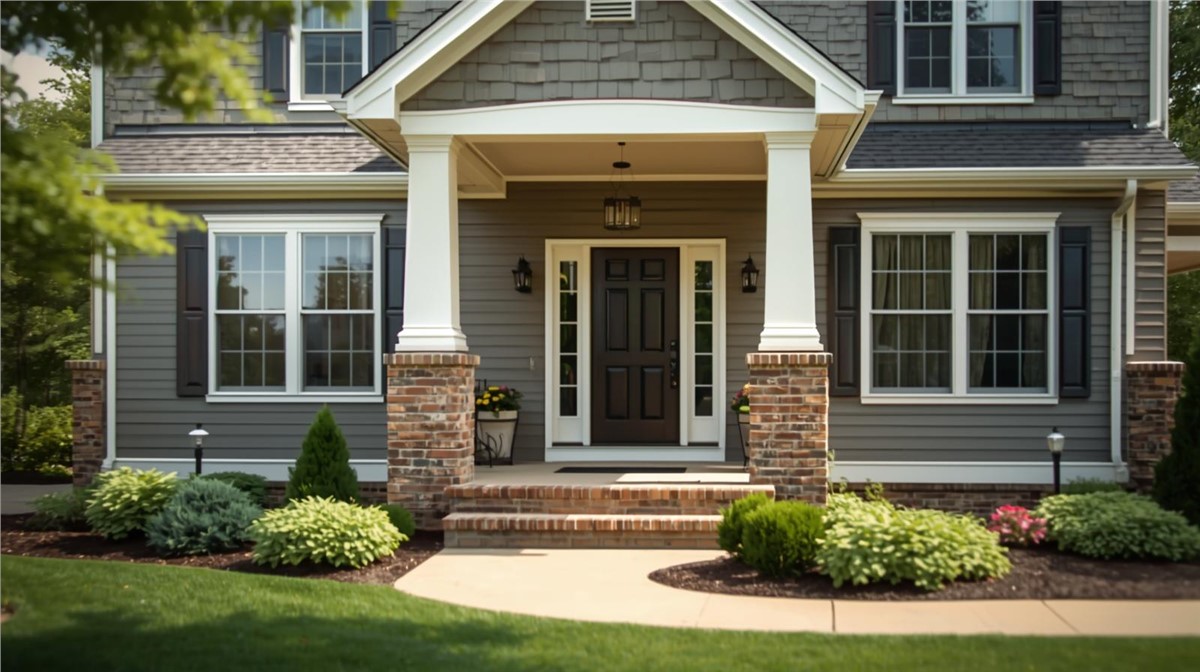
Siding is one of the most important protective layers on your home. It helps shield exterior walls from weather, moisture, impact damage, pests, and seasonal temperature changes.
For homeowners in Monroe, IL, siding needs to handle Midwest weather throughout the year. Heavy rain, strong wind, hail, snow, ice, humidity, and freeze-thaw cycles can all affect how well siding performs.
This exterior protection guide explains why siding matters, what problems to watch for, and when repair or replacement may be the right next step.
Why Siding Matters for Exterior Protection
Siding does more than improve the way a home looks. It helps protect the structure behind the exterior surface, including sheathing, insulation, framing, and interior wall areas.
Good siding helps reduce the risk of:
- Water intrusion
- Mold or mildew concerns
- Soft or rotted trim
- Damaged insulation
- Pest entry points
- Drafts near exterior walls
- Interior stains
- Storm damage concerns
- Frequent exterior repairs
When siding is damaged or poorly sealed, moisture can get behind the panels and create bigger problems over time.
Common Siding Problems Homeowners Should Watch For
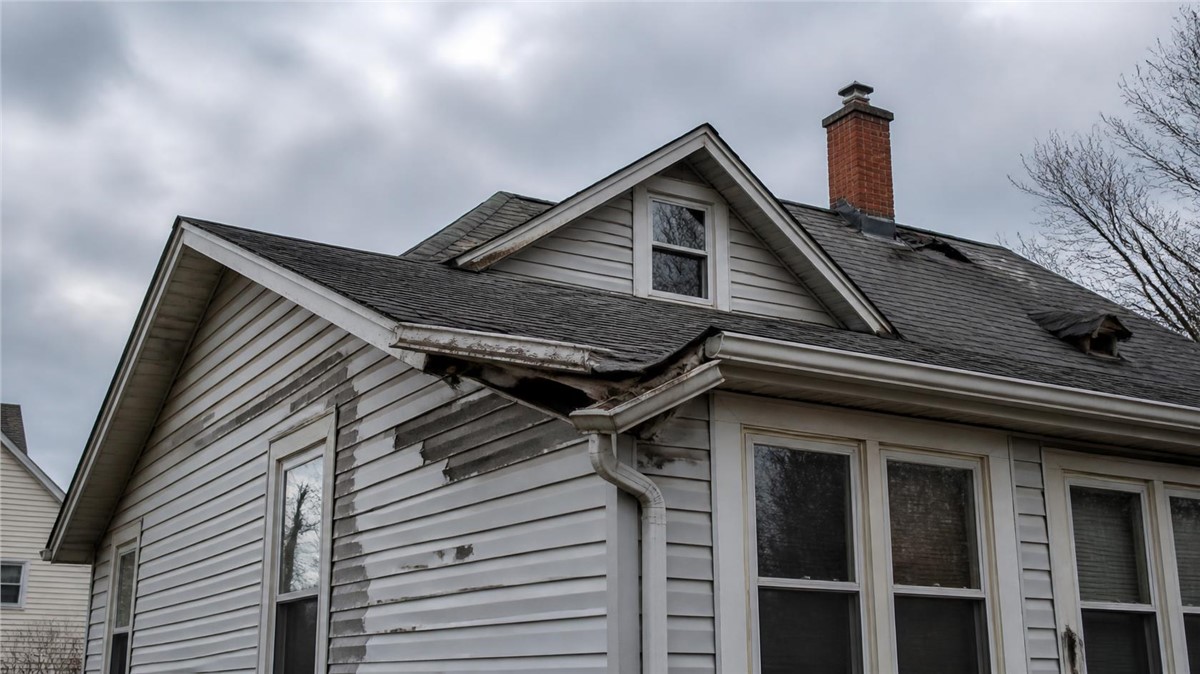
Siding problems can start small. A crack, loose panel, or stain may not seem urgent, but it can point to a larger issue.
Watch for:
- Cracked siding panels
- Loose or missing sections
- Warping or buckling
- Holes or punctures
- Hail impact marks
- Faded or brittle siding
- Gaps around seams
- Soft trim around windows or doors
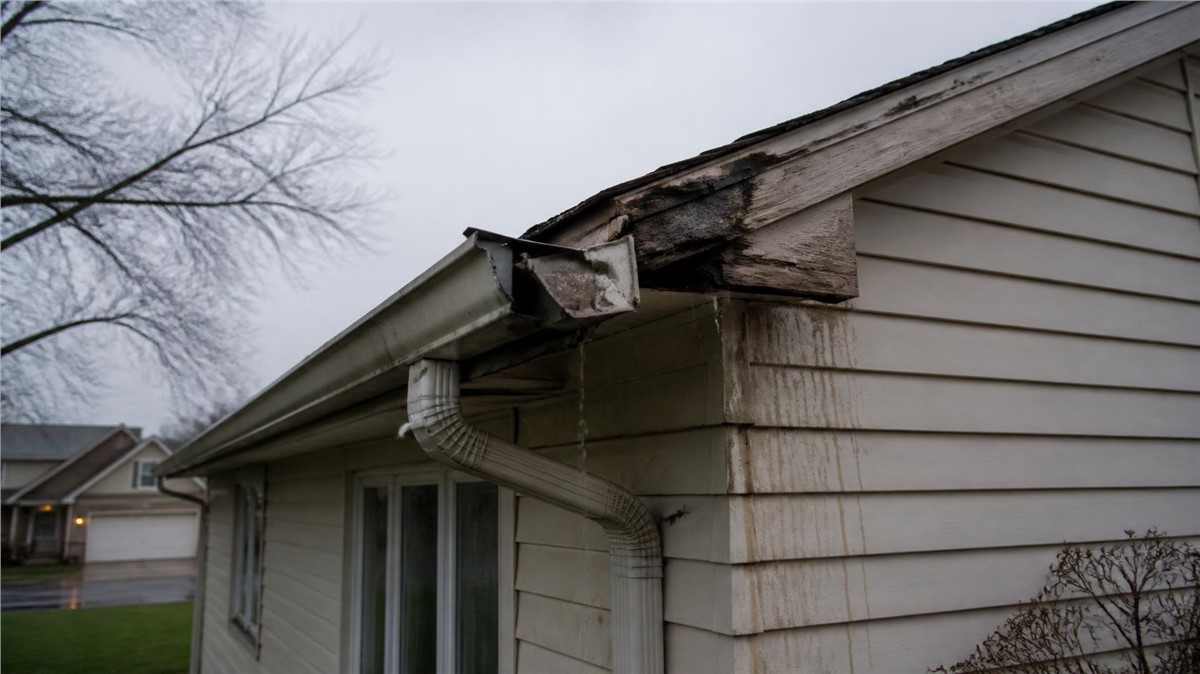
- Water stains below windows
- Mold or mildew growth
- Peeling paint near exterior openings
If several of these signs appear, a professional siding inspection can help determine whether repair or replacement is needed.
How Midwest Weather Affects Siding
Homes in Monroe, IL need siding that can handle changing weather conditions.
Heavy Rain
Heavy rain can expose weak seams, damaged trim, poor flashing, or cracks in siding. Wind-driven rain can push moisture into small gaps.
Wind
Strong wind can loosen siding panels, pull trim away, and make existing gaps worse.
Hail
Hail can crack vinyl siding, dent metal trim, damage window screens, and affect nearby roofing and gutters.
Snow and Ice
Snow and ice can sit near lower siding, rooflines, and exterior trim. Moisture can create problems if the siding is already damaged.
Freeze-Thaw Cycles
Water that enters small cracks can freeze, expand, and widen the damage over time.
Choosing the Right Siding Material
The best siding material depends on your home, budget, maintenance goals, and style preferences.
Vinyl Siding
Vinyl siding is popular because it is practical, low maintenance, and available in many colors and profiles. It can be a good fit for many Midwest homes.
Fiber Cement Siding
Fiber cement siding offers a strong, substantial appearance and can provide excellent curb appeal. It may require more maintenance depending on the product and finish.
Engineered Wood Siding
Engineered wood siding can offer a warm, textured look for homeowners who want a natural-style exterior.
Accent Siding
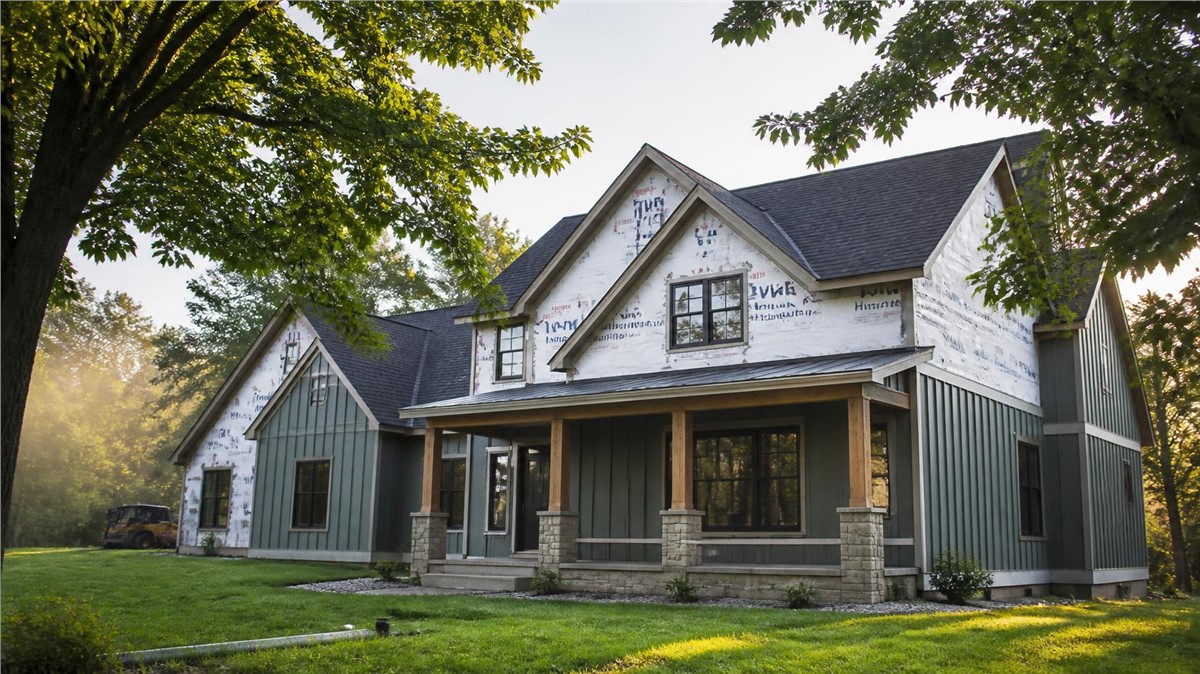
Accent siding, such as shake-style or board and batten panels, can add detail to gables, porches, dormers, or entry areas.
A local contractor can help compare materials based on weather exposure, maintenance needs, and the home’s design.
Siding and Moisture Protection
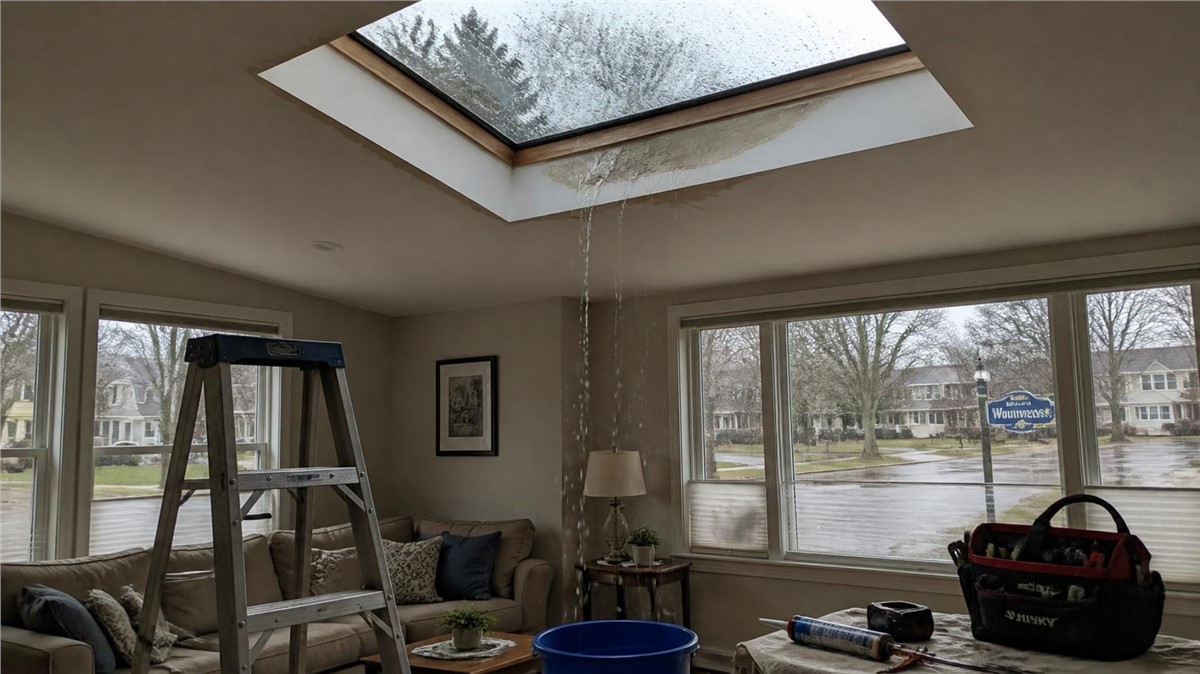
Moisture is one of the biggest concerns when siding is damaged. Water can enter through cracks, gaps, failed caulking, loose panels, or poorly sealed openings.
Moisture problems may show up as:
- Interior wall stains
- Musty odors
- Soft drywall
- Damp insulation
- Exterior staining
- Rot near trim
- Mold or mildew
- Bubbling paint
A siding issue should be inspected before moisture spreads behind the wall system.
Siding Around Windows, Doors, and Trim
Windows and doors are common places for siding problems. These areas have seams, flashing, trim, and caulking that all need to work together.
Homeowners should check:
- Gaps around window trim
- Cracked caulking
- Soft or rotted trim
- Water stains below windows
- Loose siding near doors
- Damaged corner pieces
- Peeling paint near openings
A leak near a window does not always mean the window itself is the only issue. Siding, flashing, gutters, roof edges, and trim may also be involved.
Storm Damage and Siding
After a strong storm, siding should be checked along with the roof, gutters, windows, and trim. Hail and wind can affect multiple exterior systems during the same event.
Storm-related siding damage may include:
- Cracks or holes from hail
- Loose panels from wind
- Dented trim
- Torn window screens
- Water stains after heavy rain
- Siding pieces on the ground
- Damage around corners and edges
Even if the damage looks minor, it may create openings for future water intrusion.
Repair vs Replacement
Siding repair may be enough when damage is isolated and the rest of the exterior is still performing well.
Repair may make sense if:
- Only a few panels are damaged
- The siding material can be matched
- Trim damage is minor
- No moisture damage is present
- The siding is not brittle or failing overall
Siding replacement may be better if:
- Damage affects multiple walls
- Siding is faded, brittle, or warped
- Hail damage is widespread
- Moisture has reached the wall system
- Repairs would not match well
- Panels keep coming loose
- The home needs a full curb appeal update
A professional inspection can help homeowners choose the most practical option.
Why Roofing and Gutters Matter Too
Siding works with the full exterior system. If gutters overflow, water may run down siding and damage trim. If roof edges are damaged, water may reach upper walls. If windows are poorly sealed, moisture may appear behind nearby siding.
A full exterior review may include:
- Siding
- Roofing
- Gutters and downspouts
- Windows
- Fascia and soffit
- Flashing
- Exterior trim
- Foundation drainage
- Interior moisture signs
Huskie Exteriors provides roofing, siding, window, gutter, and storm damage restoration services, helping homeowners evaluate the full exterior system.
Maintenance Tips for Better Siding Protection
Regular maintenance can help siding last longer and perform better.
Helpful steps include:
- Check siding after storms
- Keep gutters clean
- Trim branches near the home
- Watch for water stains
- Clean mildew or buildup when needed
- Check caulking around openings
- Repair cracks or loose panels early
- Inspect lower siding after winter
Small maintenance steps can prevent larger exterior problems.
Why Local Exterior Experience Matters
A local contractor understands how Illinois weather affects siding and the full home exterior. In Monroe, IL, siding needs to handle hail, wind, heavy rain, snow, ice, humidity, and freeze-thaw cycles.
Local experience also helps homeowners determine whether siding damage is cosmetic, storm-related, moisture-related, or part of a larger exterior issue.
Conclusion
Siding is a key part of exterior protection for homes in Monroe, IL. It helps defend the home against moisture, storms, pests, and daily weather exposure while also improving curb appeal.
If your siding is cracked, loose, faded, storm-damaged, or showing signs of moisture problems, Huskie Exteriors can inspect your home and recommend the right next step.
Contact Huskie Exteriors for professional roofing, siding, window, gutter, and storm damage services in Illinois and Wisconsin.
Subscribe to Huskie Exteriors's Blog





Comments