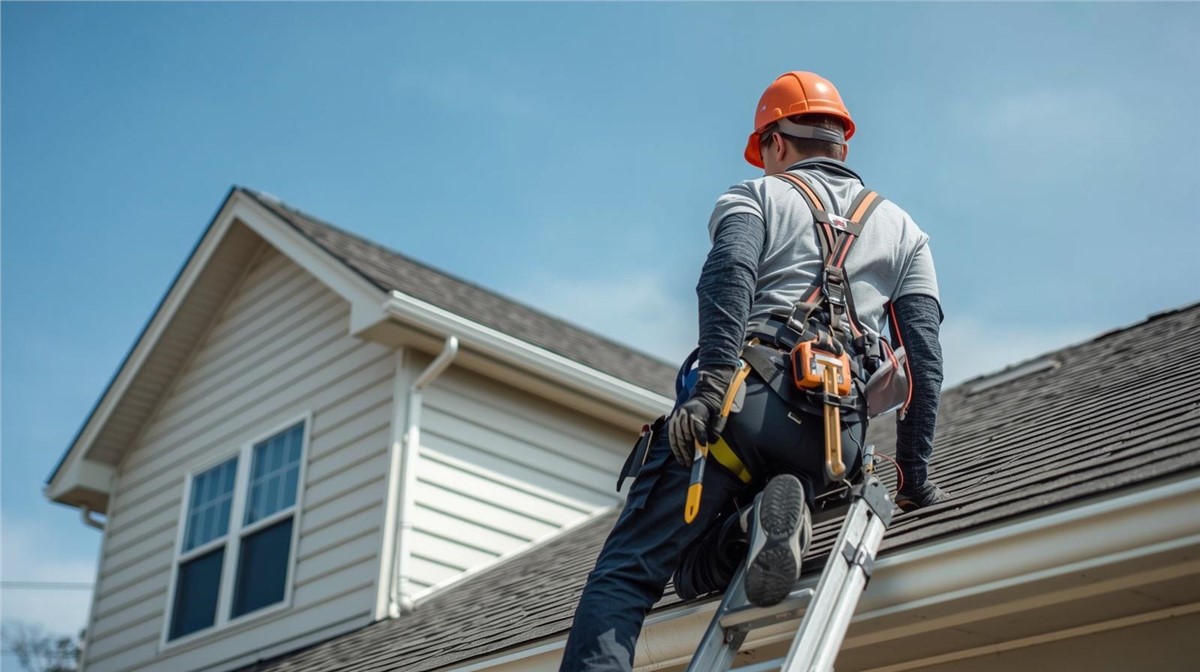
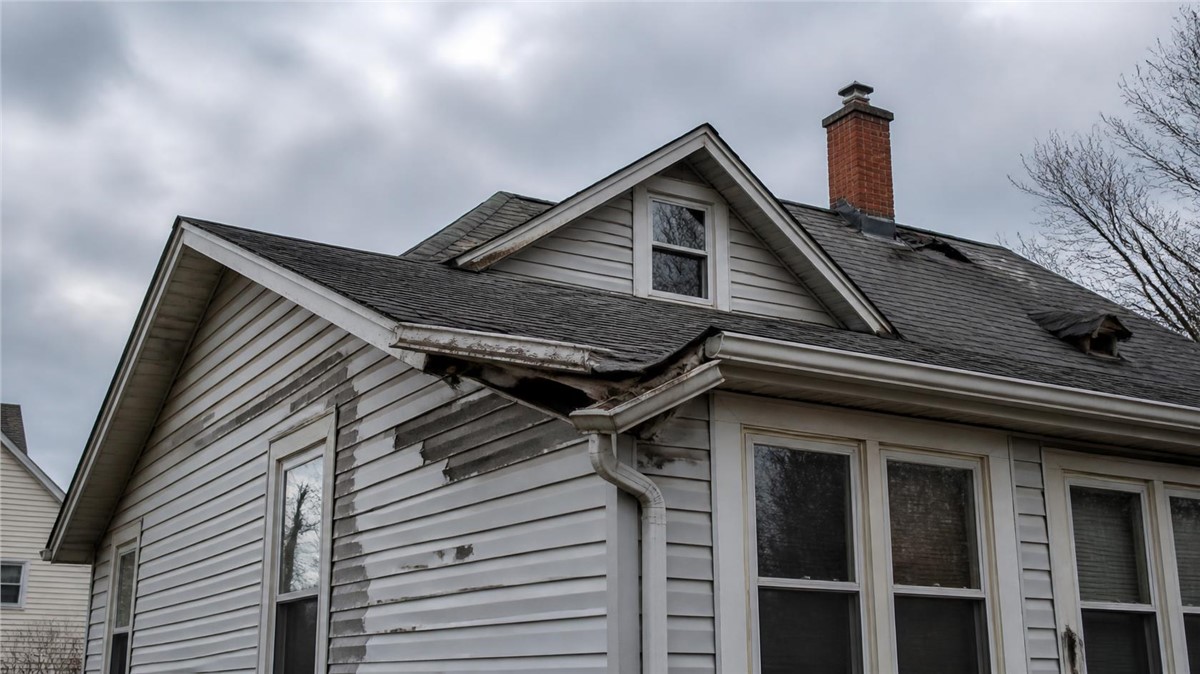
After a storm, many homeowners are unsure what to do first. You may see shingles in the yard, dents on gutters, water stains on the ceiling, or siding damage around the home. In other cases, the roof may look fine from the ground, but hail or wind may have caused damage that is harder to see.
For homeowners in Marengo, IL, an insurance roof inspection can help identify storm-related roof damage and document the condition of the exterior. Since northern Illinois weather can bring hail, wind, heavy rain, snow, ice, and freeze-thaw cycles, it is important to understand what to prepare before the inspection.
Being organized can help the inspection process go more smoothly and make it easier to explain what happened after the storm.
Why Insurance Roof Inspections Matter
An insurance roof inspection focuses on identifying and documenting possible damage after a weather event. The goal is to understand whether the roof and surrounding exterior were affected by hail, wind, falling debris, or water intrusion.
Storm damage may affect:
- Shingles
- Flashing
- Roof vents
- Ridge caps
- Gutters and downspouts
- Siding
- Windows and screens
- Fascia and soffit
- Exterior trim
- Interior ceilings or attic areas
Damage is not always obvious right away. Hail can weaken shingles without causing an immediate leak. Wind can lift shingles and break their seal. Heavy rain can expose flashing or drainage problems.
When to Schedule a Roof Inspection
It is smart to schedule an inspection after severe weather, especially if your neighborhood experienced hail, strong wind, or heavy rain.
Homeowners should consider an inspection if they notice:
- Missing shingles
- Lifted or curled shingles
- Shingles in the yard
- Granules near downspouts
- Dented gutters
- Damaged roof vents
- Cracked siding
- Torn window screens
- Ceiling stains
- Leaks during rain
- Water stains near windows
- Loose flashing or trim
Even if you do not see clear roof damage, nearby gutter, siding, or screen damage may be a sign that the roof should be checked.
What Homeowners Should Prepare Before the Visit
You do not need to climb onto the roof or diagnose the damage yourself. Preparation should focus on safe, helpful information.
Before the inspection, gather:
- The date of the storm if you know it
- Photos of visible damage from the ground
- Notes about leaks or stains
- Rooms where water appeared
- Areas where shingles or debris were found
- Photos of dented gutters or cracked siding
- Any previous roof repair records
- Questions you want to ask during the visit
This information helps the contractor understand what happened and where to look first.
Start With a Safe Ground-Level Check
After a storm, walk around the home only if it is safe. Avoid ladders, wet surfaces, icy areas, and unstable debris.
From the ground, look for:
- Shingles on the lawn
- Loose gutter sections
- Dented downspouts
- Damaged siding
- Broken branches
- Debris on the roof
- Torn screens
- Water pooling near the foundation
- Exterior trim damage
Take photos when possible, but do not put yourself at risk.
Check Inside the Home
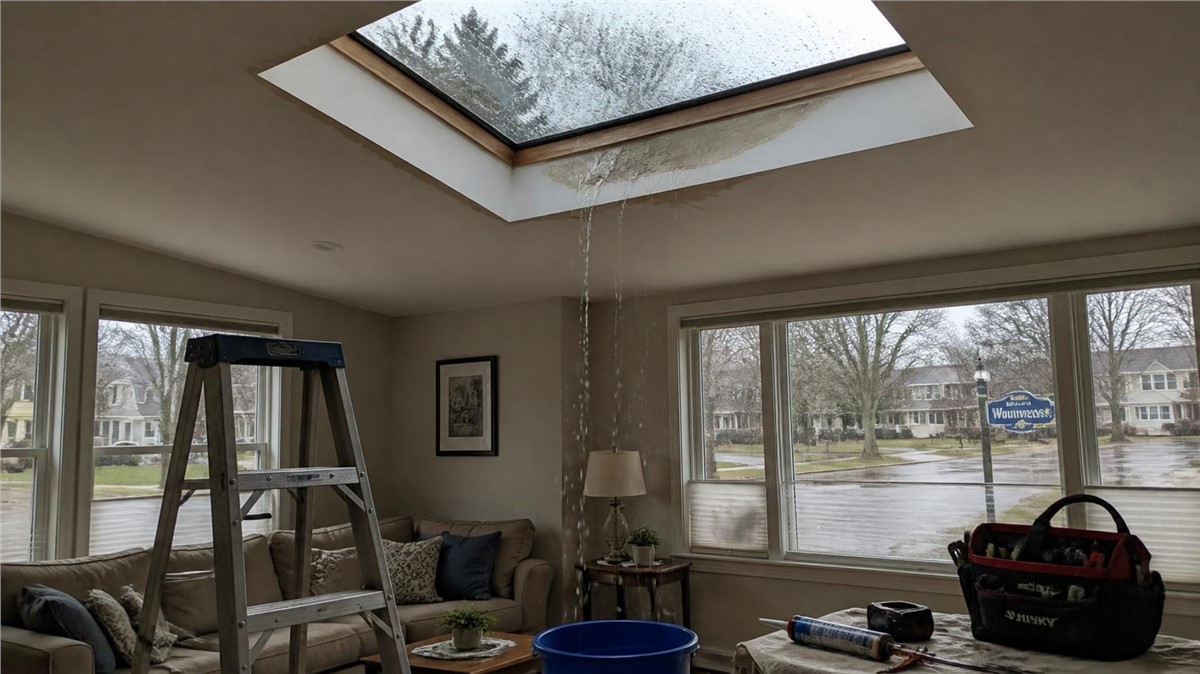
Roof damage often appears inside as water stains or moisture. Before the inspection, check ceilings, attic areas, and rooms below roof slopes.
Interior warning signs may include:
- Brown ceiling stains
- Active dripping
- Damp attic insulation
- Musty smells
- Bubbling paint
- Peeling drywall
- Water near vents or chimneys
- Moisture near exterior walls
Water can travel before becoming visible, so the stain may not be directly below the damaged area.
What Contractors Look For During the Inspection
During the visit, a contractor may inspect the roof and surrounding exterior for storm-related damage and other concerns.
The inspection may include:
- Shingle condition
- Hail impact marks
- Wind-lifted shingles
- Missing shingles
- Flashing areas
- Roof vents and pipe boots
- Ridge caps
- Valleys
- Gutters and downspouts
- Siding and trim
- Windows and screens
- Attic or interior moisture signs
A full exterior inspection matters because storms often damage more than one area of the home.
Roof Damage From Hail
Hail damage can be difficult to see from the ground. Depending on hail size, wind direction, roof age, and shingle condition, damage may appear in different ways.
A contractor may look for:
- Bruised shingles
- Granule loss
- Soft impact marks
- Cracked shingles
- Damaged ridge caps
- Dented roof vents
- Dented gutters or downspouts
Hail damage may not create a leak right away, but it can shorten the life of roofing materials and make future leaks more likely.
Roof Damage From Wind
Wind damage can also be hidden. Shingles may appear to be in place but no longer sealed correctly.
Wind-related roof concerns include:
- Lifted shingles
- Missing shingles
- Loose roof edges
- Damaged flashing
- Shingles found in the yard
- Water entering during wind-driven rain
- Debris impact damage
If wind damage is ignored, the next storm can make the affected area worse.
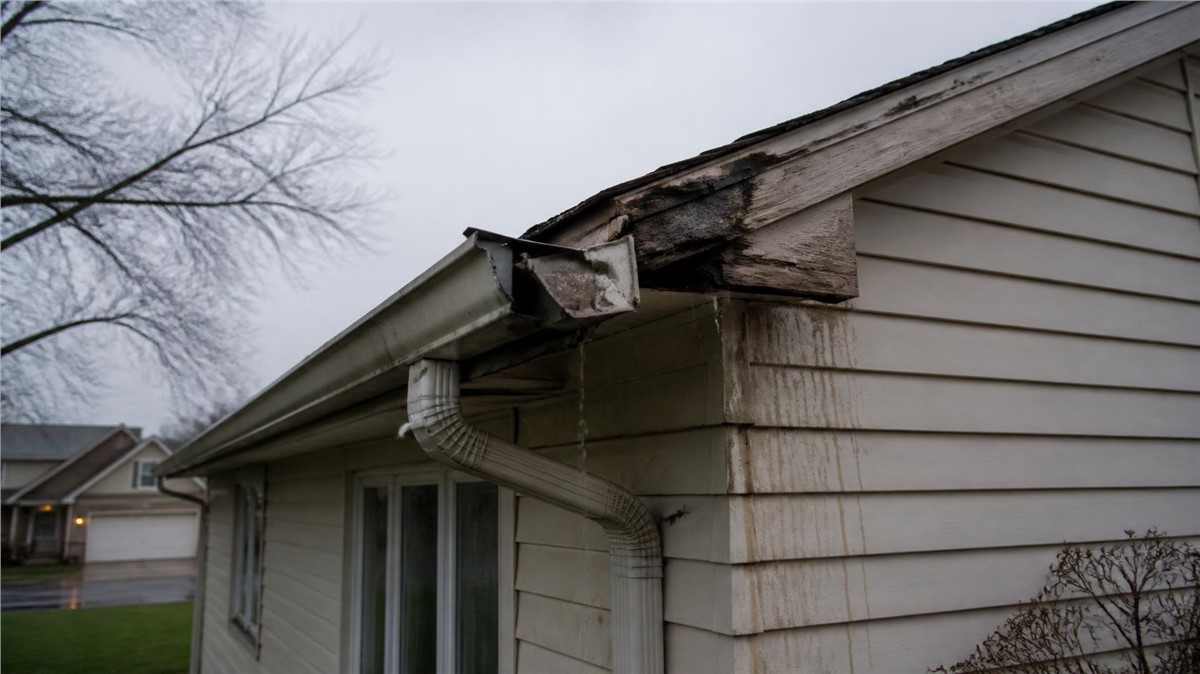
Why Gutters, Siding, and Windows Should Be Checked
Insurance roof inspections should often include the surrounding exterior. Hail and wind may damage gutters, siding, windows, screens, fascia, soffit, and trim during the same storm.
Related damage may include:
- Dented gutters
- Cracked siding
- Loose siding panels
- Torn window screens
- Damaged exterior trim
- Water stains near windows
- Loose downspouts
- Fascia or soffit damage
Huskie Exteriors provides roofing, siding, window, gutter, and storm damage restoration services, helping homeowners evaluate the full exterior system.
Documentation Helps the Process
Good documentation can make the inspection easier to understand. Homeowners should keep notes and photos organized.
Helpful documentation may include:
- Storm date
- Visible damage photos
- Interior leak photos
- Notes from tenant or family observations
- Previous repair information
- Contractor inspection findings
- Photos taken during the inspection
You do not need perfect documentation, but anything you can safely collect may be useful.
Repair vs Replacement After the Inspection
After the inspection, the contractor should explain whether the damage appears isolated or widespread.
Roof repair may be enough if:
- Only a few shingles are damaged
- One flashing area needs repair
- Damage is limited to one section
- The roof is still in good overall condition
- No moisture damage is found
Roof replacement may be better if:
- Hail damage affects multiple slopes
- Wind damage is widespread
- Leaks keep returning
- Shingles are aging or brittle
- Granule loss is heavy
- Decking or insulation is damaged
- Repairs would only be temporary
A professional inspection helps homeowners understand the best next step.
How Marengo Weather Affects Roof Damage
Marengo homes face a full range of Midwest weather. Heavy rain can expose weak spots. Hail can damage shingles, vents, gutters, and siding. Wind can lift roof materials. Snow and ice can stress roof edges and gutters. Freeze-thaw cycles can widen small cracks and gaps.
This is why storm damage should be inspected early, even if the home does not have an obvious leak right away.
Questions to Ask During the Visit
Homeowners can make the inspection more useful by asking clear questions.
Helpful questions include:
- Did you find signs of hail or wind damage?
- Are the gutters, siding, and windows affected too?
- Is there active moisture or leak risk?
- Can the damage be repaired?
- Is replacement a better long-term option?
- Are there photos of the damage?
- What should be prioritized first?
Clear answers can help you make a more confident decision.
Why Local Exterior Experience Matters
A local contractor understands how northern Illinois storms affect roofing and exterior systems. In Marengo, IL, storm damage may involve roofing, siding, windows, gutters, fascia, soffit, and trim at the same time.
Local experience helps homeowners identify hidden damage, prioritize repairs, and understand how the full exterior system is performing.
Conclusion
An insurance roof inspection in Marengo, IL is easier when homeowners know what to prepare. Start with safe ground-level photos, note the storm date, check for interior water signs, and schedule a professional inspection of the roof and full exterior.
If your home has missing shingles, dented gutters, cracked siding, roof leaks, or signs of hail and wind damage, Huskie Exteriors can inspect your property and recommend the right next step.
Contact Huskie Exteriors for professional roofing, siding, window, gutter, and storm damage services in Illinois and Wisconsin.
Subscribe to Huskie Exteriors's Blog





Comments