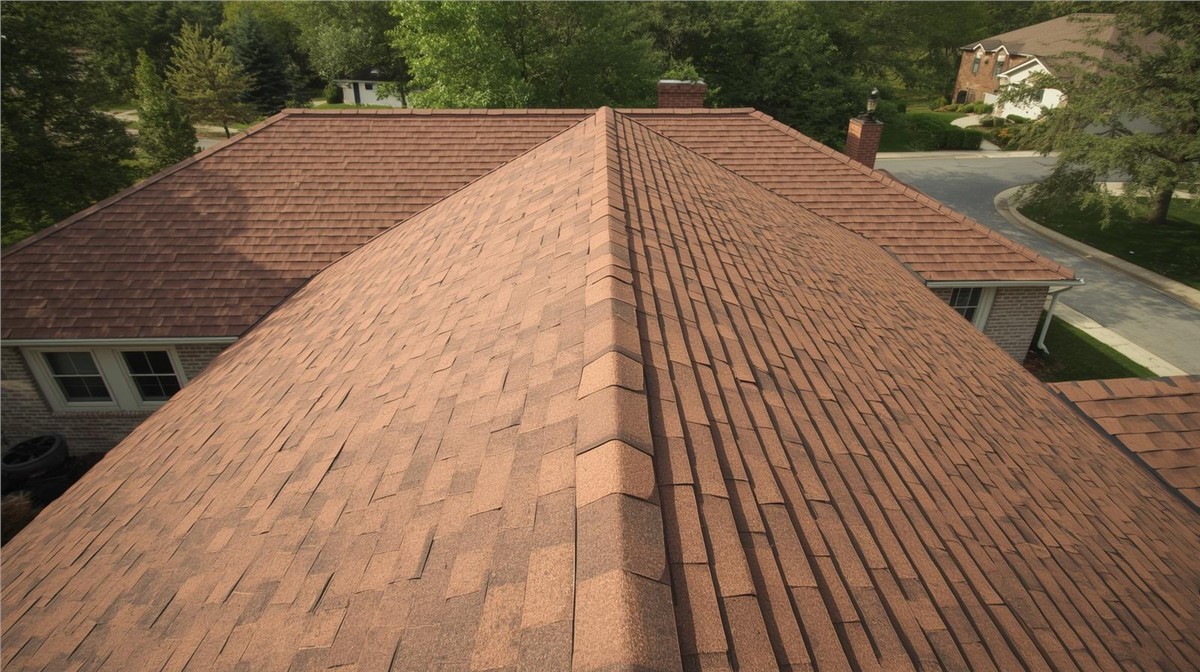
A shingle roof protects your home from rain, wind, hail, snow, ice, sun exposure, and seasonal temperature changes. Over time, shingles can wear down, loosen, crack, or lose granules, especially after years of Midwest weather.
For homeowners in Belvidere, IL, roof replacement planning should start before a small roofing issue turns into a major leak. Understanding the signs, cost factors, and timeline can help you make a confident decision.
A roof replacement is not only about new shingles. It also involves underlayment, flashing, ventilation, roof decking, gutters, roof edges, and the full exterior system.
Signs You May Need Shingle Roof Replacement
Some roofing problems can be repaired, but widespread damage often points to replacement.
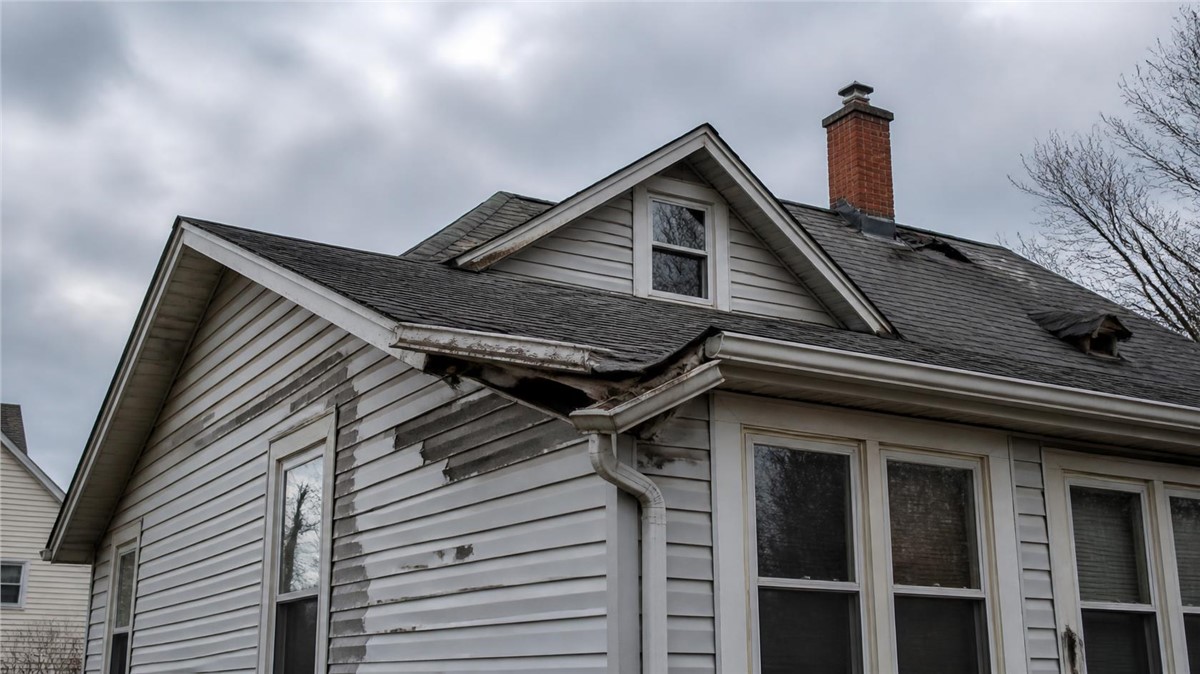
You may need a new shingle roof if you notice:
- Missing shingles
- Curling or cracked shingles
- Shingles lifting at the edges
- Heavy granule loss
- Granules collecting in gutters
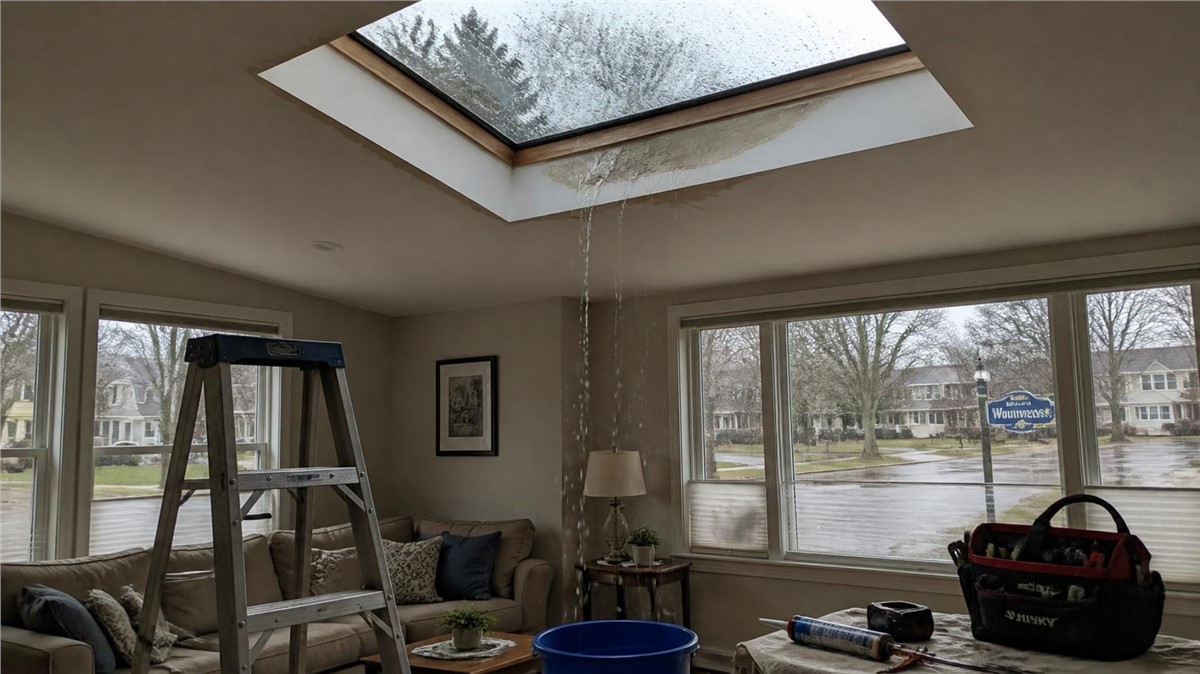
- Leaks during rain
- Ceiling stains
- Damp attic insulation
- Sagging or soft roof areas
- Frequent roof repairs
- Storm damage across multiple slopes
If several warning signs are present, a professional inspection can help determine whether replacement is the better long-term option.
Why Belvidere Weather Matters
Belvidere homes face weather that can be hard on shingle roofing. Hail can bruise shingles and remove granules. Wind can lift shingles or damage roof edges. Heavy rain can expose leaks around flashing, vents, valleys, and weak roof areas.
Winter can also create problems. Snow, ice, and freeze-thaw cycles can make small roof openings worse. Water can enter a crack, freeze, expand, and gradually increase the damage.
Because of these conditions, homeowners should take roof wear seriously before the next storm or winter season arrives.
Cost Factors for Shingle Roof Replacement
Roof replacement cost depends on the size, condition, and complexity of the project. A proper estimate should come after an inspection.
Common cost factors include:
- Roof size
- Roof slope and height
- Number of roof layers being removed
- Shingle type and quality
- Roof decking condition
- Underlayment needs
- Flashing replacement
- Ventilation updates
- Chimneys, skylights, and roof penetrations
- Ice and water protection
- Cleanup and disposal
- Gutter, fascia, or soffit repairs
If hidden damage is found under the old shingles, the project scope may change. This is why a detailed inspection matters before work begins.
Choosing the Right Shingles
Architectural asphalt shingles are a common choice for many Belvidere homes because they offer a strong balance of appearance, durability, and value.
Homeowners may also consider impact-resistant shingles if the home has experienced hail damage or frequent storm exposure. These shingles are not storm-proof, but they may provide added protection compared to standard options.
When choosing shingles, consider:
- Color and curb appeal
- Roof style
- Weather exposure
- Warranty options
- Long-term durability
- Compatibility with siding, trim, and gutters
A new roof should protect the home while also improving the overall exterior appearance.
The Typical Roof Replacement Timeline
Every project is different, but most shingle roof replacements follow a similar process.
Step 1: Roof Inspection
The contractor inspects shingles, flashing, vents, roof edges, gutters, attic areas, and signs of leaks or storm damage.
Step 2: Estimate and Planning
After the inspection, the contractor explains the scope, materials, cost factors, and recommended next steps.
Step 3: Material Selection
Homeowners choose shingle color, style, and any related roofing components.
Step 4: Scheduling
The project is scheduled based on weather, material availability, and urgency.
Step 5: Tear-Off and Installation
Old shingles are removed, damaged areas are addressed, and the new roofing system is installed.
Step 6: Cleanup and Final Review
The work area is cleaned, debris is removed, and the completed roof is reviewed.
How Long Does Roof Replacement Take?
The timeline depends on the roof size, weather, material availability, and whether hidden damage is found.
A smaller, straightforward roof may move faster. Larger or more complex roofs may take longer, especially if there are steep slopes, multiple rooflines, damaged decking, or additional exterior repairs.
Weather can also affect timing. Heavy rain, high winds, snow, ice, or unsafe conditions may delay roofing work.
Ventilation and Roof Decking Should Be Checked
Roof replacement is a good time to review attic ventilation and roof decking. These areas affect long-term roof performance.
Poor ventilation can contribute to attic moisture, heat buildup, ice dam concerns, and premature roof wear. Damaged decking may need repair before new shingles are installed.
A strong roof replacement should include more than surface shingles. The full system should be checked.
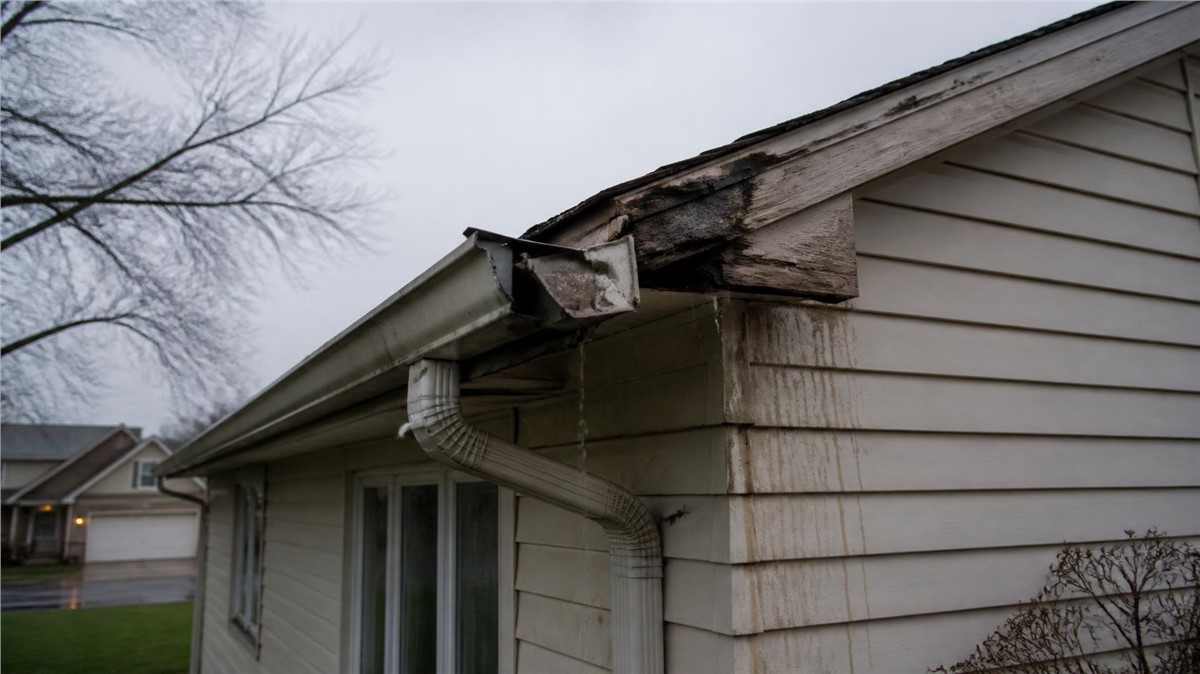
Gutters, Fascia, and Siding Matter Too
Roofing works with the rest of the exterior. Gutters move water away from the roof edge and foundation. Fascia and soffit support roofline protection. Siding and trim help protect exterior walls.
Before or during roof replacement, check:
- Gutters and downspouts
- Fascia and soffit
- Siding near rooflines
- Flashing areas
- Chimneys and vents
- Attic moisture signs
- Storm-damaged areas
Huskie Exteriors provides roofing, siding, window, gutter, and storm damage restoration services, helping homeowners evaluate the full exterior system.
Repair vs Replacement
Roof repair may be enough if the problem is small and isolated.
Repair may make sense if:
- Only a few shingles are missing
- One flashing area is leaking
- Damage is limited to one section
- The roof is still in good condition overall
- There is no widespread moisture damage
Replacement may be better if:
- Leaks keep returning
- Shingles are worn across the roof
- Storm damage affects multiple slopes
- Granule loss is heavy
- Decking or insulation is damaged
- Repairs are becoming frequent
A professional inspection can help homeowners decide which option is more practical.
Preparing for Roof Replacement
Before the project starts, homeowners can make the process smoother by preparing the home and property.
Helpful steps include:
- Move vehicles away from the driveway
- Clear patio furniture and outdoor items
- Protect belongings in the attic
- Remove fragile wall decor
- Keep pets and children away from work areas
- Ask about cleanup and nail removal
- Let nearby neighbors know if homes are close together
Roof replacement can be noisy and active, so preparation helps reduce stress during the project.
Why Local Exterior Experience Matters
A local contractor understands how northern Illinois weather affects shingle roofs. In Belvidere, IL, roofs need to handle hail, wind, heavy rain, snow, ice, and freeze-thaw cycles.
Local experience also helps homeowners choose materials, plan timing, identify storm damage, and address connected exterior concerns.
Conclusion
Shingle roof replacement in Belvidere, IL should be planned around your roof’s condition, cost factors, material choices, and project timeline. Missing shingles, leaks, granule loss, storm damage, and recurring repairs are all signs that replacement may be needed.
If your roof is aging, damaged, leaking, or showing signs of storm wear, Huskie Exteriors can inspect your home and recommend the right next step.
Contact Huskie Exteriors for professional roofing, siding, window, gutter, and storm damage services in Illinois and Wisconsin.
Subscribe to Huskie Exteriors's Blog





Comments