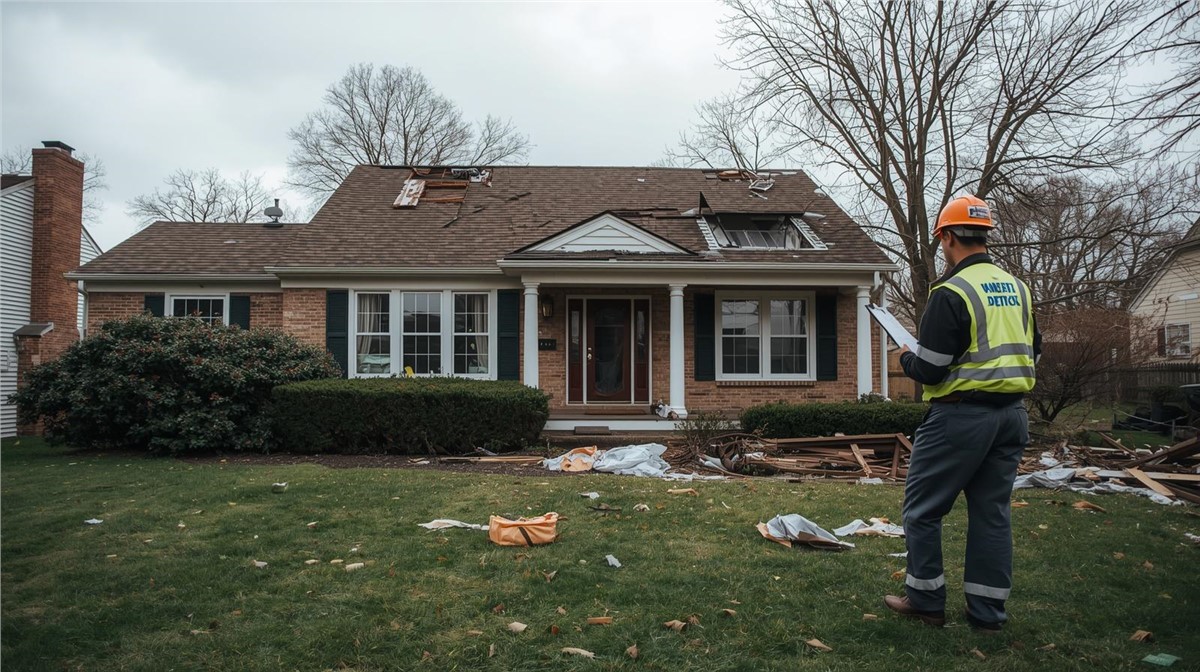
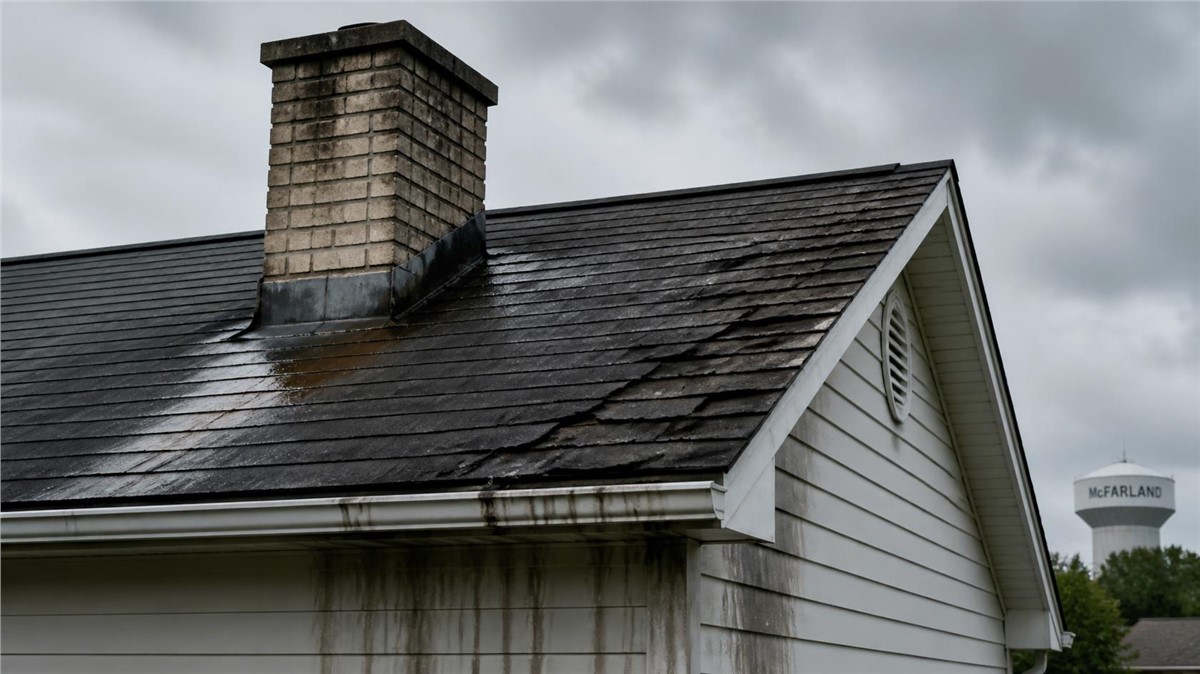
Storm damage can be stressful, especially when your roof, siding, gutters, windows, or exterior trim may be affected at the same time. Some damage is obvious right away. Other problems may show up later as leaks, stains, loose materials, or drainage issues.
For homeowners in Sycamore, IL, understanding the storm damage repair timeline can make the process feel more manageable. From the first inspection to the final cleanup, each step helps protect the home and restore the exterior properly.
Midwest weather can bring hail, strong wind, heavy rain, snow, ice, and freeze-thaw cycles. When storm damage appears, the goal is to identify the problem, prevent further damage, and complete repairs in the right order.
Step 1: Safety Check After the Storm
The first step after severe weather is safety. Before looking for damage, make sure the property is safe to walk around.
Watch for:
- Fallen branches
- Loose siding pieces
- Shingles on the ground
- Hanging gutters
- Broken glass
- Downed wires
- Debris near walkways
- Water near electrical areas
Do not climb onto the roof or use ladders after a storm. A safe ground-level check is enough before calling a professional.
Step 2: Ground-Level Damage Review
Once it is safe, homeowners can walk around the home and note visible damage.
Look for:
- Missing or lifted shingles
- Dented gutters
- Loose downspouts
- Cracked siding
- Torn window screens
- Damaged trim
- Granules near downspouts
- Water stains near windows
- Debris on the roof
- Water pooling near the foundation
Taking photos from the ground can help you remember what changed after the storm. This also gives the contractor helpful information during the inspection.
Step 3: Schedule a Professional Exterior Inspection
The next step is a professional inspection. Storm damage can affect several exterior systems at once, so the inspection should include more than the roof.
A full exterior inspection may include:
- Roofing
- Siding
- Gutters and downspouts
- Windows
- Fascia and soffit
- Flashing
- Trim
- Attic areas
- Interior moisture signs
- Foundation drainage
A contractor can identify visible damage, hidden concerns, and urgent repair needs. This step helps determine whether repair, replacement, or a larger restoration plan is needed.
Step 4: Identify Urgent Issues First
Not all storm damage has the same priority. Active leaks, loose materials, and drainage problems should be handled first because they can create additional damage.
Urgent concerns may include:
- Water leaking into the home
- Ceiling stains
- Wet attic insulation
- Loose shingles
- Hanging gutters
- Exposed siding areas
- Damaged flashing
- Water draining toward the foundation
- Broken windows or trim openings
If water is entering the home, temporary protection may be needed until permanent repairs can be completed.
Step 5: Review the Inspection Findings
After the inspection, the contractor should explain what was found and what the next steps are.
The review may include:
- Photos of damage
- Areas affected by the storm
- Whether damage is isolated or widespread
- Roof, siding, gutter, or window concerns
- Moisture or leak risks
- Repair options
- Replacement recommendations
- Project timeline considerations
A clear explanation helps homeowners understand what needs attention first and what can be planned as part of the full repair process.
Step 6: Repair Planning and Estimate
Once damage is documented, the contractor can prepare a repair plan and estimate. The scope depends on the type of damage and which exterior systems were affected.
Storm repair planning may include:
- Roof shingle repair or replacement
- Flashing repair
- Siding panel repair
- Gutter replacement or reattachment
- Downspout adjustments
- Window or trim repairs
- Fascia and soffit repairs
- Moisture-related repairs
- Cleanup and disposal
A good repair plan should address the source of the damage, not only the visible surface problem.
Step 7: Material Selection and Ordering
Some storm damage repairs require matching existing materials. This may include shingles, siding panels, gutters, trim, or window components.
Material timing may depend on:
- Product availability
- Color matching
- Siding profile
- Shingle type
- Gutter style
- Specialty trim
- Size of the repair area
If the existing material is older or difficult to match, replacement may be more practical than patching one area.
Step 8: Scheduling the Repair Work
After the scope and materials are confirmed, the repair work can be scheduled. Timing may depend on contractor availability, weather, material delivery, and the urgency of the damage.
In Sycamore, IL, weather can affect scheduling. Heavy rain, high winds, snow, ice, or unsafe conditions may delay exterior work.
Repairs involving active leaks, loose materials, or exposed areas should be prioritized whenever possible.
Step 9: Roof, Siding, Gutter, and Window Repairs
Once work begins, the damaged areas are repaired or replaced based on the approved plan.
Common storm repair work may include:
- Replacing damaged shingles
- Repairing flashing
- Securing roof edges
- Replacing cracked siding panels
- Reattaching loose siding
- Replacing dented gutters
- Adjusting downspouts
- Repairing fascia or soffit
- Addressing window trim or screen damage
If hidden moisture damage is discovered during the repair, additional work may be needed before the exterior can be closed properly.
Step 10: Final Cleanup and Review
After repairs are complete, the work area should be cleaned and reviewed. This may include removing debris, checking fasteners, clearing materials, and making sure repaired areas look finished.
Homeowners should review:
- Completed roof repairs
- Siding alignment
- Gutter drainage
- Downspout placement
- Trim details
- Cleanup around the home
- Any remaining concerns
The final review helps make sure the home is protected and the repair work matches the agreed plan.
How Long Does Storm Damage Repair Take?
The timeline depends on the amount of damage, material availability, weather, and the type of repairs needed.
Small repairs may move faster if materials are available and weather is clear. Larger projects involving roofing, siding, gutters, windows, or moisture damage may take more planning.
The most important step is not rushing the inspection. A complete review helps prevent missed damage and future problems.
Repair vs Replacement After Storm Damage
Repair may be enough if damage is small and isolated.
Repair may make sense if:
- Only a few shingles are missing
- One gutter section is damaged
- A few siding panels are cracked
- Flashing damage is limited
- No moisture damage is found
Replacement may be better if:
- Damage affects multiple roof slopes
- Siding damage is widespread
- Gutters are failing across the system
- Materials are aging or brittle
- Leaks keep returning
- Repairs would only be temporary
A professional inspection helps determine the right path.
Why Local Exterior Experience Matters
A local contractor understands how northern Illinois weather affects homes. In Sycamore, storms may damage roofing, siding, windows, gutters, fascia, soffit, and trim during the same event.
Huskie Exteriors provides roofing, siding, window, gutter, and storm damage restoration services, helping homeowners evaluate the full exterior system from inspection to completion.
Conclusion
The storm damage repair timeline in Sycamore, IL starts with safety, a ground-level review, and a professional inspection. From there, homeowners can move through documentation, repair planning, scheduling, material preparation, restoration, and final cleanup.
If your home has missing shingles, cracked siding, dented gutters, window damage, leaks, or signs of storm wear, Huskie Exteriors can inspect your property and recommend the right next step.
Contact Huskie Exteriors for professional roofing, siding, window, gutter, and storm damage services in Illinois and Wisconsin.
Subscribe to Huskie Exteriors's Blog






Comments