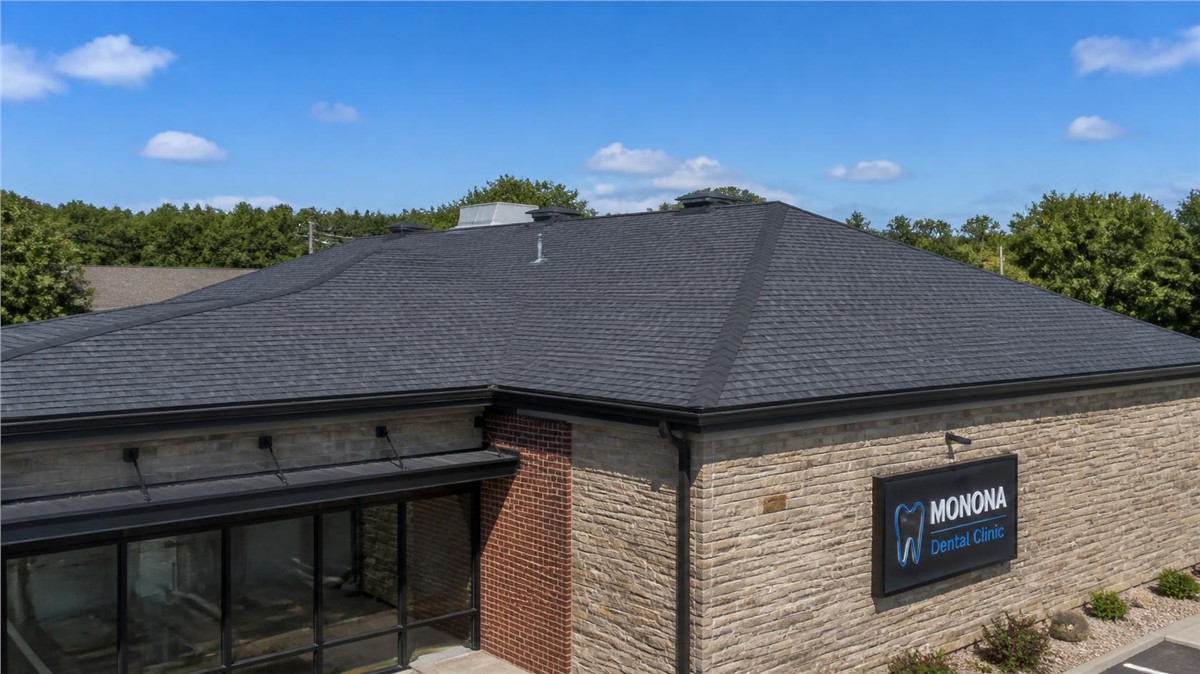
A commercial roof warranty can protect a property owner from certain material defects or installation problems, but coverage varies widely. Before approving a roofing project in Monona, WI, owners should ask who provides the warranty, what is covered, what can void it, how maintenance is documented, and how claims are handled after hail, wind, snow, or other storm damage.
Why Commercial Roof Warranties Matter
A commercial roof is a major investment, and the warranty attached to it can affect repair costs, maintenance decisions, and long-term planning.
However, not every warranty provides the same protection. Some cover only defective roofing materials. Others include installation workmanship. Certain manufacturer warranties may offer broader system coverage, but only when approved materials are installed by an authorized contractor and inspected after completion.
Commercial property owners in Monona should review warranty terms before the project begins, not after a leak appears.
The right questions can help owners understand their responsibilities and avoid assumptions about what will be covered during the roof’s service life.
What Type of Warranty Is Being Offered?
The first question should be simple: What kind of warranty comes with the roof?
Commercial roofing projects may include more than one warranty.
Manufacturer Material Warranty
A material warranty generally covers defects in products manufactured by the roofing company. This may include the membrane, shingles, insulation, coating, fasteners, or other approved components.
Material warranties usually do not automatically cover installation errors. If a product fails because it was installed incorrectly, the manufacturer may deny the claim unless the warranty includes labor or full-system protection.
Manufacturer System Warranty
A system warranty may cover approved materials and certain installation-related problems. These warranties often require the entire roofing system to meet the manufacturer’s specifications.
The manufacturer may require:
- An approved contractor
- Specific insulation and membrane products
- Approved fasteners and adhesives
- Proper flashing details
- A final roof inspection
- Registration and payment of warranty fees
Owners should ask exactly which roof components are included. Some accessories, drains, edge metal, skylights, rooftop equipment, or structural materials may not be covered.
Contractor Workmanship Warranty
A workmanship warranty is issued by the roofing contractor. It typically covers problems caused by installation errors for a stated period.
The duration and terms vary by contractor. Owners should ask whether labor, materials, travel, inspections, and emergency service are included when a valid workmanship issue is found.
Who Is Responsible for Each Part of the Warranty?
Commercial roof warranties may involve the manufacturer, roofing contractor, building owner, property manager, and maintenance provider.
Before signing a contract, determine who handles each responsibility.
Ask:
- Who registers the warranty?
- Who keeps the final warranty documents?
- Who performs required inspections?
- Who responds if the roof leaks?
- Who decides whether the issue is covered?
- Who pays for testing or investigation?
- Who completes approved warranty repairs?
Owners should receive written contact information and a clear claim process. Verbal statements may be difficult to confirm several years later, especially if property management or maintenance personnel change.
What Exactly Is Covered?
A warranty should clearly identify covered materials, labor, and types of failure.
Ask whether coverage includes:
- Roofing membrane
- Insulation
- Fasteners
- Adhesives
- Flashing
- Roof edges
- Seams
- Penetrations
- Labor for covered repairs
- Removal and replacement of damaged materials
- Interior water damage
Many roofing warranties cover the roof system but exclude damage inside the building. Wet ceiling tiles, damaged drywall, inventory loss, equipment damage, and interrupted business operations may not be included.
Owners should also ask whether the warranty covers only active leaks or other performance issues, such as membrane separation, failed seams, premature material deterioration, or defective coatings.
What Is Not Covered?
Understanding exclusions is just as important as understanding coverage.
Common commercial roof warranty exclusions may include:
- Hail damage
- Wind exceeding stated limits
- Tornadoes
- Flooding
- Lightning
- Falling branches
- Structural movement
- Building settlement
- Unauthorized repairs
- Damage from rooftop equipment
- Poor drainage
- Standing water
- Neglected maintenance
- Chemical exposure
- Animal damage
- Fire
- Vandalism
In Monona, severe weather can include hail, strong wind, heavy rain, snow, ice, and rapid freeze-thaw cycles. Property owners should ask how the warranty addresses each of these conditions.
A roof may still need storm damage insurance coverage even when a manufacturer warranty is active.
Is Hail or Wind Damage Included?
Hail and wind are common sources of commercial roof damage in southern Wisconsin, but they are often excluded from standard warranties.
Hail can puncture or bruise membranes, crack older roofing materials, dent metal, damage edge components, and affect rooftop equipment.
Strong winds may loosen flashing, lift membrane sections, damage roof edges, or move debris across the surface.
Owners should ask:
- Is hail damage covered?
- Is there a maximum hail size listed?
- Is wind coverage based on speed?
- Are roof edges included in wind coverage?
- Is damage from windblown debris excluded?
- Does the roof need a specific assembly to qualify?
Enhanced hail or wind coverage may be available for certain systems. These options should be discussed during the design stage because they may affect insulation, attachment methods, membrane thickness, edge details, and overall cost.
How Long Does the Warranty Last?
Commercial roof warranties may be offered for different lengths, such as 10, 15, 20, 25, or more years.
A longer warranty does not always mean broader coverage. Owners should compare the actual terms rather than focusing only on the number of years.
Ask whether coverage changes over time.
Some warranties are non-prorated, meaning covered repairs remain fully covered during the stated period. Others may provide reduced coverage as the roof ages.
Also ask when the warranty begins. The start date may be tied to project completion, final inspection, manufacturer approval, or the date the warranty certificate is issued.
What Maintenance Is Required?
Most commercial roof warranties require routine maintenance.
A warranty is not a substitute for inspections, cleaning, drainage care, or minor repairs. If the roof is neglected, the manufacturer or contractor may deny a claim.
Required maintenance may include:
- Scheduled roof inspections
- Gutter and drain cleaning
- Removal of leaves and debris
- Documentation of repairs
- Inspection after severe weather
- Sealant maintenance
- Flashing checks
- Prompt reporting of leaks
- Control of rooftop traffic
Owners should ask how often inspections are required and whether they must be completed by an approved contractor.
Monona properties should generally be checked before winter, after winter, and after major storms. Snow, ice, ponding water, hail, and freeze-thaw cycles can expose small weaknesses in the roof system.
How Should Maintenance Be Documented?
Good records can be essential during a warranty claim.
Commercial property owners should maintain a roof file containing:
- The signed roofing contract
- Warranty certificates
- Product information
- Installation photographs
- Final inspection reports
- Maintenance records
- Roof plans
- Repair invoices
- Storm inspection reports
- Leak history
- Correspondence with the contractor or manufacturer
Each maintenance entry should include the date, conditions found, actions taken, and the name of the person or company performing the work.
Photographs can help show that the roof was maintained and that damage developed after a specific weather event.
Can Another Contractor Work on the Roof?
Commercial roofs often need work from HVAC technicians, electricians, plumbers, sign installers, solar contractors, and other trades.
Unauthorized roof penetrations or repairs may affect warranty coverage.
Before allowing another contractor onto the roof, ask:
- Must the roofing contractor be notified?
- Does an approved roofer need to be present?
- Who must flash new penetrations?
- Are temporary repairs allowed?
- What documentation is required?
- Does rooftop equipment installation require an inspection?
A new vent, pipe, curb, sign, antenna, or HVAC unit can create a leak if it is not integrated into the roof correctly.
Owners should also control roof access. Foot traffic, dropped tools, sharp equipment, and stored materials can damage membranes without creating an immediate visible leak.
Are Drainage Problems Covered?
Flat and low-slope commercial roofs depend on drains, scuppers, gutters, and downspouts to remove water.
Standing water may result from clogged drains, settled insulation, structural movement, poor design, or changes to rooftop equipment.
Some warranties exclude damage related to ponding water or blocked drainage.
Ask:
- How long may water remain after rainfall?
- Who is responsible for cleaning drains?
- Are tapered insulation and drainage improvements included?
- Is ponding water covered?
- Are internal drains part of the warranty?
- What happens if the building settles?
Monona’s heavy rain, snowmelt, and ice can place additional pressure on drainage systems. Roof drains should remain clear throughout the year, especially before winter and during spring thaw.
What Happens After a Roof Leak Is Reported?
Property owners should know the warranty claim process before an emergency occurs.
Ask for clear instructions covering:
- Who to contact
- Required photographs
- Response times
- Emergency repair procedures
- Inspection fees
- Temporary protection
- Claim documentation
- Approval of permanent repairs
Some warranties require leaks to be reported within a specific period. Delayed reporting may allow water to spread through insulation or decking and could affect coverage.
Owners should not assume that any roofer can complete the repair. Unauthorized work may complicate the claim.
Does the Warranty Transfer to a New Owner?
A transferable warranty can be valuable if the commercial property is sold.
However, transfer may not be automatic. The manufacturer or contractor may require written notice, an inspection, maintenance records, a transfer fee, or completion of repairs before approving the new owner.
Ask:
- Is the warranty transferable?
- How many times can it be transferred?
- Is there a deadline after the sale?
- Is an inspection required?
- Are there transfer fees?
- Does coverage change for the new owner?
These details should be included in property records so they are available during a future sale or refinancing process.
What Can Void the Warranty?
Owners should request a complete list of actions or conditions that may void coverage.
Potential problems include:
- Missed inspections
- Poor maintenance
- Unapproved roof repairs
- New penetrations
- Chemical spills
- Excessive roof traffic
- Standing water
- Unreported leaks
- Structural modifications
- Added rooftop equipment
- Failure to pay required fees
The property manager, maintenance team, and tenants should understand any roof access restrictions.
A simple written roof access policy can help prevent accidental damage and protect warranty compliance.
Does the Warranty Match the Property’s Actual Needs?
The best warranty is not necessarily the longest one. It should match the building, roof design, weather exposure, operations, and expected ownership period.
A warehouse may have different needs than an office, retail center, apartment building, manufacturing facility, or medical property.
Owners should consider:
- Expected rooftop traffic
- Snow accumulation
- Hail exposure
- Drainage design
- Interior contents
- Operating hours
- Future equipment installation
- Plans to sell the property
- Long-term maintenance budget
A stronger roof assembly and clear maintenance plan may provide more practical value than simply selecting the longest available warranty.
Questions to Ask Before Approving the Project
Before signing a commercial roofing agreement, ask for written answers to these questions:
- Who provides each warranty?
- What materials and labor are covered?
- What damage is excluded?
- Are hail and wind included?
- How long does coverage last?
- Is the coverage prorated?
- What maintenance is required?
- Who may work on the roof?
- How are leaks reported?
- Are inspections or fees required?
- Is the warranty transferable?
- What actions can void coverage?
These answers make it easier to compare proposals and understand the long-term responsibilities attached to the roof.
Review Your Commercial Roof Options in Monona, WI
A commercial roof warranty should be treated as part of the roofing system, not as a separate piece of paperwork to review after installation.
Huskie Exteriors provides commercial roofing, siding, window, gutter, and storm damage restoration services throughout Illinois and Wisconsin. The team can inspect existing roof conditions, explain repair or replacement options, and help property owners understand the warranty requirements connected to a proposed system.
Commercial property owners in Monona, WI, who have questions about roof leaks, storm damage, replacement planning, or warranty coverage can contact Huskie Exteriors through huskieexteriors.com to schedule an exterior evaluation.
Subscribe to Huskie Exteriors's Blog




Comments