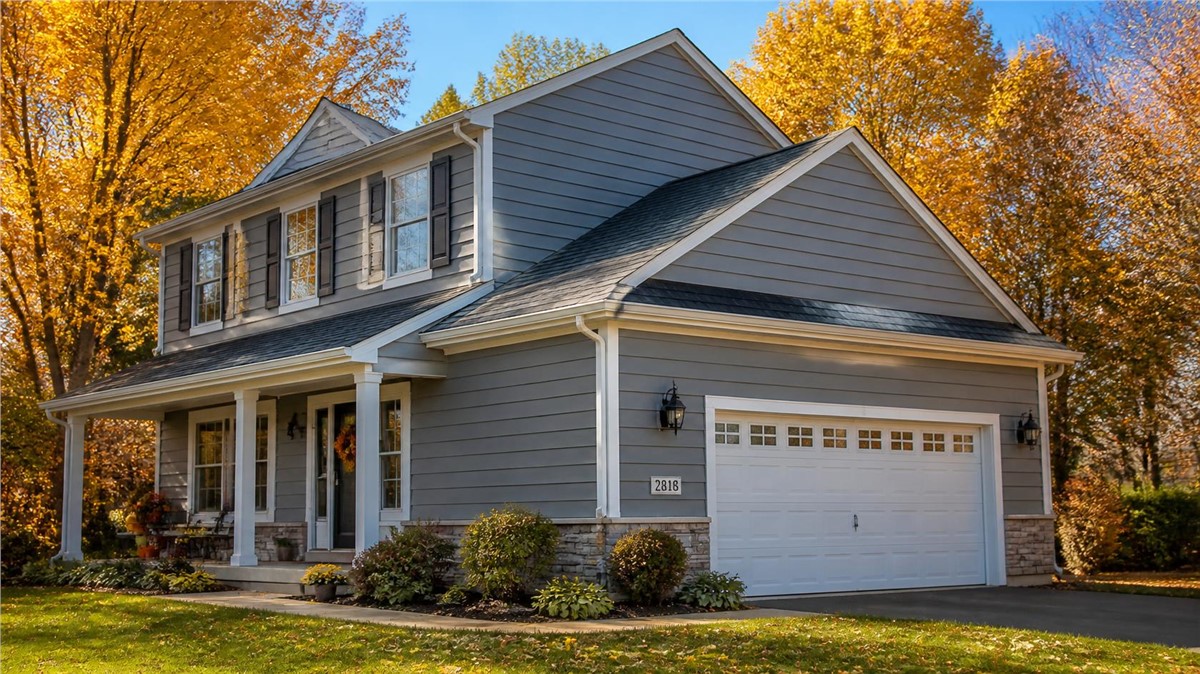
The best time for siding replacement in Fort Atkinson, WI, is usually during late spring, summer, or early fall when temperatures are moderate and weather conditions are more predictable. However, the right timing also depends on the condition of your siding, contractor availability, material requirements, and whether storm damage or moisture problems require faster action.
Why Timing Matters for Siding Replacement
Siding protects your property from rain, wind, snow, ice, moisture, and changing temperatures. It also contributes to insulation, curb appeal, and the overall condition of exterior walls.
In Fort Atkinson, siding must handle a wide range of Midwest weather conditions. Hot summers, freezing winters, hail, strong winds, heavy rain, and repeated freeze-thaw cycles can all affect exterior materials.
Choosing the right season for siding replacement can make installation easier and reduce weather-related delays. Certain siding materials also perform better when installed within recommended temperature ranges.
However, property owners should not delay necessary repairs simply because the season is not ideal. If siding is allowing water into the wall system, waiting several months may lead to damaged sheathing, wet insulation, mold growth, or interior staining.
Spring Siding Replacement in Fort Atkinson
Spring is often a good time to begin planning a siding replacement project. Temperatures become milder, snow melts, and contractors can inspect damage that may have developed during winter.
Benefits of Replacing Siding in Spring
Spring siding replacement may offer several advantages:
- Moderate temperatures
- Easier access to exterior walls
- Early correction of winter damage
- Preparation before summer storms
- Improved appearance before outdoor gatherings
- More time to complete related exterior repairs
Spring is also a practical time to check for damage caused by snow, ice, and freezing temperatures.
Cracks, loose panels, warped siding, damaged trim, and moisture stains may become more noticeable after winter. Ice buildup and freeze-thaw cycles can widen existing openings or loosen sections of older siding.
Potential Spring Challenges
Spring weather in Fort Atkinson can be unpredictable. Frequent rain, muddy ground, strong winds, and sudden temperature changes may affect the project schedule.
Wet conditions can also make it harder to evaluate moisture damage behind the siding until the area has dried.
Property owners planning a spring project should schedule an inspection early. Contractor availability may become limited as homeowners begin arranging roofing, siding, gutter, and storm damage repairs after winter.
Summer Siding Replacement
Summer is one of the most popular seasons for siding replacement in Wisconsin. Longer daylight hours and warmer temperatures usually provide more consistent installation conditions.
Advantages of Summer Installation
Summer siding projects may benefit from:
- Longer working days
- More predictable temperatures
- Fewer cold-weather installation concerns
- Better conditions for sealants and exterior finishes
- Easier coordination of roofing, window, or gutter work
- Reduced risk of snow or freezing rain
Vinyl, fiber cement, engineered wood, and metal siding can all be installed during summer, although each material has specific handling requirements.
Warm weather can also make it easier to inspect the wall system after old siding is removed. Contractors may identify damaged sheathing, deteriorated house wrap, insect activity, or areas where water has entered behind the exterior surface.
Hot-Weather Considerations
Very high temperatures can create installation challenges.
Vinyl siding expands in warm weather and contracts when temperatures fall. It must be installed with enough room for movement. Panels that are fastened too tightly may buckle, warp, or become distorted as temperatures change.
Direct sunlight can also make dark-colored siding and metal components very hot. Experienced installers account for temperature, expansion, spacing, and fastening requirements during installation.
Summer storms are another concern. Hail, high winds, and heavy rain may interrupt work or create new damage. A professional contractor should monitor weather conditions and protect exposed wall areas during the project.
Early Fall May Offer the Best Balance
For many property owners, early fall is one of the best times of year for siding replacement in Fort Atkinson, WI.
Temperatures are often moderate, humidity may be lower, and extreme heat is less common. The project can also be completed before snow, ice, and prolonged freezing temperatures arrive.
Why Early Fall Works Well
Early fall siding replacement can help property owners:
- Prepare exterior walls for winter
- Address summer storm damage
- Improve insulation before heating season
- Reduce drafts and air leaks
- Correct moisture problems before freezing weather
- Avoid some peak summer scheduling pressure
Moderate temperatures are especially helpful for vinyl siding because the material is less expanded than it may be during extreme summer heat and less brittle than it becomes in freezing conditions.
Early fall is also a good time to coordinate siding work with gutter replacement, window installation, soffit repairs, or fascia improvements.
Do Not Wait Too Late
Late fall weather can change quickly in southern Wisconsin. Cold rain, early snow, freezing nights, and shorter daylight hours may slow installation.
If a project is planned for fall, it is best to schedule it before winter weather becomes consistent.
Contractor calendars may also fill quickly as property owners try to complete exterior work before the end of the construction season.
Can Siding Be Replaced During Winter?
Siding can sometimes be replaced during winter, but cold-weather installation requires additional planning.
The project may still be necessary if the siding has severe storm damage, active water intrusion, missing sections, or exposed wall materials.
Winter Installation Challenges
Cold weather may affect:
- Material flexibility
- Sealant performance
- Working conditions
- Project speed
- Snow and ice removal
- Access around the property
- Protection of exposed walls
Vinyl siding becomes less flexible in cold temperatures and may be more likely to crack if handled incorrectly. Cutting and fastening methods must account for the colder conditions.
Snow and ice can also make ladders, scaffolding, roofs, and ground surfaces more difficult to access safely.
When Winter Replacement Should Not Wait
Winter siding work may be necessary when damage creates an immediate risk.
Examples include:
- Large missing siding sections
- Exposed sheathing
- Active interior leaks
- Severe wind damage
- Loose panels that may fall
- Fire or impact damage
- Water entering around windows
- Storm damage affecting occupied areas
Temporary repairs may protect the property until full replacement is possible, but they should not be treated as permanent solutions.
A professional inspection can determine whether the project should move forward immediately or whether the affected area can be safely stabilized until temperatures improve.
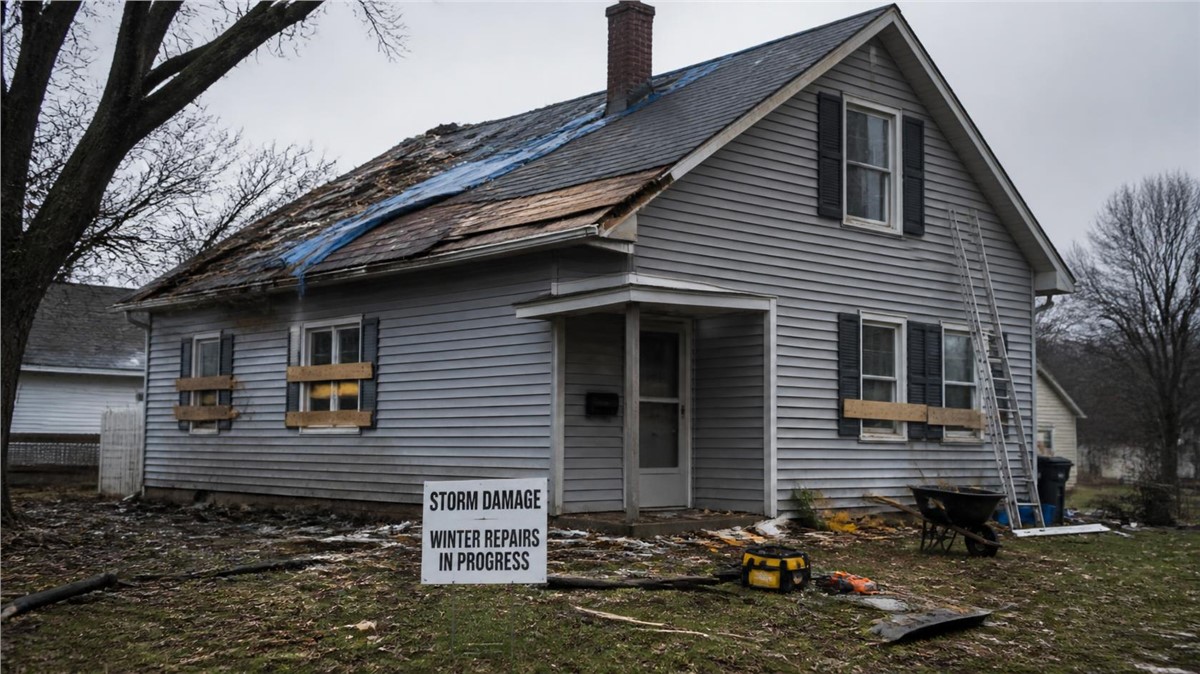
Storm Damage Can Change the Best Timing
Seasonal planning is helpful, but storm damage does not follow a schedule.
Hail, wind, heavy rain, and falling debris can damage siding at any time of year. When damage occurs, the best time for an inspection is as soon as it is safe.
Common signs of storm-damaged siding include:
- Cracks or holes
- Dents
- Loose panels
- Missing sections
- Chipped or damaged finishes
- Broken corner posts
- Open seams
- Water stains
- Damaged trim
- Siding pulled away from the wall
Hail damage may be difficult to see from a distance. Vinyl siding can develop small cracks that expand during temperature changes. Metal siding may show dents, while fiber cement siding may chip or fracture.
Wind can loosen panels without fully removing them. Once the siding system is no longer secure, rain or melting snow may enter behind it.
Property owners in Fort Atkinson should arrange an inspection after severe weather, even if the siding appears intact from the ground.
Signs You Should Replace Siding Soon
The condition of the siding is more important than the calendar.
Waiting for the ideal season may not be wise when the exterior shows signs of failure.
Consider scheduling an inspection if you notice:
- Frequent siding repairs
- Widespread cracks
- Loose or missing panels
- Warping or buckling
- Rotting wood siding
- Soft areas
- Peeling paint
- Fading or uneven color
- Moisture stains
- Mold or mildew growth
- Higher heating or cooling needs
- Drafts near exterior walls
- Water damage around windows
- Insect or animal damage
Siding problems may also affect nearby materials. Damaged siding can allow water to reach insulation, wall framing, windows, doors, soffits, and foundation areas.
Early evaluation may help determine whether a localized repair is enough or whether replacement is the better long-term option.
Choosing the Right Siding Material
The best installation season may vary slightly depending on the siding material selected.
Vinyl Siding
Vinyl siding is popular because it is available in many colors and requires relatively little maintenance.
It expands and contracts as temperatures change, so proper fastening and spacing are important. Moderate weather conditions can make handling and installation easier.
Fiber Cement Siding
Fiber cement siding offers durability and resistance to insects, moisture, and fire when properly installed and maintained.
It is heavier than vinyl and requires careful cutting, fastening, sealing, and clearance around moisture-prone areas.
Engineered Wood Siding
Engineered wood provides the appearance of traditional wood with improved consistency and durability.
Correct flashing, sealing, spacing, and moisture protection are essential, especially around windows, doors, rooflines, and lower wall sections.
Metal Siding
Metal siding can be a practical option for residential and commercial properties. It is durable but may dent during severe hail or impact events.
Installation must account for thermal movement, fastener placement, and proper flashing.
A siding contractor can help compare material performance, appearance, maintenance, and installation needs based on the property.
Residential Siding Replacement Considerations
Homeowners should consider more than exterior appearance when planning siding replacement.
A residential siding project may also involve:
- House wrap
- Wall sheathing
- Exterior insulation
- Window trim
- Door openings
- Soffit and fascia
- Gutters and downspouts
- Utility penetrations
- Exterior lighting
- Ventilation openings
Replacing siding is an opportunity to inspect materials that are normally hidden.
If water has entered behind the siding, damaged sections of sheathing or insulation may need to be replaced before new materials are installed.
Homeowners may also choose to coordinate siding replacement with window or gutter work to create a more complete exterior improvement plan.
Commercial Siding Replacement Considerations
Commercial properties may have different scheduling and access requirements.
The project may need to account for:
- Customer entrances
- Employee access
- Loading areas
- Parking
- Tenant schedules
- Exterior signs
- Security systems
- Utility connections
- Business operating hours
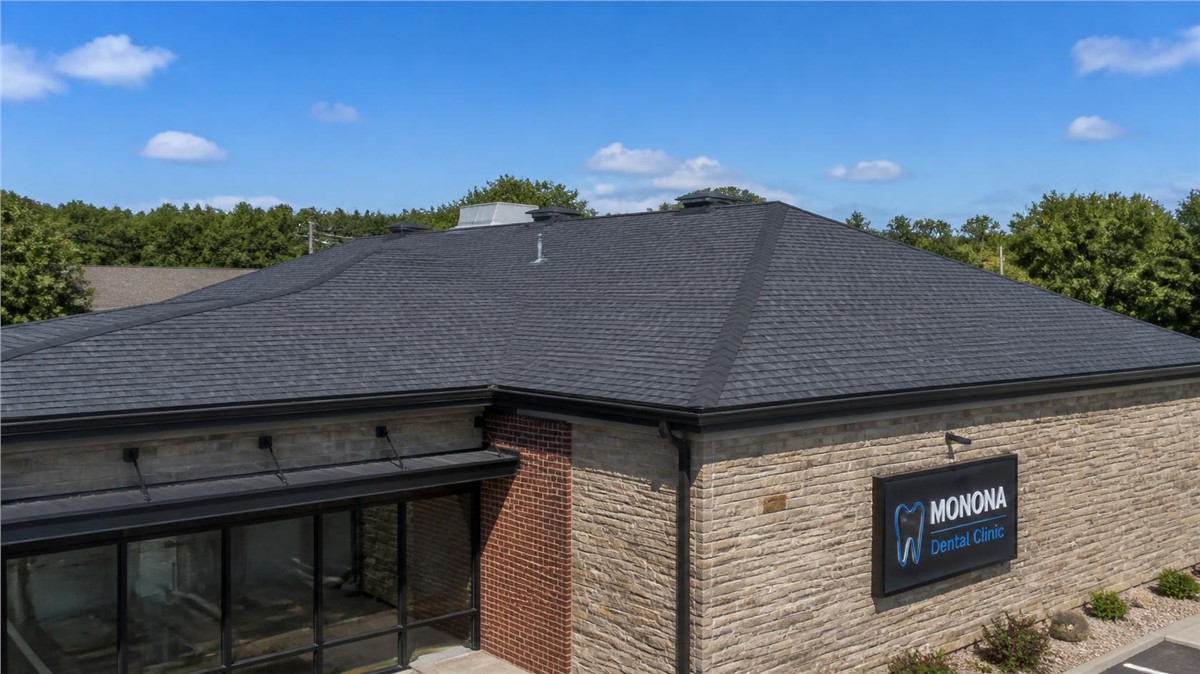
Commercial siding systems may include metal panels, fiber cement, engineered materials, masonry transitions, or mixed exterior finishes.
Water intrusion can affect offices, storage areas, equipment, inventory, and tenant spaces. Repairing damaged siding before winter may help reduce disruption and protect the building envelope.
Project phasing can allow sections of a commercial building to remain accessible while work continues in other areas.
How to Plan a Siding Replacement Project
Planning early gives property owners more flexibility.
A practical process may include:
- Scheduling an exterior inspection
- Identifying storm or moisture damage
- Reviewing repair and replacement options
- Selecting a siding material
- Choosing colors and trim
- Coordinating window, gutter, or roofing work
- Reviewing the expected project timeline
- Preparing landscaping and access areas
- Monitoring the weather forecast
Furniture, grills, decorations, and fragile landscaping items should be moved away from exterior walls before work begins.
Commercial property owners should notify tenants, employees, vendors, or customers if access areas may be affected.
What Is the Best Season Overall?
Late spring through early fall generally provides the best conditions for siding replacement in Fort Atkinson.
Early fall often offers the strongest balance of moderate temperatures, lower humidity, and preparation before winter. Summer provides longer daylight and predictable warmth, while spring allows property owners to address winter damage early.
The right time ultimately depends on:
- The condition of the siding
- The type of material
- Weather conditions
- Contractor availability
- Storm damage
- Moisture concerns
- Other planned exterior work
- The needs of the property owner
A damaged siding system should be inspected promptly, regardless of the season.
Plan Your Fort Atkinson Siding Project with Huskie Exteriors
The best time for siding replacement is before damaged exterior materials allow moisture, cold air, or pests to affect the wall system.
Huskie Exteriors provides siding, roofing, window, gutter, and storm damage restoration services for homeowners and commercial property owners throughout Illinois and Wisconsin.
If your siding in Fort Atkinson, WI, is cracked, loose, faded, storm-damaged, or showing signs of moisture problems, contact Huskie Exteriors through huskieexteriors.com. A professional exterior inspection can help you understand the condition of your siding and choose a practical time to complete the project.
Subscribe to Huskie Exteriors's Blog





Comments