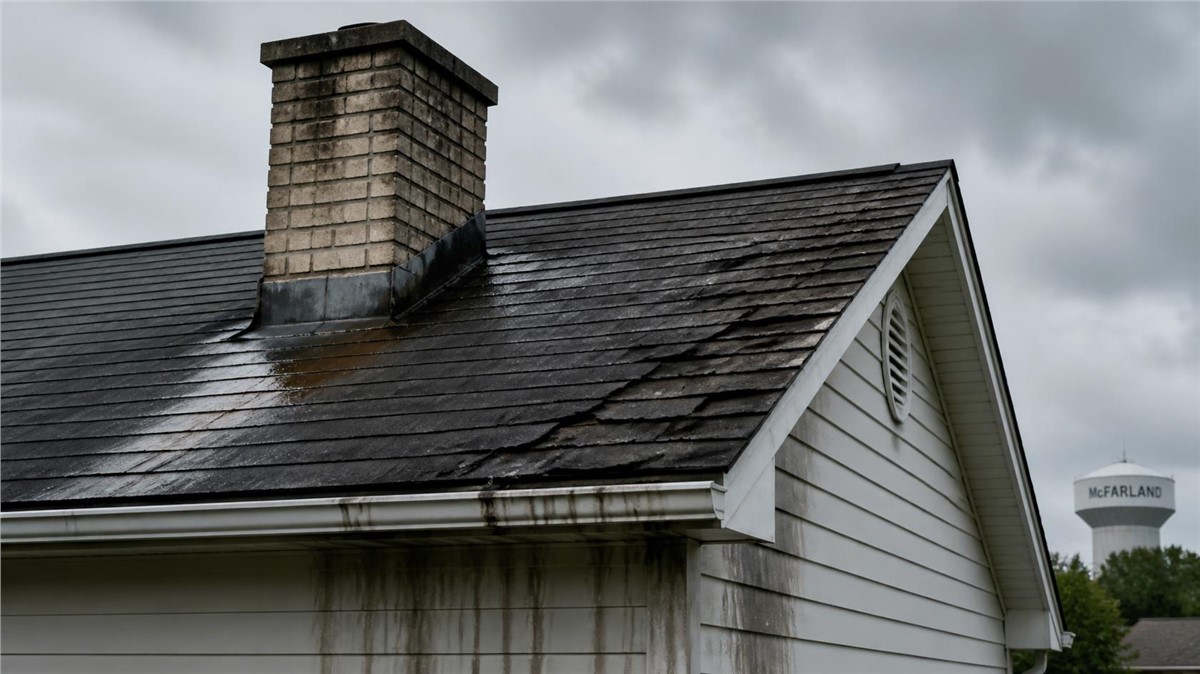
Chimney-related roof leaks often begin around flashing, masonry joints, chimney caps, or worn roofing materials near the chimney. In McFarland, WI, heavy rain, snow, ice, wind, and freeze-thaw cycles can make small weaknesses worse, so early inspection is important for both residential and commercial properties.
Why Chimneys Are Common Roof Leak Areas
A chimney creates an opening through the roof system. That opening requires several materials to work together, including shingles or another roof covering, flashing, sealants, masonry, and the chimney cap.
When any of these components become damaged or worn, water can enter the building. The leak may appear near the fireplace, along an interior wall, inside the attic, or even several feet away from the chimney.
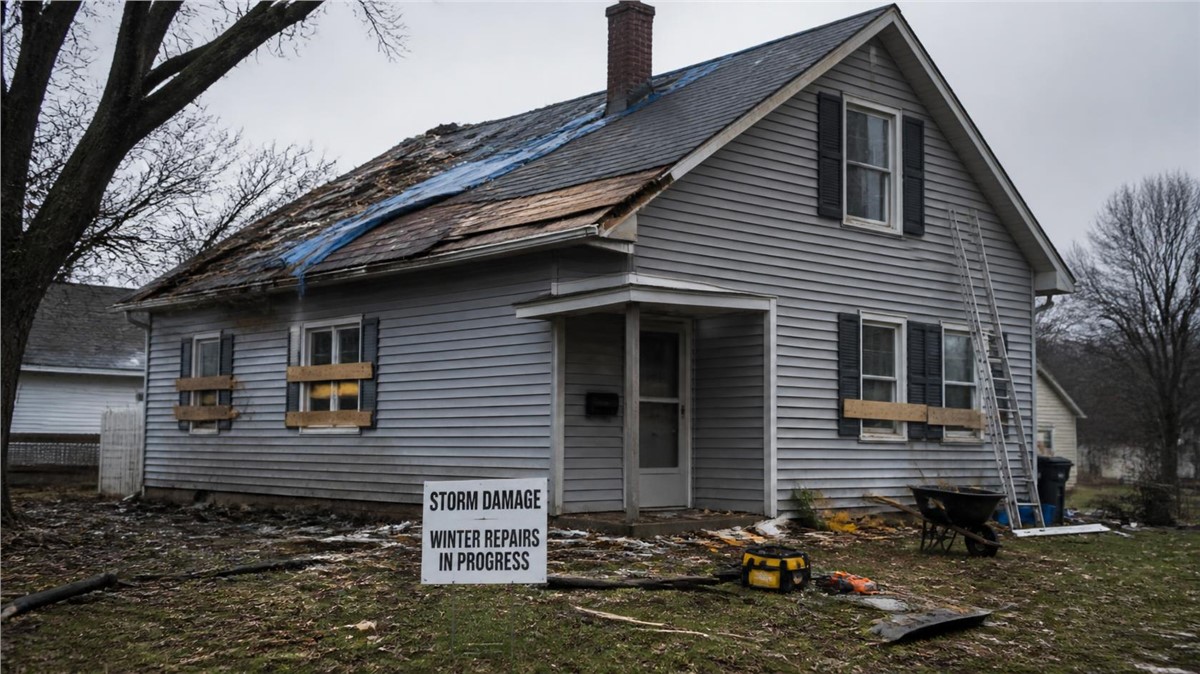
Chimney and roof leak issues in McFarland, WI, are especially common after severe weather. Strong winds can loosen flashing, hail can damage roofing materials, and snow or ice can hold moisture against vulnerable areas.
Freeze-thaw cycles also create problems. Water can enter small cracks in masonry, freeze, expand, and make those cracks larger over time.
Signs of a Chimney or Roof Leak
Some chimney leaks are obvious, while others develop slowly. Property owners should watch for changes inside and outside the building.
Common warning signs include:
- Water stains on ceilings or walls near the chimney
- Damp drywall around the fireplace
- Peeling paint or bubbling wall surfaces
- Musty odors in the attic
- Wet insulation
- Dark or stained roof decking
- Dripping water during heavy rain
- White staining on chimney bricks
- Cracked mortar joints
- Rust on metal fireplace components
- Damaged shingles near the chimney
- Loose, bent, or missing flashing
Commercial property owners may also notice stains above offices, storage areas, mechanical rooms, or tenant spaces. On larger roofs, the visible interior stain may not be directly below the source of the leak.
Water can travel along roof decking, framing, insulation, or pipes before becoming noticeable indoors.
Check the Chimney Flashing
Flashing is one of the first areas to inspect when a leak appears near a chimney.
Chimney flashing is usually made from metal and installed where the chimney meets the roof. Its purpose is to direct water away from the joint between the roofing material and the chimney.
A typical chimney flashing system may include:
- Step flashing along the sides
- Base flashing at the lower edge
- Counter-flashing installed into the masonry
- Back-pan flashing behind the chimney
If flashing is loose, corroded, poorly installed, or covered with failing sealant, water may enter beneath the roofing system.
Signs of Flashing Problems
Look for:
- Gaps between the flashing and chimney
- Rust or corrosion
- Bent metal
- Missing sections
- Cracked roofing cement
- Large amounts of dried caulk
- Flashing that lifts during strong wind
- Water marks below the chimney in the attic
Sealant alone is not always a permanent repair. Caulk may temporarily cover a gap, but properly installed flashing should handle most of the water drainage.
If a chimney has been repeatedly patched with roofing cement or sealant, the flashing system may need a more complete repair.
Inspect the Chimney Cap and Crown
The top of the chimney is another frequent water entry point.
A chimney cap helps keep rain, snow, leaves, animals, and debris out of the chimney opening. If the cap is missing, damaged, or improperly sized, water may enter directly into the flue.
The chimney crown is the sloped surface at the top of a masonry chimney. It should direct water away from the flue and the chimney walls.
Common Chimney Crown Problems
Chimney crowns may develop:
- Hairline cracks
- Large fractures
- Missing sections
- Flat areas that hold water
- Separation around the flue liner
- Deteriorated sealant
In McFarland, repeated freezing and thawing can expand small cracks in the crown. Once water enters these openings, the masonry may continue to deteriorate.
A damaged chimney crown can allow water to move into the chimney structure, even when the roof flashing is still in acceptable condition.
Look for Damaged Brick and Mortar
Brick and mortar are durable, but they are not completely waterproof.
Older chimneys may absorb moisture through porous bricks, cracked mortar joints, or deteriorated masonry. During a Wisconsin winter, trapped moisture can freeze and expand.
This process can lead to:
- Crumbling mortar
- Loose bricks
- Flaking brick surfaces
- Widening cracks
- Water penetration
- Structural movement
White, powdery staining on the chimney is known as efflorescence. It often appears when moisture moves through masonry and leaves mineral deposits behind.
Efflorescence does not always mean the chimney is structurally unsafe, but it can indicate ongoing moisture exposure that should be evaluated.
Commercial chimneys, masonry vents, and rooftop mechanical structures can develop similar problems. Larger buildings may also have several roof penetrations that require flashing and masonry maintenance.
Examine the Roofing Materials Around the Chimney
The chimney may appear to be the source of a leak even when the actual problem begins in the surrounding roof.
Shingles or other roofing materials near the chimney may be damaged by:
- Hail
- Wind uplift
- Falling branches
- Ice buildup
- Foot traffic
- Improper repairs
- Age-related wear
- Poor drainage
Cracked, lifted, missing, or poorly sealed shingles can allow water to reach the roof deck. Water may then travel toward the chimney opening and appear indoors nearby.
On commercial properties, membrane roofing around a chimney or masonry wall may develop punctures, open seams, or separation around flashing details.
The entire surrounding roof area should be inspected instead of focusing only on the visible chimney.
Check Behind the Chimney for Water Buildup
The area behind a chimney can collect water, snow, leaves, and ice, especially when the chimney is wide or positioned across the roof slope.
A properly designed cricket or saddle may be installed behind the chimney. This small peaked structure diverts water around the chimney instead of allowing it to collect against the masonry.
Without effective drainage, the area behind the chimney may experience:
- Standing water
- Ice accumulation
- Debris buildup
- Premature shingle wear
- Flashing deterioration
- Roof deck damage
During McFarland winters, snow can remain behind a chimney longer than it does on open roof surfaces. Melting snow may repeatedly soak the same area.
Ice dams can make the problem worse by preventing water from draining normally.
Consider Condensation and Interior Moisture
Not every stain near a chimney comes from rain or melting snow.
Condensation may form when warm, moist indoor air contacts cold chimney surfaces, metal flues, or poorly insulated attic areas.
Possible causes include:
- Inadequate attic ventilation
- Missing insulation
- Bathroom or kitchen vents releasing air into the attic
- Unsealed ceiling penetrations
- High indoor humidity
- Improperly vented heating equipment
Condensation is often more noticeable during cold weather. It may dampen insulation, stain wood, or create moisture around the chimney without an obvious exterior roof opening.
A complete inspection should consider both exterior water entry and interior moisture conditions.
Check Gutters and Roof Drainage
Clogged or damaged gutters may contribute to roof leaks near chimneys, especially if the chimney is located near a roof valley or lower roof section.
When gutters cannot move water away efficiently, rainwater and melting snow may back up along roof edges or overflow against siding and masonry.
Look for:
- Clogged gutters
- Loose gutter sections
- Improper gutter slope
- Damaged downspouts
- Water overflowing during storms
- Downspouts draining too close to the building
- Ice buildup near the roof edge
Commercial buildings should also have roof drains, scuppers, and internal drainage systems checked regularly. Blocked drainage can create standing water that places additional stress on roofing seams and flashing.
Why Storm Damage Should Not Be Overlooked
A chimney leak may begin after a storm even when there is no obvious exterior damage from the ground.
Hail can bruise shingles, crack older roofing materials, dent flashing, or damage chimney caps. High winds can lift shingles, loosen metal components, or drive rain underneath vulnerable edges.
After a strong storm in McFarland, property owners should check for:
- Missing shingles
- Roofing debris on the ground
- Dented gutters or flashing
- Loose chimney caps
- Fallen branches
- New ceiling stains
- Water in the attic
- Damaged siding near roof intersections
Some storm damage develops into an active leak immediately. Other damage weakens the roof and allows water intrusion during a later storm.
A prompt inspection can help document the condition before additional weather causes more damage.
Residential and Commercial Chimney Leak Considerations
Residential Properties
In homes, chimney leaks often affect attics, fireplaces, living rooms, bedrooms, or exterior walls.
Residential inspections should include:
- Chimney flashing
- Shingles around the chimney
- Chimney crown and cap
- Attic insulation
- Roof decking
- Fireplace components
- Nearby gutters and valleys
Homeowners should also check whether previous repairs were completed with excessive caulk or roofing cement. These materials may hide the original problem without correcting the underlying flashing or masonry issue.
Commercial Properties
Commercial properties may have larger roof surfaces, multiple masonry penetrations, mechanical vents, parapet walls, or internal drainage systems.
Water may travel farther before appearing inside a commercial building. Wet insulation can spread moisture across a wide section of the roof and reduce the performance of the roofing system.
Commercial inspections may require checking:
- Roof membrane seams
- Wall and chimney flashing
- Counter-flashing
- Roof drains
- Scuppers
- Masonry joints
- Rooftop equipment
- Interior ceiling systems
- Areas above tenant spaces
Routine maintenance is especially important because an unnoticed leak can affect inventory, equipment, electrical systems, and occupied work areas.
What to Do When You Notice a Leak
When a chimney or roof leak appears, avoid waiting for the next storm to see whether it happens again.
Take practical steps such as:
- Move furniture or equipment away from the affected area
- Place a container under active dripping
- Photograph stains and visible damage
- Check the attic only if it is safe
- Avoid walking on a wet, icy, or steep roof
- Schedule a professional roof and chimney-area inspection
Temporary interior measures may reduce immediate damage, but they do not stop water from entering the roofing system.
A professional inspection can help determine whether the problem involves flashing, masonry, roofing materials, drainage, ventilation, or a combination of issues.
Repair or Replacement: What May Be Needed
The correct solution depends on the source and extent of the damage.
Possible repairs may include:
- Replacing damaged shingles
- Repairing or reinstalling flashing
- Sealing small masonry cracks
- Repointing mortar joints
- Repairing the chimney crown
- Replacing the chimney cap
- Installing or repairing a chimney cricket
- Replacing wet insulation
- Repairing damaged roof decking
- Correcting gutter or drainage problems
If the roof is older or has widespread storm damage, replacing only the chimney flashing may not solve every issue. The surrounding roof condition should be considered before selecting a repair plan.
Commercial properties may require a larger membrane repair, tapered drainage improvements, or replacement of saturated roofing materials.
Protect Your McFarland Property from Ongoing Water Damage
Chimney and roof leaks can begin with a small opening but lead to damaged insulation, stained ceilings, rotted decking, mold growth, and masonry deterioration.
McFarland property owners should pay close attention to chimney areas after heavy rain, hail, wind, snow, ice, and repeated freeze-thaw cycles. Catching a problem early may make repairs more manageable and help protect the rest of the building.
Huskie Exteriors provides roofing, siding, windows, gutters, and storm damage restoration services for homeowners and commercial property owners throughout Illinois and Wisconsin. If you notice water stains, damaged flashing, missing shingles, or possible storm damage near your chimney, contact Huskie Exteriors through huskieexteriors.com to schedule an inspection and review the appropriate next steps for your property.
Subscribe to Huskie Exteriors's Blog




Comments