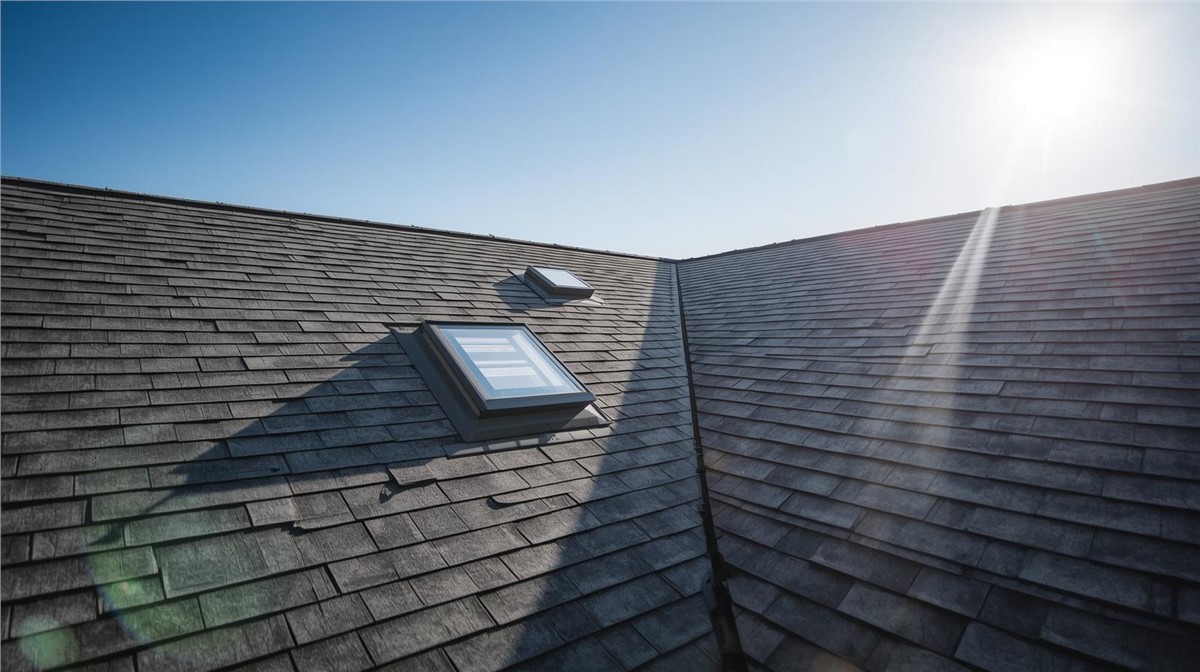
Roof ventilation is one of the most important parts of a healthy roofing system. While shingles protect the outside of your home, ventilation helps manage the air inside your attic.
For homeowners in Stillman Valley, IL, roof ventilation matters year-round. In summer, poor ventilation can trap heat in the attic. In winter, it can contribute to moisture buildup and ice dam concerns. Over time, these issues can affect roofing materials, insulation, indoor comfort, and energy use.
Understanding why roof ventilation matters can help homeowners protect their roof and avoid preventable repair problems.
What Roof Ventilation Does
Roof ventilation helps air move through the attic. A balanced system usually includes intake ventilation near the lower roof area and exhaust ventilation near the top of the roof.
This airflow helps:
- Release trapped heat
- Reduce attic moisture
- Support roof material performance
- Help insulation work properly
- Reduce condensation concerns
- Lower the risk of ice-related issues
- Improve overall home comfort
Ventilation does not work alone. It works with insulation, roofing, gutters, siding, soffit, and attic air sealing.
Why Poor Ventilation Is a Problem
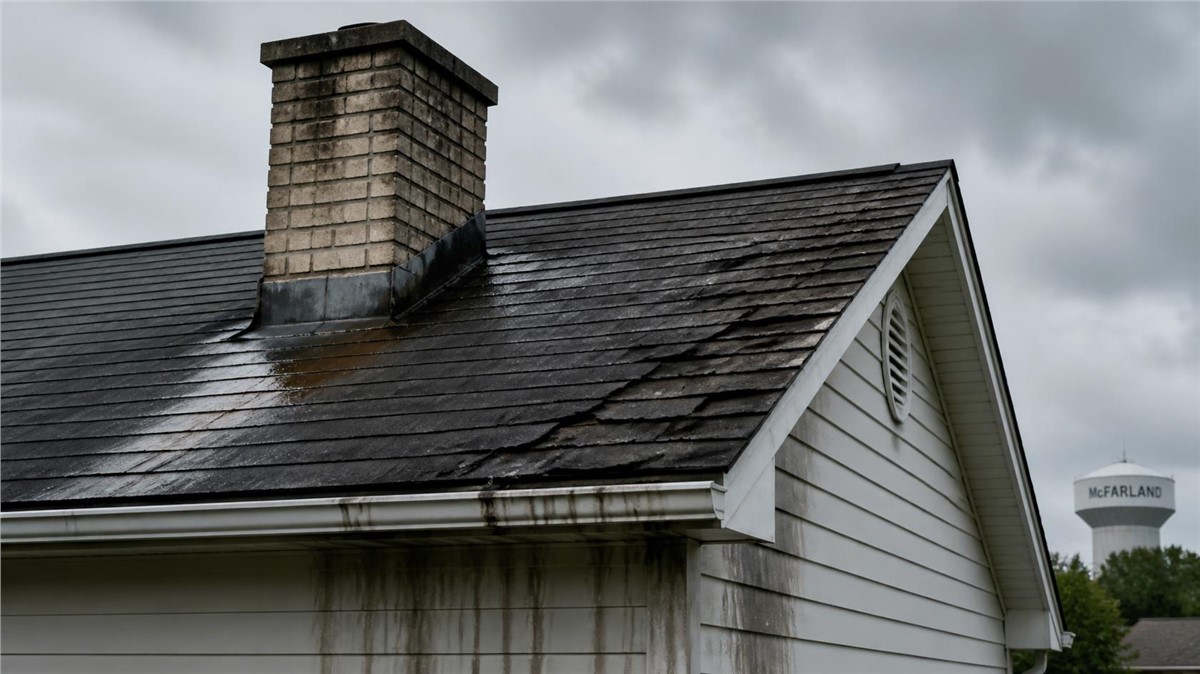
When attic air cannot move properly, heat and moisture can build up. This can create problems that may not be visible from the ground.
Poor roof ventilation may lead to:
- Excess attic heat
- Moisture buildup
- Mold or mildew concerns
- Damp insulation
- Shorter shingle life
- Ice dam risks
- Uneven indoor temperatures
- Higher heating and cooling demand
- Roof deck damage
- Musty attic odors
These problems can develop slowly, which is why ventilation should be checked during roof inspections and replacement planning.
Summer Heat and Attic Ventilation
During summer, attic temperatures can rise quickly. Without proper ventilation, heat may stay trapped under the roof deck.
This can make upper rooms feel warmer and place extra strain on the home’s cooling system. It can also affect roofing materials over time, especially if the attic stays extremely hot for long periods.
Good ventilation helps hot air escape and supports better airflow through the attic.
Winter Moisture and Ice Dam Concerns
In winter, roof ventilation helps manage moisture and temperature differences in the attic. Warm indoor air can rise into the attic. If it meets cold surfaces, condensation can form.
Moisture in the attic can lead to:
- Damp insulation
- Mold or mildew growth
- Frost on roof decking
- Musty smells
- Wood damage
- Ceiling stains
Poor ventilation can also contribute to uneven roof temperatures. This may increase the risk of snow melting and refreezing near roof edges, which can create ice dam concerns.
Signs Your Roof May Have Ventilation Problems
Ventilation issues are not always obvious, but homeowners can watch for warning signs.
Possible signs include:
- Hot upstairs rooms in summer
- Musty attic odors
- Frost or condensation in the attic
- Damp insulation
- Mold or mildew in attic areas
- Ice buildup along roof edges
- Shingles wearing faster than expected
- Peeling paint near ceilings
- Higher comfort complaints
- Recurring roof moisture issues
If these signs appear, a professional inspection can help determine whether ventilation, insulation, or roof repair is needed.
Intake and Exhaust Ventilation
A roof ventilation system needs proper balance. Exhaust vents allow warm, moist air to leave the attic. Intake vents allow fresh air to enter.
Common ventilation components may include:
- Ridge vents
- Soffit vents
- Box vents
- Gable vents
- Roof vents
- Intake vents near eaves
If intake vents are blocked by insulation, paint, debris, or poor design, the system may not work properly even if exhaust vents are present.
How Ventilation Affects Roof Life
Poor attic ventilation can shorten the life of roofing materials. Excess heat and moisture can place stress on shingles, roof decking, and insulation.
A roof may show problems sooner if ventilation is not balanced. This can lead to curling shingles, moisture damage, attic mold, and repeated repair needs.
When replacing a roof, ventilation should be reviewed as part of the full roofing system, not treated as an afterthought.
Roof Ventilation and Energy Use
Ventilation can affect how comfortable your home feels. When attic heat builds up in summer, it may make upper rooms harder to cool. When attic moisture affects insulation, the home may not perform as well in winter.
Proper ventilation is not the only factor in energy use, but it supports a healthier attic system and helps insulation do its job more effectively.
Ventilation During Roof Replacement
Roof replacement is a good time to evaluate attic ventilation. Since roofing materials are already being removed and replaced, the contractor can check whether the ventilation setup makes sense for the home.
During roof replacement planning, homeowners should ask about:
- Intake ventilation
- Exhaust ventilation
- Soffit vent condition
- Ridge vent options
- Attic moisture signs
- Insulation concerns
- Ice dam history
- Roof deck condition
A new roof should be supported by proper ventilation to help protect the investment.
How Storm Damage Can Affect Ventilation
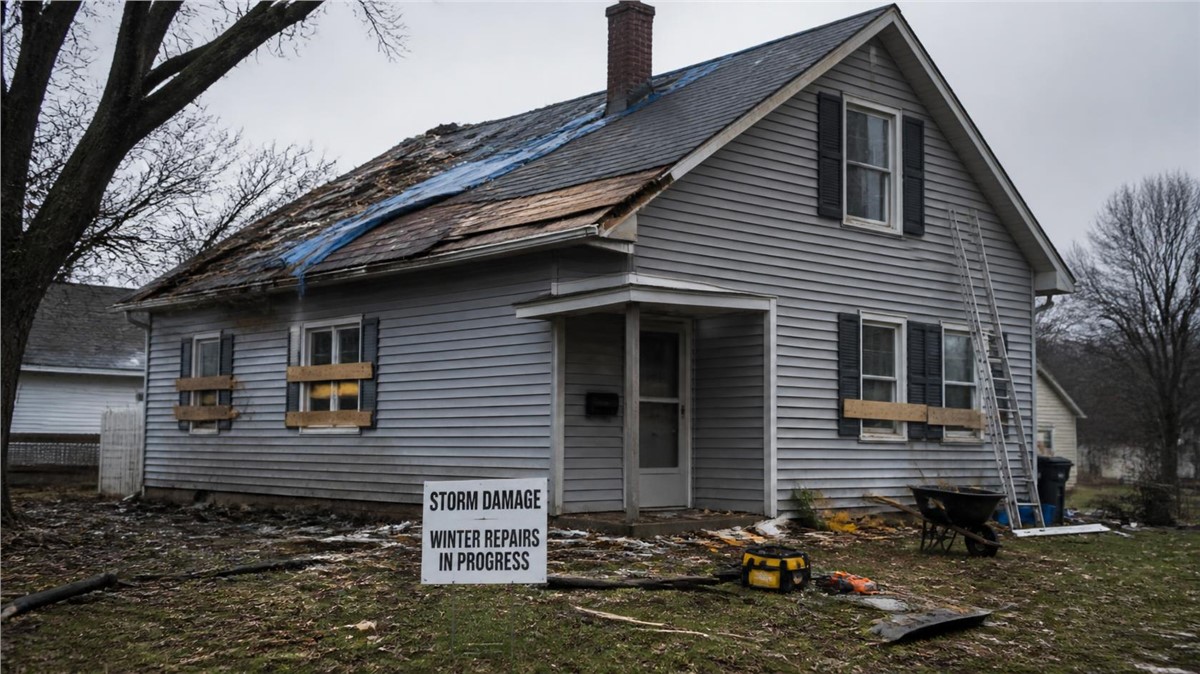
Storms can damage more than shingles. Hail, wind, and debris can damage vents, flashing, ridge areas, gutters, and roof edges.
After severe weather in Stillman Valley, check for:
- Dented roof vents
- Loose ridge caps
- Missing shingles near vents
- Damaged flashing
- Granules near downspouts
- Water stains in the attic
- Loose soffit or fascia
- Gutter damage
If vents or roof penetrations are damaged, water can enter the attic and create moisture problems.
Gutters, Soffit, and Fascia Matter Too
Roof ventilation is connected to other exterior components. Soffit vents are often part of the intake ventilation system. If soffit or fascia is damaged, blocked, or poorly ventilated, airflow may be affected.
Gutters also matter. Overflowing gutters can damage fascia and soffit, which may impact ventilation and roof edge performance.
Huskie Exteriors provides roofing, siding, window, gutter, and storm damage restoration services, helping homeowners evaluate the full exterior system.
Repair vs Replacement Considerations
Ventilation problems do not always mean the roof needs replacement. Sometimes targeted repairs or ventilation improvements may be enough.
A repair or ventilation update may make sense if:
- Vents are damaged or blocked
- Soffit vents need clearing
- One roof area has moisture concerns
- The roof is still in good condition
- Attic insulation needs adjustment
Roof replacement may be better if:
- Roofing materials are aging
- Moisture damage is widespread
- Shingles are failing
- Roof decking is damaged
- Ventilation concerns are part of a larger roof problem
- Storm damage affected multiple areas
A professional inspection can help determine the right solution.
Why Local Exterior Experience Matters
A local contractor understands how northern Illinois weather affects roofing systems. In Stillman Valley, IL, homes need roofing and ventilation that can handle heat, humidity, heavy rain, snow, ice, hail, wind, and freeze-thaw cycles.
Local experience also helps homeowners understand whether an issue is caused by ventilation, insulation, storm damage, gutters, or roofing wear.
Conclusion
Roof ventilation in Stillman Valley, IL matters because it helps control attic heat, moisture, airflow, and long-term roof performance. Poor ventilation can contribute to comfort problems, attic moisture, ice dam concerns, and premature roof wear.
If your home has attic moisture, hot upper rooms, ice buildup, roof wear, or ventilation concerns, Huskie Exteriors can inspect your roof and recommend the right next step.
Contact Huskie Exteriors for professional roofing, siding, window, gutter, and storm damage services in Illinois and Wisconsin.
Subscribe to Huskie Exteriors's Blog





Comments