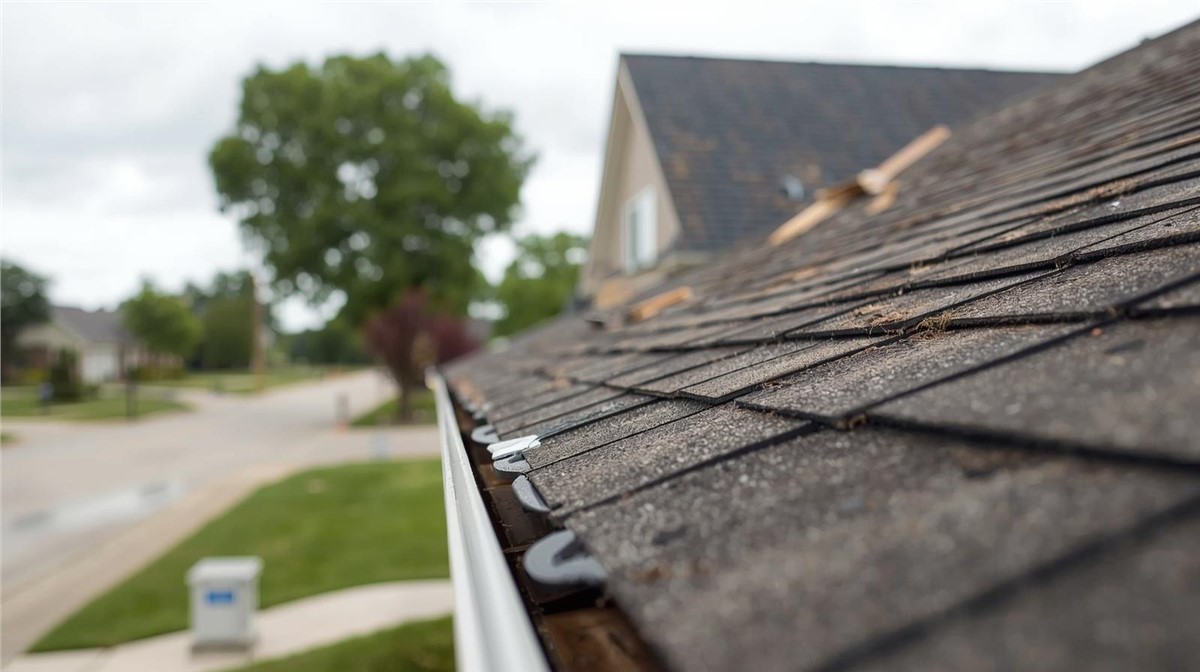
Storm damage can feel stressful, especially when you are not sure how serious the damage is. A storm may leave behind missing shingles, cracked siding, dented gutters, broken window screens, or water stains inside the home.
For homeowners in East Troy, WI, residential storm restoration is about more than fixing visible damage. It is about checking the full exterior system, identifying hidden problems, and restoring the home’s protection before the next round of Midwest weather makes things worse.
Knowing what to expect can help homeowners feel more prepared after severe weather.
Why Storm Restoration Matters in East Troy, WI
East Troy homes face a wide range of weather conditions throughout the year. Hail, wind, heavy rain, snow, ice, and freeze-thaw cycles can all affect roofing, siding, windows, gutters, trim, fascia, and soffit.
Storm damage may lead to:
- Roof leaks
- Missing or lifted shingles
- Cracked or loose siding
- Dented gutters
- Damaged window screens or trim
- Water stains on ceilings or walls
- Attic moisture
- Foundation drainage issues
- Mold or mildew concerns
- Higher repair costs if ignored
Even small damage can create bigger problems over time. A lifted shingle or cracked siding panel may allow moisture to enter during the next storm.
Step 1: Start With Safety
After a storm, check your property from the ground. Do not climb onto the roof or touch loose wires, broken branches, or unstable materials.
Look for obvious signs such as:
- Shingles in the yard
- Fallen branches
- Loose gutters
- Broken siding pieces
- Damaged window screens
- Water near doors or walkways
- Interior leaks or ceiling stains
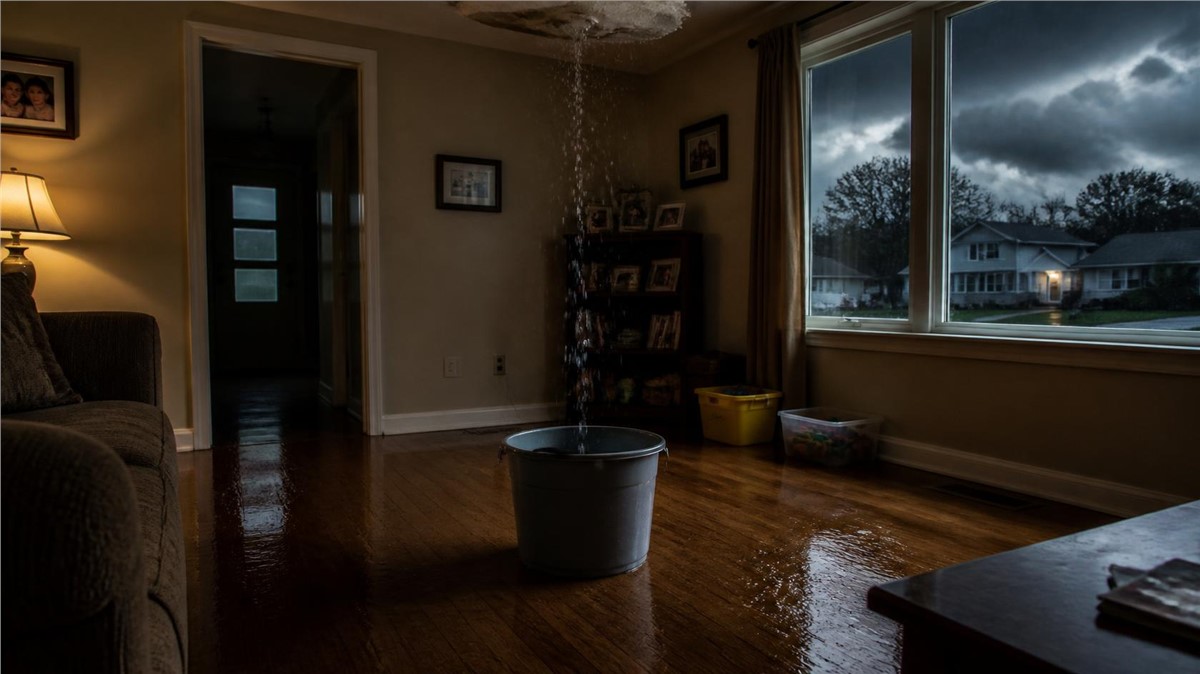
If you see active leaking, move furniture and valuables away from the area and place a container under the drip until help arrives.
Step 2: Document Visible Damage
Before cleanup begins, take photos of visible damage. Documentation can help you explain the problem clearly when contacting a contractor.
Helpful items to document include:
- Missing shingles
- Dented gutters or downspouts
- Cracked siding
- Damaged windows or screens
- Water stains indoors
- Fallen branches or debris
- Leaks during or after rain
- The date of the storm
You do not need to diagnose the damage yourself. The goal is simply to record what you can safely see.
Step 3: Schedule a Full Exterior Inspection
Storms often affect more than one part of the home. That is why a full exterior inspection is important.
A professional inspection may include:
- Roofing
- Siding
- Gutters and downspouts
- Windows and screens
- Fascia and soffit
- Flashing
- Trim
- Attic moisture signs
- Interior water stains
Hail may damage shingles, siding, gutters, and window screens in the same event. Wind may lift shingles, loosen siding, and pull downspouts away. Heavy rain may reveal leaks around roof edges, windows, or flashing.
Common Roof Damage After Storms
Your roof usually takes the most direct impact during severe weather. Some roof damage is visible from the ground, but other damage requires closer inspection.
Common signs include:
- Missing shingles
- Lifted or curled shingles
- Granule loss
- Damaged ridge caps
- Dented vents
- Loose flashing
- Leaks around chimneys or vents
- Water stains on ceilings
- Damp attic insulation
Hail damage may not create an immediate leak, but it can weaken shingles and reduce long-term protection.
Common Siding Damage After Storms
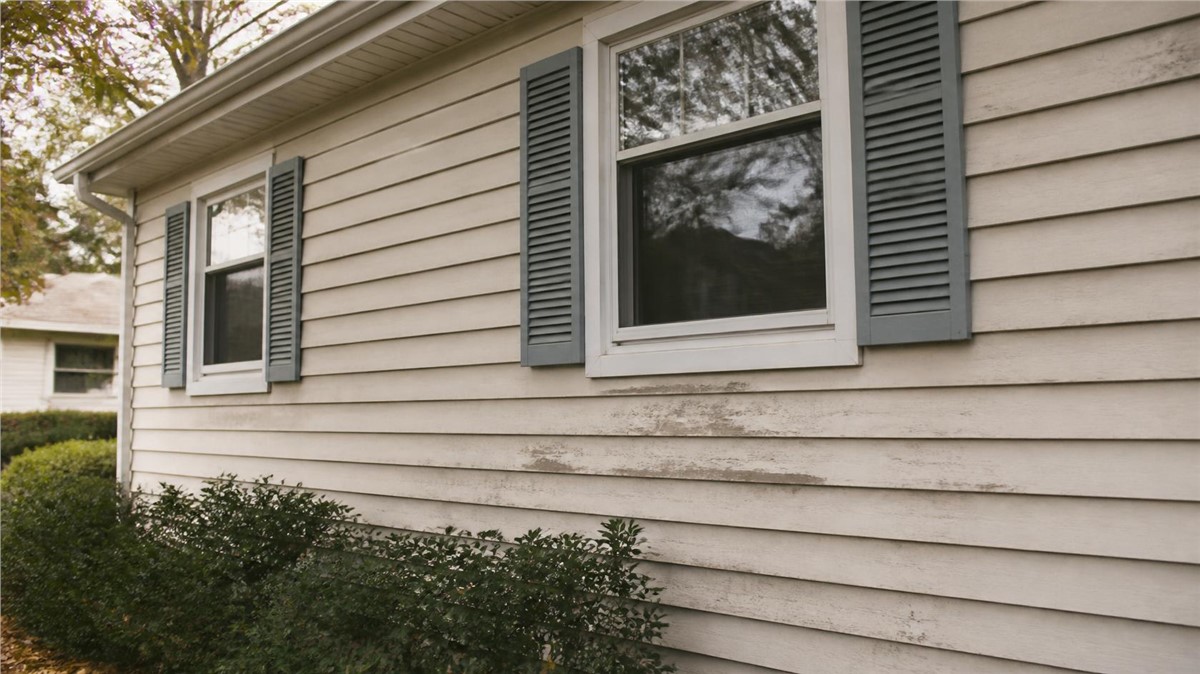
Siding protects the walls of your home from wind, water, pests, and moisture. When siding is cracked or loose, water can get behind the exterior surface.
Watch for:
- Cracked panels
- Holes or punctures
- Loose or missing siding
- Warping or buckling
- Dented trim
- Gaps around windows or doors
- Dark streaks or water stains
Wind-driven rain can push moisture into small openings, especially if siding was already aging or damaged.
Common Gutter and Window Damage
Gutters and windows are often affected during storms, too.
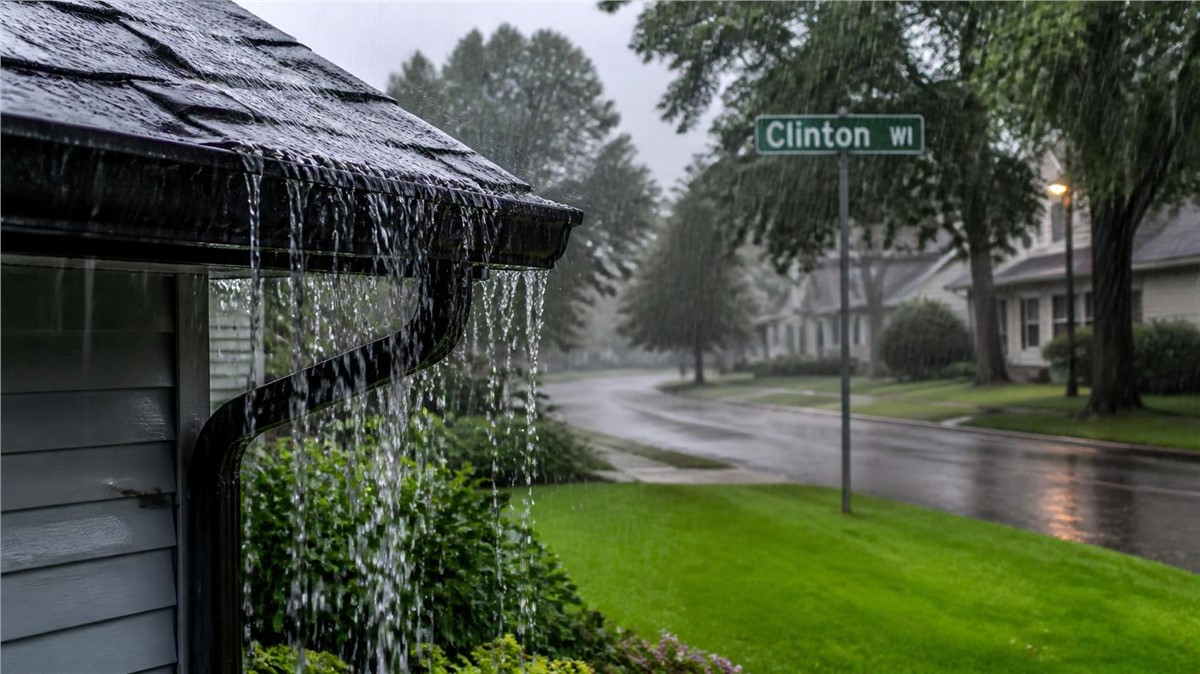
Gutter damage may include sagging sections, dents, leaking seams, clogged downspouts, or gutters pulling away from the fascia. When gutters fail, water may pool near the foundation, stain siding, or spill over walkways.
Window damage may include cracked glass, torn screens, damaged trim, failed seals, or water stains around openings. If water appears near a window, the source may also involve siding, gutters, or roof drainage.
Repair vs Replacement After Storm Damage
Not every storm-damaged area needs replacement. Some problems can be repaired if damage is limited and the surrounding materials are still in good condition.
Repair may be enough if:
- Damage is isolated
- Only a few shingles or siding panels are affected
- Gutters can be reattached
- Window screen damage is minor
- No hidden moisture damage is found
Replacement may be better if:
- Damage affects multiple areas
- Leaks keep returning
- Roofing materials are aging
- Siding is brittle, cracked, or loose across several walls
- Gutters are sagging or damaged throughout the system
- Moisture has reached decking, insulation, or wall materials
A professional inspection can help homeowners understand the best next step.
How Midwest Weather Can Make Damage Worse
East Troy weather can turn small storm damage into larger issues.
Hail
Hail can bruise shingles, crack siding, dent gutters, and damage screens or trim.
Wind
Wind can lift shingles, loosen siding, pull gutters away, and force rain into small gaps.
Heavy Rain
Heavy rain can reveal weak points around flashing, roof valleys, windows, siding seams, and gutters.
Snow, Ice, and Freeze-Thaw Cycles
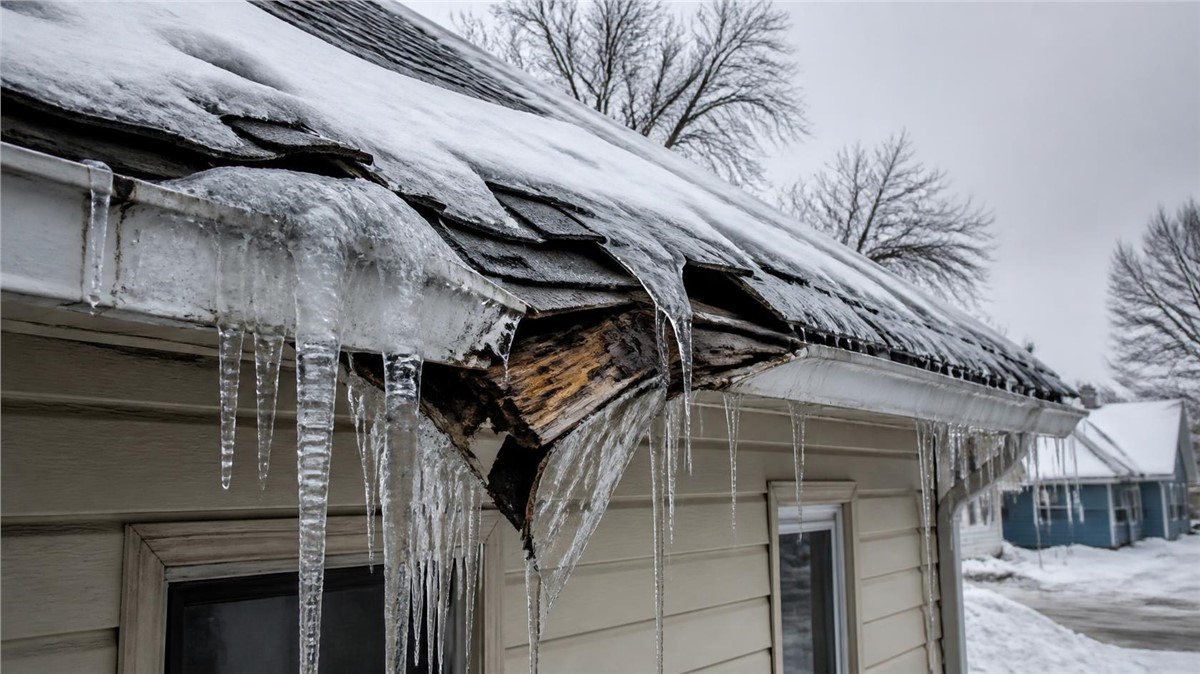
Snow and ice can add weight to roofing and gutters. Freeze-thaw cycles can expand small cracks and make damage worse over time.
What Homeowners Should Expect During the Process
A good storm restoration process should be clear and organized. Homeowners can expect an inspection, explanation of findings, repair or replacement recommendations, scheduling, cleanup, and a final review of completed work.
If multiple exterior systems are damaged, the work may need to be prioritized. Active leaks and safety concerns usually come first, followed by roofing, siding, gutters, windows, and trim repairs.
Why Local Exterior Experience Matters
A local contractor understands how Wisconsin storms affect homes. In East Troy, storm restoration often involves roofing, siding, windows, gutters, and drainage working together.
Huskie Exteriors provides roofing, siding, window, gutter, and storm damage restoration services, helping homeowners evaluate the full exterior instead of focusing on only one visible issue.
Conclusion
Residential storm restoration helps protect your home after severe weather. For East Troy, WI homeowners, the key is to check for visible damage, document concerns, and schedule a full exterior inspection before problems spread.
If your home has missing shingles, cracked siding, dented gutters, window damage, leaks, or other storm-related concerns, Huskie Exteriors can help you understand the right next step.
Contact Huskie Exteriors for professional roofing, siding, window, gutter, and storm damage services in Illinois and Wisconsin.
Subscribe to Huskie Exteriors's Blog





Comments