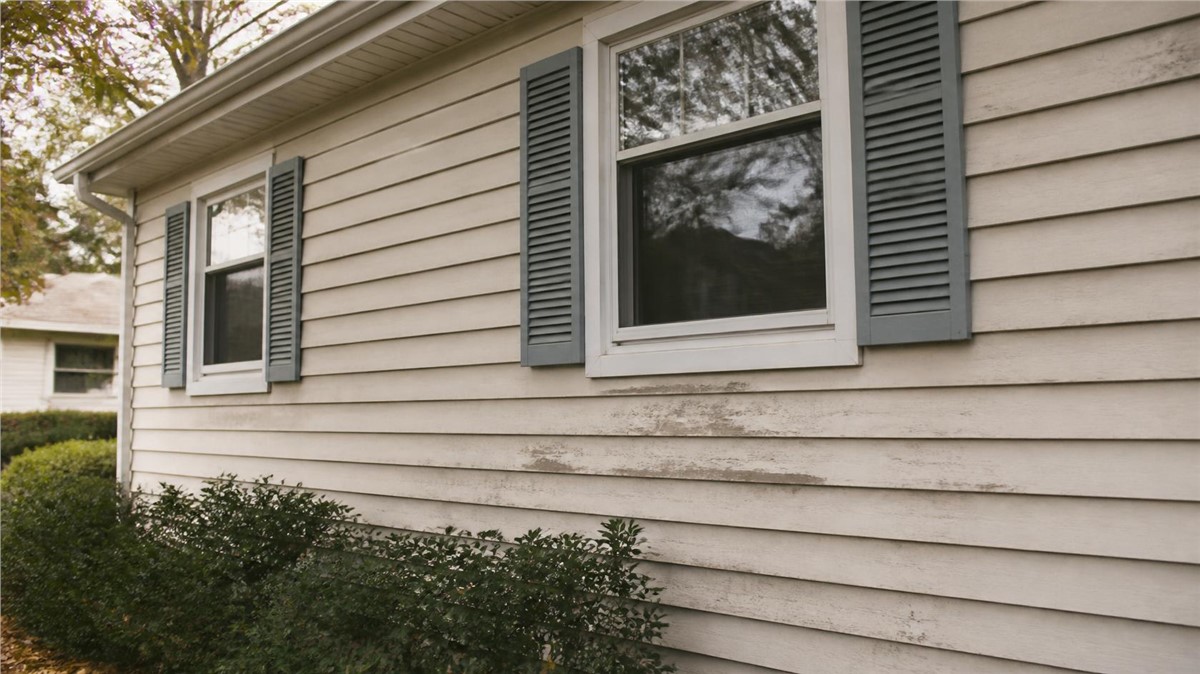
Vinyl siding is a popular choice for homeowners because it is low-maintenance, versatile, and available in many colors. Over time, though, sunlight, heat, wind, rain, snow, ice, and everyday exposure can cause siding to fade. At first, fading may only affect appearance. But in some cases, faded siding may also point to aging materials.
For homeowners in Naperville, IL, siding needs to handle Midwest weather throughout the year. Summer sun, heavy rain, hail, winter cold, snow, ice, and freeze-thaw cycles can all affect vinyl siding. Knowing when fading is just cosmetic and when it signals a bigger issue can help homeowners plan repairs or replacement at the right time.
Why Vinyl Siding Fades
Vinyl siding is exposed to the sun and weather every day. Over the years, color can slowly become lighter or uneven, especially on sides of the home that receive direct sunlight.
Fading may be caused by:
- UV exposure
- Heat
- Weathering
- Age
- Storm exposure
- Dirt buildup
- Moisture stains
- Product quality
- Uneven shade or sun exposure
Some fading is expected as siding gets older, but severe or uneven fading deserves a closer look.
When Fading Is Mostly Cosmetic
Fading does not always mean the siding has failed. If the panels are still secure, flexible, clean, and free from cracks or moisture problems, the siding may still be doing its job.
Fading may be mostly cosmetic if:
- Color change is gradual
- Panels are not cracked
- Siding is not brittle
- No water stains are present
- Trim is solid
- Panels remain flat
- No sections are loose
- Cleaning improves the appearance
In this case, homeowners may choose to live with the fading until they are ready for a larger exterior update.
When Fading May Signal Aging
Fading becomes more concerning when it appears with other signs of wear. Older siding may lose flexibility, become brittle, or start showing damage after storms or temperature changes.
Fading may signal aging if you notice:
- Chalky siding surface
- Brittle panels
- Cracks
- Warping
- Loose siding
- Gaps around trim
- Moisture stains
- Repeated storm damage
- Poor color matching from old repairs
These signs may mean the siding is nearing the end of its useful life.
Chalky Surface Texture
A chalky surface can develop as siding ages. If you rub your hand across the siding and notice powdery residue, the material may be breaking down from weather exposure.
A chalky surface may appear with:
- Severe fading
- Dull finish
- Uneven color
- Brittle panels
- Poor cleaning results
- Aging trim
- Increased cracking
Cleaning may improve surface dirt, but it will not restore siding that has already aged significantly.
Brittle or Cracked Panels
Older vinyl siding can become brittle, especially after years of sun exposure and cold weather. Once siding becomes brittle, it may crack more easily from hail, debris, ladders, or even normal expansion and contraction.
Cracked siding can allow:
- Wind-driven rain behind panels
- Moisture near wall materials
- Pest entry points
- Further cracking during freeze-thaw cycles
- Damage around windows and corners
If cracks appear in several areas, replacement may be more practical than repeated repairs.
Uneven Fading on Different Walls
It is common for one side of the home to fade faster than another. South- and west-facing walls often receive more sunlight, while shaded areas may stay darker.
Uneven fading may become a concern when:
- One wall looks much older than the rest
- Replacement panels do not match
- Repairs look patchy
- Fading affects curb appeal
- Some sections are brittle while others are not
If matching old siding is difficult, homeowners may need to compare partial replacement with full siding replacement.
Warping or Wavy Siding
Faded siding that also looks warped or wavy should be inspected. Warping may happen because of heat exposure, poor installation, trapped moisture, or aging material.
Watch for:
- Panels that no longer lie flat
- Bulging sections
- Wavy horizontal lines
- Gaps between panels
- Distortion near windows
- Loose trim
- Siding pulling away from the wall
Warped siding may allow water and air behind the exterior surface.
Loose or Rattling Siding
Vinyl siding is designed to move slightly with temperature changes, but it should not feel loose or unstable. If siding rattles in the wind or pulls away from the home, it may need repair.
Loose siding can be caused by:
- Aging fasteners
- Wind damage
- Poor installation
- Storm impact
- Brittle panels
- Trim failure
- Expansion and contraction
Loose siding should be inspected before wind pulls more panels out of place.
Moisture Stains and Mildew
Fading can sometimes appear with stains, mildew, or moisture marks. These signs may indicate gutter overflow, poor drainage, shade, or moisture behind siding.
Look for:
- Dark streaks
- Green or black buildup
- Water stains below gutters
- Stains under windows
- Soft trim
- Repeated discoloration after cleaning
- Warped panels
- Musty odors indoors
If stains return after cleaning, the source of moisture should be inspected.
Siding Around Windows and Doors
Windows and doors are common problem areas on aging exteriors. Faded siding near these openings should be checked for gaps, failed caulking, loose trim, and water stains.
Warning signs include:
- Gaps around window trim
- Cracked caulking
- Water stains below windows
- Soft trim
- Drafts
- Fogging between panes
- Loose siding near openings
- Peeling paint indoors
These areas can allow moisture into the wall if they are not properly sealed and flashed.
Gutter Problems Can Make Fading Look Worse
Gutters and downspouts affect siding appearance and performance. If gutters overflow, water can run down the siding and create streaks or stains that make the exterior look older.
Gutter problems may include:
- Clogged gutters
- Leaking seams
- Sagging sections
- Short downspouts
- Water running behind gutters
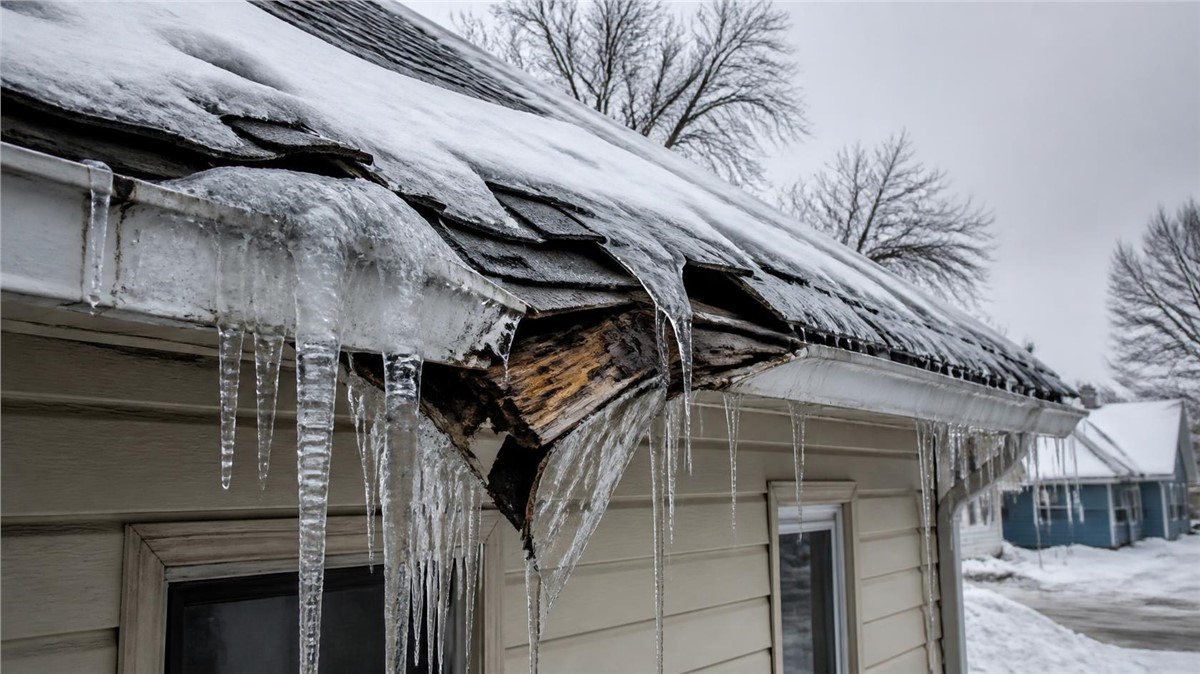
- Ice buildup near roof edges
- Stains below rooflines
- Foundation pooling
Before replacing faded siding, gutters should be inspected to make sure water is draining properly.
Storm Damage on Aging Vinyl Siding
Older vinyl siding may be more vulnerable to storm damage. Hail, wind, and flying debris can crack or loosen siding that has become brittle.
Storm-related signs include:
- Cracked panels
- Holes or punctures
- Broken corners
- Loose siding
- Dented trim
- Damage on one side of the home
- Water stains after storms
- Siding pieces in the yard
After severe weather, homeowners should inspect the full exterior, including roof, gutters, windows, fascia, soffit, and siding.
Can Faded Vinyl Siding Be Cleaned?
Sometimes faded siding looks worse because of dirt, mildew, pollen, or algae buildup. Cleaning may improve the appearance if the material itself is still in good shape.
Cleaning may help if:
- Discoloration is surface-level
- Panels are not brittle
- No cracks are present
- Stains are from dirt or mildew
- The siding still lies flat
- No hidden moisture signs exist
However, cleaning will not reverse deep fading, chalking, brittleness, or material aging.
Can Faded Siding Be Painted?
Some homeowners consider painting faded vinyl siding. This may be possible in some cases, but it is not always the best solution. The siding condition, product type, color choice, surface preparation, and manufacturer guidance all matter.
Before painting, homeowners should consider:
- Whether the siding is cracked
- Whether panels are brittle
- Whether warping is present
- Whether moisture is behind siding
- Whether paint may affect warranty coverage
- Whether replacement offers better value
Painting old siding may improve appearance, but it will not fix failing materials.
Repair vs Replacement
The right choice depends on whether the siding problem is only cosmetic or connected to performance issues.
Repair may make sense if:
- Fading is mild
- Damage is isolated
- Matching panels are available
- No hidden moisture is present
- Siding is still flexible
- Trim is in good condition
- The rest of the exterior performs well
Replacement may be better if:
- Fading is severe
- Siding is brittle
- Cracks appear throughout
- Panels are warped or loose
- Repairs would not match
- Moisture is behind the siding
- Storm damage is widespread
- The home needs an exterior update
A professional inspection can help homeowners decide what makes sense.
Benefits of Replacing Aging Vinyl Siding
Replacing old, faded siding can improve both appearance and protection. It also gives homeowners the chance to update colors, trim, insulation options, and exterior details.
Replacement benefits may include:
- Improved curb appeal
- Better weather protection
- Cleaner exterior appearance
- Reduced maintenance concerns
- Better material consistency
- Opportunity to inspect hidden damage
- Improved trim and flashing details
- Updated color and style
A siding replacement project can make the home look newer while helping protect the wall system.
Siding Material Options to Compare
If replacement is needed, homeowners can compare several siding options based on budget, appearance, maintenance, and weather performance.
Common options include:
- Vinyl siding
- Insulated vinyl siding
- Fiber cement siding
- Engineered wood siding
- Composite siding
- Metal siding
- Shake or board-and-batten accents
The best option depends on the home’s condition, neighborhood style, and homeowner goals.
What Should Be Included in a Siding Inspection?
A siding inspection should look beyond color fading. The contractor should check whether the siding is still protecting the home properly.
A siding inspection may include:
- Panel condition
- Fading and chalking
- Cracks
- Warping
- Loose sections
- Trim and corners
- Window and door areas
- Flashing
- Gutters and downspouts
- Moisture signs
- Storm damage areas
This helps determine whether fading is cosmetic or part of a larger aging issue.
Why a Full Exterior Inspection Helps
Siding works with the full exterior system. Roofing, gutters, windows, fascia, soffit, flashing, trim, and drainage all affect how the home handles weather.
A full exterior inspection may include:
- Siding
- Roofing and roof edges
- Gutters and downspouts
- Windows and trim
- Flashing
- Fascia and soffit
- Interior moisture signs
- Storm damage areas
- Foundation drainage
Huskie Exteriors provides roofing, siding, window, gutter, and storm damage restoration services, helping homeowners evaluate the full exterior system before deciding on siding repair or replacement.
Why Local Exterior Experience Matters
A local contractor understands how Illinois weather affects vinyl siding. In Naperville, IL, homes face sun exposure, wind, hail, heavy rain, snow, ice, humidity, and freeze-thaw cycles.
Local experience helps homeowners determine whether faded siding is only cosmetic or connected to age, storm damage, moisture problems, poor drainage, brittle panels, failed flashing, or worn trim.
Conclusion
Faded vinyl siding in Naperville, IL may be a normal sign of weather exposure, but it can also signal aging when it appears with chalking, cracking, brittleness, warping, loose panels, moisture stains, or storm damage. Homeowners should look beyond color and evaluate whether the siding is still protecting the home properly.
If your vinyl siding is faded, cracked, loose, warped, storm-damaged, moisture-affected, or no longer improving your home’s appearance, Huskie Exteriors can inspect your exterior and recommend the right next step.
Contact Huskie Exteriors for professional roofing, siding, window, gutter, and storm damage services in Illinois and Wisconsin.
Subscribe to Huskie Exteriors's Blog




Comments