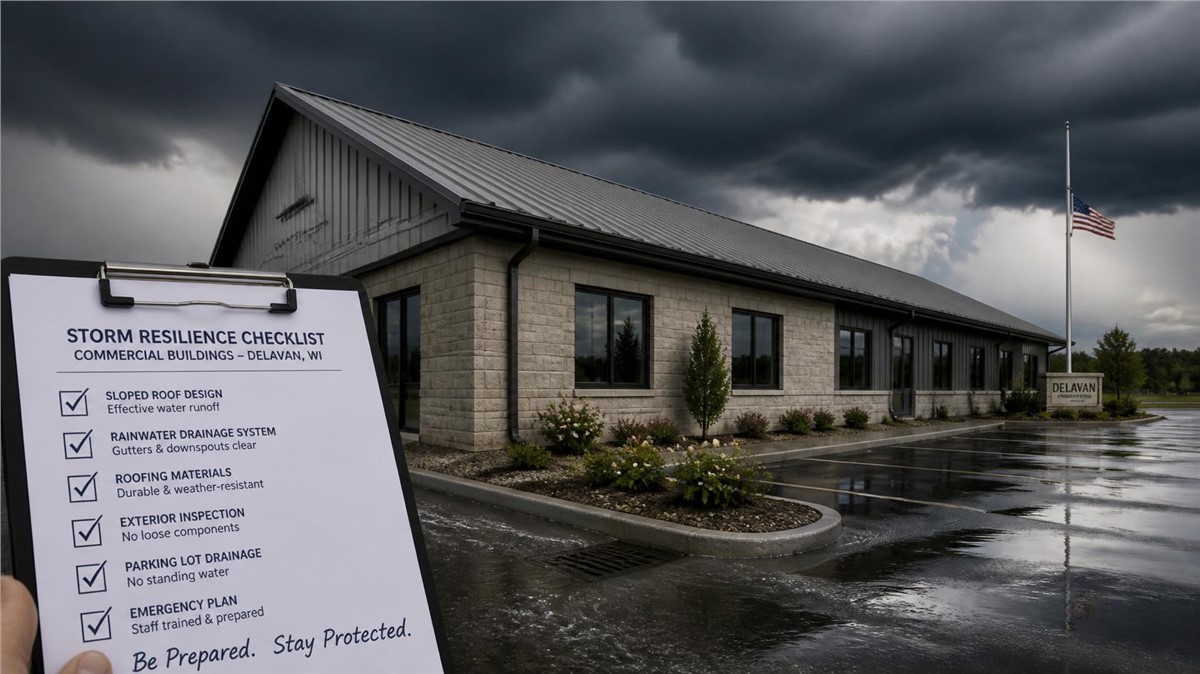
Commercial buildings need more than routine maintenance to stay protected during severe weather. A storm can affect the roof, siding, gutters, windows, doors, drainage, rooftop equipment, walkways, loading areas, and interior spaces. If small exterior issues are missed, they can quickly become leaks, safety concerns, tenant complaints, or costly repairs.
For commercial properties in Delavan, WI, storm preparedness is especially important because local buildings face heavy rain, wind, hail, snow, ice, humidity, and freeze-thaw cycles. Preparing the exterior before severe weather helps protect the building envelope and reduce disruption.
This checklist explains what commercial property owners and managers should review before storms.
Why Storm Preparedness Matters for Commercial Buildings
Commercial buildings often have larger roof areas, more drainage points, more exterior penetrations, and more people relying on the property each day. A small leak or drainage issue can affect offices, retail spaces, warehouses, inventory, equipment, tenants, employees, and customers.
Storm preparedness can help reduce:
- Interior leaks
- Wet insulation
- Damaged inventory
- Tenant complaints
- Slip hazards
- Water near entrances
- Siding damage
- Window leaks
- Emergency repair needs
- Business interruption
A planned inspection is usually better than reacting during an active storm.
Checklist Item 1: Inspect the Roof Surface
The roof is one of the most important areas to check before severe weather. Commercial roofs may include flat, low-slope, metal, or shingle roof sections depending on the building.
Check for:
- Open seams
- Loose materials
- Cracks or punctures
- Blisters
- Missing shingles
- Damaged membrane areas
- Soft spots
- Previous repair patches
- Debris buildup
Any visible roof issue should be inspected before heavy rain or wind makes it worse.
Checklist Item 2: Check Roof Drains and Scuppers
Flat and low-slope commercial roofs depend on drainage. If drains or scuppers are clogged, water may pond on the roof and increase leak risks.
Review:
- Debris around drains
- Blocked scuppers
- Slow-draining areas
- Loose drain parts
- Water stains near drainage points
- Ice buildup from previous winters
- Overflow areas
- Standing water after rain
Good roof drainage is critical before storms arrive.
Checklist Item 3: Review Gutters and Downspouts
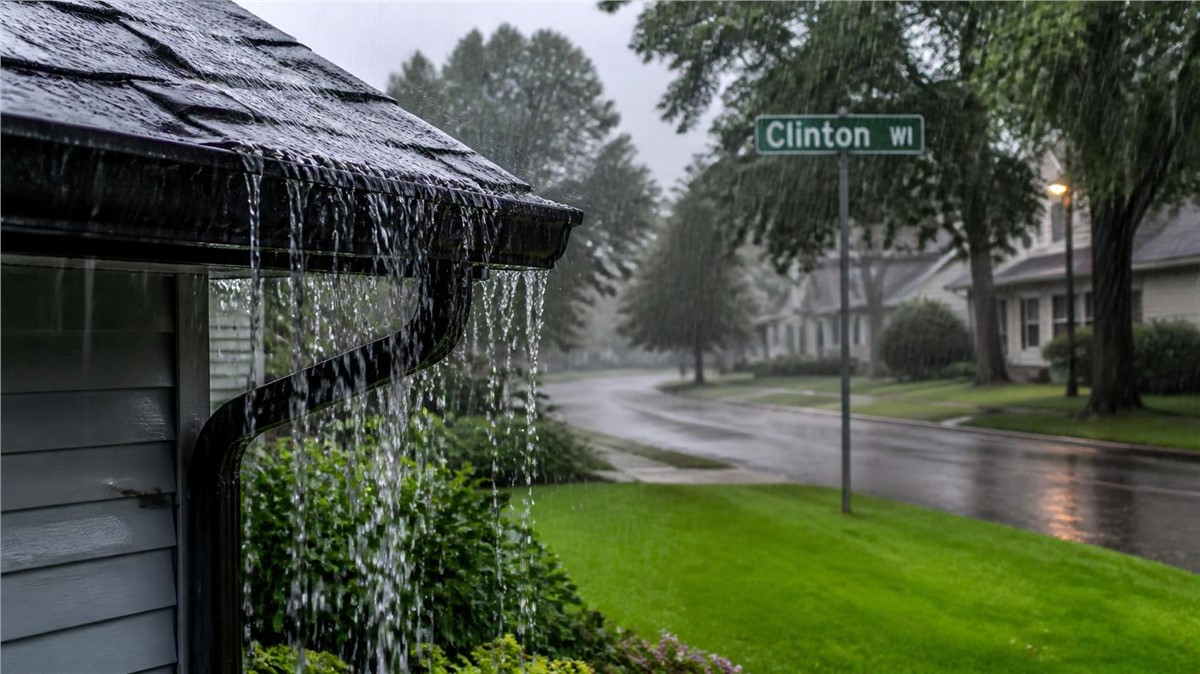
Commercial gutters and downspouts move water away from roof edges, siding, entrances, foundations, and walkways. If they fail, stormwater may create damage or safety issues.
Look for:
- Clogged gutters
- Leaking seams
- Sagging sections
- Loose downspouts
- Water behind gutters
- Dented sections
- Short extensions
- Poor discharge locations
Downspouts should direct water away from the building, not toward entrances, parking areas, foundations, or neighboring structures.
Checklist Item 4: Inspect Flashing
Flashing protects areas where water is more likely to enter. Storms often expose flashing problems around roof edges, walls, vents, curbs, and equipment.
Important flashing areas include:
- Roof-to-wall transitions
- Parapet walls
- HVAC curbs
- Chimneys
- Skylights
- Pipe penetrations
- Roof edges
- Door thresholds near roof access points
Loose flashing, cracked sealant, rust, or open gaps should be repaired before severe weather.
Checklist Item 5: Check Rooftop Equipment
Many commercial buildings have HVAC units, vents, exhaust fans, pipes, and other equipment on the roof. These areas create openings that must remain sealed.
Inspect around:
- HVAC curbs
- Pipe boots
- Exhaust vents
- Condensate lines
- Roof hatches
- Conduit penetrations
- Equipment supports
- Service platforms
Leaks often start near rooftop equipment, especially after wind-driven rain or freeze-thaw movement.
Checklist Item 6: Look for Ponding Water Areas
Ponding water can weaken commercial roof systems over time. If water sits in the same area after rain, the roof may have drainage, slope, or insulation problems.
Ponding water may lead to:
- Membrane wear
- Open seams
- Wet insulation
- Roof surface deterioration
- Algae or debris buildup
- Added weight
- Interior leaks
Ponding should be addressed before heavy rain or winter freezing conditions.
Checklist Item 7: Inspect Siding and Wall Panels
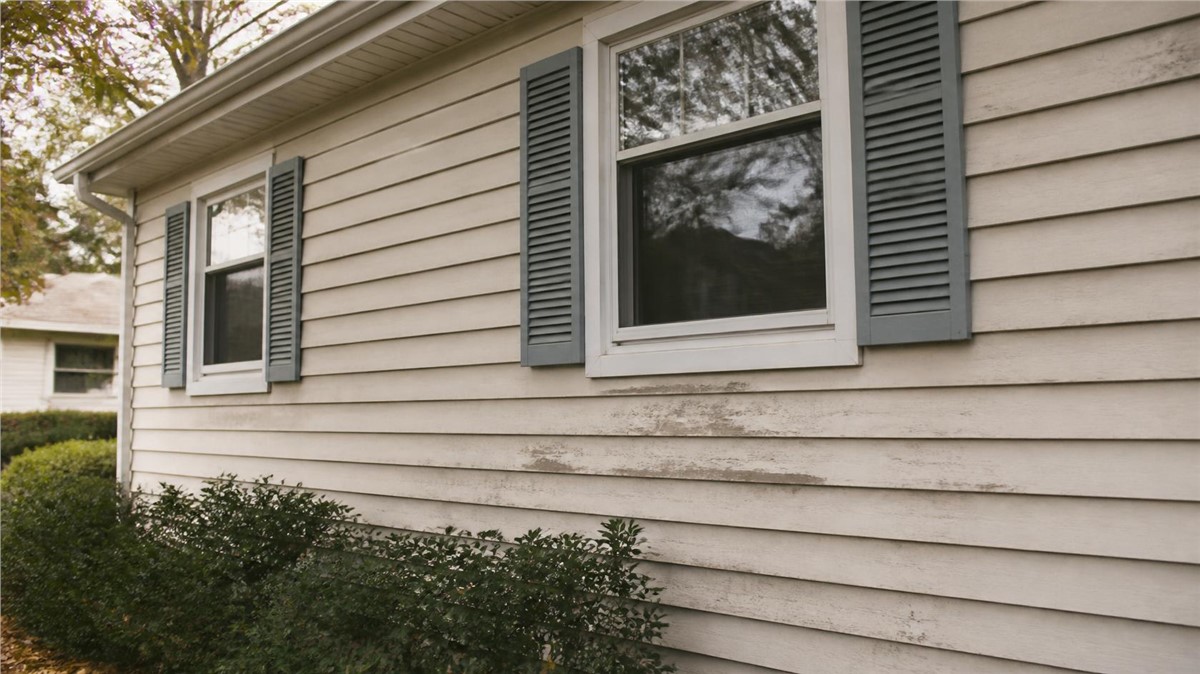
Siding and wall panels protect the building envelope from wind, rain, debris, and moisture. If panels are loose or damaged, water can enter behind the exterior surface.
Check for:
- Cracked siding
- Loose panels
- Open seams
- Warped sections
- Impact dents
- Rust or corrosion
- Damaged trim
- Water stains
- Gaps around openings
Storm-driven rain can enter through small exterior gaps.
Checklist Item 8: Check Windows and Doors
Windows and doors are common water entry points during storms. Commercial buildings may have large window areas, tenant entrances, service doors, overhead doors, or storefront systems.
Look for:
- Cracked glass
- Failed seals
- Fogging between panes
- Loose trim
- Failed caulking
- Water stains below windows
- Drafts
- Damaged door thresholds
- Gaps around frames
If water has entered around windows or doors before, those areas should be inspected before the next storm.
Checklist Item 9: Review Fascia and Soffit
Fascia and soffit areas help finish roof edges and support drainage systems. If they are damaged, water may enter near the roofline.
Warning signs include:
- Soft fascia
- Loose soffit panels
- Peeling paint
- Water stains
- Gaps near roof edges
- Pest entry points
- Sagging gutters
- Damaged ventilation areas
These areas should be repaired before wind, rain, snow, or ice make damage worse.
Checklist Item 10: Clear Exterior Debris
Loose debris can block drainage or become wind-blown during storms. Commercial properties should be checked for objects that may damage the building exterior.
Remove or secure:
- Branches near the roof
- Debris in gutters
- Loose signs
- Outdoor furniture
- Trash containers
- Equipment near entrances
- Loose materials near loading areas
- Debris around drains
Keeping the site clear helps reduce impact damage and drainage problems.
Checklist Item 11: Check Drainage Around the Building
Stormwater should move away from the building. Poor site drainage can lead to foundation moisture, basement water, walkway hazards, and erosion.
Check for:
- Water pooling near foundations
- Low spots near entrances
- Clogged exterior drains
- Soil erosion
- Downspouts draining too close
- Water flowing toward doors
- Flood-prone loading areas
- Ice-prone walkways in winter
Drainage problems should be addressed before heavy rain becomes an emergency.
Checklist Item 12: Inspect Loading Areas and Service Entrances
Loading docks, overhead doors, side entrances, and service areas often experience more wear than other areas of a commercial building.
Check for:
- Damaged siding near doors
- Loose trim
- Gaps around overhead doors
- Water pooling near loading areas
- Damaged door seals
- Impact dents
- Rusted metal panels
- Poor drainage near docks
These areas should stay safe and accessible during and after storms.
Checklist Item 13: Review Interior Warning Signs
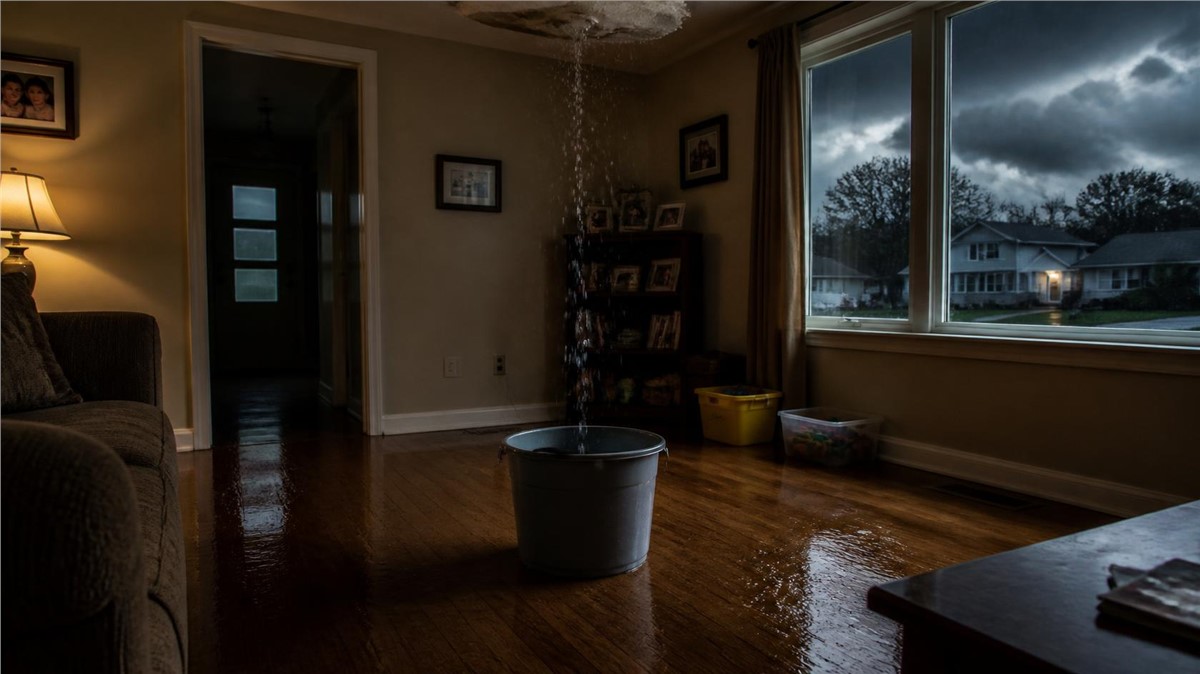
Interior clues can reveal exterior problems before they become obvious outside. Property managers should walk through the building and check for moisture signs.
Look for:
- Ceiling stains
- Damp walls
- Stained ceiling tiles
- Musty odors
- Water near windows
- Wet insulation
- Bubbling paint
- Moisture near exterior walls
- Leaks near rooftop equipment
Interior moisture should be documented and traced to the source.
Checklist Item 14: Document Existing Damage
Before storm season or severe weather, document the building’s condition. Good records help property managers compare before-and-after conditions if a storm causes damage.
Helpful documentation includes:
- Roof photos
- Gutter and downspout photos
- Siding damage photos
- Window and door notes
- Drainage concerns
- Interior moisture records
- Previous repair history
- Contractor inspection findings
This documentation can also help if insurance is involved after storm damage.
Checklist Item 15: Create a Storm Response Plan
Commercial properties should have a basic storm response plan. This helps staff or tenants know what to do if damage occurs.
A storm response plan may include:
- Emergency contact list
- Contractor contact information
- Insurance provider information
- Shutoff locations if needed
- Interior leak response steps
- Tenant communication process
- Photo documentation process
- Temporary protection plan
Clear planning can reduce confusion during a stressful situation.
What to Do After a Storm
After severe weather passes, inspect the property safely. Do not send staff onto roofs or ladders in unsafe conditions.
After a storm, check for:
- Active leaks
- Roof debris
- Gutter overflow
- Loose siding
- Broken windows
- Water near entrances
- Damaged downspouts
- Interior stains
- Ponding water
- Loose exterior materials
Take photos and schedule a professional inspection if damage is visible or suspected.
Repair vs Replacement
Storm preparedness may reveal issues that need repair or replacement. The right choice depends on damage severity, material age, moisture concerns, and overall exterior condition.
Repair may make sense if:
- Damage is isolated
- One flashing area failed
- One gutter section is loose
- Siding damage is limited
- Windows only need sealing
- No widespread moisture is found
Replacement may be better if:
- Roof leaks keep returning
- Siding damage is widespread
- Gutters are failing in several areas
- Windows are old or leaking
- Moisture has affected underlying materials
- Repairs no longer last
- Storm damage affects multiple systems
A professional inspection can help property owners determine the right scope.
Insurance Considerations
If storm damage may be involved, commercial property owners should contact their insurance provider to understand coverage, deductibles, deadlines, documentation requirements, and claim steps.
Helpful records may include:
- Storm date notes
- Exterior damage photos
- Interior leak photos
- Contractor inspection findings
- Temporary repair receipts
- Maintenance records
- Repair estimates
Every policy is different, so claim guidance should come directly from the insurance provider.
What Should Be Included in a Commercial Exterior Inspection?
A commercial exterior inspection should review all major systems that protect the building envelope.
A contractor may check:
- Roofing
- Roof drains and scuppers
- Gutters and downspouts
- Siding or wall panels
- Windows and doors
- Flashing
- Fascia and soffit
- Rooftop equipment
- Interior moisture signs
- Site drainage
- Storm damage areas
The goal is to identify weak points before severe weather creates larger damage.
Why a Full Exterior Inspection Helps
Storm preparedness works best when the full exterior system is evaluated. Roofing, siding, gutters, windows, doors, flashing, fascia, soffit, trim, and drainage all work together to keep water out.
A full exterior inspection may include:
- Commercial roofing
- Siding and wall panels
- Gutters and downspouts
- Windows and doors
- Roof edges
- Flashing and trim
- Rooftop equipment
- Interior moisture signs
- Parking and drainage areas
Huskie Exteriors provides roofing, siding, window, gutter, and storm damage restoration services, helping commercial property owners evaluate the full exterior system before and after severe weather.
Why Local Exterior Experience Matters
A local contractor understands how Wisconsin weather affects commercial buildings. In Delavan, WI, properties need exterior systems that can handle heavy rain, wind, hail, snow, ice, humidity, and freeze-thaw cycles.
Local experience helps property owners identify whether exterior issues are caused by storm damage, aging materials, poor drainage, roof leaks, flashing failure, siding wear, gutter problems, or window leaks.
Conclusion
Storm preparedness for commercial buildings in Delavan, WI should include checking roofing, roof drains, gutters, downspouts, siding, windows, doors, flashing, fascia, soffit, rooftop equipment, site drainage, and interior moisture signs. A clear exterior checklist helps protect the building envelope and reduce disruption when severe weather arrives.
If your commercial building has roof concerns, gutter problems, siding damage, window leaks, drainage issues, storm damage, or exterior wear, Huskie Exteriors can inspect the property and recommend the right next step.
Contact Huskie Exteriors for professional roofing, siding, window, gutter, and storm damage services in Illinois and Wisconsin.
Subscribe to Huskie Exteriors's Blog





Comments