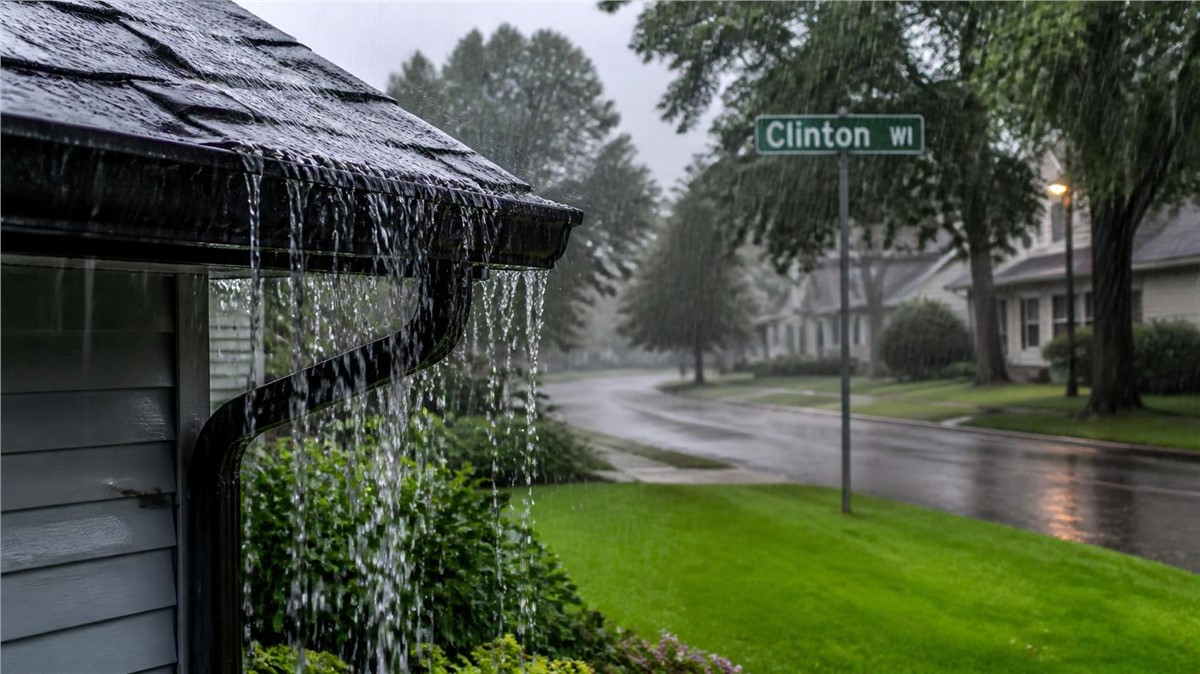
Gutters are designed to catch water from the roof and direct it safely away from the home. When water spills over the front of the gutter, the problem is usually easy to see. But when water overflows behind the gutter, the issue may be more serious because water can run directly against fascia boards, soffit areas, siding, trim, and wall materials.
For homeowners in Clinton, WI, proper gutter drainage matters throughout the year. Heavy rain, snow, ice, wind, freeze-thaw cycles, and seasonal debris can all affect how well gutters perform. If water is getting behind your gutters, it is important to find out why before it leads to moisture damage.
This guide explains what water overflowing behind gutters may mean, what warning signs to watch for, and what repair options may make sense.
What Does It Mean When Water Flows Behind Gutters?
Water flowing behind gutters means rainwater is not entering or staying inside the gutter channel as intended. Instead, water is moving between the gutter and the fascia or roof edge.
This may happen because of:
- Gutters pulling away from the home
- Missing drip edge
- Damaged drip edge
- Poor gutter placement
- Clogged gutters
- Blocked downspouts
- Incorrect gutter pitch
- Roof edge damage
- Fascia deterioration
- Ice or storm damage
Even if the gutter looks mostly fine from the ground, water behind it can point to a hidden installation or drainage issue.
Why This Problem Should Not Be Ignored
Water behind gutters can affect several parts of the home. Instead of being carried away through the downspouts, water may soak into areas that are not designed for repeated moisture exposure.
Over time, this can lead to:
- Fascia damage
- Soffit damage
- Siding stains
- Moisture behind siding
- Window trim damage
- Roof edge deterioration
- Foundation pooling
- Basement moisture
- Mold or mildew concerns
- Landscape erosion
A small gutter issue can become a larger exterior repair if it continues through multiple storms.
Common Cause 1: Clogged Gutters
Clogs are one of the most common reasons gutters overflow. When leaves, twigs, shingle granules, dirt, or roof debris fill the gutter, water cannot move freely.
Signs of clogged gutters include:
- Overflow during rain
- Debris visible in the gutter
- Water spilling behind or over the gutter
- Downspouts releasing little water
- Plants growing in gutters
- Granules near downspout exits
- Stains below the roofline
If clogs are the only problem, cleaning may restore proper flow. However, repeated clogs may point to nearby trees, gutter guard issues, or poor drainage design.
Common Cause 2: Blocked Downspouts
Even if the gutter channel is clear, water can back up if the downspout is blocked. Downspout clogs often happen at elbows, underground extensions, or narrow outlet areas.
Blocked downspouts may cause:
- Water backing up into gutters
- Overflow behind the gutter
- Water spilling at corners
- Slow drainage after rain
- Splashing near the foundation
- Ice buildup in winter
- Soil erosion below downspouts
Downspouts should move water away from the house, not simply release it near the foundation.
Common Cause 3: Gutters Pulling Away from Fascia
If gutters pull away from the fascia, water may slip behind them instead of entering the channel. This can happen when hangers loosen, fascia becomes soft, or heavy rain, snow, ice, or debris stresses the system.
Warning signs include:
- Gaps between the gutter and fascia
- Sagging gutter sections
- Loose fasteners
- Water dripping behind gutters
- Gutters moving during wind
- Uneven gutter lines
- Stains on fascia or siding
Loose gutters should be repaired before more weight or weather pulls them farther out of position.
Common Cause 4: Poor Gutter Pitch
Gutters need the right slope to carry water toward downspouts. If the pitch is wrong, water can sit in the gutter, spill over, or flow toward the wrong area.
Poor pitch may cause:
- Standing water
- Overflow near the middle of a gutter run
- Overflow behind the gutter
- Slow drainage
- Sagging sections
- Ice buildup during winter
- Repeated staining below one area
A contractor can check whether the gutter needs adjustment or reinstallation.
Common Cause 5: Missing or Damaged Drip Edge
Drip edge is a metal flashing installed along roof edges to help direct water away from the roof deck and into the gutter. If the drip edge is missing, damaged, or not positioned correctly, water may run behind the gutter.
Drip edge concerns may include:
- Water behind gutters
- Fascia staining
- Roof edge moisture
- Soft fascia boards
- Water stains under eaves
- Gutter overflow even when clean
- Damage near roof edges
If water is bypassing the gutter completely, the roof edge and drip edge should be inspected.
Common Cause 6: Fascia Damage
Fascia boards support the gutter system and help protect the roof edge. If fascia becomes soft, rotted, warped, or damaged, gutters may loosen and allow water behind them.
Fascia damage may appear as:
- Peeling paint
- Soft wood
- Dark stains
- Sagging gutters
- Loose fasteners
- Gaps behind gutters
- Water stains below the roofline
- Pest entry points
If fascia is damaged, the gutter may need to be removed so the fascia can be repaired before reattachment.
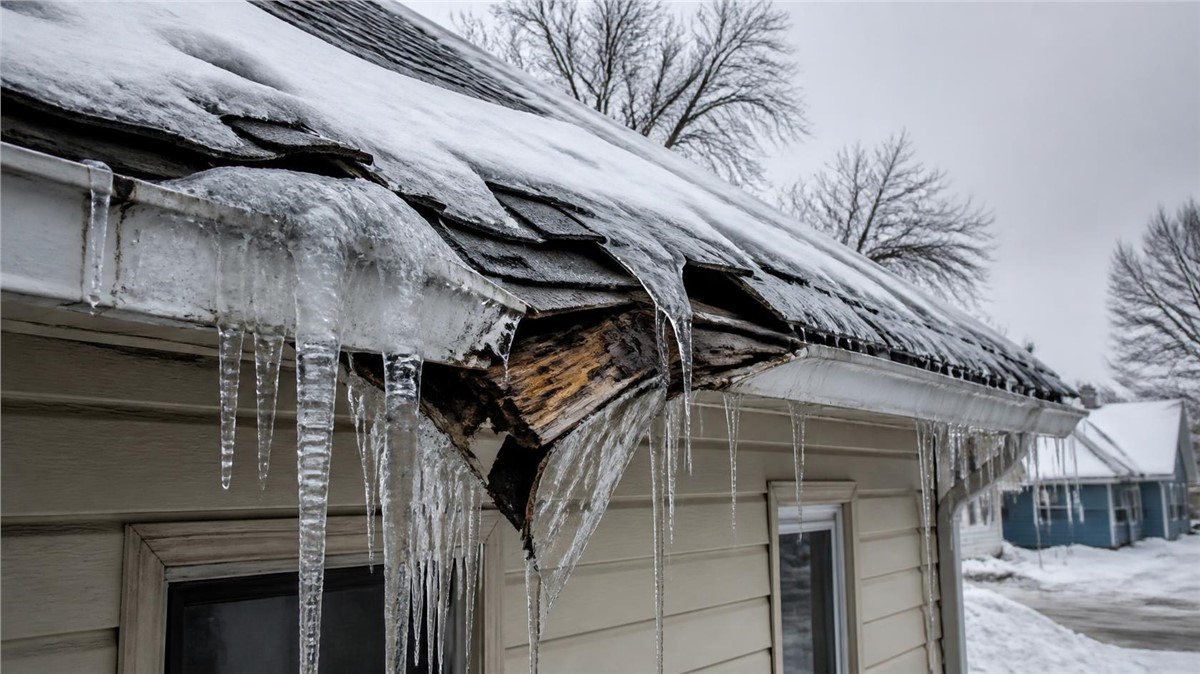
Common Cause 7: Ice Damage
Clinton winters can bring snow, ice, and freeze-thaw cycles. When ice builds up in gutters or downspouts, it can add weight and pull gutters away from the home.
Ice damage may cause:
- Bent gutters
- Loose hangers
- Separated seams
- Frozen downspouts
- Water backing up at roof edges
- Large icicles
- Fascia damage
- Ice dams
If gutter overflow happens after winter, ice damage may be part of the problem.
Common Cause 8: Undersized Gutters
In some cases, gutters may be too small for the amount of water coming off the roof. This can happen on large roof sections, steep rooflines, long gutter runs, or areas where valleys send a lot of water into one section.
Undersized gutters may cause:
- Overflow during heavy rain
- Water spilling behind gutters
- Downspouts overwhelmed by runoff
- Repeated erosion below rooflines
- Water pooling near the foundation
- Frequent gutter strain
A contractor can review whether the gutter size and downspout placement are appropriate for the home.
Warning Signs Around the Home
Water overflowing behind gutters may show up in several places, not just at the roofline.
Homeowners should look for:
- Water stains on fascia
- Dark streaks on siding
- Peeling paint near gutters
- Soft soffit areas
- Water below windows
- Mulch washout
- Soil erosion
- Foundation pooling
- Basement dampness
- Icicles near gutter lines
These signs can help identify where the gutter system is failing.
How It Can Affect Siding
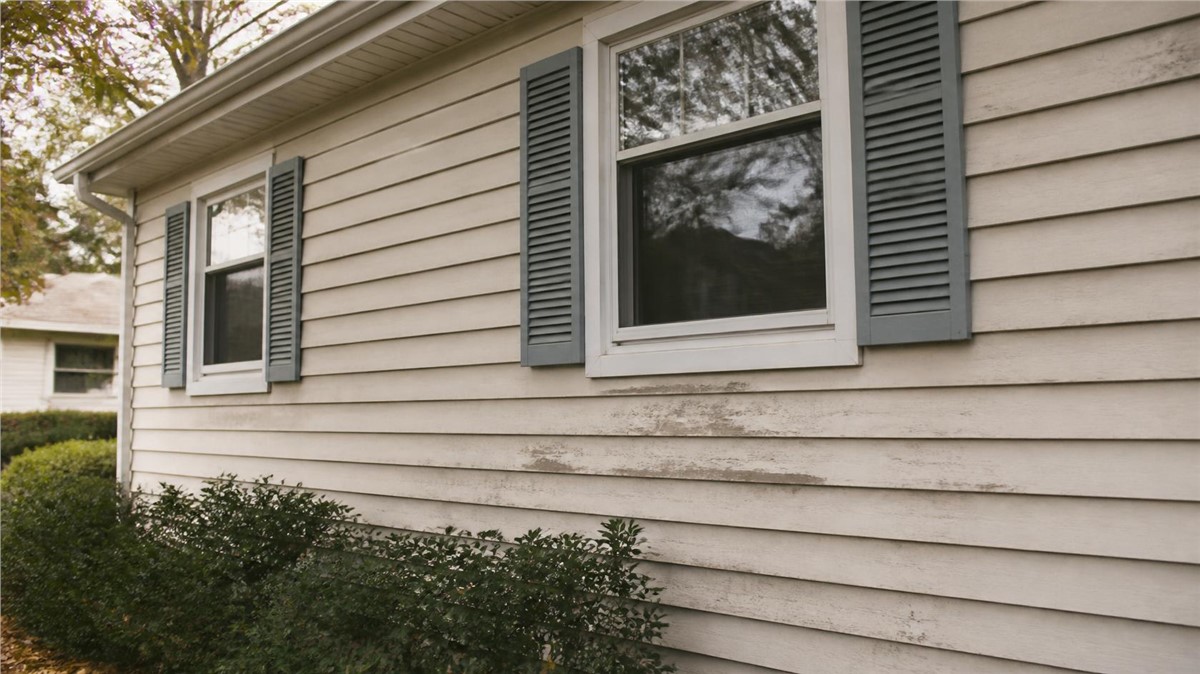
When water runs behind gutters, it may travel down the siding. Over time, this can cause stains, mildew, loose panels, or moisture behind the siding.
Siding warning signs include:
- Green or black buildup
- Water streaks
- Warped siding
- Loose siding panels
- Soft trim
- Stains below roof edges
- Moisture near windows
- Peeling paint indoors
If siding damage appears below gutter lines, the gutter system should be checked before siding repairs are made.
How It Can Affect the Roof Edge
Water behind gutters can damage the roof edge if it reaches under shingles, drip edge, or fascia areas.
Roof edge concerns may include:
- Soft decking near the edge
- Damaged drip edge
- Lifted shingles
- Water stains under eaves
- Ice buildup in winter
- Fascia deterioration
- Soffit moisture
- Leaks near exterior walls
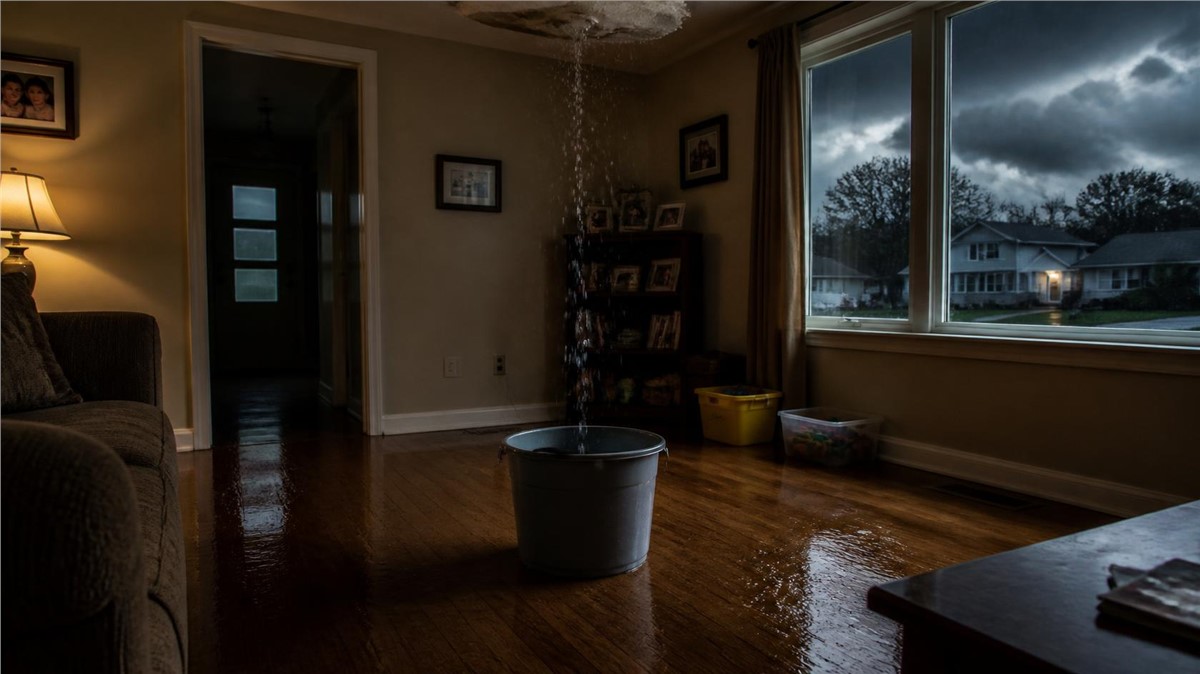
Roof edge problems should be inspected before they lead to interior water damage.
How It Can Affect the Foundation
Gutters are meant to move water away from the home. When water overflows behind gutters and falls near the foundation, it may increase moisture problems around the base of the home.
Foundation-related concerns include:
- Water pooling near walls
- Soil erosion
- Damp basement walls
- Musty odors
- Water near basement windows
- Efflorescence on masonry
- Landscape washout
- Cracks exposed by erosion
Downspout extensions and proper drainage are important parts of gutter maintenance.
What Homeowners Can Check Safely
Homeowners can do a basic visual check from the ground during or after rain. Avoid climbing ladders or walking on the roof in wet conditions.
Safely check for:
- Water spilling behind gutters
- Gaps between gutter and fascia
- Sagging sections
- Downspouts releasing water
- Stains below roof edges
- Water pooling near the home
- Loose downspout extensions
- Visible debris in gutters
Take photos if you notice water overflowing or staining.
When Cleaning May Be Enough
Sometimes the issue is simply a clog. If debris is blocking the gutter or downspout, cleaning may restore proper flow.
Cleaning may help if:
- Gutters are full of leaves
- Downspouts are blocked
- Water backs up only during rain
- Gutters are still securely attached
- Fascia looks solid
- No drip edge issue is present
- Gutter pitch appears correct
If overflow continues after cleaning, another problem likely needs repair.
When Repair May Be Needed
Gutter repair may be needed when the system is still in decent condition but one or more parts are failing.
Repair options may include:
- Reattaching loose gutters
- Replacing hangers
- Resealing seams
- Correcting gutter pitch
- Clearing downspouts
- Replacing damaged elbows
- Repairing fascia
- Adjusting downspout extensions
- Fixing drip edge issues
Repair should focus on the cause, not only the visible overflow.
When Replacement May Be Better
Gutter replacement may be the better option if the system is old, damaged, undersized, or repeatedly failing.
Replacement may make sense if:
- Gutters sag in several areas
- Seams leak repeatedly
- Water keeps running behind gutters
- Fascia has been damaged
- Gutters are bent or warped
- Downspouts are poorly placed
- The system cannot handle heavy rain
- Repairs no longer last
A professional inspection can help compare repair and replacement options.
What Should Be Included in a Gutter Inspection?
A gutter inspection should review the full water path from roof edge to ground drainage.
A contractor may check:
- Gutter clogs
- Gutter pitch
- Gutter attachment
- Seams and corners
- Downspouts
- Downspout extensions
- Fascia and soffit
- Drip edge
- Roof edges
- Siding stains
- Foundation drainage
- Storm or ice damage
This helps determine why water is going behind the gutter instead of into it.
Why a Full Exterior Inspection Helps
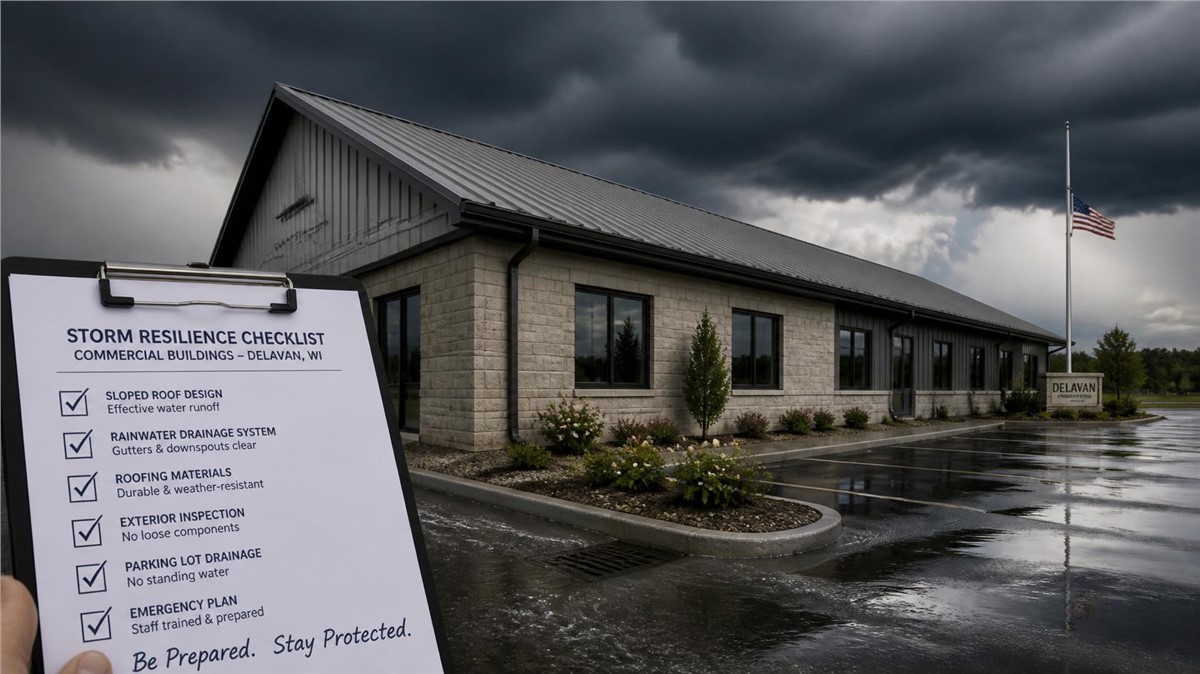
Water overflowing behind gutters can affect more than the gutter system. Roofing, siding, windows, fascia, soffit, flashing, trim, and foundation drainage can all be involved.
A full exterior inspection may include:
- Gutters and downspouts
- Roofing and roof edges
- Drip edge
- Fascia and soffit
- Siding and trim
- Windows and doors
- Foundation drainage
- Interior moisture signs
- Storm damage areas
Huskie Exteriors provides roofing, siding, window, gutter, and storm damage restoration services, helping homeowners evaluate the full exterior system.
Why Local Exterior Experience Matters
A local contractor understands how Wisconsin weather affects gutters and exterior drainage. In Clinton, WI, homes need gutter systems that can handle heavy rain, wind, snow, ice, humidity, and freeze-thaw cycles.
Local experience helps homeowners determine whether gutter overflow is caused by clogs, blocked downspouts, poor pitch, loose gutters, fascia damage, drip edge problems, ice damage, roof edge concerns, or poor drainage.
Conclusion
Water overflowing behind gutters in Clinton, WI usually means the gutter system is not moving water correctly. The cause may be clogged gutters, blocked downspouts, poor pitch, loose gutters, damaged fascia, missing drip edge, ice damage, or undersized gutters. If ignored, water behind gutters can damage fascia, soffit, siding, windows, roof edges, foundations, and basement areas.
If your gutters overflow, leak, sag, pull away from the home, or send water behind the gutter line, Huskie Exteriors can inspect your exterior and recommend the right next step.
Contact Huskie Exteriors for professional roofing, siding, window, gutter, and storm damage services in Illinois and Wisconsin.
Subscribe to Huskie Exteriors's Blog





Comments