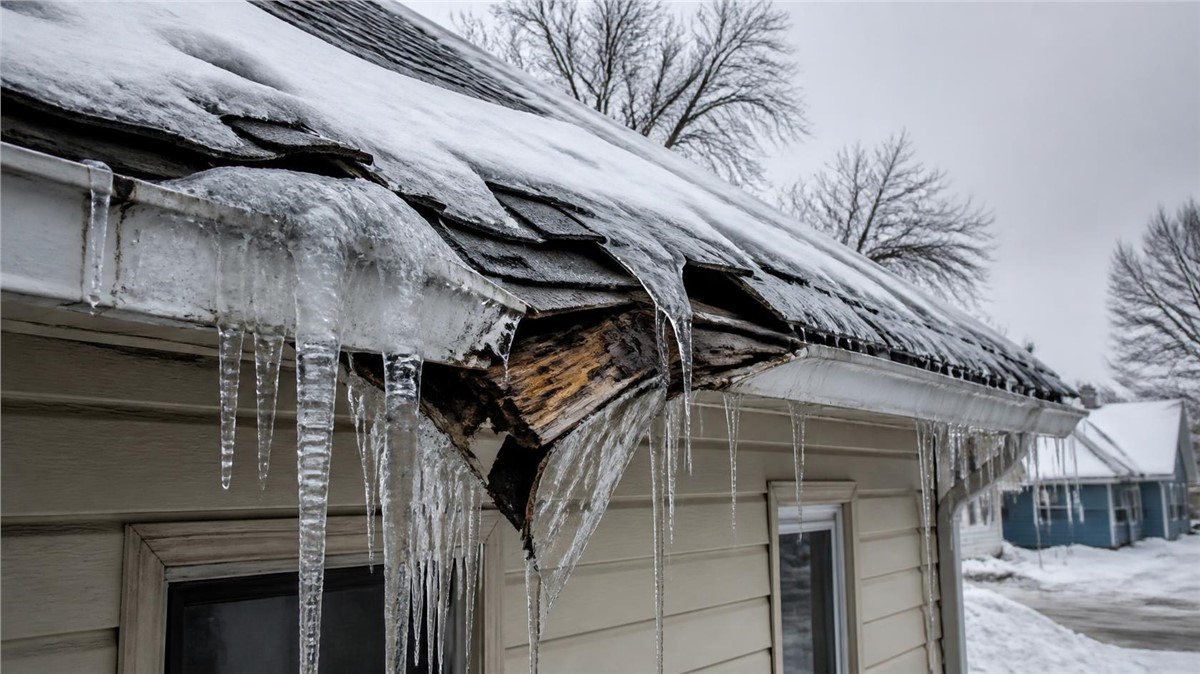
Winter weather can be tough on a roof. Snow, ice, freezing rain, wind, and freeze-thaw cycles can place stress on shingles, flashing, gutters, roof edges, attic ventilation, and drainage systems. Even if the roof looks normal from the ground, winter damage may appear later as leaks, stains, moisture, or loose materials.
For homeowners in Kankakee, IL, snow and ice roof damage should be taken seriously because local homes face cold temperatures, heavy rain, snow, ice, wind, hail, and seasonal temperature swings. These conditions can create ice dams, gutter problems, attic moisture, and roof leaks.
This guide explains warning signs homeowners should watch for and when to call a contractor.
Why Snow and Ice Can Damage a Roof
Roofs are designed to handle weather, but winter conditions can expose weak points. Snow can add weight, ice can block drainage, and repeated freezing and thawing can make small gaps worse.
Snow and ice may affect:
- Shingles
- Flashing
- Gutters
- Downspouts
- Fascia
- Soffit
- Roof valleys
- Roof vents
- Attic insulation
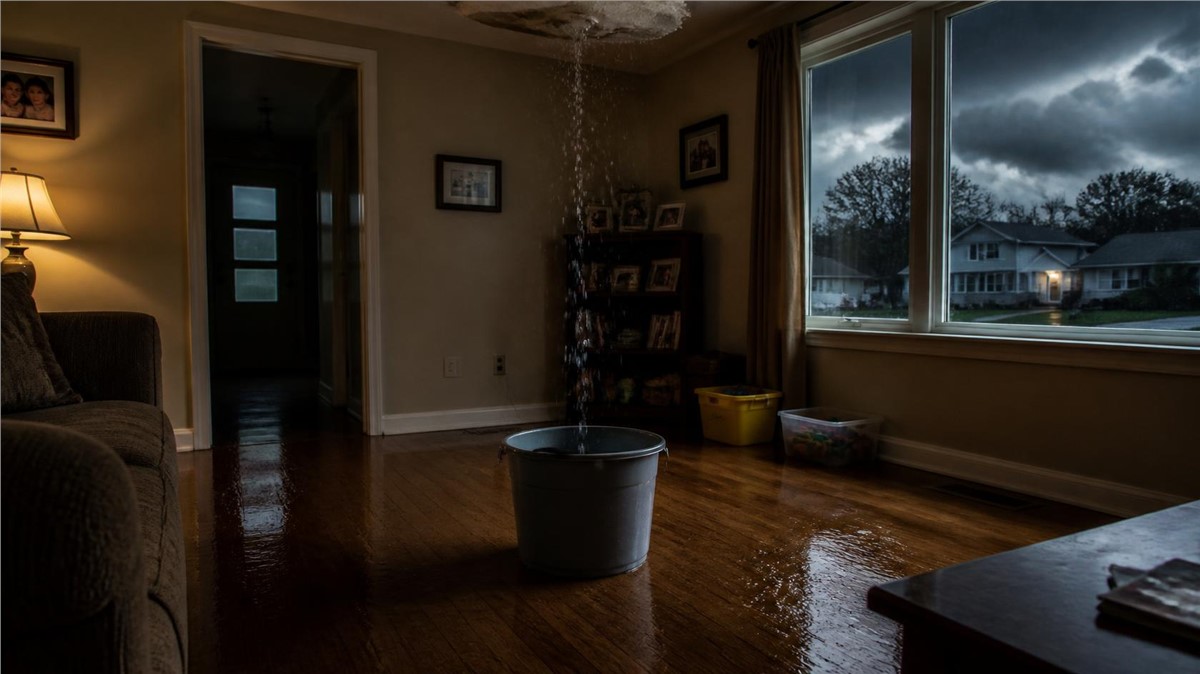
- Interior ceilings
- Siding near roof edges
When these parts do not work together, water may enter the home or damage exterior materials.
Warning Sign 1: Ice Dams
Ice dams form when snow melts on the roof and refreezes near the roof edge. This can block water from draining properly and may force water back under shingles.
Signs of ice dams include:
- Large icicles near gutters
- Ice buildup along roof edges
- Water stains on ceilings
- Leaks near exterior walls
- Frozen gutters
- Wet insulation
- Peeling paint indoors
- Moisture after snowmelt
Ice dams may be connected to roof ventilation, attic insulation, gutter drainage, and roof edge protection.
Warning Sign 2: Ceiling Stains
Ceiling stains after snow or ice are a major warning sign. Water may enter through shingles, flashing, vents, valleys, or roof edges before showing inside.
Look for:
- Brown stains
- Yellow marks
- Bubbling paint
- Damp drywall
- Peeling ceiling paint
- Water near light fixtures
- Musty odors
- Stains near exterior walls
If moisture appears near electrical fixtures, avoid touching the area and contact a professional.
Warning Sign 3: Attic Moisture
The attic can reveal roof problems before they reach the living space. Snow and ice damage may show up as hidden moisture, especially after thawing.
Attic warning signs include:
- Wet insulation
- Dark roof decking
- Water trails
- Rusted nails
- Damp rafters
- Musty smells
- Frost buildup
- Mold or mildew concerns
Attic moisture should be inspected quickly because it can spread into insulation and framing.
Warning Sign 4: Missing or Lifted Shingles
Winter wind, ice, and freeze-thaw cycles can loosen shingles. If shingles lift or detach, water can reach the underlayment or roof deck.
From the ground, check for:
- Missing shingles
- Uneven roof areas
- Lifted shingle edges
- Shingle pieces in the yard
- Exposed dark areas
- Damaged ridge caps
- Loose roof edges
Avoid climbing onto the roof in winter conditions. A contractor can inspect safely.
Warning Sign 5: Damaged Flashing
Flashing protects roof transitions where leaks are more likely. Snow and ice can stress flashing around chimneys, skylights, walls, valleys, and vents.
Flashing concerns include:
- Loose metal
- Cracked sealant
- Rust
- Open gaps
- Water stains nearby
- Leaks after snowmelt
- Damage around chimneys
- Moisture near skylights
Many winter leaks happen around flashing rather than in the main roof field.
Warning Sign 6: Frozen or Sagging Gutters
Gutters help move water away from the roof edge. When gutters freeze, clog, sag, or pull away, water may back up and damage the roofline.
Gutter warning signs include:
- Frozen gutter channels
- Sagging sections
- Loose fasteners
- Gutters pulling away
- Leaking seams
- Large icicles
- Water running behind gutters
- Overflow during thawing
Damaged gutters can affect roofing, fascia, soffit, siding, and foundation areas.
Warning Sign 7: Fascia and Soffit Damage
Fascia and soffit sit near the roof edge and are often affected when ice, snow, or gutters cause water problems.
Look for:
- Soft fascia
- Peeling paint
- Water stains
- Loose soffit panels
- Gaps near roof edges
- Dark streaks
- Pest entry points
- Sagging gutter attachments
If fascia or soffit damage is present, the roof edge and gutter system should also be checked.
Warning Sign 8: Water Stains on Siding
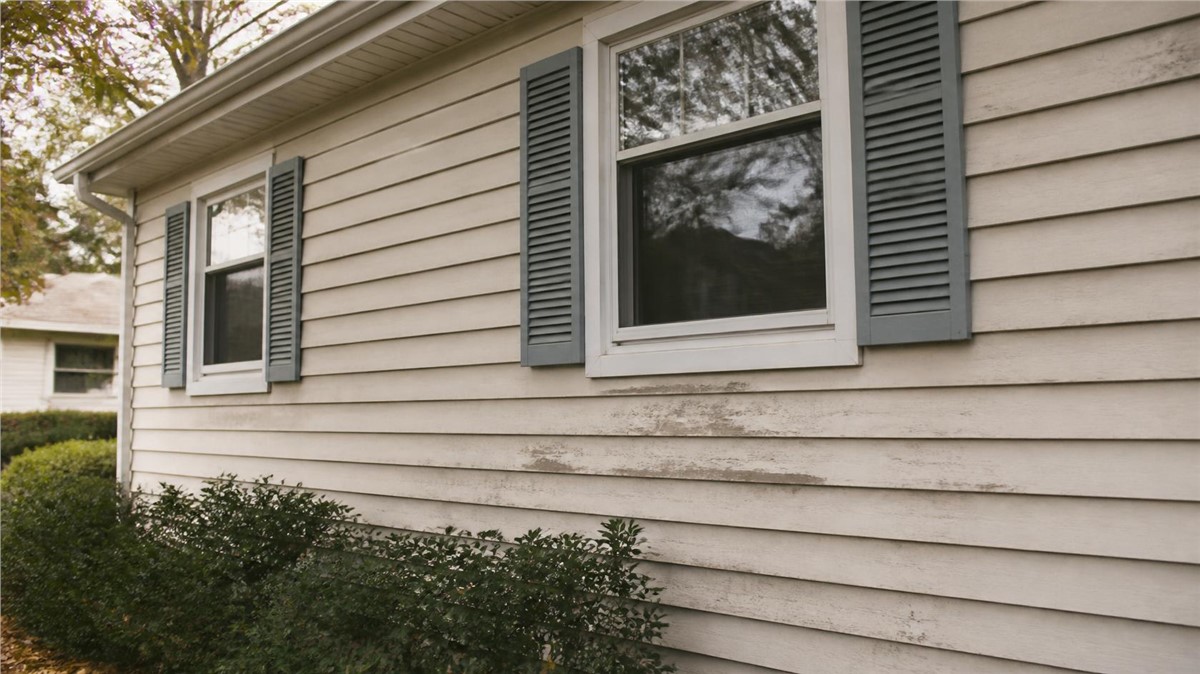
Snowmelt and ice buildup can send water down siding. If water keeps hitting the same area, siding and trim may start showing stains or moisture damage.
Siding warning signs include:
- Dark streaks
- Green or black buildup
- Water stains below gutters
- Loose siding near roof edges
- Soft trim
- Peeling paint
- Warped siding
- Moisture near windows
Siding stains may point to gutter overflow, roof edge damage, or ice dam concerns.
Warning Sign 9: Leaks Around Windows
Winter roof problems can sometimes show up near windows. Water from roof edges, gutters, siding, or flashing may travel down into window areas.
Check for:
- Water on window sills
- Stains below windows
- Peeling paint
- Soft trim
- Damp drywall
- Drafts
- Failed caulking
- Fogging between panes
If moisture appears around windows after snowmelt, the surrounding siding, gutters, flashing, and roof edges should be inspected.
Warning Sign 10: Granules Near Downspouts
Asphalt shingles can lose granules over time. Snow, ice, hail, and heavy rain can wash granules into gutters and downspout areas.
Watch for:
- Excessive granules near downspouts
- Grit in gutters
- Bare-looking shingles
- Dark roof patches
- Uneven shingle texture
- Recent storm exposure
Some granule loss is normal, but heavy granule buildup may point to aging shingles or storm damage.
Warning Sign 11: Roof Valleys Holding Snow or Ice
Roof valleys carry large amounts of water during melting. If debris, ice, or damaged materials block the valley, water may back up.
Valley problems may include:
- Ice buildup
- Debris accumulation
- Damaged flashing
- Loose shingles
- Water stains below valleys
- Leaks during thawing
- Uneven snowmelt patterns
Roof valleys should be inspected carefully because they handle heavy water flow.
Warning Sign 12: Repeated Icicles
Small icicles may form during winter, but large or repeated icicles may be a warning sign. They often indicate water is not draining properly.
Repeated icicles may be connected to:
- Ice dams
- Clogged gutters
- Poor attic ventilation
- Heat loss from the attic
- Frozen downspouts
- Poor roof edge drainage
- Gutter pitch problems
Large icicles can also create safety concerns near entrances, walkways, and driveways.
Why Freeze-Thaw Cycles Matter
Freeze-thaw cycles happen when temperatures rise above freezing during the day and drop below freezing again later. Water can enter small gaps, freeze, expand, and make damage worse.
Freeze-thaw damage may affect:
- Shingles
- Flashing
- Gutters
- Siding
- Trim
- Caulking
- Roof edges
- Masonry near chimneys
Small gaps can become larger over repeated cycles.
What Homeowners Can Check Safely
Homeowners should not climb onto icy roofs or ladders. However, safe ground-level checks can still be helpful.
From the ground, look for:
- Large icicles
- Sagging gutters
- Missing shingles
- Ice along roof edges
- Water stains on siding
- Loose downspouts
- Shingle pieces in the yard
- Overflow during thawing
Inside the home, check ceilings, attic areas, walls, windows, and basement spaces for moisture.
What to Document
Documentation helps homeowners track winter damage and explain concerns to a contractor or insurance provider if needed.
Helpful records include:
- Date of snow or ice event
- Photos of icicles or ice dams
- Photos of ceiling stains
- Notes about leaks
- Photos of gutter damage
- Interior moisture photos
- Videos of overflow during thawing
- Temporary repair receipts
If storm damage may be involved, contact your insurance provider for policy-specific guidance.
Temporary Steps Before Repairs
If water is entering the home, temporary protection may be needed until permanent repairs can be completed.
Helpful temporary steps may include:
- Moving belongings away from leaks
- Placing buckets under drips
- Protecting floors
- Avoiding wet electrical areas
- Taking photos before cleanup
- Marking slippery areas
- Keeping records of temporary repairs
Temporary protection can reduce damage, but it should not replace a full inspection.
Repair vs Replacement
Some snow and ice damage can be repaired. Other damage may require replacement if the roof is aging or problems are widespread.
Repair may make sense if:
- Damage is isolated
- One flashing area failed
- A few shingles are loose
- One gutter section is damaged
- No widespread moisture is found
- The roof is otherwise performing well
Replacement may be better if:
- Leaks keep returning
- Shingles are failing throughout
- Ice dams happen repeatedly
- Decking is damaged
- Gutters and roof edges are badly damaged
- Repairs no longer last
- The roof is near the end of its life
A professional inspection can help determine the right scope.
How Gutters Affect Winter Roof Damage
Gutters are a major part of winter roof protection. If they clog, freeze, or pull away, water may back up near the roof edge.
Gutter maintenance may include:
- Clearing debris before winter
- Checking downspouts
- Correcting gutter pitch
- Repairing loose hangers
- Resealing seams
- Adding downspout extensions
- Inspecting fascia and soffit
Good drainage helps reduce ice buildup and water damage.
How Ventilation Affects Ice Problems
Attic ventilation can affect snowmelt and ice dam formation. If warm air collects in the attic, it may melt snow unevenly on the roof.
Ventilation concerns may include:
- Blocked soffit vents
- Not enough exhaust ventilation
- Moisture in the attic
- Frost on roof decking
- Wet insulation
- Ice buildup near eaves
- Uneven roof snowmelt
A roof inspection should include ventilation review when ice dams or attic moisture are present.
What Should Be Included in a Winter Roof Inspection?
A winter roof damage inspection should review the full exterior system and interior moisture signs.
A contractor may check:
- Shingles
- Flashing
- Roof valleys
- Roof vents
- Gutters and downspouts
- Fascia and soffit
- Roof edges
- Attic moisture
- Ceiling stains
- Siding near rooflines
- Window moisture
- Ice dam warning signs
This helps identify whether damage is isolated or connected to a larger exterior issue.
Why a Full Exterior Inspection Helps
Snow and ice roof damage can affect more than shingles. Roofing, gutters, siding, windows, fascia, soffit, flashing, trim, attic insulation, and drainage all work together to protect the home.
A full exterior inspection may include:
- Roofing and roof edges
- Gutters and downspouts
- Siding and trim
- Windows and doors
- Flashing
- Fascia and soffit
- Attic and interior moisture signs
- Foundation drainage
- Storm damage areas
Huskie Exteriors provides roofing, siding, window, gutter, and storm damage restoration services, helping homeowners evaluate the full exterior after winter weather.
Why Local Exterior Experience Matters
A local contractor understands how Illinois winter weather affects roofing systems. In Kankakee, IL, homes need roofing and exterior systems that can handle snow, ice, freezing rain, wind, heavy rain, humidity, and freeze-thaw cycles.
Local experience helps homeowners determine whether winter damage is caused by ice dams, clogged gutters, flashing problems, poor ventilation, aging shingles, roof edge issues, or hidden moisture.
Conclusion
Snow and ice roof damage in Kankakee, IL can show up as ice dams, ceiling stains, attic moisture, missing shingles, damaged flashing, frozen gutters, fascia damage, siding stains, window leaks, granule loss, and repeated icicles. These warning signs should be checked before moisture spreads into the home.
If your roof has leaks, ice damage, gutter problems, damaged flashing, attic moisture, missing shingles, or signs of winter wear, Huskie Exteriors can inspect your exterior and recommend the right next step.
Contact Huskie Exteriors for professional roofing, siding, window, gutter, and storm damage services in Illinois and Wisconsin.
Subscribe to Huskie Exteriors's Blog




Comments