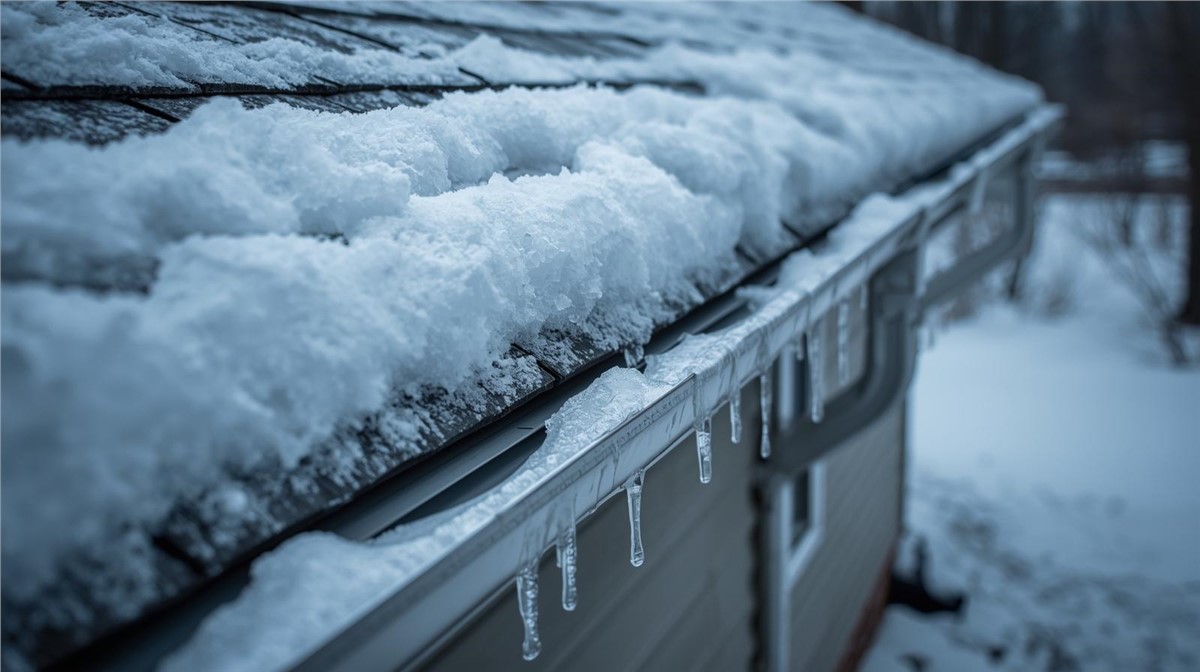
Ice dams can be frustrating for homeowners because they often show up when the weather is already difficult. You may notice icicles along the roof edge, frozen gutters, water stains inside the home, or gutters pulling away after heavy snow and ice.
For homeowners in Orfordville, WI, ice dams are a common winter concern. They are not just a gutter issue or just a roofing issue. Ice dams are often connected to how the roof, attic, insulation, ventilation, gutters, and downspouts work together.
Understanding that connection can help you protect your home from water damage, roof edge issues, siding stains, and gutter repairs after winter weather.
What Is an Ice Dam?
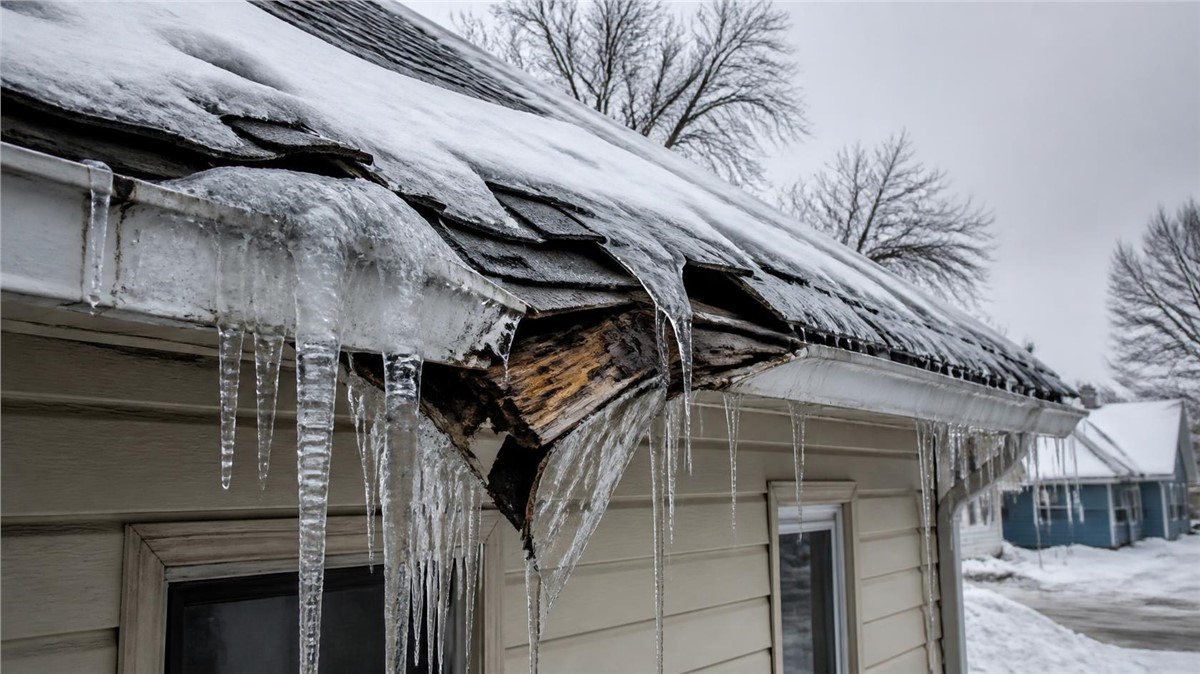
An ice dam forms when snow on the roof melts, runs down toward the colder roof edge, and refreezes. As ice builds up along the eaves, it can block melting snow from draining properly.
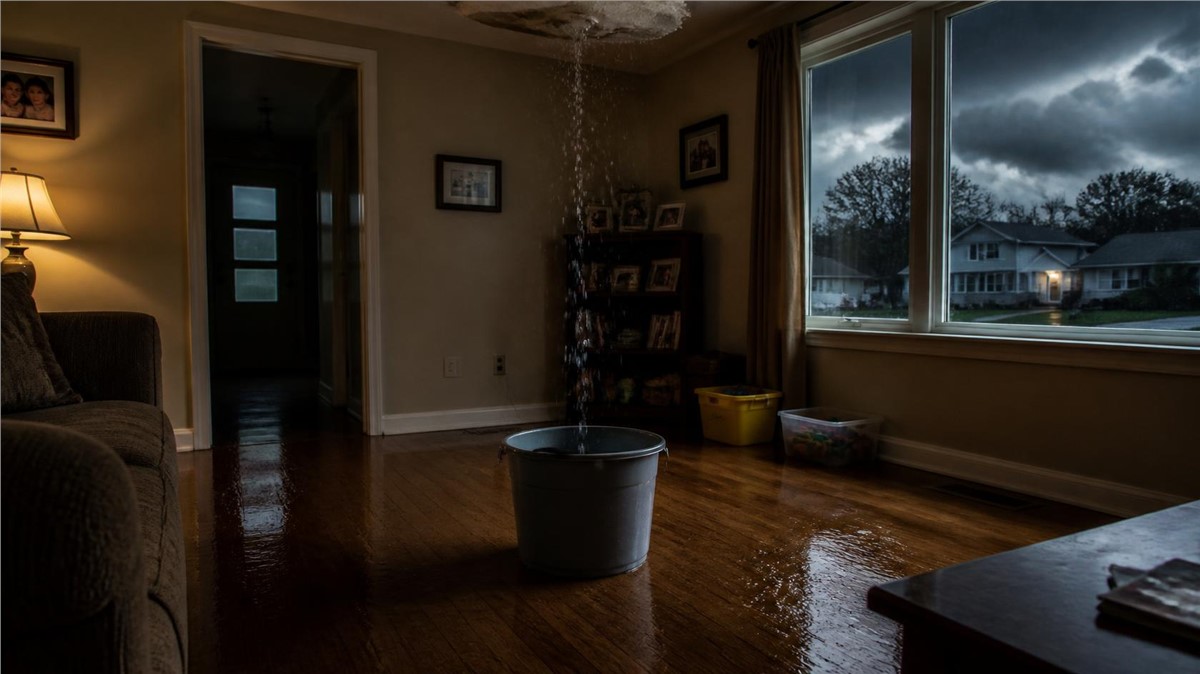
When water has nowhere to go, it may back up under shingles or behind roof edge materials. This can lead to leaks, attic moisture, damaged insulation, stained ceilings, and fascia or soffit damage.
Ice dams are most common during winter conditions when snow, freezing temperatures, and repeated thawing and refreezing happen close together.
Why Ice Dams Matter in Orfordville, WI
Orfordville homes experience Midwest winter weather that can be hard on roofing and gutter systems. Snow accumulation, cold nights, sunny winter days, ice buildup, and freeze-thaw cycles can all contribute to roof drainage problems.
Ice dams may lead to:
- Water stains on ceilings or walls
- Wet attic insulation
- Damaged shingles near the eaves
- Soft fascia or soffit
- Gutters pulling away from the home
- Ice buildup in gutters
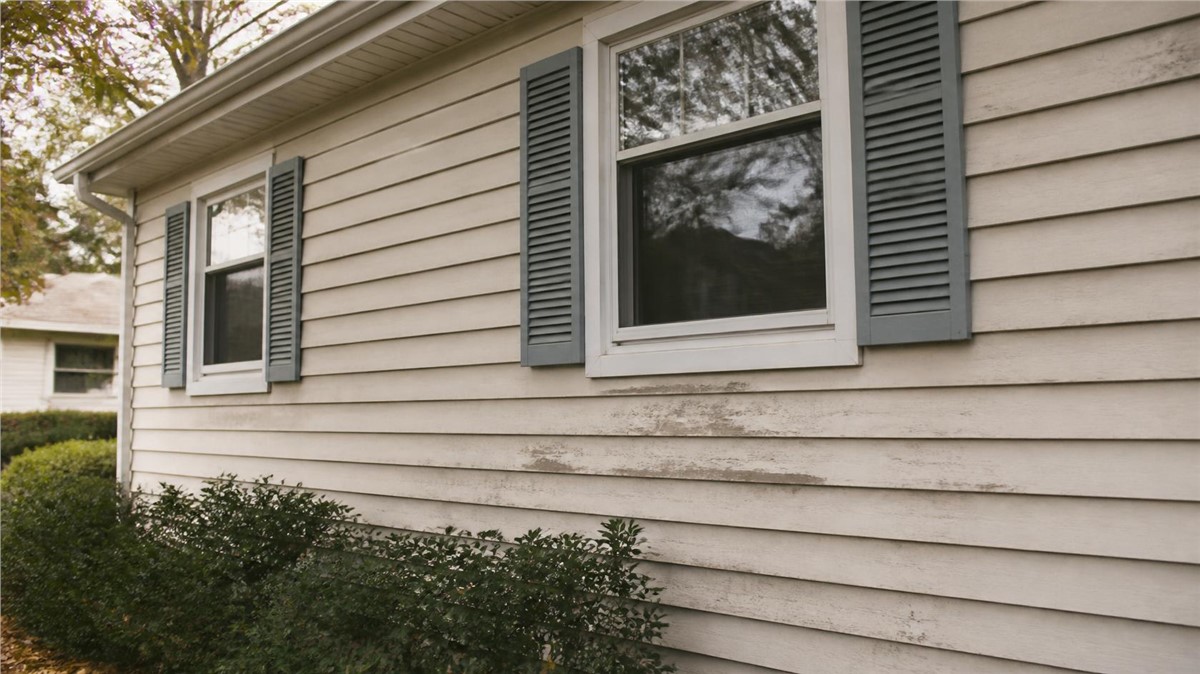
- Siding stains below roof edges
- Mold or mildew concerns
- Interior leaks during thawing periods
Even if the ice melts and the problem seems to disappear, the damage behind the scenes may remain.
How Roofing and Gutters Work Together
Your roofing system sheds water from the top of the home. Your gutters collect that water and move it away through downspouts. When both systems work correctly, water drains safely away from the roof, siding, foundation, landscaping, and walkways.
When one part fails, the other can be affected.
For example:
- Poor attic ventilation can contribute to uneven roof temperatures.
- Warm attic air can melt snow unevenly.
- Clogged gutters can trap water and ice.
- Loose gutters can allow water to spill behind the system.
- Damaged roof edges can let water reach fascia and soffit.
- Downspouts that drain poorly can create ice near the foundation or walkways.
That is why ice dam prevention should look at the full exterior system, not just the visible ice.
Common Causes of Ice Dams
Ice dams can form for several reasons, and most involve a combination of heat, snow, drainage, and freezing temperatures.
Poor Attic Ventilation
A properly ventilated attic helps keep roof temperatures more consistent. If warm air gets trapped in the attic, it may warm the roof deck and cause snow to melt from underneath.
That melted snow can refreeze at the colder roof edge.
Inadequate Insulation
If heat escapes from the living space into the attic, it can contribute to uneven snow melt on the roof. Insulation helps reduce heat movement and supports better winter roof performance.
Clogged Gutters
Leaves, sticks, roof granules, and debris can block gutters and downspouts. When melting snow reaches a clogged gutter, water may freeze in place and create more buildup along the roof edge.
Poor Drainage
Even if gutters are clean, they need to be properly sloped and connected to working downspouts. If water cannot drain away, it can freeze and add weight to the gutter system.
Heavy Snow and Freeze-Thaw Cycles
Orfordville winter weather can create repeated melting and refreezing. This cycle can make small ice buildup worse over time.
Warning Signs to Watch For
Homeowners should watch for signs of ice dam or gutter-related damage during and after winter.
Common warning signs include:
- Large icicles along the roof edge
- Ice-filled gutters
- Water stains on ceilings or walls
- Moisture in the attic
- Peeling paint near exterior walls
- Gutters sagging or pulling away
- Ice buildup near downspouts
- Siding stains below gutters
- Soft fascia or soffit
- Water dripping indoors during thawing
If you notice interior water stains, the issue should be inspected as soon as possible.
What Not to Do With Ice Dams
It can be tempting to chip away at ice, but that can damage shingles, gutters, fascia, and siding.
Avoid:
- Hitting ice with sharp tools
- Climbing onto an icy roof
- Pulling on frozen gutters
- Ignoring interior leaks
- Assuming the problem is only cosmetic
Ice and snow create dangerous conditions. It is safer to call a professional if ice dams are causing leaks or pulling on the gutter system.
How Gutters Can Help or Hurt the Problem
Gutters do not usually cause ice dams by themselves, but they can make drainage problems worse when they are clogged, loose, or damaged.
Gutters may contribute to winter problems if:
- They are full of leaves or debris
- Downspouts are blocked
- Sections are sagging
- Water spills behind the gutter
- Ice adds too much weight
- The gutter slope is incorrect
- Fascia behind the gutter is damaged
Before winter, gutters should be cleaned and inspected. After winter, they should be checked again for sagging, leaks, loose fasteners, and damage from ice weight.
Repair vs Replacement After Ice Dam Damage
Not every ice dam issue requires major work. Some problems can be solved with targeted repairs and better maintenance.
Repair may be enough if:
- Gutter damage is limited
- A small roof edge area was affected
- Fascia or soffit damage is minor
- The roof is otherwise in good condition
- Ventilation or insulation improvements can help reduce the issue
Replacement may be needed if:
- Gutters are pulling away in multiple areas
- Roof edge damage is widespread
- Shingles are damaged near the eaves
- Fascia or soffit has moisture damage
- Ice dams keep returning every winter
- Interior leaks have caused hidden damage
A professional inspection can help determine whether the issue is roofing, gutters, ventilation, insulation, or a combination.
Residential and Commercial Considerations
For Orfordville homeowners, ice dams can affect attic spaces, bedrooms, ceilings, siding, gutters, and foundation drainage. Homes with complex rooflines, shaded areas, poor attic ventilation, or heavy tree coverage may be more likely to experience winter drainage problems.
For small commercial properties, rental homes, and mixed-use buildings, ice buildup can also create safety concerns near entrances, sidewalks, parking areas, and tenant spaces. Frozen drainage should be addressed before it creates repeated maintenance problems.
Why a Full Exterior Inspection Helps
Ice dams often reveal problems in more than one part of the exterior. A full inspection may include roofing, gutters, downspouts, attic ventilation, insulation conditions, fascia, soffit, siding, and signs of interior moisture.
Huskie Exteriors provides roofing, siding, window, gutter, and storm damage restoration services, helping property owners evaluate the full exterior system instead of focusing on only one visible issue.
Why Local Exterior Experience Matters
A local contractor understands how Wisconsin winters affect homes and commercial buildings. In Orfordville, WI, roofing and gutter systems need to handle snow, ice, heavy rain, wind, hail, and freeze-thaw cycles.
Local experience also helps property owners decide whether repair, replacement, maintenance, or ventilation improvements are needed to reduce future ice dam concerns.
Conclusion
Ice dams and gutter problems are closely connected because roofing and drainage systems work together to move water away from the home. When snow melts, refreezes, or gets trapped by clogged gutters, water can back up and damage roofing, fascia, soffit, siding, and interior spaces.
For Orfordville, WI homeowners, the best approach is to look at the full exterior system. Clean gutters, proper drainage, sound roofing, attic ventilation, and insulation all play a role.
If you notice ice dams, frozen gutters, water stains, or winter roof edge damage, Huskie Exteriors can inspect your home and recommend the right next step.
Contact Huskie Exteriors for professional roofing, siding, window, gutter, and storm damage services in Illinois and Wisconsin.
Subscribe to Huskie Exteriors's Blog



Comments