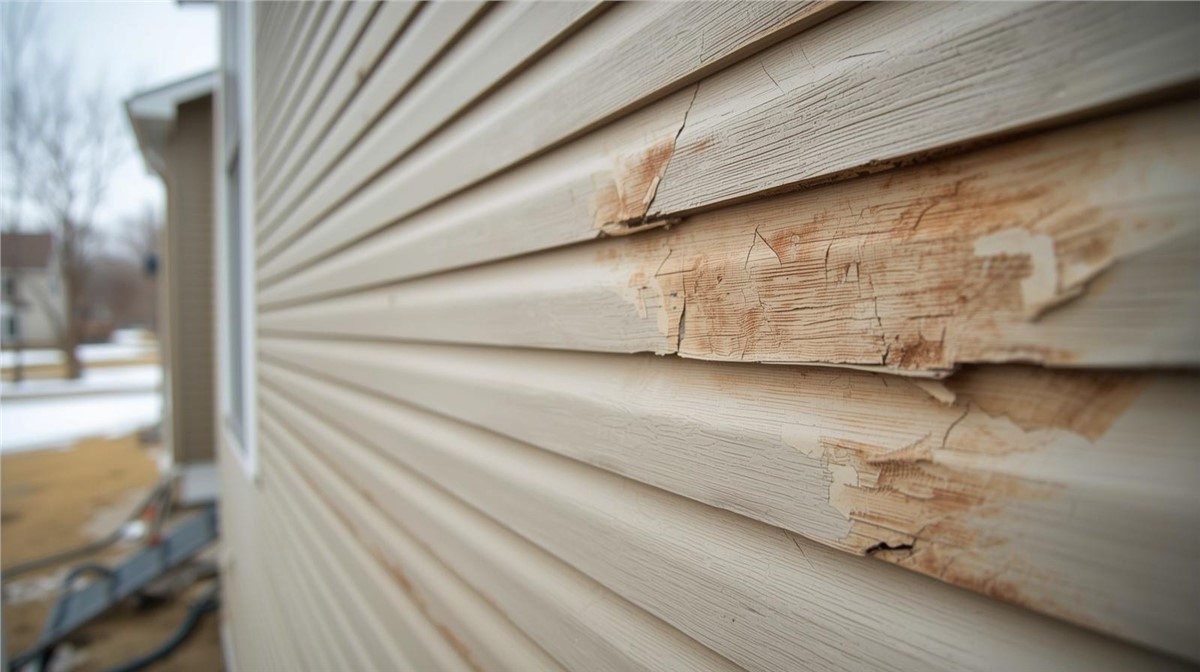
Winter weather can leave behind more than snow piles and muddy yards. For homeowners in Burlington, WI, winter can also reveal siding problems that may affect the home’s protection, appearance, and long-term durability.
Siding helps protect your home from moisture, wind, pests, and temperature changes. After months of snow, ice, freezing temperatures, and thawing cycles, small siding issues can become more noticeable. Cracks may widen. Loose panels may shift. Water may find its way behind trim, windows, or damaged siding sections.
Checking your siding after winter is a smart way to catch problems before spring rain and summer storms make them worse.
Why Winter Can Damage Siding in Burlington, WI
Burlington homes experience the full range of Midwest winter conditions. Snow, ice, high winds, and freeze-thaw cycles can all put stress on siding and exterior trim.
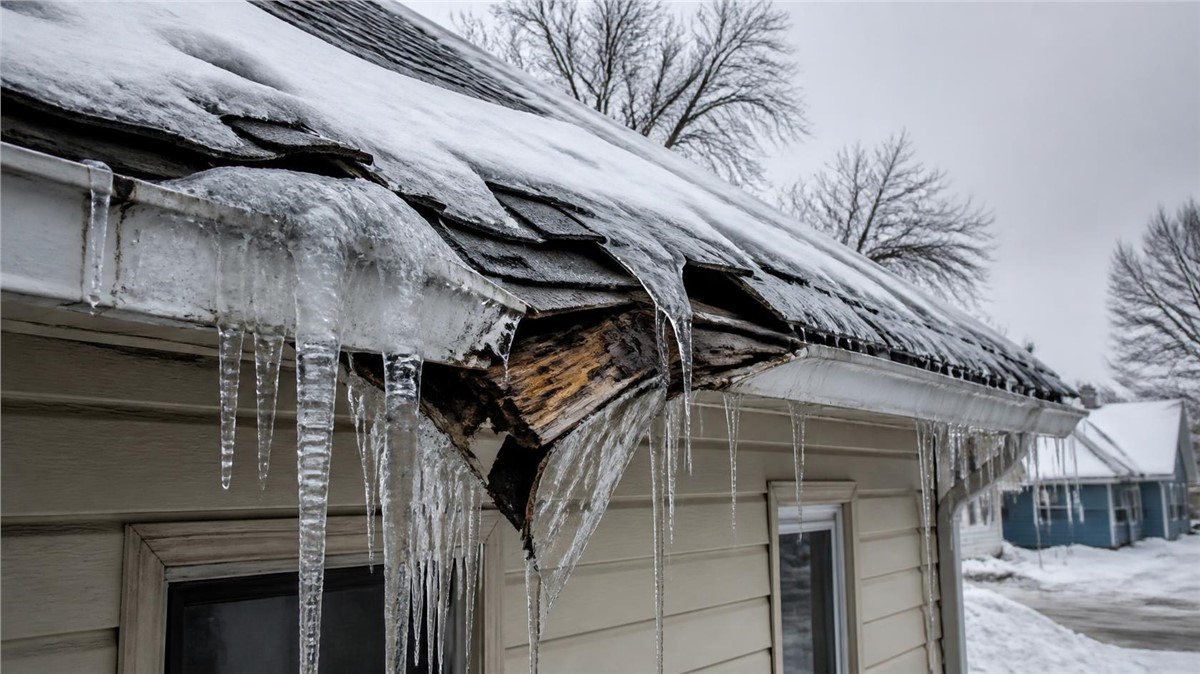
During winter, moisture can collect around siding seams, lower wall areas, roof edges, gutters, and window trim. When temperatures drop, that moisture freezes and expands. When it warms up, the ice melts and water can move into small openings.
Over time, this can lead to:
- Cracked siding
- Loose panels
- Warping or buckling
- Water stains
- Mold or mildew growth
- Soft or rotted trim
- Gaps around windows and doors
- Moisture behind siding
- Reduced curb appeal
If siding damage is ignored, it can allow water to reach the materials behind the exterior surface.
Siding Problems to Check After Winter
A simple ground-level walkaround can help you spot warning signs. You do not need to remove siding or climb ladders. Look closely at areas near rooflines, gutters, windows, doors, corners, and lower walls.
Cracked or Broken Panels
Cold temperatures can make some siding materials more brittle, especially older vinyl siding. If the siding was already worn or storm-damaged, winter freeze-thaw cycles may make cracks worse.
Cracked siding should be inspected because even small openings can let water behind the panels.
Loose or Missing Siding
Winter winds can loosen siding panels or pull them away from the wall. If panels are rattling, shifted, or missing, the home may be exposed to moisture during spring rain.
Loose siding can also worsen during future storms if it is not secured properly.
Warping or Buckling
Warped or buckled siding may point to moisture behind the panels, installation issues, or movement caused by temperature changes.
If siding no longer sits flat, it may not be shedding water correctly.
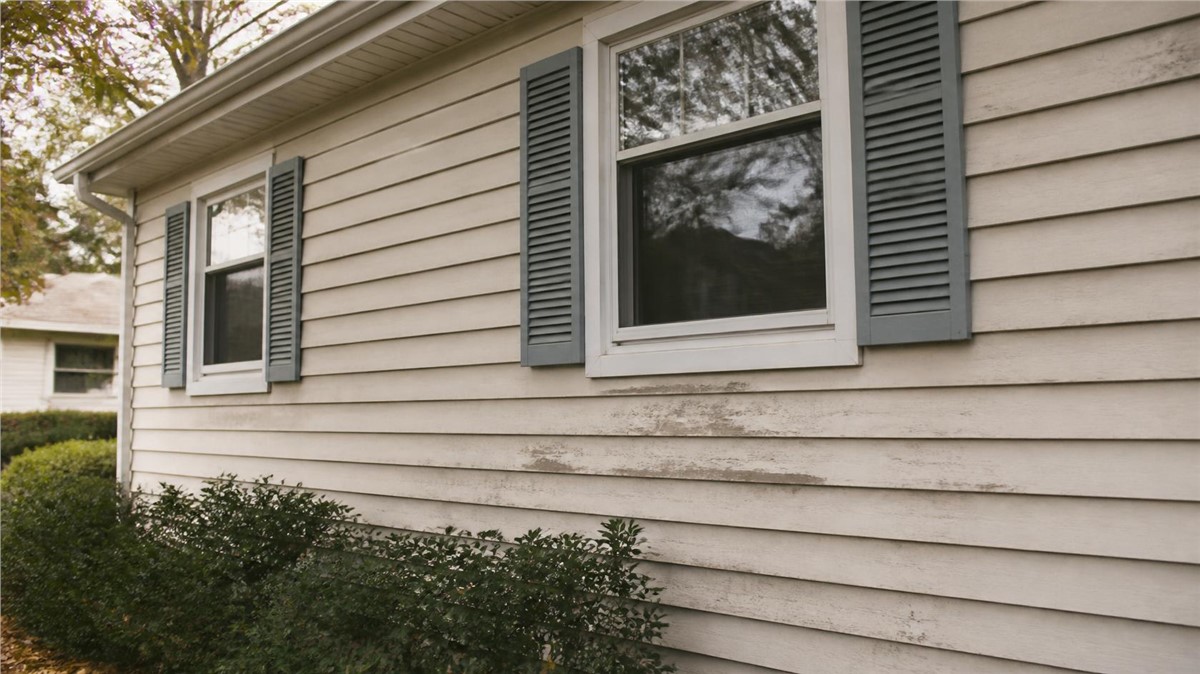
Stains or Dark Streaks
Dark streaks, stains, or discoloration may indicate water runoff issues. Sometimes this comes from clogged gutters, ice buildup, or water repeatedly draining over the same area.
If staining appears near roof edges or downspouts, the gutter system should also be checked.
Soft or Damaged Trim
Trim around windows, doors, corners, and roof edges can absorb moisture if it is cracked, poorly sealed, or exposed. Soft trim may indicate rot or water damage.
This is especially important after winter because melting snow and ice can collect around trim details.
Check Around Windows and Doors
Windows and doors are common areas for siding-related water problems. After winter, look for gaps, cracked caulking, peeling paint, soft trim, or water marks.
Warning signs may include:
- Drafts near windows
- Water stains below window frames
- Peeling paint around trim
- Loose siding near openings
- Gaps where siding meets trim
- Condensation or moisture concerns
A window leak may not always be caused by the window itself. Damaged siding, poor flashing, or gutter overflow may also be part of the problem.
Check Gutters and Roof Edges Too
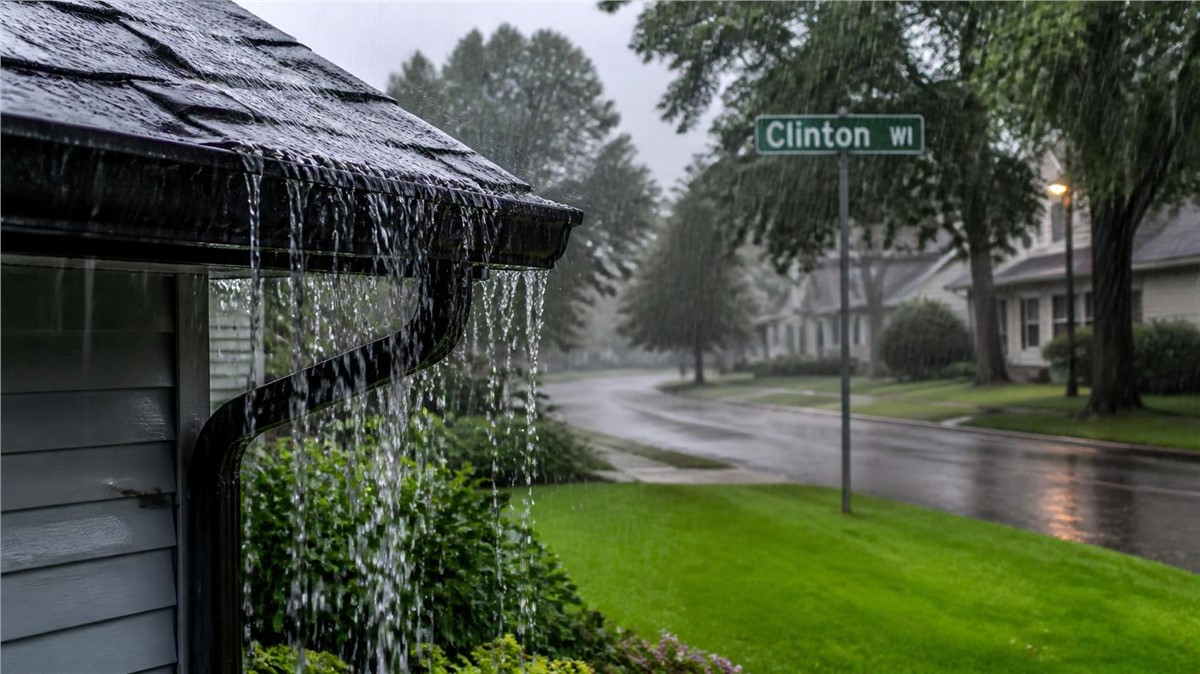
Siding problems after winter are often connected to gutters and roof edges. If gutters were clogged with leaves, snow, or ice, water may have overflowed and run down the siding.
Check for:
- Gutters pulling away
- Overflow stains on siding
- Ice damage near eaves
- Loose downspouts
- Water pooling near the foundation
- Damaged fascia or soffit
Gutters, siding, roofing, and trim all work together to move water away from the home. If one part fails, the others may be affected.
Midwest Weather Issues That Make Siding Problems Worse
Snow and Ice
Snow piled against lower siding can keep moisture against the exterior for long periods. Ice near roof edges can also lead to water backup and staining.
Wind
Strong winter winds can loosen siding panels, damage corners, and push moisture into small gaps.
Freeze-Thaw Cycles
Freeze-thaw cycles are one of the biggest concerns in Wisconsin. Water enters small cracks, freezes, expands, and makes the damage worse.
Spring Rain
After winter, heavy spring rain can expose siding problems quickly. If siding is cracked, loose, or poorly sealed, rain can get behind the exterior wall.
Repair vs Replacement After Winter
Not every siding problem requires full replacement. Some issues can be repaired if damage is small and isolated.
Siding repair may be enough if:
- Only a few panels are damaged
- Trim damage is minor
- There is no moisture behind the siding
- Panels can be matched
- The siding is still in good overall condition
Siding replacement may be better if:
- Damage affects multiple walls
- Siding is brittle, faded, or warped
- Water damage is present
- Panels keep coming loose
- Repairs would not match well
- The home needs a larger exterior update
A professional inspection can help determine whether repair or replacement makes the most sense.
Residential and Commercial Considerations
For Burlington homeowners, siding problems can affect comfort, curb appeal, insulation, and protection from water damage. Areas near bedrooms, living spaces, basements, garages, and windows should be checked closely after winter.
For small commercial properties, rental homes, and mixed-use buildings, siding problems can affect tenant comfort, customer impressions, maintenance costs, and long-term building protection.
In both cases, early repairs can help prevent moisture from spreading behind the exterior.
Why a Full Exterior Inspection Helps
Siding damage is often connected to other exterior issues. Winter weather can affect roofing, siding, windows, gutters, fascia, soffit, and trim at the same time.
Huskie Exteriors provides roofing, siding, window, gutter, and storm damage restoration services, helping property owners evaluate the full exterior system instead of focusing on one visible problem.
A full inspection can help identify whether the siding issue is isolated or caused by roof runoff, gutter overflow, window leaks, storm damage, or moisture behind the wall.
Why Local Exterior Experience Matters
A local contractor understands how Wisconsin winters affect exterior materials. In Burlington, WI, homes need siding that can handle snow, ice, wind, heavy rain, hail, and freeze-thaw cycles.
Local experience also helps homeowners make practical decisions about timing, repair options, material choices, and whether replacement may be a better long-term solution.
Conclusion
Siding problems after winter should not be ignored. Cracks, loose panels, warping, stains, soft trim, and gaps around windows or doors can all allow moisture to reach areas behind the exterior.
For Burlington, WI homeowners, checking siding after winter is a smart way to protect the home before spring rain and summer storms arrive.
If you notice siding damage, water stains, loose panels, or signs of moisture after winter, Huskie Exteriors can help inspect your exterior and recommend the right next step.
Contact Huskie Exteriors for professional roofing, siding, window, gutter, and storm damage services in Illinois and Wisconsin.
Subscribe to Huskie Exteriors's Blog




Comments