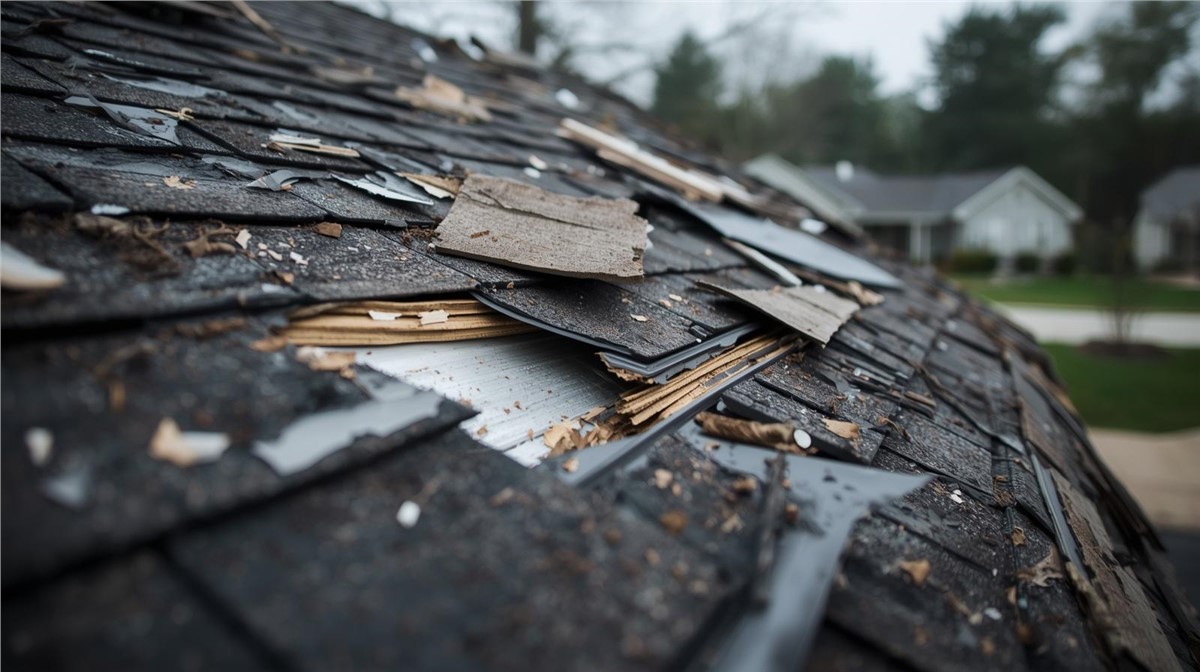
Severe weather can affect several parts of your home’s exterior at the same time. After a storm in Darien, WI, it is easy to notice obvious damage like fallen branches or missing shingles. But some storm damage is more subtle and may not show up until the next round of rain, snow, or ice.
Your roof, siding, windows, gutters, fascia, soffit, and trim all work together to protect your home from water and weather exposure. When one part is damaged, moisture can enter areas where it should not be.
Knowing what to check after a storm can help homeowners catch problems early and avoid larger repairs later.
Why Storm Damage Matters for Darien Homes
Darien homes face a wide range of Midwest weather. Hail can damage shingles and siding. Wind can loosen roof materials and pull siding panels away. Heavy rain can expose leaks. Snow and ice can add weight and create drainage problems. Freeze-thaw cycles can make small cracks and gaps worse.
Storm damage may lead to:
- Roof leaks
- Interior water stains
- Damaged insulation
- Cracked or loose siding
- Drafty or leaking windows
- Overflowing gutters
- Soft fascia or soffit
- Foundation moisture
- Mold or mildew concerns
- Higher repair costs if ignored
Even if your home looks fine from the street, it is still smart to check key areas after severe weather.
Roof Warning Signs After a Storm
The roof often takes the most direct impact during storms. Damage may be visible from the ground, but some problems require a professional inspection.
Watch for:
- Missing shingles
- Lifted or curled shingles
- Loose ridge caps
- Granules in gutters or downspouts
- Dented vents or flashing
- Branches or debris on the roof
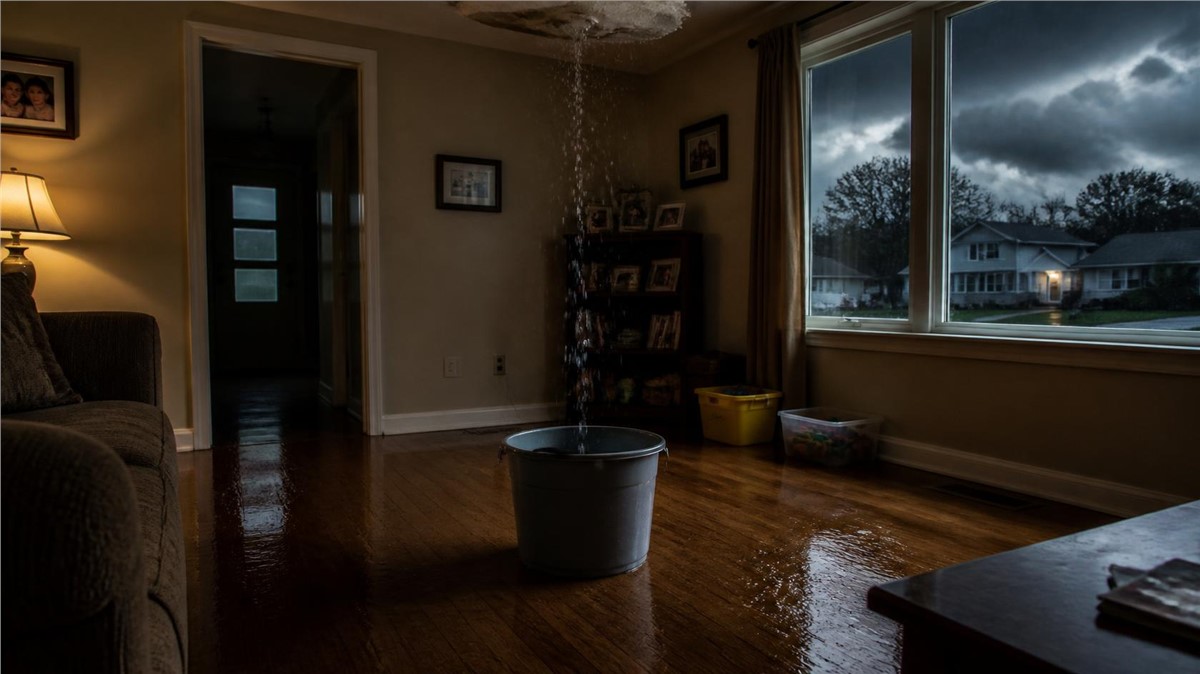
- Water stains on ceilings
- Damp attic insulation
- Leaks around chimneys or vents
Hail damage can be difficult to see without training. If gutters, vents, or metal trim are dented, the roof may also have impact damage.
Siding Warning Signs
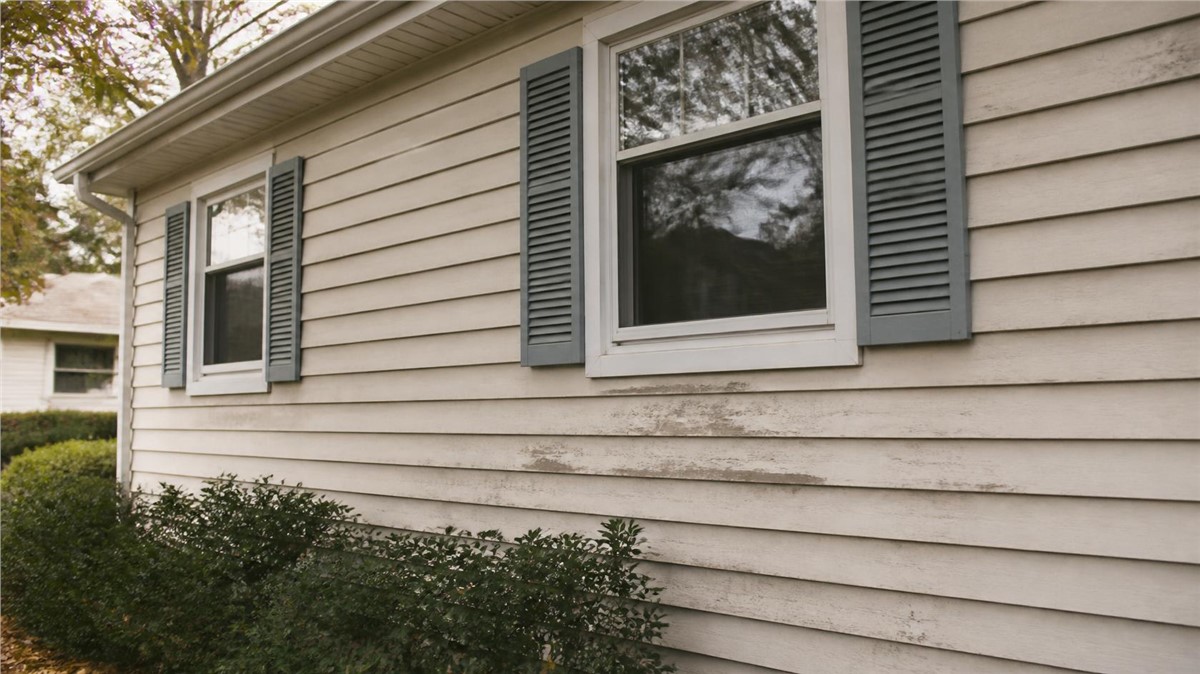
Siding protects your exterior walls from wind, rain, pests, and moisture. Storm-damaged siding can allow water to get behind the panels and affect the wall system.
Look for:
- Cracked siding
- Holes or punctures
- Loose or missing panels
- Warped or buckled areas
- Dented trim or corners
- Gaps around windows or doors
- Water stains or dark streaks
- Mold or mildew growth
Wind-driven rain is especially concerning because it can push moisture into small openings. If siding is cracked or loose, it should be inspected before the next storm makes the damage worse.
Window and Door Warning Signs
Windows and doors can also be affected by hail, wind, debris, and heavy rain. Damage may involve the glass, screens, trim, seals, or flashing around the opening.
Common warning signs include:
- Torn or dented screens
- Cracked glass
- Drafts near closed windows
- Water stains below windows
- Damaged exterior trim
- Moisture between glass panes
- Doors or windows that no longer close properly
- Peeling paint near window openings
If water appears around a window after a storm, the source may be the window, siding, roof edge, or gutter system. A full exterior inspection can help identify the cause.
Gutter and Downspout Warning Signs
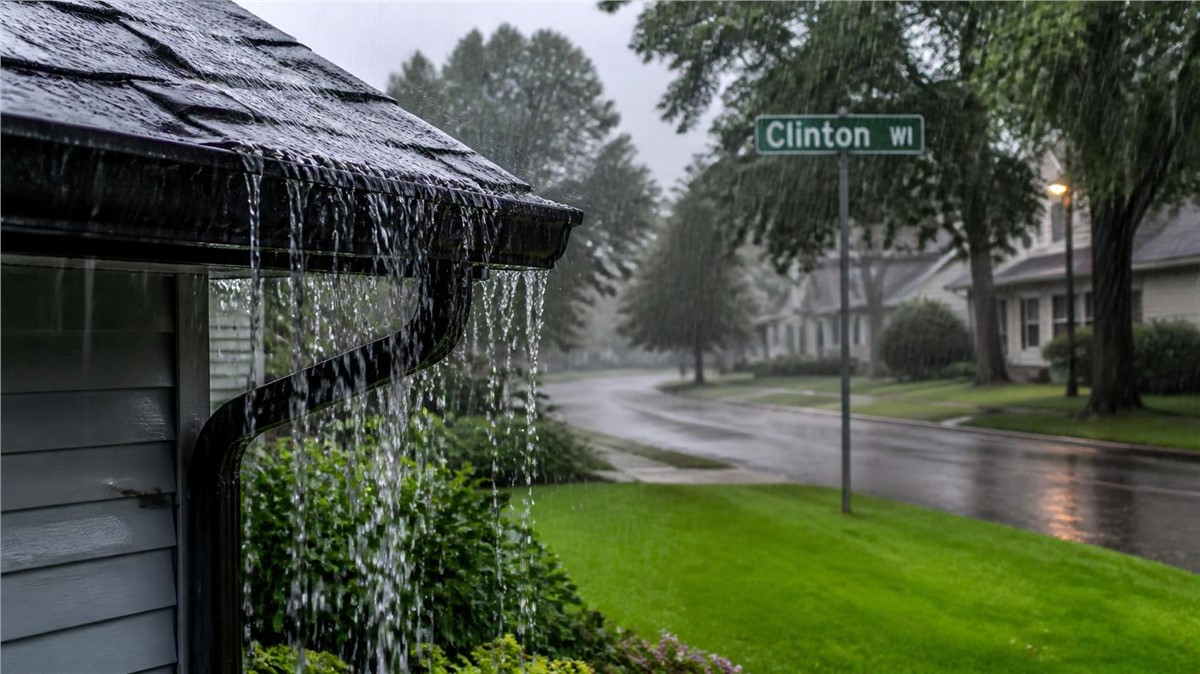
Gutters help move water away from your roof, siding, foundation, landscaping, and walkways. When storms damage gutters, water may stop draining properly.
Check for:
- Gutters pulling away from the home
- Dented gutter sections
- Loose or disconnected downspouts
- Overflow during rain
- Leaking seams
- Sagging sections
- Water pooling near the foundation
- Soil erosion below the roofline
- Ice buildup near walkways in winter
If gutters are clogged, loose, or damaged, water can spill over the edge and create problems around the roofline, siding, basement, and foundation.
Interior Warning Signs of Storm Damage
Sometimes exterior storm damage shows up inside the home first. After heavy rain or melting snow, check rooms near rooflines, exterior walls, and windows.
Interior signs may include:
- Brown or yellow ceiling stains
- Peeling paint
- Bubbling drywall
- Musty odors
- Damp carpet near exterior walls
- Water marks around windows
- Mold near corners or ceilings
- Drips during storms
Water can travel before it becomes visible, so the source of a stain may not be directly above the damaged area.
How Midwest Weather Makes Damage Worse
Storm damage in Darien, WI can become more serious because of seasonal weather changes.
Hail
Hail can bruise shingles, crack siding, dent gutters, damage screens, and mark exterior trim. Damage may not cause an immediate leak, but it can weaken exterior materials.
Wind
Strong winds can lift shingles, loosen siding, pull gutters away, and drive rain into gaps. Wind damage may affect one side of the home more than others.
Heavy Rain
Heavy rain can reveal roof leaks, siding gaps, window issues, and poor gutter drainage. If water appears indoors after rain, the exterior should be inspected.
Snow and Ice
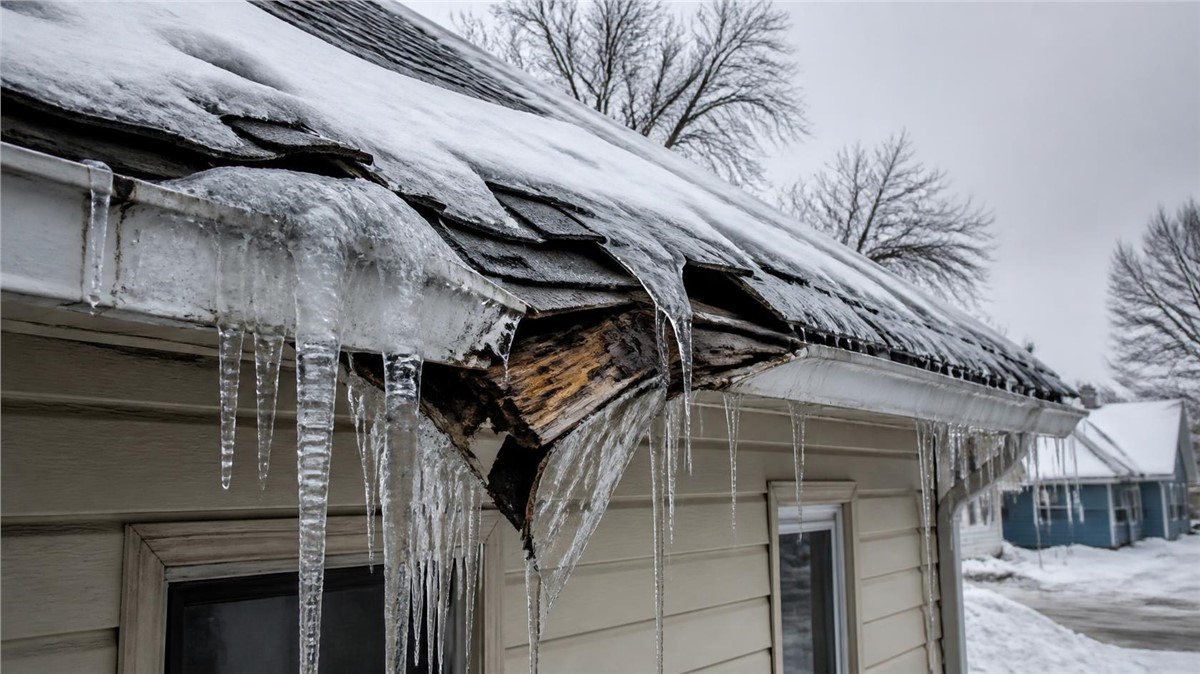
Snow and ice can add weight to roofs and gutters. Ice buildup may cause water to back up near roof edges, gutters, and trim.
Freeze-Thaw Cycles
Freeze-thaw cycles can expand small cracks and gaps. Water enters an opening, freezes, expands, and gradually makes the damage worse.
What to Do After a Storm
After severe weather, start with a safe ground-level check. Do not climb onto the roof or touch loose electrical lines, hanging branches, or unstable materials.
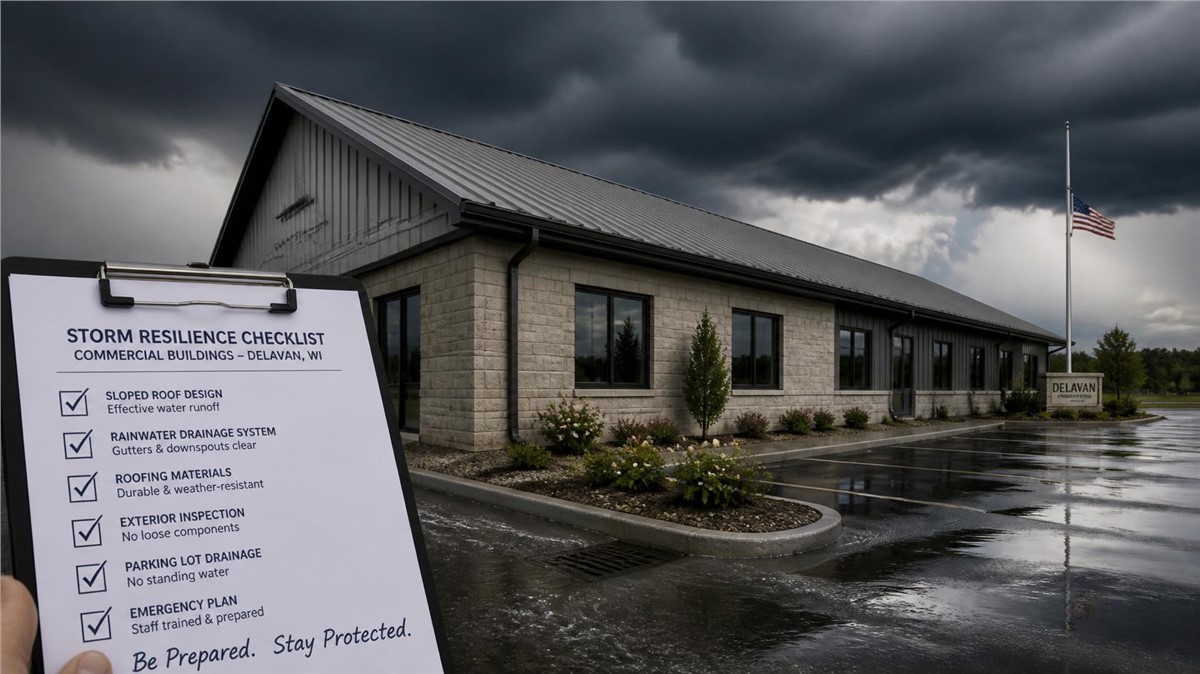
A simple post-storm checklist includes:
- Walk around the home from the ground
- Look for missing shingles or siding
- Check gutters and downspouts
- Look for dents on metal surfaces
- Inspect window screens and trim
- Check ceilings and attic spaces
- Take photos of visible damage
- Schedule a professional inspection if anything looks off
The sooner damage is found, the easier it may be to repair.
Repair vs Replacement After Storm Damage
Not every storm issue requires full replacement. Small, isolated damage may only need repair.
Repair may be enough if:
- Damage is limited to one area
- Only a few shingles or siding panels are affected
- Gutters can be reattached
- Window trim damage is minor
- There is no hidden moisture damage
Replacement may be better if:
- Damage affects multiple areas
- Leaks are recurring
- Siding is cracked across several walls
- Gutters are sagging or failing throughout the system
- Windows are leaking, foggy, or damaged
- Roofing materials are aging or weakened
A professional inspection can help homeowners decide what makes the most sense.
Why a Full Exterior Inspection Helps
Storms often damage more than one part of a home. A hailstorm may affect roofing, siding, gutters, windows, and trim at the same time. A windstorm may loosen shingles, pull siding panels away, and damage downspouts.
Huskie Exteriors provides roofing, siding, window, gutter, and storm damage restoration services, helping homeowners evaluate the full exterior system instead of focusing on only one visible issue.
Why Local Experience Matters
A local exterior contractor understands how Wisconsin weather affects homes in Darien. Hail, wind, heavy rain, snow, ice, and freeze-thaw cycles all create different types of exterior damage.
Local experience also helps homeowners get practical guidance on whether repair, replacement, or continued monitoring is the best next step.
Conclusion
Storm damage warning signs should not be ignored. Missing shingles, cracked siding, dented gutters, leaking windows, interior stains, and drainage problems can all point to exterior damage that needs attention.
For homeowners in Darien, WI, checking the full exterior after severe weather can help prevent small issues from becoming larger repairs.
If your home has signs of storm damage or you are unsure what to look for, Huskie Exteriors can help inspect the property and recommend the right next step.
Contact Huskie Exteriors for professional roofing, siding, window, gutter, and storm damage services in Illinois and Wisconsin.
Subscribe to Huskie Exteriors's Blog





Comments