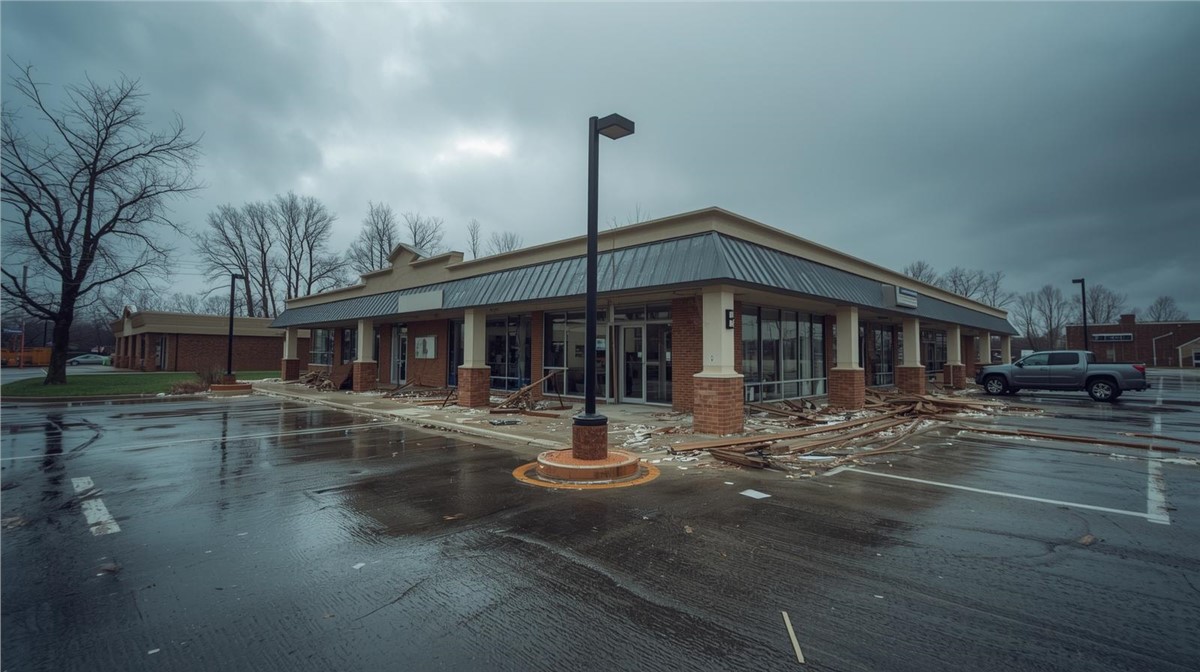
After a storm, business property owners should check the roof, siding, gutters, windows, signage, and interior for leaks or visible damage. In Bolingbrook, IL, fast documentation and a professional inspection can help prevent downtime, protect tenants or inventory, and support an insurance claim if needed.
Why This Matters in Bolingbrook, IL
Storm damage on a commercial property can affect more than the building exterior. A damaged roof, loose siding, broken gutter system, or leaking window can disrupt operations, create safety hazards, and lead to expensive repairs if ignored.
In Bolingbrook, IL, business properties often deal with:
- Hail impact on roofing and metal components
- Wind damage to roof edges, siding, and signage
- Water intrusion through seams, flashing, or windows
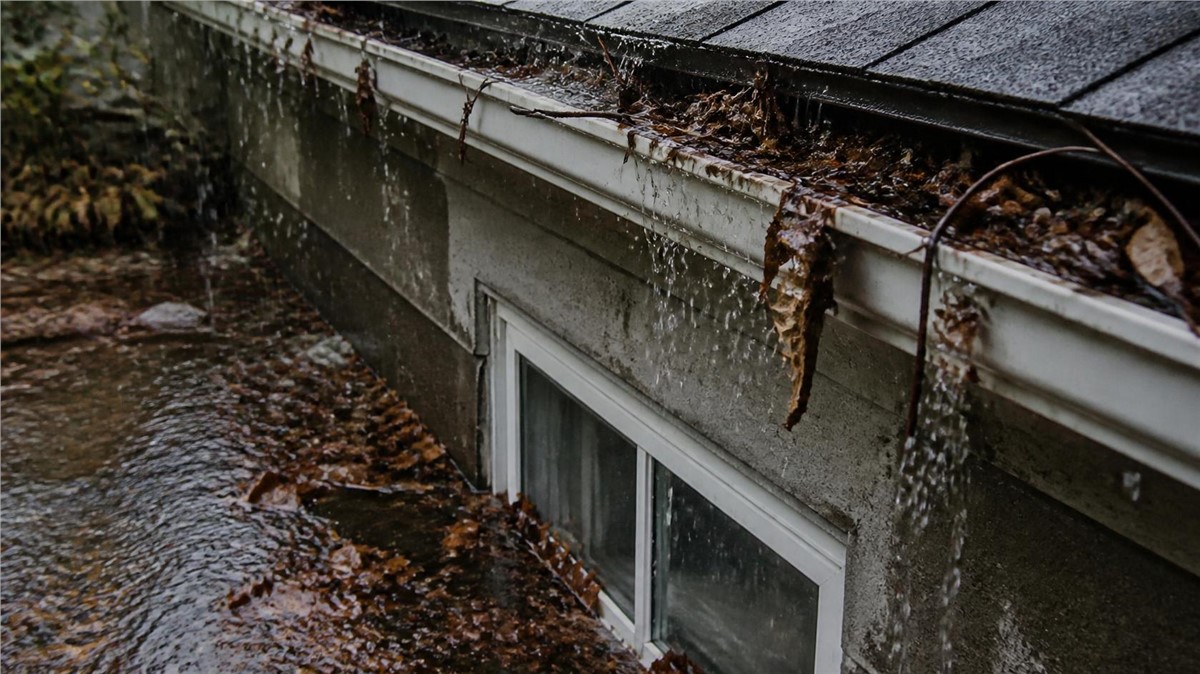
- Gutter and drainage failures after heavy rain
- Interior leaks affecting offices, inventory, or equipment
A quick inspection after severe weather helps you catch problems before they affect employees, tenants, customers, or daily operations.
First Areas to Check After a Storm
Start with safe, ground-level checks. Do not climb onto the roof or enter unsafe areas.
Common exterior warning signs include:
- Missing or loose roofing materials
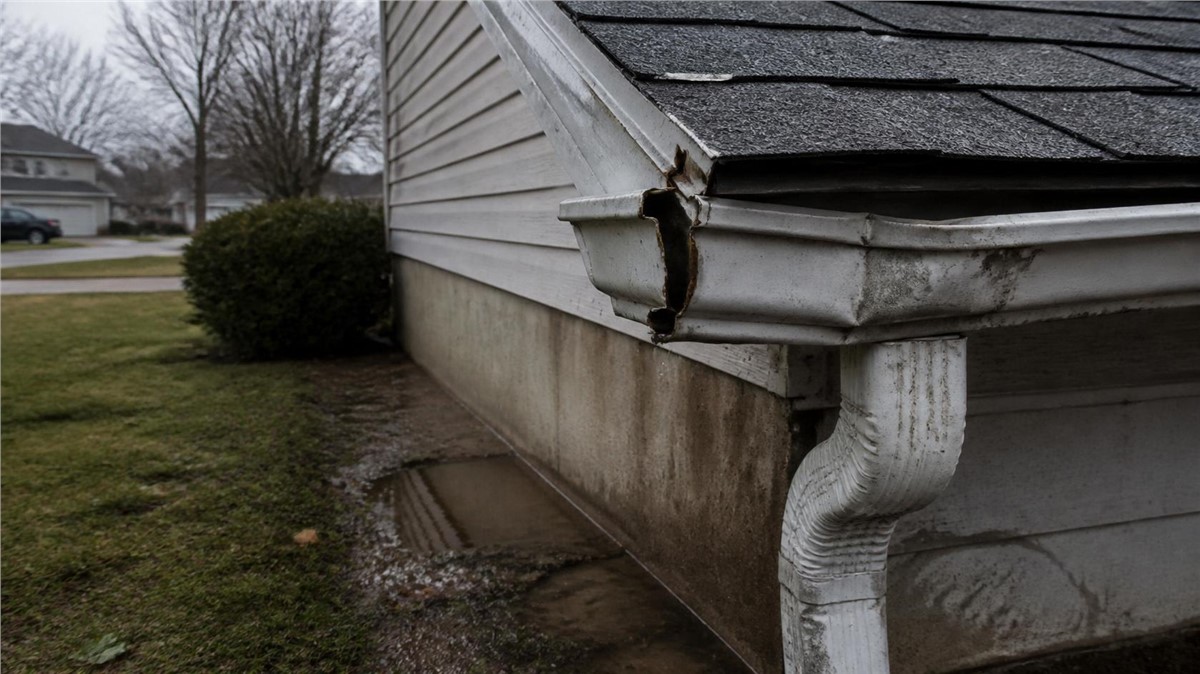
- Dented gutters, downspouts, vents, or flashing
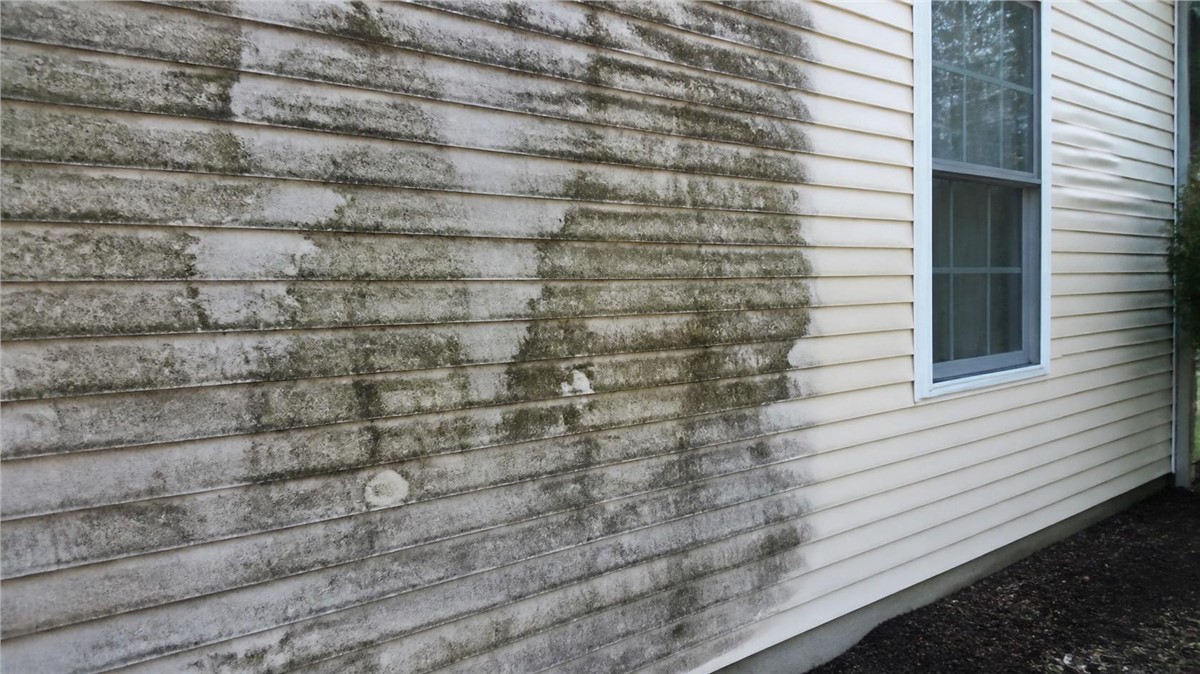
- Cracked siding or damaged exterior panels
- Broken window seals, screens, or glass
- Water pooling near entrances or foundations
- Damaged signs, awnings, or exterior fixtures
- Debris on the roof or around the building
For business property storm damage in Bolingbrook, IL, the roof and drainage system should always be inspected carefully because hidden damage can lead to leaks later.
Interior Warning Signs
Storm damage is not always obvious from outside. Check inside the building as soon as it is safe.
Look for:
- Ceiling stains or active leaks
- Wet flooring, carpet, or insulation
- Musty odors after rainfall
- Water near windows or doors
- Damaged ceiling tiles
- Electrical issues near water-damaged areas
If water is entering the building, treat it as urgent. Interior moisture can damage inventory, equipment, drywall, insulation, and electrical systems.
What to Do First
Start by protecting people and property. Block off unsafe areas, move inventory or equipment away from leaks, and place containers under active dripping if needed.
Next, document everything. Take clear photos and videos of exterior damage, interior leaks, damaged materials, and standing water. Keep notes on when the storm occurred and when the damage was discovered.
Then schedule a professional commercial storm damage inspection in Bolingbrook, IL. A contractor can identify hidden roof, siding, gutter, and window damage that may not be visible from the ground.
What a Professional Storm Damage Inspection Includes
A proper inspection should evaluate the full building envelope, not just the most obvious damage.
A professional inspection should include:
- Commercial roof surface inspection
- Flashing, seams, vents, and roof edge review
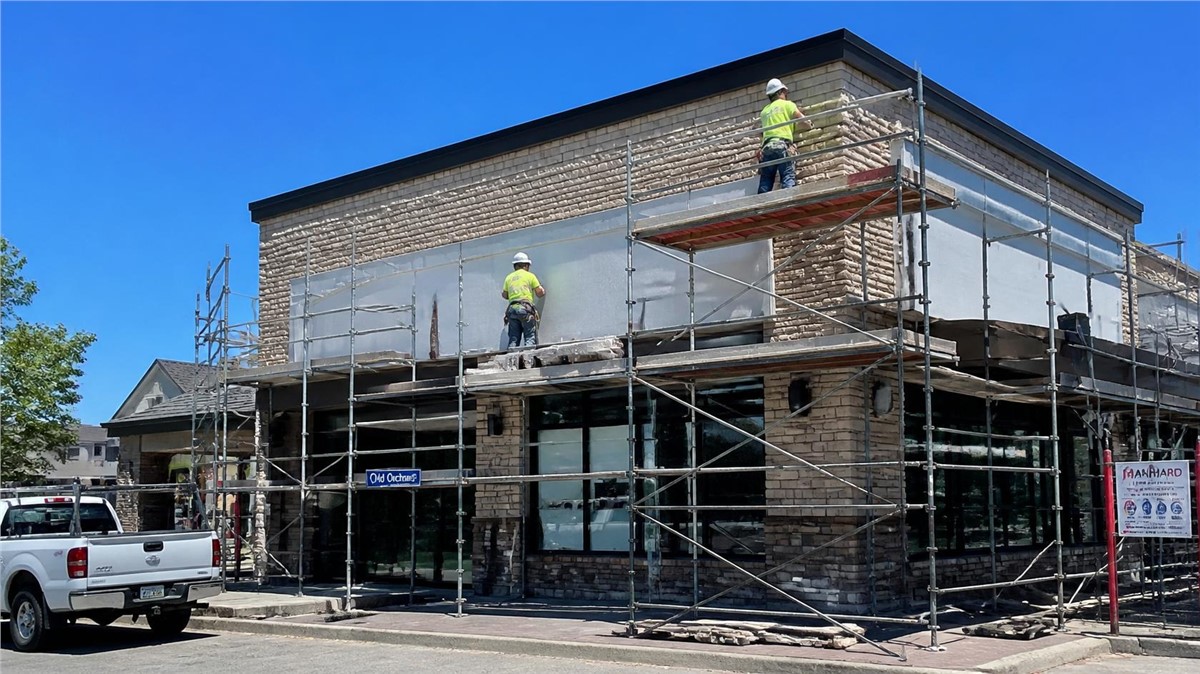
- Siding, trim, fascia, and exterior wall assessment
- Gutter, downspout, and drainage inspection
- Window, door, and seal inspection
- Interior leak and moisture evaluation
- Photo documentation for insurance
- Written repair or replacement recommendations
For business properties in Bolingbrook, IL, thorough documentation is especially important because repair delays can affect operations and insurance timelines.
Common Types of Commercial Storm Damage
Storms can damage several parts of a commercial building at once.
Roof damage
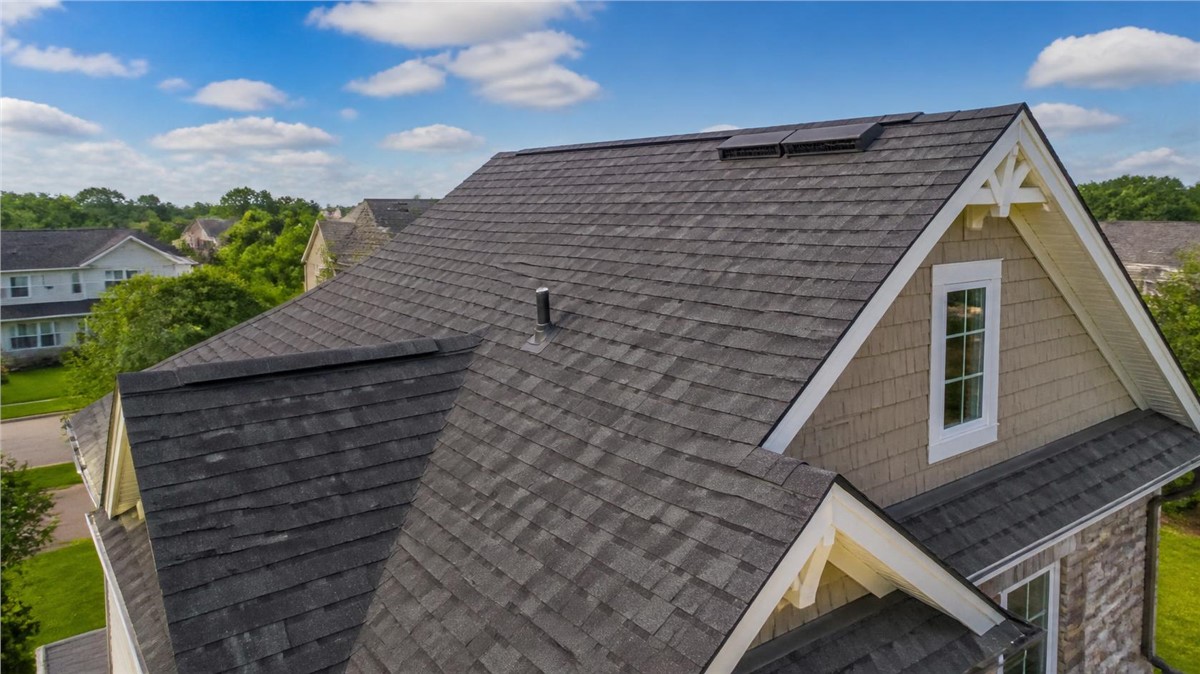
Hail, wind, and debris can damage membranes, shingles, flashing, seams, and roof edges.
Siding and exterior wall damage
Panels may crack, loosen, dent, or pull away during high winds or hail.
Gutter and drainage damage
Bent or clogged gutters can cause water to overflow near foundations, entrances, and walkways.
Window and door damage
Broken seals, cracked glass, and damaged frames can lead to drafts and water intrusion.
Signage and exterior fixture damage
Signs, awnings, lighting, and mounted equipment can loosen or break during storms.
Cost of Business Property Storm Damage Repairs
Storm damage repair costs depend on the size of the property, type of damage, and whether insurance applies.
Typical Cost Ranges
- Emergency inspection: $0 – $500
- Temporary roof tarping or leak control: $500 – $2,500+
- Minor exterior repairs: $500 – $3,000
- Moderate roof, siding, or gutter repairs: $3,000 – $15,000
- Commercial roof replacement: $7 – $18+ per square foot
- Full exterior restoration: varies by property size and scope
Cost Factors
- Roof size and accessibility
- Type of roofing system
- Extent of hail or wind damage
- Water intrusion or insulation damage
- Siding, gutter, or window repairs
- Emergency response needs
- Insurance coverage and deductible
In Bolingbrook, IL, commercial storm damage should be inspected quickly because small roof or drainage issues can become expensive if water spreads inside.
Timeline: What to Expect
Storm damage timelines vary based on severity, weather, insurance, and contractor availability.
- Initial inspection: same day to 48 hours
- Temporary protection: same day when conditions allow
- Damage documentation: 1–3 days
- Insurance adjuster visit: often 1–2 weeks
- Minor repairs: 1–3 days
- Larger restoration or replacement: several days to several weeks
After widespread storms in Bolingbrook, IL, schedules can fill quickly. Early inspection helps secure faster service and better documentation.
Insurance & Local Considerations
Storm-related damage to business properties may be covered by commercial property insurance, depending on the policy and cause of damage.
Important steps include:
- Document damage before cleanup when safe
- Save receipts for emergency repairs
- Notify your insurance provider promptly
- Keep inspection reports and written estimates
- Avoid permanent repairs before the adjuster visit unless needed to prevent further damage
Minor repairs may not require permits, but major roof replacement, siding replacement, structural work, or large exterior repairs may require permits. Your contractor should confirm local requirements before work begins.
Repair or Replace?
Not every storm-damaged property needs full replacement. The right solution depends on the age, condition, and extent of damage.
Repair may make sense when damage is isolated, the existing materials are still in good condition, and there is no major moisture intrusion.
Replacement may be better when damage is widespread, the roof or siding is near the end of its lifespan, insulation is wet, or repeated repairs are no longer cost-effective.
A professional inspection helps determine the best path for your building and budget.
How to Choose the Right Storm Damage Contractor
Commercial properties need a contractor who understands both exterior systems and business disruption.
Ask:
- Do you inspect commercial roofs, siding, gutters, and windows?
- Are you licensed and insured in Illinois?
- Can you provide photo documentation for insurance?
- Do you offer emergency temporary repairs?
- How will you minimize disruption to business operations?
Avoid:
- Out-of-town storm chasers
- Verbal-only estimates
- High-pressure sales tactics
- No proof of insurance
- Contractors who only inspect one part of the building
The right contractor should explain what needs immediate attention, what can wait, and what should be documented for insurance.
FAQs
What should I check first after storm damage?
Start with safety, then check the roofline, gutters, siding, windows, signs, and interior ceilings for leaks or visible damage.
Should I inspect the roof myself?
No. Commercial roofs can be dangerous after storms. Inspect from the ground and call a professional.
Will insurance cover business property storm damage?
Often yes, if the damage was caused by a covered event such as hail, wind, or falling debris.
Can emergency repairs be done before the adjuster comes out?
Temporary repairs to prevent further damage are usually acceptable, but document everything first.
How fast should I schedule an inspection?
As soon as possible. Early documentation helps prevent further damage and supports the insurance process.
Get Emergency Storm Damage Help in Bolingbrook, IL
If your business property was hit by hail, wind, or heavy rain, don’t wait for leaks or damage to spread.
Schedule your free inspection today with Huskie Exteriors.
Get fast response, clear documentation, and professional storm damage help for your Bolingbrook, IL business property.
Subscribe to Huskie Exteriors's Blog





Comments