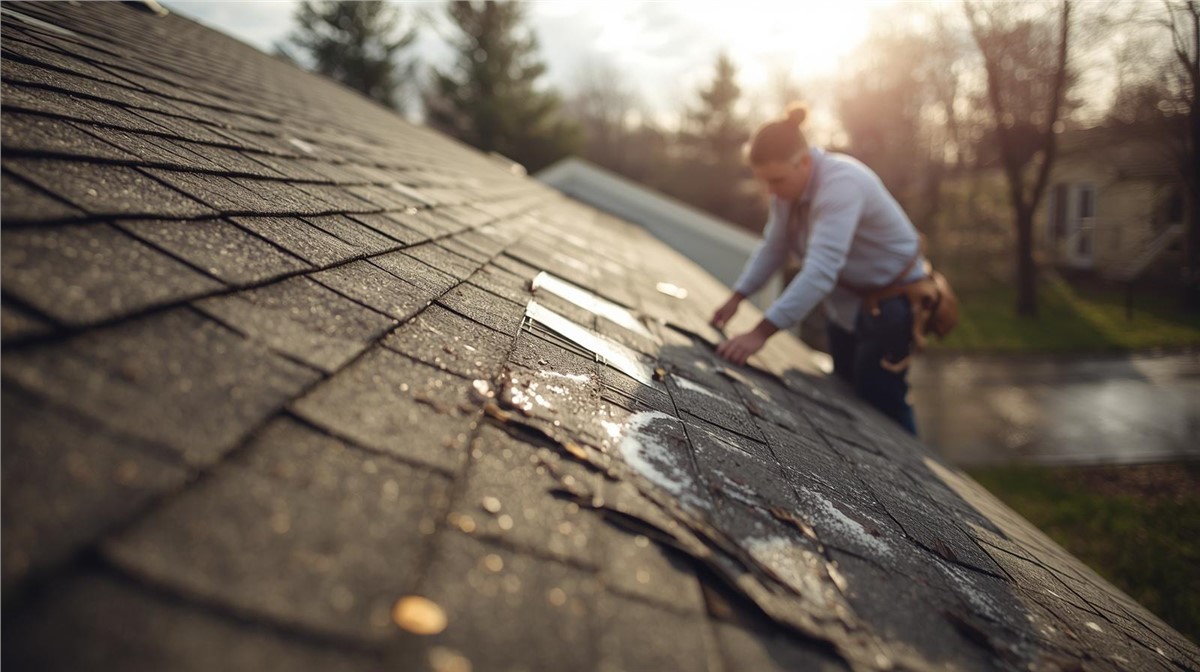
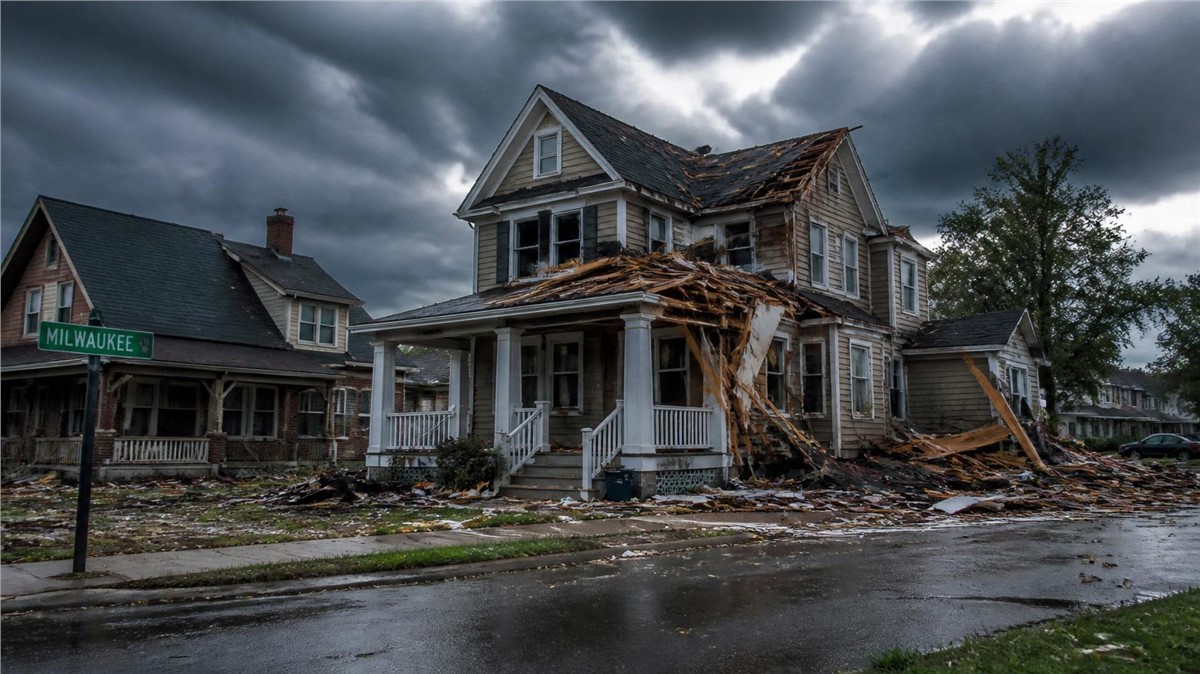
After a storm in Durand, IL, call a roofing contractor if you notice missing or lifted shingles, damaged flashing, dented gutters, debris impact, water stains inside, or any sign of a leak. Even minor-looking storm damage can let water into the roof system and lead to bigger repairs later. Recent guidance also says a professional inspection is especially important after moderate hail, golf-ball-size hail or larger, or obvious wind damage.
Why This Matters in Durand, IL
In Durand, roofs have to handle wind, rain, hail, snow, and freeze-thaw cycles. After a storm, damage is not always obvious from the ground, but even small failures can let water seep in and create more expensive problems later. Current 2026 guidance says storm damage should be addressed promptly because minor issues can quickly turn into leaks and larger repairs.
That is why the question is not just whether the roof “looks bad.” It is whether the storm created any openings, loosened materials, or damaged drainage components enough that water can start getting into the home.
What to Check After a Storm
Start with a safe ground-level check. Do not climb on the roof yourself.
Look for:
- missing, cracked, bent, or misaligned shingles
- pieces of shingles in the yard
- dented gutters, fascia, or flashing
- branches or debris on the roof
- sagging or loose gutters
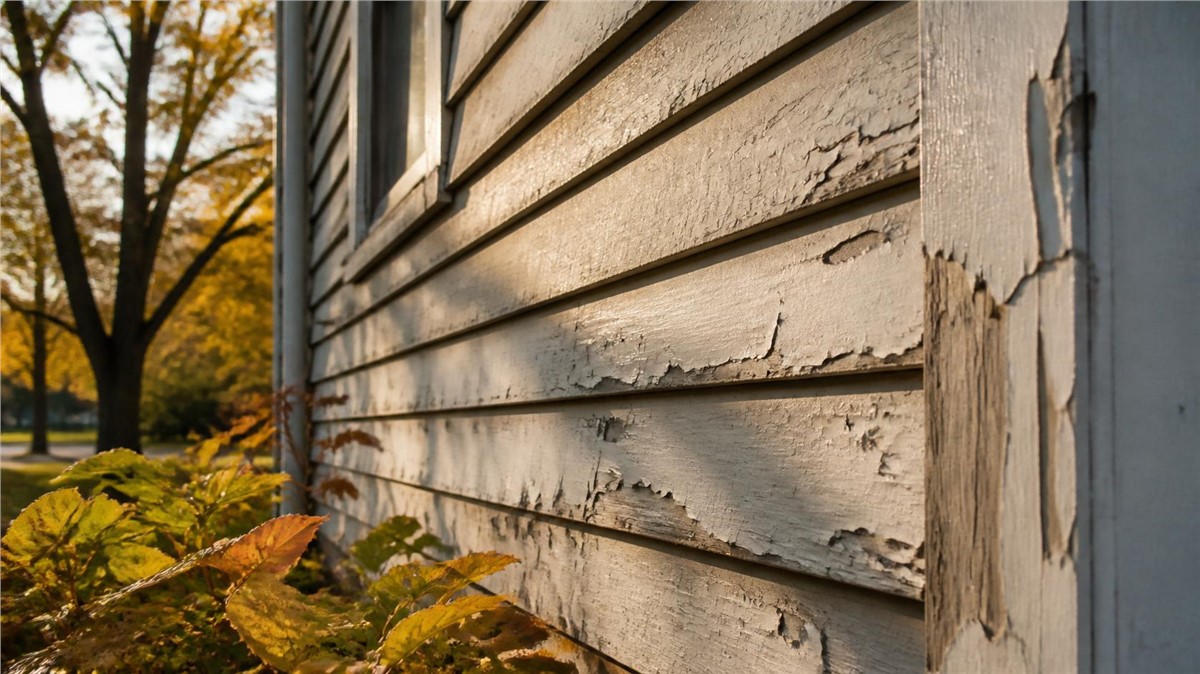
- exposed wood or dark patches on the roof
- water stains on ceilings or in the attic
- damp insulation or musty smells inside
These are all common warning signs of storm-related roof damage.
Common Types of Storm Damage
Wind Damage
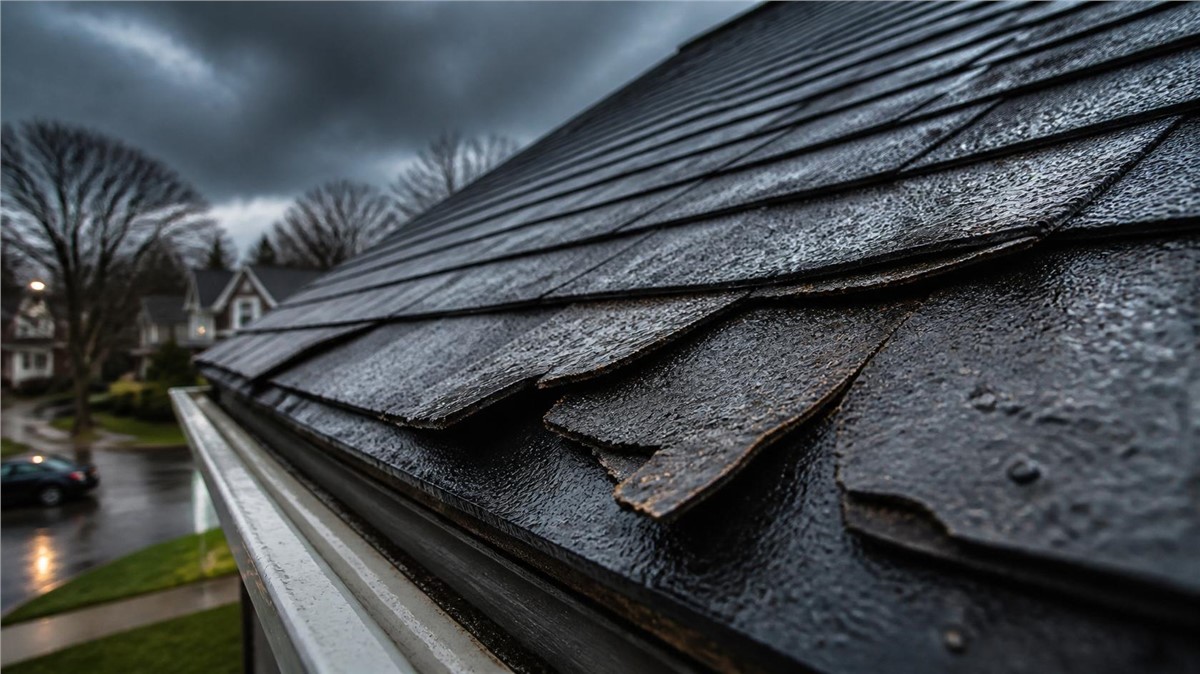
Wind often shows up as missing or misaligned shingles. One of the clearest signs of wind damage is interrupted shingle lines where shingles are missing or partially lifted. Wind can also shift flashing and affect gutters.
Hail Damage
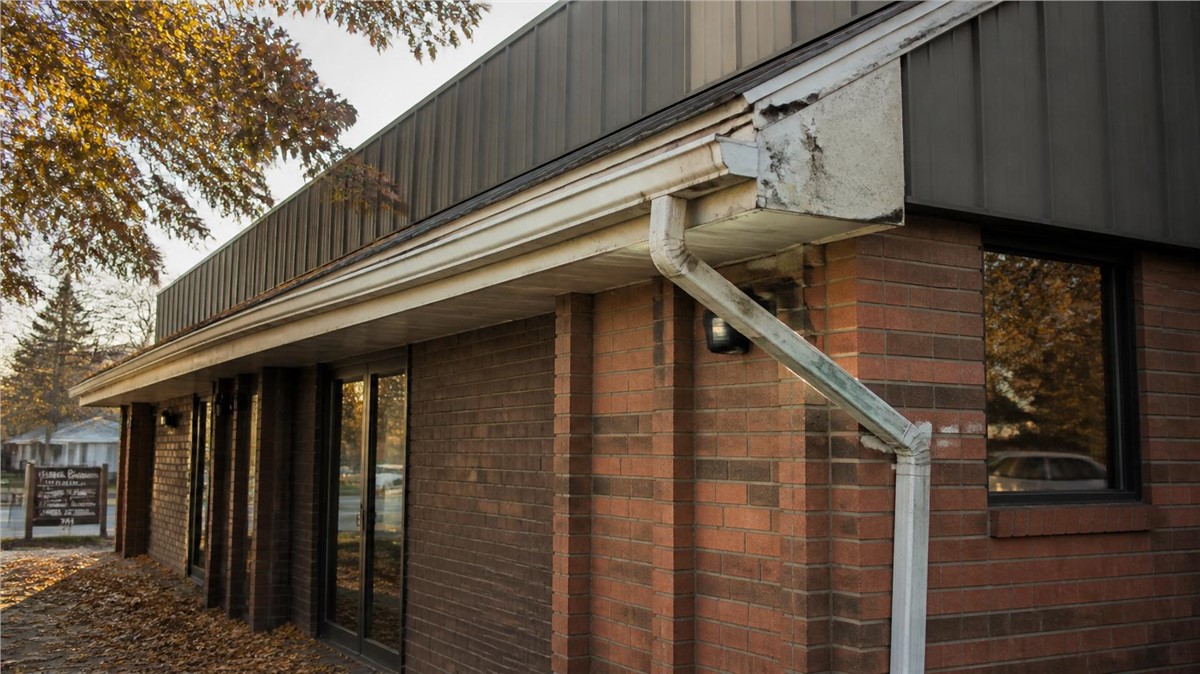
Hail can damage shingles, flashing, gutters, fascia, and other metal roof components. Dents are often easier to spot on metal parts like gutters and flashing than on shingles themselves. If hail was golf-ball size or larger, a professional inspection is strongly recommended because hail damage can be hard to identify correctly from the ground.
Debris Impact
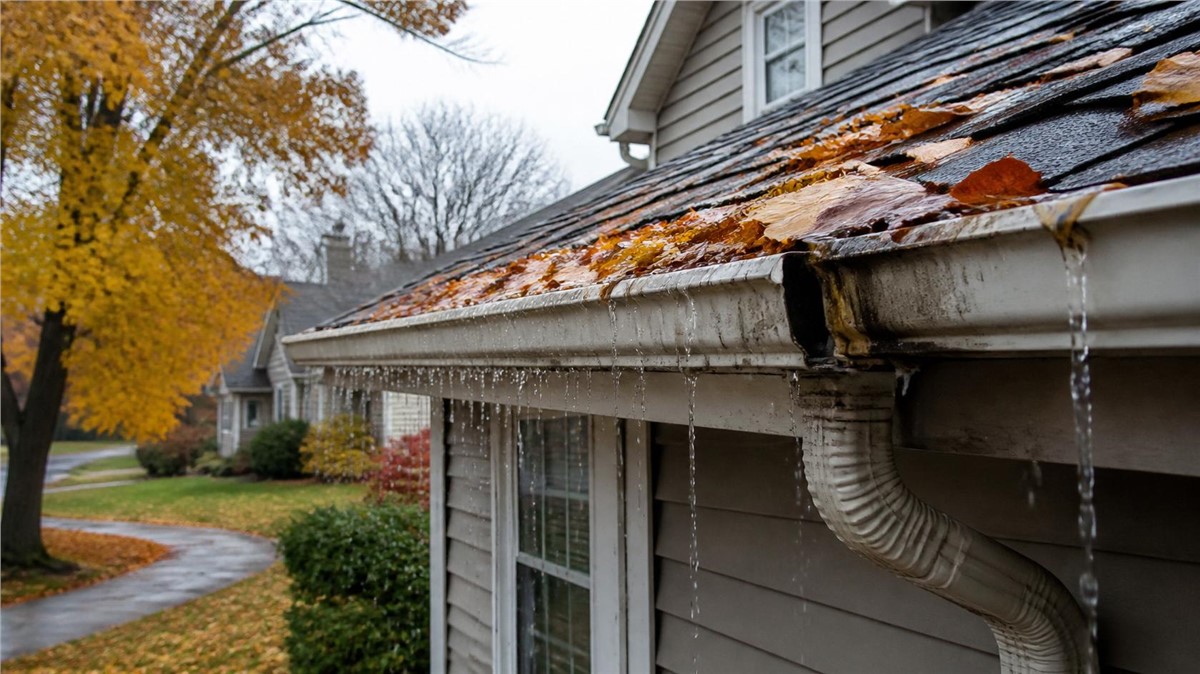
Branches and flying debris can knock gutters out of place, damage flashing, or crack roofing materials. After storms, gutter and flashing damage are important to check because they can break the roof’s water seal even if the shingles do not look severely damaged.
When to Call a Contractor Right Away
Call a contractor as soon as possible if you notice:
- missing shingles
- loose, bent, or cracked shingles
- damaged flashing
- gutter damage or sections pulling away
- interior leaks or ceiling stains
- branches impacting the roof
- visible sagging
- hail that was around 1 inch in diameter or larger
- any active water entry
Current 2026 guidance specifically says to call a local roofing company as soon as possible if you spot damaged or missing shingles or tiles. It also says storms with hailstones 1 inch or greater are considered severe and are likely to damage roofing materials.
When a Professional Inspection Is Especially Worth It
Even if you do not see a leak yet, a professional inspection is especially worth it when:
- the storm included hail
- strong winds hit the area
- you see dents on metal roof components
- the roof is older
- you already had minor roofing issues before the storm
- you are unsure what you are looking at from the ground
Current guidance says a professional roof inspection after moderate hail commonly costs about $125 to $600, and it recommends one because hail damage can be missed easily.
What Homeowners Should Do First
1. Stay Off the Roof
If you suspect hail damage or storm damage, do not climb onto the roof yourself. That is not a good idea and contacting a roofing contractor for an inspection instead is the safer move.
2. Document What You See
Take photos of:
- missing shingles
- gutter dents
- flashing issues
- fallen branches
- ceiling stains
- attic moisture
- any visible damage around the house
Documentation is useful for repair planning and can also help if the damage becomes part of an insurance claim.
3. Prevent Further Damage if Safe
If there is active leaking, take safe temporary steps indoors to protect floors, furniture, or equipment. Temporary measures to prevent more damage are important while waiting for repairs.
4. Schedule an Inspection Promptly
Small problems after storms can become larger repairs if left alone. Prompt action helps keep repair costs down and prevents a minor issue from turning into a major one.
What a Contractor Will Look For
A professional after-storm roof inspection usually includes checking:
- shingle condition
- flashing
- vents and penetrations
- gutters and downspouts
- fascia boards
- roof edges
- attic moisture signs
- hail dents on metal components
- evidence of lifted or broken roofing materials
Professionals should check for missing shingles, worn spots, cracked or broken tiles, broken fascia boards, and loose metal sheeting after storms.
Local Notes for Durand, IL
For local permitting, Winnebago County’s Community Development department provides residential building permit applications and permit forms. Because the public materials reviewed are general permit resources rather than a simple roofing-specific homeowner rule for Durand, the safest approach is to have the contractor verify the exact permit requirement for your roof repair scope before work begins.
FAQs
Should I call a roofer after every storm?
Not after every small rainstorm. But you should call after storms with hail, strong winds, debris impact, or anytime you notice missing shingles, dented gutters, flashing damage, or interior moisture.
What size hail can damage a roof?
Recent guidance says hail around 1 inch in diameter or greater is considered severe and is likely to cause roofing damage.
Can storm damage be hidden?
Yes. Hail and wind damage are not always obvious from the ground, and some roof problems only show up later as leaks or moisture issues.
Is gutter damage a roofing issue too?
Yes. Storms can dent, clog, or pull gutters loose, and damaged gutters can affect roof-edge drainage and contribute to leaks.
Do I need a permit for roof storm repair in Durand, IL?
The permit resources reviewed show that Winnebago County provides residential building permit applications, but they do not clearly state a simple one-line roofing rule for every repair type in Durand. Your contractor should verify the exact local requirement for the project scope before starting.
Get a Free Estimate in Durand, IL
If your roof in Durand, IL may have storm damage, Huskie Exteriors is here to help with honest inspections and practical recommendations built for Midwest weather. We serve homeowners across Northern Illinois and Southern Wisconsin with roofing, siding, gutters, and windows designed for long-term performance.
Schedule your free estimate with Huskie Exteriors today. We will inspect the roof, explain what the storm likely affected, and help you decide on the right next step before minor damage turns into a bigger repair.
Subscribe to Huskie Exteriors's Blog





Comments