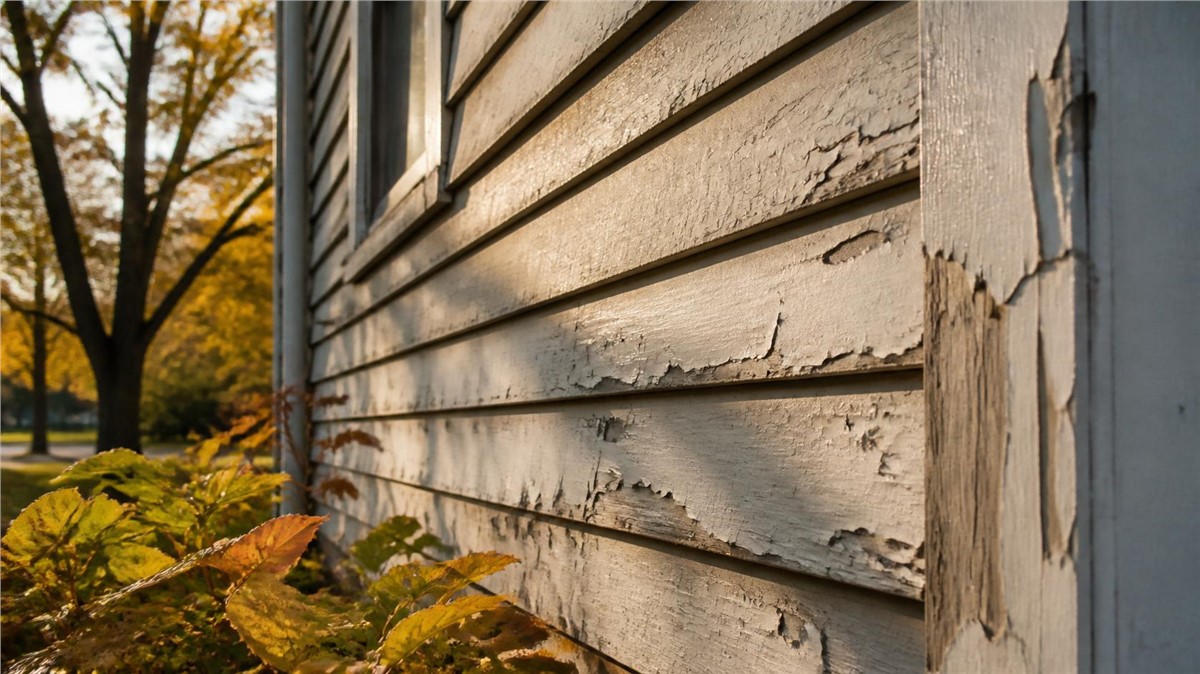
Cracked siding may look like a small cosmetic issue, but it can create bigger problems if ignored. Siding helps protect your home from rain, snow, wind, pests, moisture, and seasonal temperature changes. When cracks appear, water can sometimes get behind the siding and affect the wall system underneath.
For homeowners in North Prairie, WI, cracked siding is especially important to address because Wisconsin weather can be tough on exterior materials. Hail, wind, heavy rain, snow, ice, humidity, and freeze-thaw cycles can all weaken siding over time.
This guide explains common causes of cracked siding, repair options, and when replacement may be the better choice.
Why Cracked Siding Should Not Be Ignored
A small crack may not seem urgent, but siding cracks can create openings for moisture, insects, and wind-driven rain. Over time, this can affect the materials behind the siding.
Cracked siding may lead to:
- Moisture behind the wall
- Soft sheathing
- Mold or mildew concerns
- Interior wall stains
- Damaged insulation
- Peeling paint
- Pest entry
- Drafts
- Lower curb appeal
The sooner cracked siding is inspected, the easier it may be to prevent larger repairs.
Cause 1: Hail Damage
Hail is one of the most common causes of cracked siding in Wisconsin. Hailstones can strike siding with enough force to crack, chip, dent, or puncture the panels.
Hail damage may appear as:
- Round cracks
- Small holes
- Chipped edges
- Broken corners
- Dented trim
- Marks on one side of the home
- Damage near gutters and windows
Hail may also damage the roof, gutters, downspouts, window screens, fascia, soffit, and trim during the same storm.
Cause 2: Wind Damage
Strong wind can loosen siding panels, pull them away from the wall, or cause materials to shift. Once siding is loose, it may crack or break more easily.
Wind damage may include:
- Loose panels
- Open seams
- Missing siding sections
- Broken corner pieces
- Rattling during storms
- Panels pulling away from trim
- Water stains after wind-driven rain
If siding moves in the wind, it should be inspected before the next storm makes the problem worse.
Cause 3: Impact Damage
Cracked siding can also happen from everyday impact around the home. This may include lawn equipment, branches, outdoor furniture, sports equipment, or debris during storms.
Impact damage may appear near:
- Ground-level walls
- Garage areas
- Driveways
- Patios
- Decks
- Walkways
- Areas near trees
Even if the damage looks small, the area should be checked for moisture entry.
Cause 4: Age and Brittleness
As siding ages, it may become brittle. Older siding is more likely to crack during storms, temperature swings, or minor impact.
Signs of aging siding include:
- Fading
- Chalky surface
- Brittle panels
- Repeated cracks
- Warping
- Loose sections
- Poor color consistency
- Difficulty matching replacement panels
If the siding is cracked in several areas, replacement may be more practical than repeated repairs.
Cause 5: Temperature Changes
Wisconsin weather brings seasonal temperature swings. Siding expands and contracts as temperatures change. If the siding was installed too tightly or has aged over time, movement may lead to cracks.
Temperature-related cracking may happen near:
- Long wall sections
- Corners
- Windows
- Doors
- Trim transitions
- Sun-exposed walls
- Areas with poor panel movement
Proper installation allows siding to move slightly with temperature changes.
Cause 6: Poor Installation
Siding that was installed incorrectly may crack, buckle, or pull loose over time. This can happen when panels are fastened too tightly, overlap poorly, or lack proper clearance.
Installation problems may include:
- Panels nailed too tightly
- Poor expansion space
- Uneven alignment
- Missing flashing
- Gaps around trim
- Loose corner pieces
- Water behind siding
- Improper fastening
Poor installation can reduce siding performance and lead to repeated repair needs.
Cause 7: Moisture Behind Siding
Moisture behind siding can weaken the wall system and cause visible exterior problems. Sometimes siding cracks are only one sign of a larger moisture issue.
Warning signs include:
- Warped siding
- Soft trim
- Dark stains
- Mold or mildew
- Musty odors
- Interior wall stains
- Peeling paint
- Water marks below windows
- Damp insulation
If moisture damage is present, the repair may need to include more than replacing a cracked panel.
Cause 8: Gutter and Drainage Problems
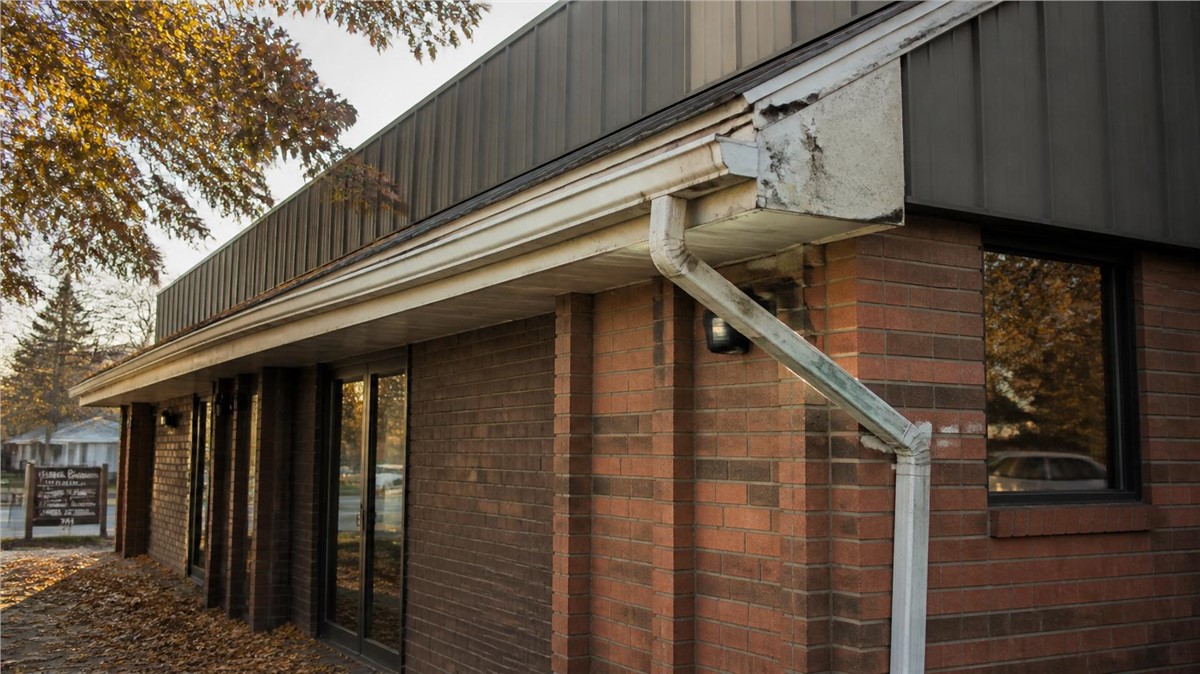
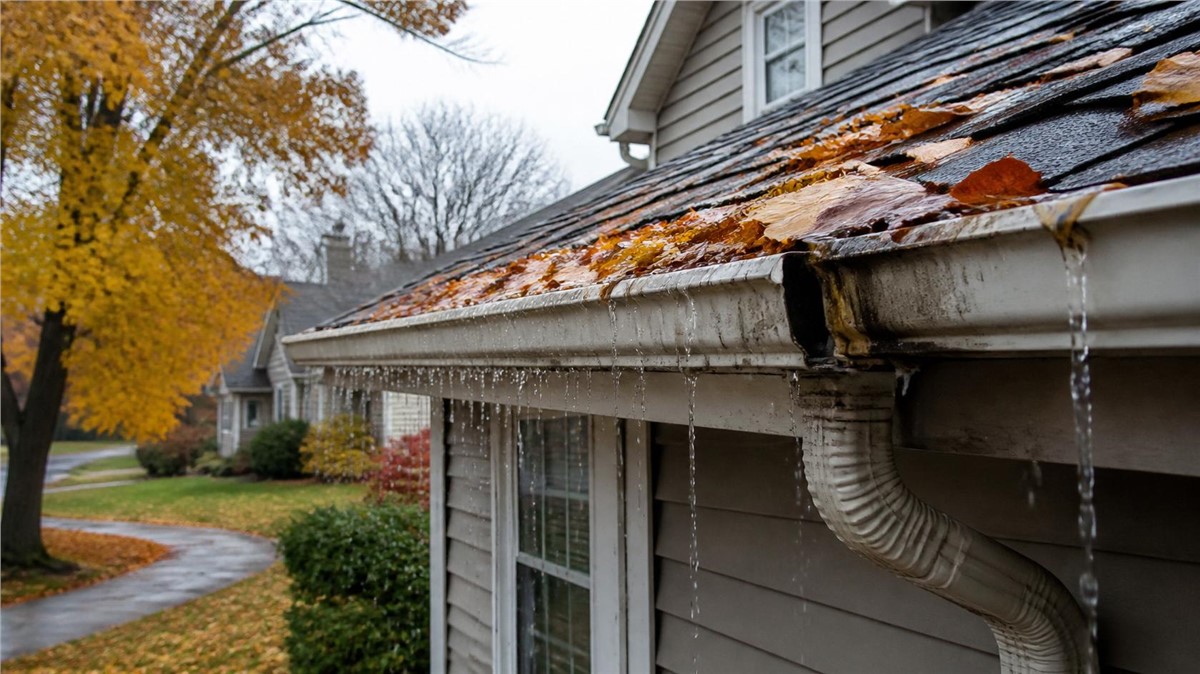
Poor drainage can contribute to siding damage. If gutters overflow, leak, or drain too close to the home, water may run down siding and create moisture problems.
Gutter-related issues may include:
- Overflow during heavy rain
- Leaking seams
- Sagging gutters
- Short downspouts
- Ice buildup near rooflines
- Water pooling near the foundation
- Siding stains below gutters
- Fascia or soffit damage
If cracked siding appears below a gutter problem, drainage should be inspected too.
How to Check Cracked Siding Safely
Homeowners can check siding safely from the ground. Avoid using ladders in unsafe conditions, especially after storms.
Look for:
- Visible cracks
- Holes or punctures
- Loose panels
- Broken corner pieces
- Water stains
- Warped siding
- Gaps around windows
- Siding pieces in the yard
- Damage near gutters or roof edges
Take photos of visible damage and note when you first noticed the issue.
Repair Option 1: Replace Individual Panels
If damage is limited to one or two panels and matching siding is available, individual panel replacement may be an option.
This may work when:
- Damage is isolated
- Matching siding is available
- No moisture damage is found
- The surrounding siding is in good condition
- The siding is not brittle
Panel replacement can restore protection without replacing the entire exterior.
Repair Option 2: Repair Trim and Corner Pieces
Sometimes the cracked area involves trim, corners, or siding accessories rather than the main wall panels.
Repair may include:
- Corner post replacement
- Window trim repair
- Door trim repair
- J-channel replacement
- Utility block replacement
- Vent block replacement
- Caulking or sealing where appropriate
Trim repairs are important because many moisture problems begin near openings and transitions.
Repair Option 3: Address Moisture Damage First
If cracked siding allowed water behind the wall, the hidden damage must be addressed before new siding is installed.
Moisture-related repairs may include:
- Removing damaged siding
- Inspecting sheathing
- Repairing soft wall areas
- Replacing damaged house wrap
- Correcting flashing problems
- Repairing trim
- Improving drainage
Covering moisture damage without fixing the source can lead to future problems.
Repair Option 4: Replace a Larger Wall Section
If matching siding is difficult, replacing a larger wall section may create a cleaner appearance. This may be helpful when older siding has faded or the original product is discontinued.
A larger section may be considered when:
- A small patch would stand out
- Multiple panels are cracked
- One wall has visible storm damage
- Color matching is poor
- The siding profile is difficult to find
This option can be a middle ground between small repair and full replacement.
Repair Option 5: Full Siding Replacement
Full siding replacement may be the better choice when cracks are widespread or the siding is no longer performing well.
Replacement may make sense if:
- Cracks appear on multiple walls
- Siding is brittle or faded
- Moisture damage is present
- Storm damage is widespread
- Repairs would not match well
- Panels keep coming loose
- The siding is near the end of its lifespan
- The home needs a curb appeal update
Replacement also gives homeowners the opportunity to improve house wrap, flashing, trim, and exterior appearance.
When Cracked Siding May Be Storm Damage
Cracked siding after hail or wind should be inspected quickly. Storm damage may affect more than one part of the home.
Storm-related signs may include:
- Cracked siding on one side of the home
- Dented gutters
- Torn screens
- Missing shingles
- Dented roof vents
- Broken trim
- Loose siding panels
- Water stains indoors
If storm damage is suspected, document visible damage from the ground and schedule a professional inspection.
Repair vs Replacement
Choosing between repair and replacement depends on the extent of the damage and the condition of the siding.
Repair may be enough if:
- Damage is isolated
- Matching material is available
- No moisture damage is present
- The siding is still flexible and secure
- The rest of the exterior is in good condition
Replacement may be better if:
- Cracks are widespread
- Siding is brittle or faded
- Moisture has entered the wall system
- Matching is not possible
- Storm damage affects multiple areas
- Repairs keep happening
A professional inspection can help homeowners make the right choice.
What Should Be Included in a Siding Repair Estimate?
A siding repair estimate should clearly explain the damage and repair plan.
A good estimate may include:
- Inspection findings
- Damage location
- Siding material
- Matching availability
- Repair or replacement recommendation
- Trim or flashing needs
- Moisture concerns
- Labor and access factors
- Cleanup details
- Warranty information
The estimate should explain more than price. It should clarify what problem is being solved.
Why a Full Exterior Inspection Helps
Cracked siding may be connected to other exterior problems. Roofing, gutters, windows, fascia, soffit, flashing, trim, and drainage all affect how water moves around the home.
A full exterior inspection may include:
- Siding
- Roofing and roof edges
- Gutters and downspouts
- Windows and trim
- Fascia and soffit
- Flashing
- Interior moisture signs
- Storm damage areas
Huskie Exteriors provides roofing, siding, window, gutter, and storm damage restoration services, helping homeowners evaluate the full exterior system.
Why Local Exterior Experience Matters
A local contractor understands how Wisconsin weather affects siding. In North Prairie, WI, homes need siding that can handle hail, wind, heavy rain, snow, ice, humidity, heat, and freeze-thaw cycles.
Local experience helps homeowners understand whether cracked siding is caused by storm damage, aging materials, moisture, poor drainage, impact damage, installation problems, or hidden exterior issues.
Conclusion
Cracked siding in North Prairie, WI can be caused by hail, wind, impact damage, age, temperature changes, moisture, poor installation, or drainage problems. Small isolated cracks may be repairable, while widespread damage, hidden moisture, poor matching, or brittle siding may make replacement the better option.
If your siding is cracked, loose, storm-damaged, moisture-damaged, or difficult to match, Huskie Exteriors can inspect your home and recommend the right next step.
Contact Huskie Exteriors for professional roofing, siding, window, gutter, and storm damage services in Illinois and Wisconsin.
Subscribe to Huskie Exteriors's Blog





Comments