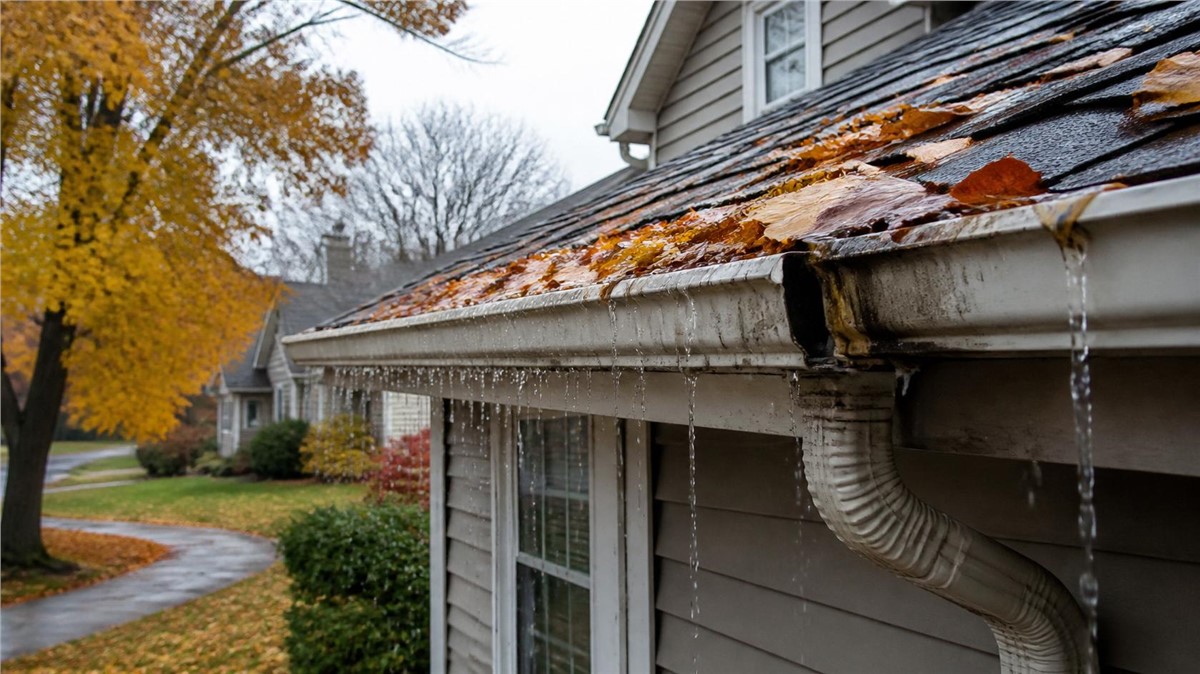
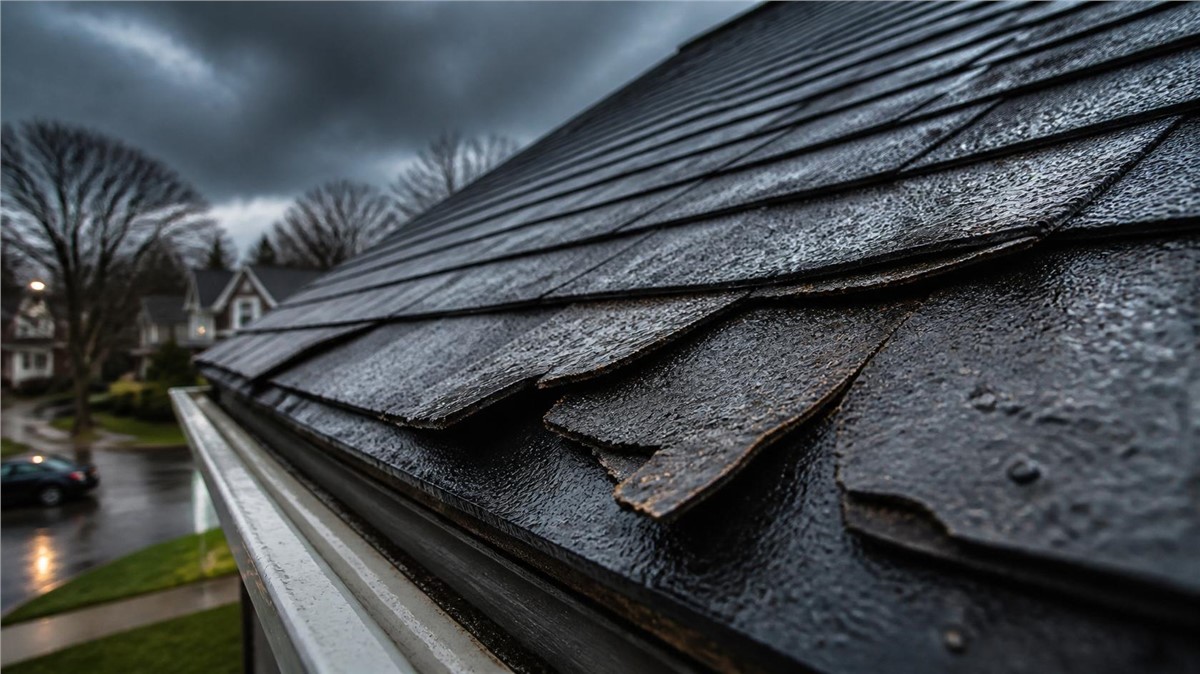
Leaking gutters may seem like a small issue, but they can lead to bigger problems if ignored. Gutters are designed to move rainwater and melting snow away from your roof, siding, fascia, soffit, foundation, landscaping, and basement.
For homeowners in Menomonee Falls, WI, gutter problems can become more serious because of heavy rain, snow, ice, wind, hail, leaves, and freeze-thaw cycles. A small leak can worsen over time, especially if water is already running behind the gutter or pooling near the foundation.
This guide explains when leaking gutters can be repaired, when replacement may be the better option, and what homeowners should look for before deciding.
Why Leaking Gutters Should Not Be Ignored
Gutters protect several parts of your home. When they leak, overflow, or drain incorrectly, water can move into areas where it should not go.
Leaking gutters may lead to:
- Fascia damage
- Soffit damage
- Siding stains
- Roof edge wear
- Foundation moisture
- Basement water issues
- Soil erosion
- Ice buildup near walkways
- Landscaping damage
- Mold or mildew concerns
Even if the leak looks minor, it should be inspected before the next heavy rain or snowmelt.
Common Causes of Leaking Gutters
Gutter leaks can happen for many reasons. Some are simple repair issues, while others point to a failing gutter system.
Common causes include:
- Loose seams
- Cracked sealant
- Rust or corrosion
- Holes or punctures
- Sagging sections
- Poor slope
- Loose fasteners
- Clogged gutters
- Dented sections from hail
- Gutters pulling away from fascia
- Downspouts not draining properly
The cause of the leak helps determine whether repair or replacement makes more sense.
When Gutter Repair May Make Sense
Gutter repair may be the right choice when the leak is small, isolated, and the rest of the system is still in good condition.
Repair may make sense if:
- One seam is leaking
- One downspout is loose
- A small section needs resealing
- One hanger or fastener is loose
- A minor slope adjustment is needed
- The gutters are not rusted throughout
- Fascia and soffit are still solid
- The system drains properly overall
For newer or well-maintained gutters, a targeted repair may restore proper performance.
When Gutter Replacement May Be Better
Gutter replacement may be the better choice when leaks are widespread or the system no longer drains properly.
Replacement may be better if:
- Multiple seams are leaking
- Gutters sag in several areas
- Sections are rusted, cracked, or bent
- Gutters pull away from the fascia
- Water runs behind the gutter
- Downspouts are poorly placed
- Repairs keep failing
- The system is undersized
- Fascia damage is present
- Water keeps pooling near the foundation
If the system is no longer moving water away from the home, replacement may be more practical than repeated repairs.
Leaking Seams
Seams are common leak points, especially on older sectional gutters. Sealant can break down over time due to weather, expansion, contraction, ice, and age.
A leaking seam may appear as:
- Dripping at gutter joints
- Water stains below seams
- Rust near connections
- Water spilling during rain
- Separation between gutter pieces
If only one seam is leaking, repair may be possible. If several seams are leaking, seamless gutter replacement may be worth considering.
Sagging Gutters
Sagging gutters may leak because water no longer flows correctly toward the downspouts. Instead, water can sit in low areas, spill over the front, or leak from weak points.
Sagging may be caused by:
- Loose hangers
- Heavy debris
- Ice buildup
- Old fasteners
- Weak fascia
- Poor installation
- Water weight from clogs
If the fascia is still solid, the gutter may be adjustable. If the gutter is bent or the fascia is damaged, replacement or exterior repair may be needed.
Rust, Cracks, and Holes
Rust, cracks, and holes are signs that the gutter material may be failing. Small isolated holes may sometimes be sealed temporarily, but widespread corrosion usually points toward replacement.
Watch for:
- Rust stains
- Pinholes
- Cracked sections
- Water dripping from the gutter bottom
- Peeling finish
- Weak or brittle areas
- Leaks during light rain
If the gutter material is deteriorating, repairs may not last long.
Gutters Pulling Away from the Home
Gutters should stay securely attached to the fascia. If they pull away, water can run behind the gutter and damage roof edges, fascia, soffit, and siding.
Signs include:
- Gaps behind gutters
- Loose fasteners
- Gutters tilted forward
- Water stains on fascia
- Water dripping behind gutters
- Sagging roofline sections
This problem should be inspected quickly because it may involve damaged fascia or old fastener failure.
Poor Gutter Slope
Gutters need proper slope to move water toward downspouts. If the slope is wrong, water may sit in the gutter or overflow in the wrong areas.
Signs of poor slope include:
- Standing water after rain
- Overflow far from downspouts
- Leaks near low spots
- Water spilling over the front
- Debris collecting in one section
- Ice forming in the same area
Minor slope issues may be repairable. Severe slope problems across long runs may require replacement.
Clogged Gutters Can Look Like Leaks
Sometimes gutters appear to be leaking when they are actually clogged. Leaves, sticks, roof granules, and debris can block water flow.
Clogged gutters may cause:
- Overflow during rain
- Water spilling over the front
- Water backing up near roof edges
- Downspouts not draining
- Heavy debris buildup
- Ice dams near gutters
Cleaning may solve the problem if the gutter system is still in good condition. If leaks remain after cleaning, repair or replacement may be needed.
Downspout Problems
Downspouts are just as important as the gutters. If downspouts are clogged, loose, undersized, or poorly placed, water may overflow or drain too close to the home.
Downspout problems may include:
- Water backing up into gutters
- Loose downspout sections
- Short extensions
- Water pooling near the foundation
- Drainage toward walkways
- Ice buildup near entrances
- Basement moisture concerns
A gutter repair or replacement plan should include downspout placement and drainage direction.
Storm Damage and Leaking Gutters
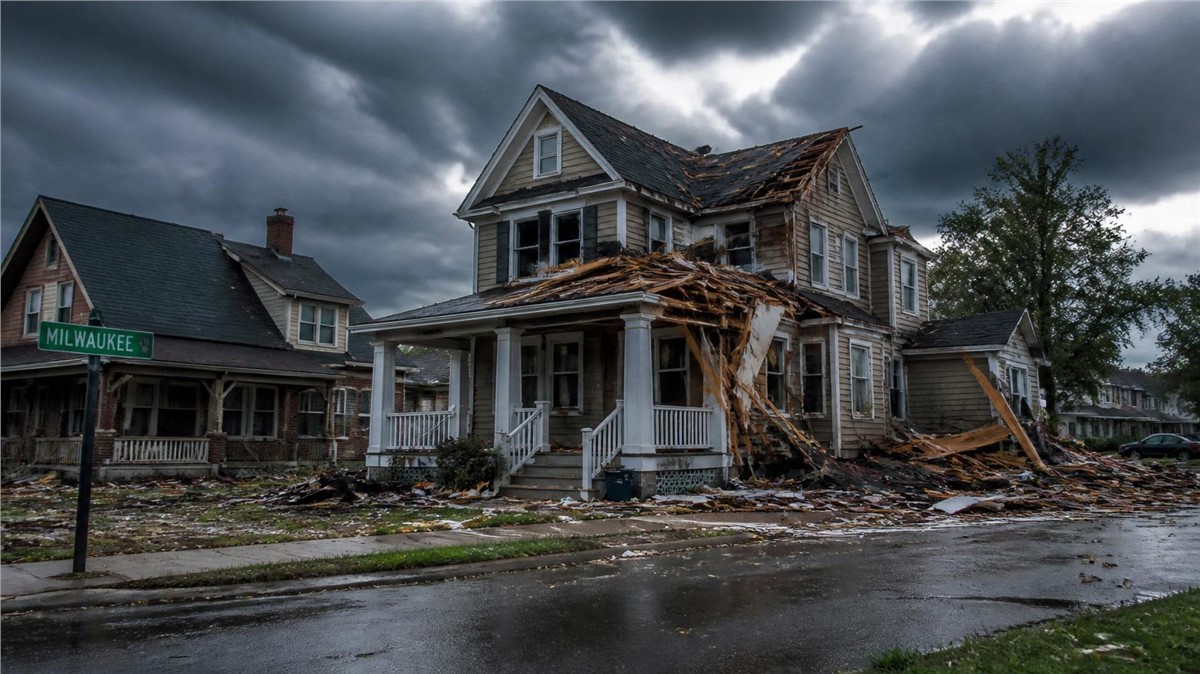
Menomonee Falls homes can be affected by hail, wind, heavy rain, snow, and ice. Storms can damage gutters directly or worsen existing problems.
Storm-related gutter issues may include:
- Dented gutters
- Bent sections
- Loose fasteners
- Gutters pulling away
- Damaged gutter guards
- Downspouts knocked loose
- Clogged outlets from debris
- Water overflow after storms
If hail or wind damaged the gutters, roofing, siding, windows, fascia, soffit, and trim should also be inspected.
Ice and Winter Damage
Wisconsin winters can be hard on gutter systems. Snow, ice, and freeze-thaw cycles can add weight and stress to gutters.
Winter gutter problems may include:
- Ice buildup inside gutters
- Gutters pulling away
- Leaking seams after thawing
- Bent sections
- Damaged hangers
- Water backing up near roof edges
- Ice forming near walkways
If gutter leaks appear after winter, the roof edge, fascia, soffit, and drainage system should be reviewed.
Water Damage Around the Home
Leaking gutters can damage more than the gutter system itself. Water that does not drain correctly can affect many exterior areas.
Look for:
- Stained siding
- Soft fascia
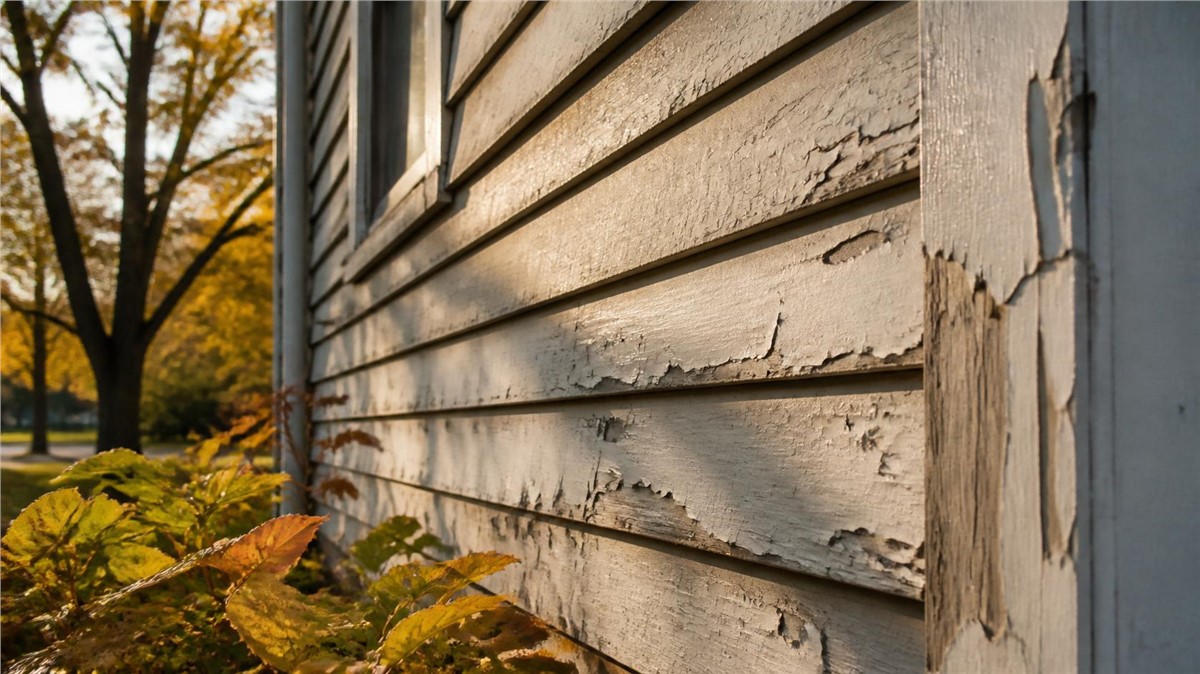
- Peeling paint
- Mold or mildew
- Soil erosion
- Foundation pooling
- Basement moisture
- Washed-out landscaping
- Ice near sidewalks or driveways
If water damage is already visible, gutter repair alone may not be enough. The surrounding areas may also need attention.
Seamless Gutters as a Replacement Option
If your current gutters leak at multiple seams, seamless gutters may be a good replacement option. Seamless gutters are custom-formed to fit the home and reduce the number of joints along each run.
Potential benefits include:
- Fewer leak points
- Cleaner appearance
- Custom fit
- Better drainage planning
- Reduced seam maintenance
- Improved long-term performance
A contractor can explain whether seamless replacement makes sense for your home.
Should You Add Gutter Guards?
Gutter guards may be worth considering if clogs are causing overflow or repeated gutter problems. They can help reduce leaves, sticks, and larger debris from entering the system.
Gutter guards may help when:
- Trees are close to the home
- Gutters clog often
- Overflow happens during storms
- Gutters are hard to access
- Fall debris is heavy
However, gutter guards do not make gutters maintenance-free. Small debris, roof granules, seeds, and ice can still affect performance.
Repair vs Replacement Cost Factors
Cost depends on the scope of work. A small leak repair may cost less upfront, but repeated repairs can add up if the gutter system is failing overall.
Cost factors may include:
- Length of damaged gutter
- Number of leaking areas
- Gutter material
- Home height
- Roofline complexity
- Fascia condition
- Downspout changes
- Gutter guard options
- Old gutter removal
- Cleanup and disposal
A detailed estimate should explain what is included and why repair or replacement is recommended.
Questions to Ask Before Deciding
Before choosing gutter repair or replacement, homeowners should ask clear questions.
Helpful questions include:
- What is causing the leak?
- Is the problem isolated or widespread?
- Are the gutters properly sloped?
- Is the fascia damaged?
- Are downspouts placed correctly?
- Are the gutters undersized?
- Would repair last?
- Would seamless gutters reduce future leaks?
- Are gutter guards recommended?
- What warranty applies?
Clear answers help homeowners choose the most practical option.
Why a Full Exterior Inspection Helps
Gutters work with the full exterior system. Roofing, siding, windows, fascia, soffit, flashing, and drainage all affect how water moves around the home.
A full exterior inspection may include:
- Gutters and downspouts
- Roofing and roof edges
- Siding
- Windows and trim
- Fascia and soffit
- Flashing
- Foundation drainage
- Storm damage areas
Huskie Exteriors provides roofing, siding, window, gutter, and storm damage restoration services, helping homeowners evaluate the full exterior system.
Why Local Exterior Experience Matters
A local contractor understands how Wisconsin weather affects gutter systems. In Menomonee Falls, WI, gutters need to handle heavy rain, snowmelt, ice, wind, hail, falling leaves, and freeze-thaw cycles.
Local experience helps homeowners understand whether leaking gutters are caused by age, clogs, storm damage, poor slope, damaged fascia, undersized downspouts, or winter wear.
Conclusion
Leaking gutters in Menomonee Falls, WI may be repairable when the issue is small, isolated, and the rest of the gutter system is still in good condition. Replacement may be better when leaks are widespread, gutters are sagging, seams keep failing, fascia is damaged, or water is not draining away from the home properly.
If your gutters are leaking, sagging, overflowing, pulling away, dented, or causing water to pool near your home, Huskie Exteriors can inspect your exterior and recommend the right next step.
Contact Huskie Exteriors for professional roofing, siding, window, gutter, and storm damage services in Illinois and Wisconsin.
Subscribe to Huskie Exteriors's Blog




Comments