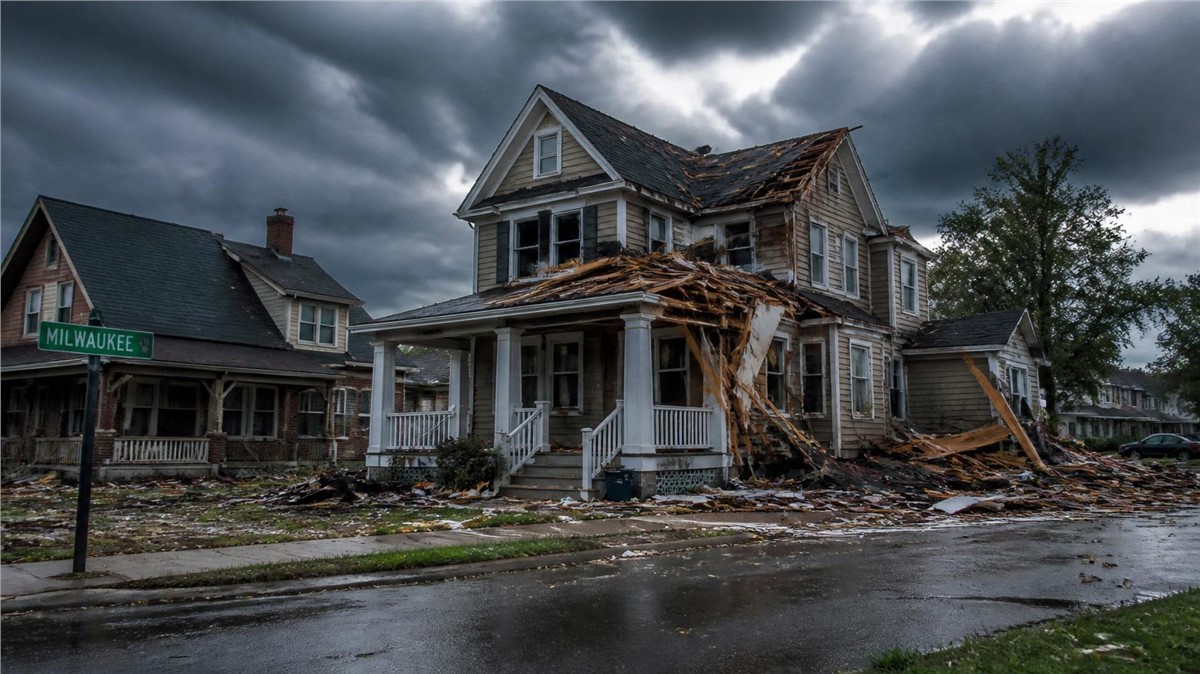
After a storm, it can be tempting to wait before scheduling repairs. If the roof is not actively leaking or the siding damage looks small, many homeowners think the problem can wait.
But storm damage is not always obvious right away. Hail, wind, heavy rain, snow, ice, and freeze-thaw cycles can damage roofing, siding, gutters, windows, flashing, fascia, soffit, and trim. Some damage may look minor from the ground but still weaken the exterior system.
For homeowners in Milwaukee, WI, knowing when to act fast can help prevent small storm damage from turning into larger repair needs.
Why Storm Damage Should Not Be Ignored
Storm damage can affect how well your home handles water, wind, and moisture. Even a small opening in the roof or siding can allow rain, snowmelt, or wind-driven moisture into the home.
Waiting too long may lead to:
- Roof leaks
- Wet insulation
- Ceiling stains
- Damaged drywall
- Soft decking
- Moisture behind siding
- Fascia or soffit damage
- Gutter overflow
- Mold or mildew concerns
- Higher repair costs later
Storm damage may not always create an emergency, but it should still be inspected promptly.
What Happens If You Wait?
Waiting to repair storm damage can allow the problem to spread. A missing shingle may expose underlayment. A cracked siding panel may allow moisture behind the wall. A dented gutter may stop draining correctly.
Over time, weather can make the damage worse.
Additional damage may happen because of:
- More rain
- Snow and ice
- Wind-driven moisture
- Freeze-thaw cycles
- Clogged gutters
- Loose materials
- Repeated storms
- Poor drainage
The longer damaged materials are exposed, the more likely the repair scope may increase.
Roof Storm Damage Can Get Worse
Roof damage should be taken seriously because the roof is the first line of defense against water. Some storm damage is obvious, but other issues are harder to see.
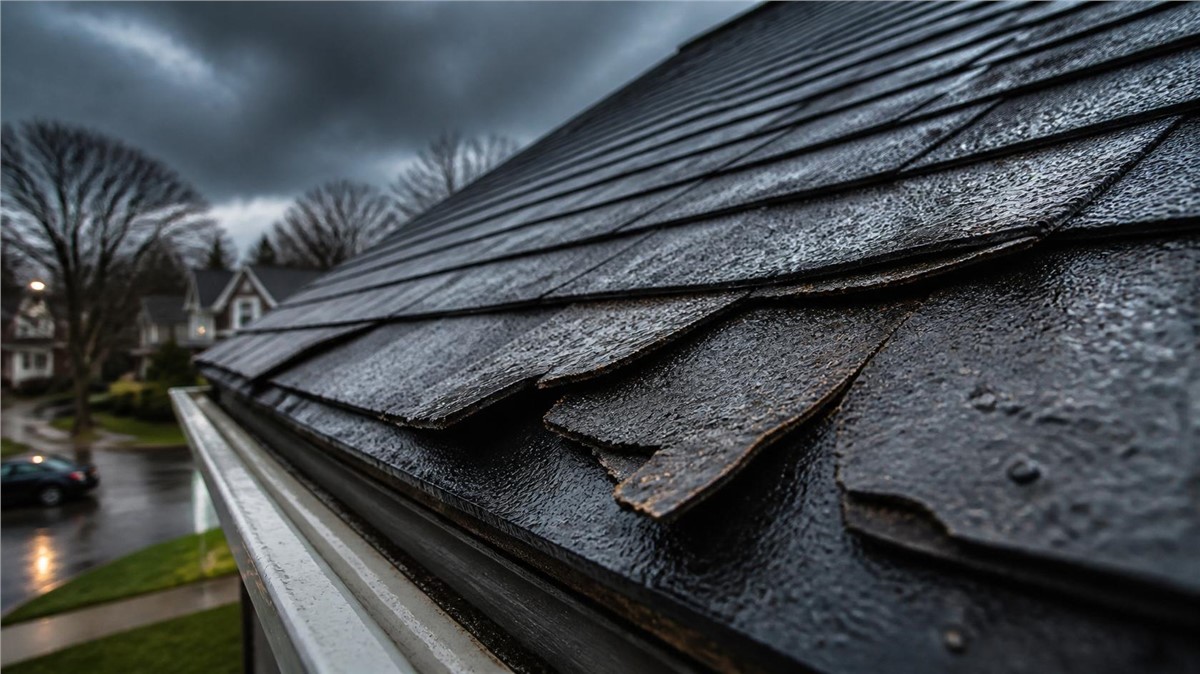
Roof storm damage may include:
- Missing shingles
- Lifted shingles
- Cracked shingles
- Hail impact marks
- Granule loss
- Damaged ridge caps
- Loose flashing
- Dented vents
- Damaged pipe boots
A roof may not leak immediately after a storm. However, weakened shingles or flashing can allow water in later during the next heavy rain or snowmelt.
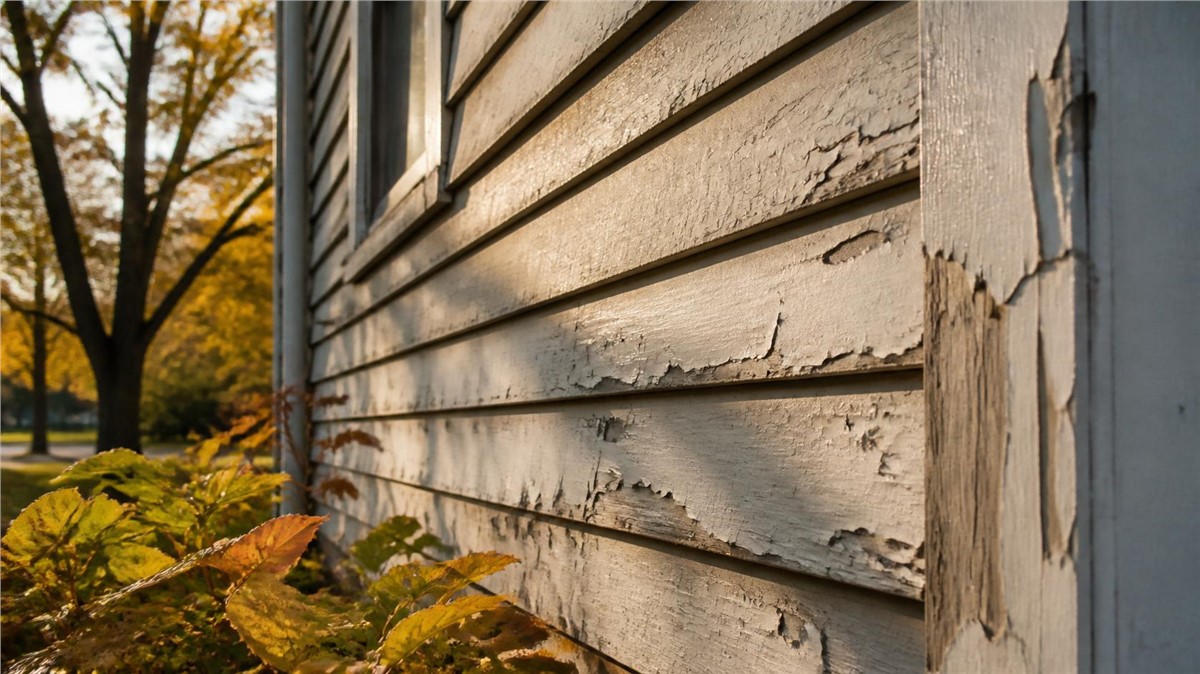
Siding Storm Damage Can Allow Moisture Behind Walls
Siding damage can also worsen if ignored. A small crack, loose panel, or open seam may create a path for water behind the siding.
Siding storm damage may include:
- Cracked vinyl panels
- Holes or punctures
- Loose sections
- Missing panels
- Broken corner pieces
- Dented trim
- Warped areas
- Water stains below windows
Once moisture gets behind siding, it can affect house wrap, sheathing, insulation, trim, and interior walls.
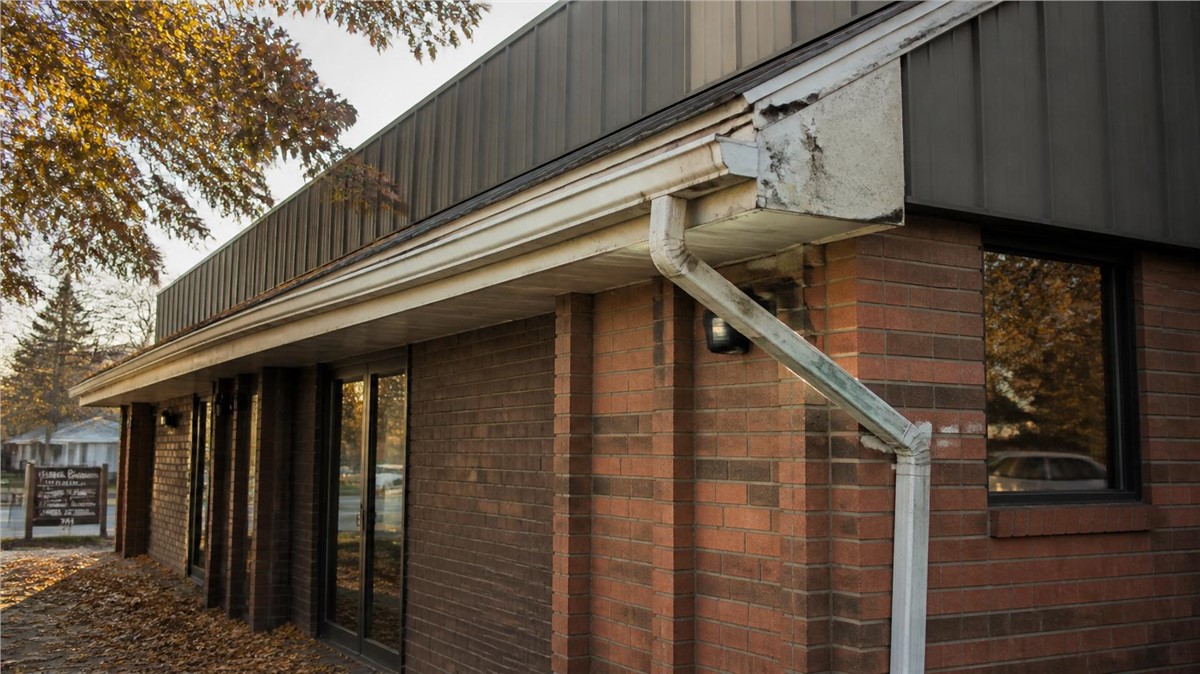
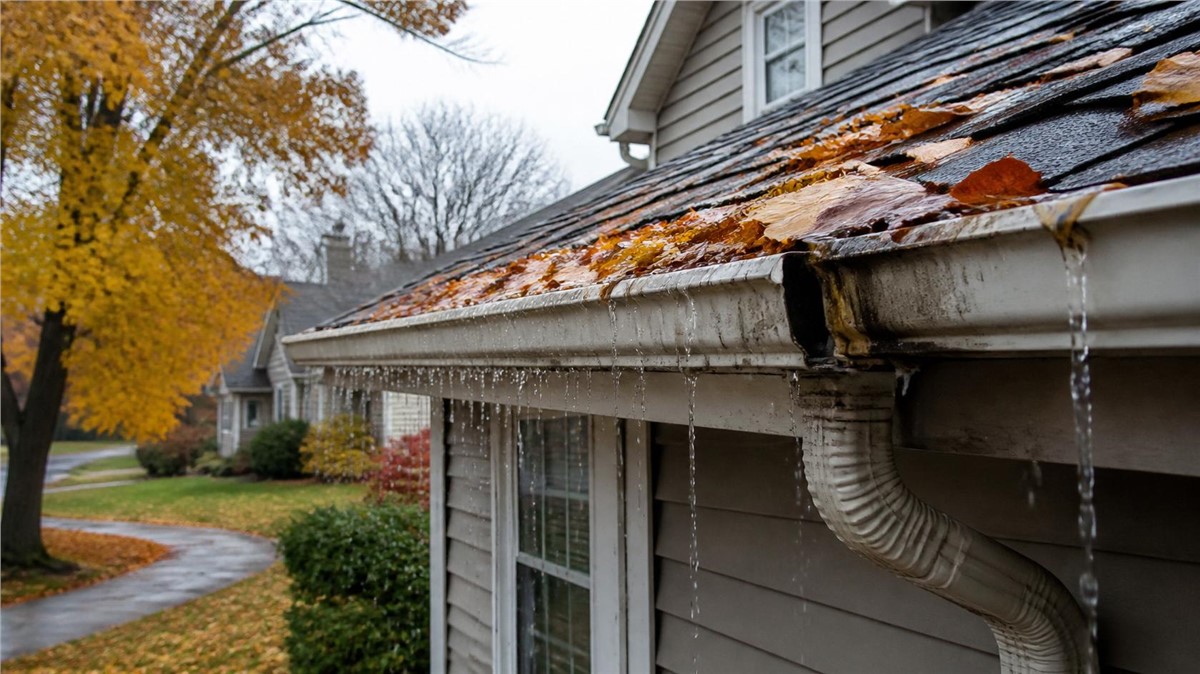
Gutters Can Create Bigger Water Problems
Gutters may not seem urgent after a storm, but damaged gutters can cause water to move where it should not.
Storm-damaged gutters may show:
- Dented sections
- Loose fasteners
- Sagging runs
- Leaking seams
- Pulled-away gutters
- Damaged downspouts
- Overflow during rain
- Water pooling near the foundation
If gutters stop draining properly, water may damage fascia, soffit, siding, landscaping, foundation areas, and basement spaces.
Windows and Trim Should Be Checked Too
Storm damage can affect windows, screens, frames, and exterior trim. Wind-driven rain can enter small gaps around windows, especially if flashing or trim has been damaged.
Window and trim damage may include:
- Torn screens
- Cracked glass
- Dented trim
- Loose exterior casing
- Failed caulking
- Water stains below windows
- Drafts after storms
- Moisture around frames
A window leak may not be caused by the window alone. Roofing, siding, gutters, and flashing should also be checked.
Interior Signs Mean You Should Act Quickly
If storm damage is already showing inside the home, do not wait. Interior water signs may mean moisture has already passed through the roof or wall system.
Watch for:
- Ceiling stains
- Active dripping
- Damp attic insulation
- Bubbling paint
- Peeling drywall
- Musty odors
- Water around windows
- Wet flooring
- Moisture near exterior walls
Even a small stain can point to a larger issue behind the surface.
When Storm Damage May Be Urgent
Some storm damage should be addressed right away, especially when water is entering the home or materials are loose.
Act quickly if you notice:
- Active roof leaks
- Missing shingles
- Large siding openings
- Hanging gutters
- Broken windows
- Water near electrical areas
- Fallen branches on the roof
- Interior ceiling stains
- Loose flashing
- Debris creating safety risks
If an area is unsafe, keep children, pets, and visitors away until it can be inspected.
Can Minor Storm Damage Wait?
Some minor damage may not require emergency repair, but it should still be inspected. A small dent, crack, or lifted edge may not look serious, but it can indicate hidden damage.
Minor-looking issues that should be checked include:
- Small siding cracks
- Dented gutters
- Granules near downspouts
- Slightly lifted shingles
- Torn screens
- Loose trim
- Small ceiling stains
- Water stains near windows
An inspection helps determine whether the issue is cosmetic, repairable, or part of a larger problem.
Documentation Is Easier When You Act Fast
Documenting storm damage soon after the storm can help homeowners stay organized. Waiting too long may make it harder to remember when damage happened or what changed.
Helpful documentation includes:
- Photos from the ground
- Videos of leaks or overflow
- Storm date and time
- Notes about visible damage
- Interior water stain photos
- Temporary repair receipts
- Professional inspection findings
Do not climb onto the roof to take photos. Ground-level documentation is safer.
Insurance Timing May Matter
If storm damage may involve an insurance claim, contact your insurance provider to understand your policy, coverage, deductible, deadlines, and claim requirements.
Every policy is different, but waiting too long may create confusion about when damage occurred or whether additional weather made the issue worse.
Insurance-related documentation may include:
- Storm date notes
- Photos and videos
- Inspection findings
- Temporary repair receipts
- Contractor estimate
- Adjuster appointment notes
- Claim documents
Your insurance provider can explain the specific steps required for your claim.
Temporary Protection May Be Needed
If storm damage has created an active leak or exposed area, temporary protection may be needed before permanent repairs can be completed.
Temporary protection may include:
- Tarping
- Short-term sealing
- Moving belongings away from leaks
- Collecting water safely
- Blocking off unsafe areas
- Protecting interior surfaces
Temporary steps are not a long-term fix, but they may help reduce further damage while the repair plan is prepared.
Repair vs Replacement After Storm Damage
The right solution depends on the extent of damage, age of materials, and whether hidden moisture is present.
Repair may make sense if:
- Damage is isolated
- Only a few shingles are missing
- A few siding panels are cracked
- One gutter section is loose
- Window or trim damage is minor
- No hidden moisture damage is found
Replacement may be better if:
- Storm damage affects multiple roof slopes
- Siding damage is widespread
- Gutters are damaged throughout
- Leaks are present
- Materials are aging or brittle
- Repairs would not match well
- Damage keeps returning
A professional inspection helps homeowners decide what is practical.
Why Milwaukee Weather Makes Timing Important
Milwaukee homes face a mix of weather conditions throughout the year. Hail, wind, heavy rain, lake-effect moisture, snow, ice, and freeze-thaw cycles can all make storm damage worse if it is not addressed.
Small openings can become more serious when water freezes and expands. Loose shingles may lift further during high winds. Damaged gutters may create ice buildup or water pooling near the foundation.
Acting quickly helps reduce the chance of seasonal weather turning small damage into a larger repair.
Why a Full Exterior Inspection Helps
Storm damage often affects more than one part of the home. A hailstorm that dents gutters may also damage shingles, siding, windows, screens, trim, fascia, and soffit. Wind that lifts shingles may also loosen flashing or siding.
A full exterior inspection may include:
- Roofing
- Gutters and downspouts
- Siding
- Windows and screens
- Flashing
- Fascia and soffit
- Exterior trim
- Attic moisture signs
- Interior water stains
- Storm damage areas
Huskie Exteriors provides roofing, siding, window, gutter, and storm damage restoration services, helping homeowners evaluate the full exterior system after severe weather.
Why Local Exterior Experience Matters
A local contractor understands how Wisconsin weather affects homes. In Milwaukee, WI, storm damage may involve hail, wind, rain, snow, ice, moisture, and freeze-thaw conditions that can weaken exterior materials.
Local experience helps homeowners understand whether storm damage is isolated, widespread, urgent, insurance-related, or connected to roofing, siding, gutters, windows, flashing, or drainage problems.
Conclusion
Can you repair storm damage later in Milwaukee, WI? Sometimes minor damage may not require emergency work, but it should still be inspected quickly. Waiting too long can allow roof leaks, siding moisture, gutter problems, interior water damage, and hidden repairs to get worse.
If your home has missing shingles, cracked siding, dented gutters, torn screens, leaks, or possible storm damage, Huskie Exteriors can inspect the full exterior and recommend the right next step.
Contact Huskie Exteriors for professional roofing, siding, window, gutter, and storm damage services in Illinois and Wisconsin.
Subscribe to Huskie Exteriors's Blog





Comments