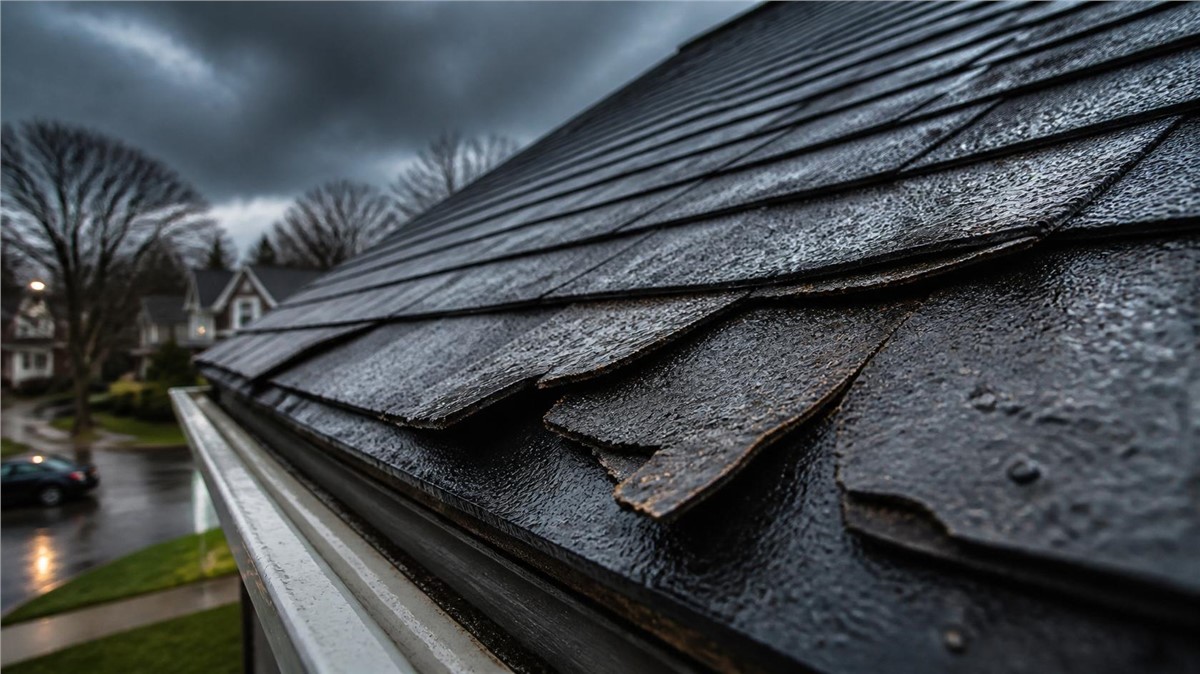
Your shingles are one of the most important parts of your roofing system. They help protect your home from rain, wind, hail, snow, ice, sun exposure, and seasonal temperature changes. When shingles begin to fail, your roof may become more vulnerable to leaks, moisture damage, and costly repairs.
For homeowners in Wauwatosa, WI, shingle wear can happen faster because of Midwest weather. Hail, high wind, heavy rain, snow, ice, humidity, and freeze-thaw cycles can all weaken roofing materials over time.
This guide explains the most common signs your shingles may be failing and when it may be time to schedule a roof inspection.
Why Shingle Condition Matters
Shingles are designed to shed water and protect the roof layers underneath. When they become damaged, loose, brittle, or worn out, water can reach the underlayment, decking, attic, insulation, and interior areas.
Failing shingles can lead to:
- Roof leaks
- Attic moisture
- Damaged decking
- Mold or mildew concerns
- Ceiling stains
- Fascia and soffit damage
- Ice-related roof edge problems
- Higher repair costs over time
Catching shingle problems early can help homeowners avoid larger exterior damage.
Curling Shingles
Curling shingles are a common sign that the roof is aging or under stress. The edges of the shingles may turn upward or the center of the shingle may lift.
Curling can happen because of:
- Age
- Heat exposure
- Poor ventilation
- Moisture problems
- Freeze-thaw cycles
- Installation issues
- Normal weather wear
Curling shingles may allow wind-driven rain to get underneath the roof surface, increasing the risk of leaks.
Cracked Shingles
Cracked shingles can no longer protect the roof surface properly. Cracks may be caused by age, sun exposure, hail, wind, temperature changes, or brittleness.
Cracked shingles may appear as:
- Thin surface splits
- Broken corners
- Cracks across shingle tabs
- Random fractures
- Cracking near roof edges
- Cracks around impact marks
If cracks are widespread, the roof may be nearing the end of its useful life.
Missing Shingles
Missing shingles are one of the easiest warning signs to notice. Strong wind, storm damage, poor fastening, or aging materials can cause shingles to come loose.
Missing shingles may expose:
- Underlayment
- Roof decking
- Nail holes
- Roof seams
- Vulnerable roof edges
Even one missing shingle can create a weak point where water can enter during the next rain or snow event.
Lifted Shingles
Lifted shingles may not always be obvious from the ground. Wind can lift shingles and break the seal that helps hold them in place. Sometimes the shingles settle back down but no longer seal properly.
Signs of lifted shingles may include:
- Uneven roof surfaces
- Shingles raised at the edges
- Loose tabs
- Wind damage after storms
- Water leaks after wind-driven rain
- Shingles that move easily during inspection
Lifted shingles should be inspected because they may fail during the next high-wind event.
Heavy Granule Loss
Granules are the small protective particles on asphalt shingles. They help protect shingles from sun exposure and weather. When shingles lose too many granules, the roof surface becomes more vulnerable.
Signs of granule loss include:
- Granules in gutters
- Granules near downspouts
- Bald spots on shingles
- Dark patches
- Uneven shingle texture
- Exposed black asphalt
- Shiny or worn-looking areas
Some granule loss is normal as shingles age, but sudden or heavy granule loss can point to storm damage or shingle failure.
Bald Spots on Shingles
Bald spots happen when granules are worn away from the shingle surface. These spots may appear darker, smoother, or shinier than the surrounding shingles.
Bald spots can be caused by:
- Aging
- Hail impact
- Foot traffic
- Tree debris
- Poor drainage
- Manufacturing wear
- Heat and weather exposure
Bald spots reduce the shingle’s protection and should be reviewed during an inspection.
Shingles Blown Into the Yard
If you find shingles or shingle pieces in the yard after a storm, your roof should be inspected. Loose roofing materials may mean wind damage has affected the roof surface.
After a storm, check safely from the ground for:
- Shingle pieces in the grass
- Roofing debris near downspouts
- Missing areas on roof slopes
- Loose flashing
- Damaged ridge caps
- Debris near roof edges
Do not climb on the roof to check. A professional inspection is safer and more accurate.
Damaged Ridge Caps
Ridge caps protect the peaks of the roof. Because they sit along raised areas, they can be exposed to wind, hail, sun, and weather wear.
Damaged ridge caps may show:
- Cracks
- Missing granules
- Lifted edges
- Broken pieces
- Hail impact marks
- Missing sections
- Exposed fasteners
Ridge cap damage can create leak risks near the highest areas of the roof.
Dark Streaks or Stains
Dark streaks on shingles may be caused by algae growth, moisture, shade, or weather exposure. While staining does not always mean the shingles are failing, it can point to roof areas that need attention.
Stains may be more concerning when they appear with:
- Curling shingles
- Granule loss
- Soft roof areas
- Moss growth
- Water stains indoors
- Repeated moisture problems
A roof inspection can help determine whether stains are cosmetic or connected to a larger issue.
Moss or Organic Growth
Moss can hold moisture against the roof surface. Over time, this may contribute to shingle lifting, granule loss, and moisture problems.
Moss is more likely in areas with:
- Shade
- Overhanging trees
- Poor airflow
- Damp roof sections
- North-facing slopes
- Clogged gutters
Homeowners should avoid aggressive scraping or pressure washing because it can damage shingles. A professional can recommend safer options.
Leaks or Ceiling Stains
Interior water stains are a serious warning sign. A ceiling stain may mean water is entering through shingles, flashing, vents, valleys, or roof edges.
Interior signs may include:
- Brown ceiling stains
- Active dripping
- Damp attic insulation
- Musty odors
- Bubbling paint
- Peeling drywall
- Water around light fixtures
- Moisture near exterior walls
A leak should be inspected quickly because water can spread beyond the visible stain.
Sagging or Soft Roof Areas
Sagging roof areas may point to deeper problems below the shingles. This can involve decking, moisture damage, structural concerns, or long-term leaks.
Warning signs include:
- Uneven rooflines
- Dips in roof areas
- Soft spots during inspection
- Water stains in the attic
- Repeated leaks
- Visible roof depression
Sagging should be inspected promptly because it may involve more than surface shingle damage.
Damaged Flashing Around Roof Details
Sometimes shingles look worn because water is entering around flashing, vents, chimneys, skylights, or valleys. Flashing problems can make roof issues worse.
Important areas to check include:
- Chimneys
- Skylights
- Pipe boots
- Roof vents
- Valleys
- Dormers
- Wall transitions
- Roof edges
If flashing is loose, rusted, cracked, or missing, water may enter even if nearby shingles look mostly intact.
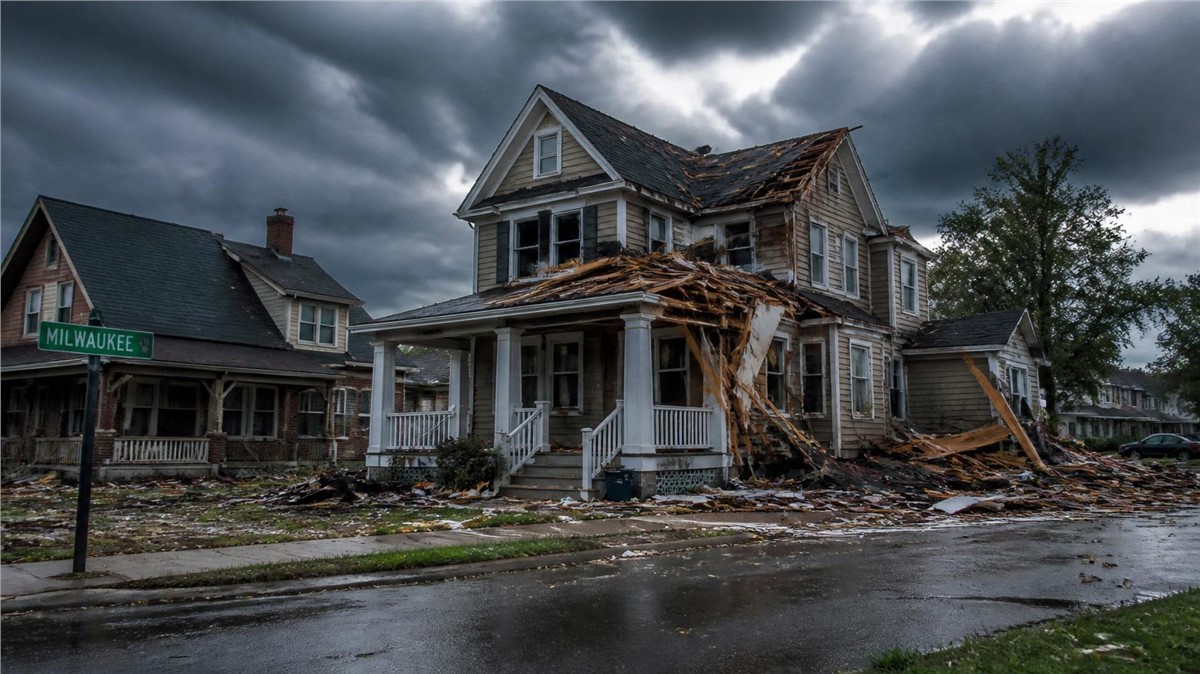
Storm Damage Signs
Wauwatosa homes can be affected by hail, wind, heavy rain, snow, and ice. Storm damage can weaken shingles quickly.
Storm-related shingle problems may include:
- Hail impact marks
- Bruised shingles
- Granule loss
- Cracked shingles
- Missing shingles
- Lifted shingles
- Damaged ridge caps
- Dented roof vents
- Dented gutters
If hail or wind damaged the shingles, siding, gutters, windows, fascia, soffit, and trim should also be inspected.
Ice and Winter Wear
Winter can be hard on shingles. Snow, ice, freeze-thaw cycles, and blocked gutters can put stress on roof edges and valleys.
Winter-related roof concerns may include:
- Ice buildup near gutters
- Water backing up under shingles
- Damaged roof edges
- Loose shingles after thawing
- Granule loss after winter
- Leaks during snowmelt
- Fascia or soffit moisture
If roof problems appear after winter, schedule an inspection before spring storms arrive.
Repeated Roof Repairs
If your roof needs frequent repairs, the shingles may be failing overall. Repeated patching may help temporarily, but it may not solve the larger issue.
Repeated repairs may happen because of:
- Aging shingles
- Poor installation
- Storm damage
- Brittle materials
- Ventilation problems
- Flashing failure
- Moisture-damaged decking
- Widespread granule loss
When repairs become frequent, roof replacement may be more practical than continuing to fix isolated areas.
Repair vs Replacement
The right solution depends on the age, condition, and extent of damage.
Roof repair may make sense if:
- Damage is isolated
- Only a few shingles are missing
- One flashing area is leaking
- One vent boot is damaged
- No widespread moisture damage is found
- The roof is still in good condition overall
Roof replacement may be better if:
- Shingles are failing across multiple areas
- Granule loss is widespread
- Leaks keep returning
- Shingles are brittle or curling
- Storm damage affects multiple slopes
- Decking damage is present
- Repairs are becoming frequent
A professional inspection can help homeowners understand the best next step.
Why Gutters Should Be Checked Too
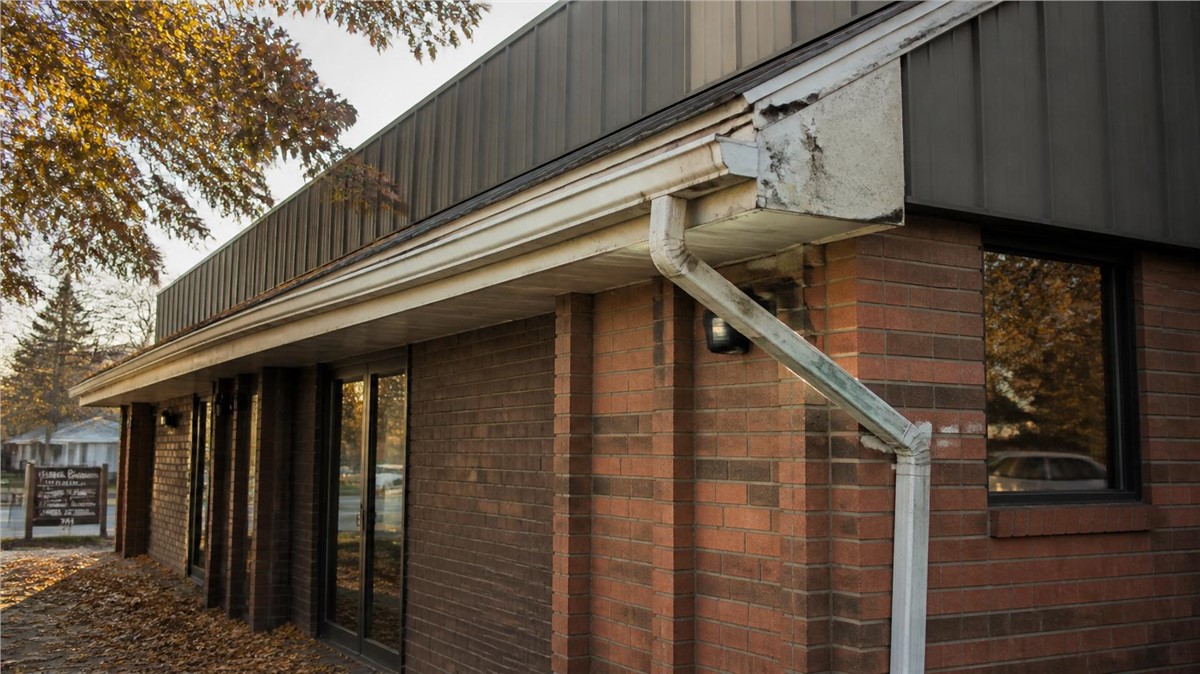
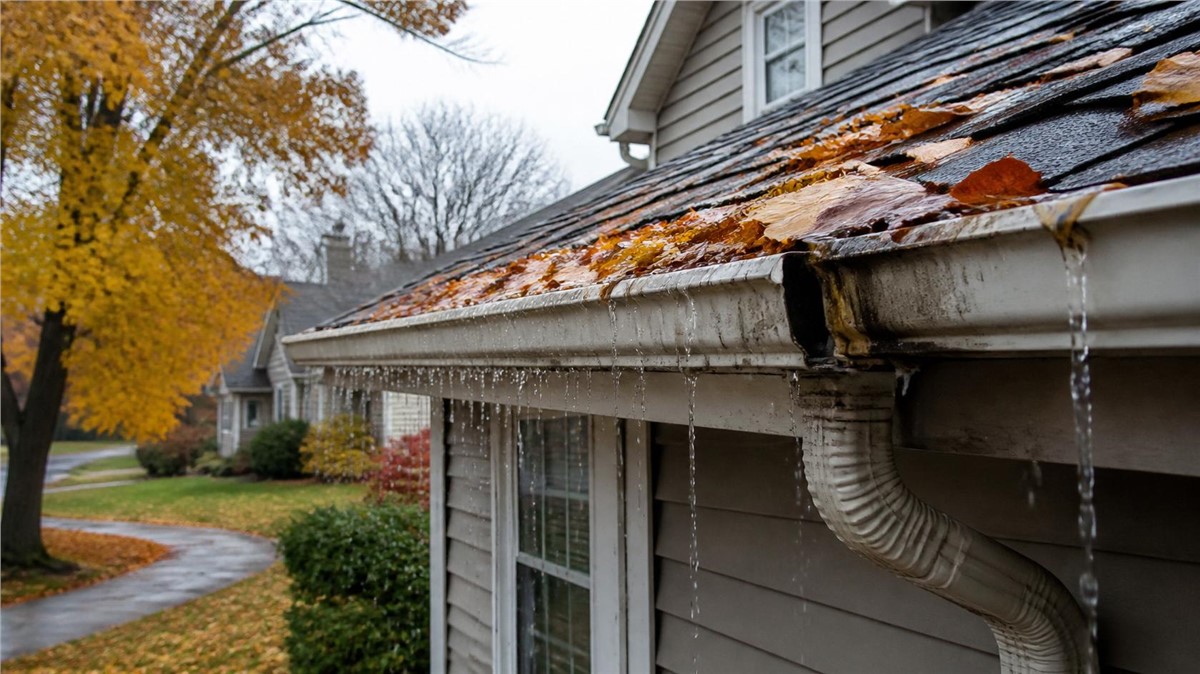
Gutters and downspouts affect roof performance. If gutters are clogged, sagging, leaking, or pulling away, water can back up near roof edges and contribute to shingle damage.
Gutter issues may include:
- Overflow during rain
- Ice buildup in winter
- Water running behind gutters
- Short downspouts
- Fascia damage
- Loose gutter sections
- Granules collecting in gutters
If shingles are failing near roof edges, gutter performance should be reviewed.
Why a Full Exterior Inspection Helps
Shingle problems are often connected to the full exterior system. Roofing, gutters, siding, windows, flashing, fascia, soffit, trim, and attic ventilation all affect how well the home handles weather.
A full exterior inspection may include:
- Shingles
- Ridge caps
- Flashing
- Roof vents
- Gutters and downspouts
- Siding
- Windows and trim
- Fascia and soffit
- Attic moisture signs
- Interior water stains
- Storm damage areas
Huskie Exteriors provides roofing, siding, window, gutter, and storm damage restoration services, helping homeowners evaluate the full exterior system.
Why Local Exterior Experience Matters
A local contractor understands how Wisconsin weather affects shingle performance. In Wauwatosa, WI, roofs need to handle hail, wind, heavy rain, snow, ice, humidity, heat, and freeze-thaw cycles.
Local experience helps homeowners understand whether shingle problems are caused by storm damage, aging materials, ventilation issues, gutter problems, flashing failure, or hidden moisture concerns.
Conclusion
Signs your shingles are failing in Wauwatosa, WI include curling, cracking, missing shingles, lifted edges, heavy granule loss, bald spots, roof leaks, damaged ridge caps, flashing problems, moss growth, sagging areas, and repeated repairs. These issues should be inspected before they lead to larger roof or interior damage.
If your shingles look worn, storm-damaged, brittle, loose, or no longer protecting your home properly, Huskie Exteriors can inspect your roof and recommend the right next step.
Contact Huskie Exteriors for professional roofing, siding, window, gutter, and storm damage services in Illinois and Wisconsin.
Subscribe to Huskie Exteriors's Blog




Comments