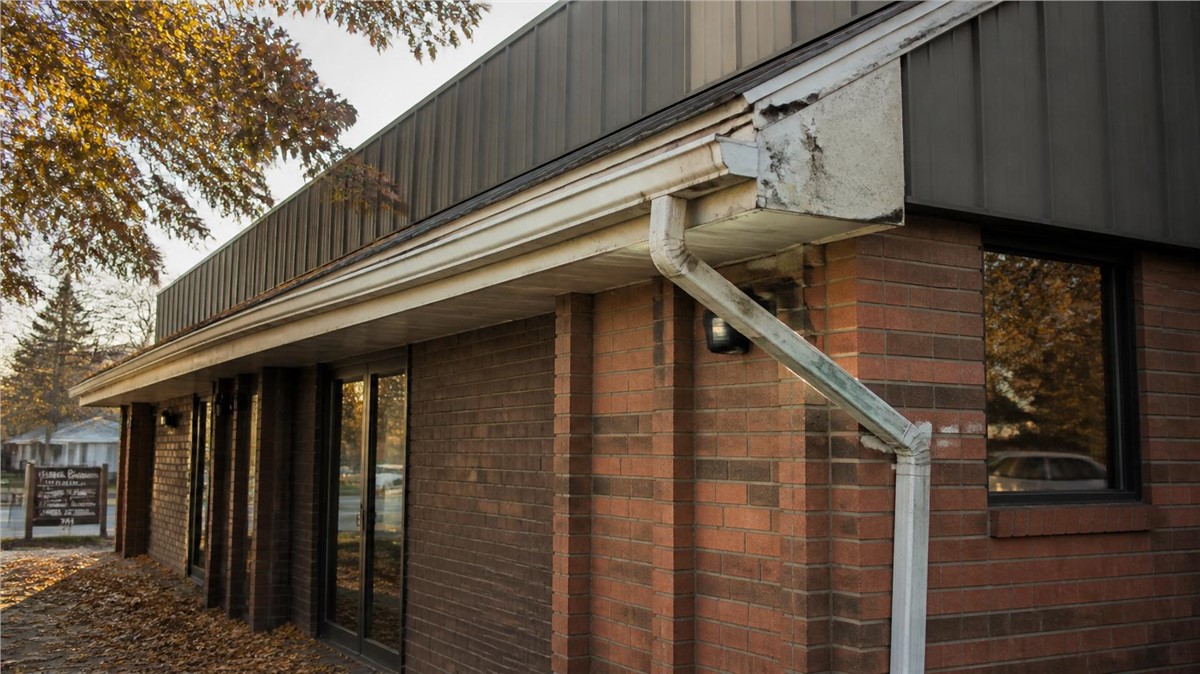
Commercial gutters play an important role in protecting a building from water damage. They move rainwater and snowmelt away from the roof, exterior walls, foundation, parking areas, walkways, loading zones, and entrances.
For commercial properties in Fulton, WI, gutter systems need to handle Wisconsin weather, including heavy rain, snow, ice, hail, wind, leaves, and freeze-thaw cycles. When commercial gutters fail, water can damage more than the gutter system itself. It can affect roofing, siding, fascia, soffit, masonry, foundations, landscaping, and interior spaces.
This guide explains the signs your building may need commercial gutter replacement and why timely action matters.
Why Commercial Gutters Matter
Commercial buildings often have larger roof areas than homes. That means they collect and move a larger amount of water during storms. If the gutter system is damaged, undersized, or poorly designed, water may overflow or drain where it should not.
Commercial gutters help protect:
- Roof edges
- Exterior walls
- Siding or wall panels
- Fascia and soffit
- Foundations
- Walkways
- Parking areas
- Tenant entrances
- Landscaping
- Interior spaces
A properly working gutter system helps move water away from vulnerable areas and reduces the risk of water-related damage.
Sign 1: Gutters Are Leaking
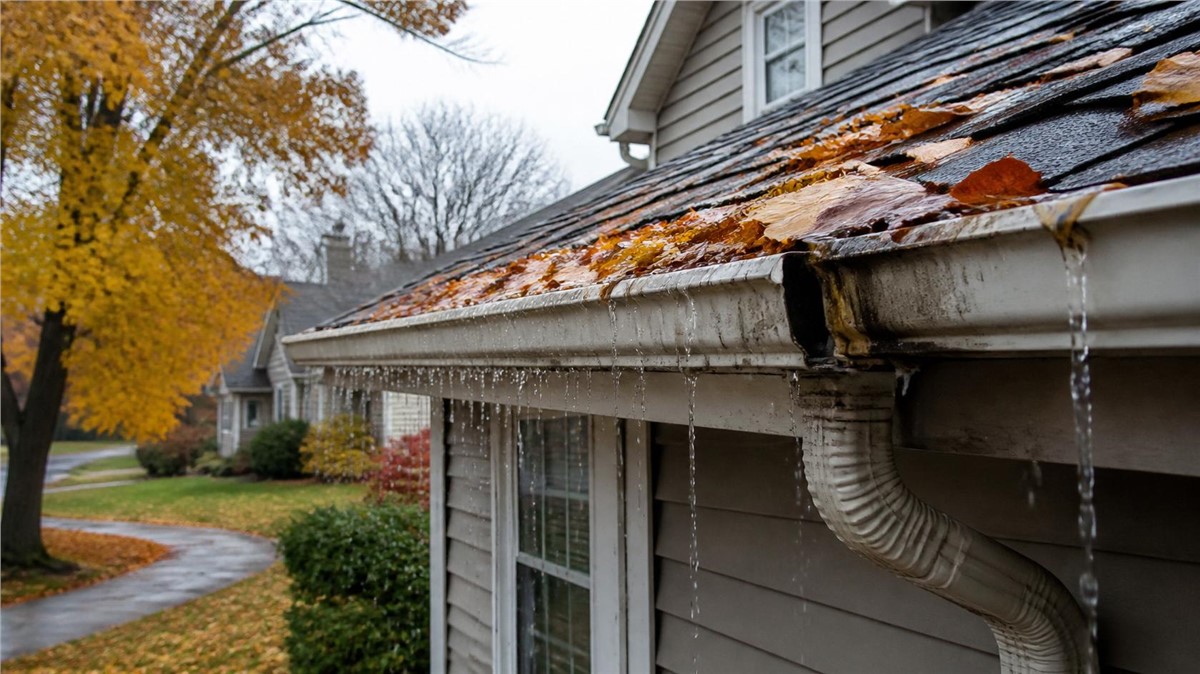
Leaks are one of the most common signs that gutters need attention. A small leak may be repairable, but widespread leaking can point to a failing system.
Commercial gutter leaks may appear as:
- Dripping at seams
- Water leaking from corners
- Rust stains below gutters
- Water running behind gutters
- Stains on siding or wall panels
- Water dripping near entrances
- Puddles below roof edges
If leaks appear in several areas, replacement may be more practical than repeated repairs.
Sign 2: Gutters Are Sagging
Sagging gutters cannot drain properly. Water may sit in low areas, overflow during storms, or pull the gutter farther away from the building.
Sagging may be caused by:
- Heavy debris
- Ice buildup
- Loose hangers
- Old fasteners
- Weak fascia
- Improper slope
- Water weight
- Storm damage
If gutters sag in several areas, the system should be inspected before more damage occurs.
Sign 3: Gutters Are Pulling Away from the Building
Commercial gutters should remain securely attached. If they pull away from the roof edge or fascia, water may run behind the gutter and damage the building.
Warning signs include:
- Visible gaps behind gutters
- Loose brackets
- Gutters tilted forward
- Water stains on fascia
- Water running down exterior walls
- Fasteners pulling out
- Sections separating from the building
This issue should be addressed quickly because it may involve fascia, soffit, or roof edge damage.
Sign 4: Frequent Overflow During Rain
Overflow is a clear sign that water is not moving through the gutter system correctly. Sometimes overflow is caused by clogs, but frequent overflow may point to poor slope, undersized gutters, damaged downspouts, or a failing system.
Overflow can lead to:
- Siding stains
- Foundation moisture
- Soil erosion
- Ice near walkways
- Water near entrances
- Roof edge damage
- Interior moisture concerns
If cleaning does not solve the problem, replacement or drainage upgrades may be needed.
Sign 5: Rust, Cracks, or Holes
Rust, cracks, and holes are signs that the gutter material may be breaking down. Small isolated damage may sometimes be repaired, but widespread deterioration usually means replacement should be considered.
Look for:
- Rust spots
- Pinholes
- Cracked sections
- Corrosion near seams
- Weak or brittle areas
- Peeling finish
- Water dripping from the gutter bottom
Commercial gutters need to handle large water loads, so damaged sections should not be ignored.
Sign 6: Downspouts Are Not Working Properly
Downspouts are just as important as the gutters themselves. If downspouts are clogged, undersized, loose, or poorly placed, water may not drain away from the building.
Downspout problems may include:
- Water backing up into gutters
- Loose downspout sections
- Short discharge points
- Water pooling near foundations
- Drainage across walkways
- Ice buildup near entrances
- Water near loading areas
- Staining on exterior walls
A gutter replacement plan should include downspout placement and drainage direction.
Sign 7: Water Is Pooling Around the Building
Water pooling near the foundation, walkways, parking lot edges, or entrances may indicate the gutter system is not draining properly.
Pooling water can cause:
- Foundation moisture
- Basement or lower-level water issues
- Soil erosion
- Ice hazards in winter
- Landscaping damage
- Pavement wear
- Safety concerns for tenants and customers
Commercial gutter replacement may be needed if the current system cannot move water away effectively.
Sign 8: Fascia or Soffit Damage Is Visible
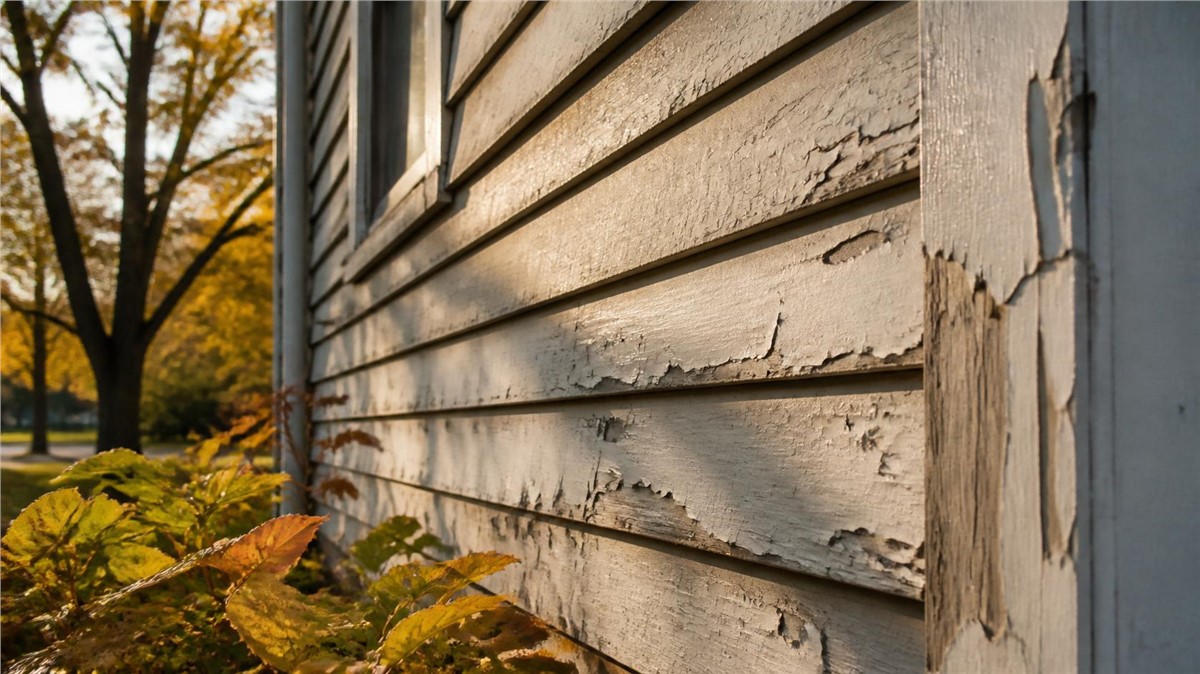
Gutters attach near fascia and soffit areas. If these materials are soft, stained, rotted, or damaged, the gutter system may be leaking or pulling away.
Watch for:
- Peeling paint
- Soft fascia boards
- Water stains
- Mold or mildew
- Loose soffit panels
- Rot near roof edges
- Gaps behind gutters
- Ice-related damage
Fascia and soffit repairs may need to be completed before or during gutter replacement.
Sign 9: Gutters Are Dented or Damaged by Storms
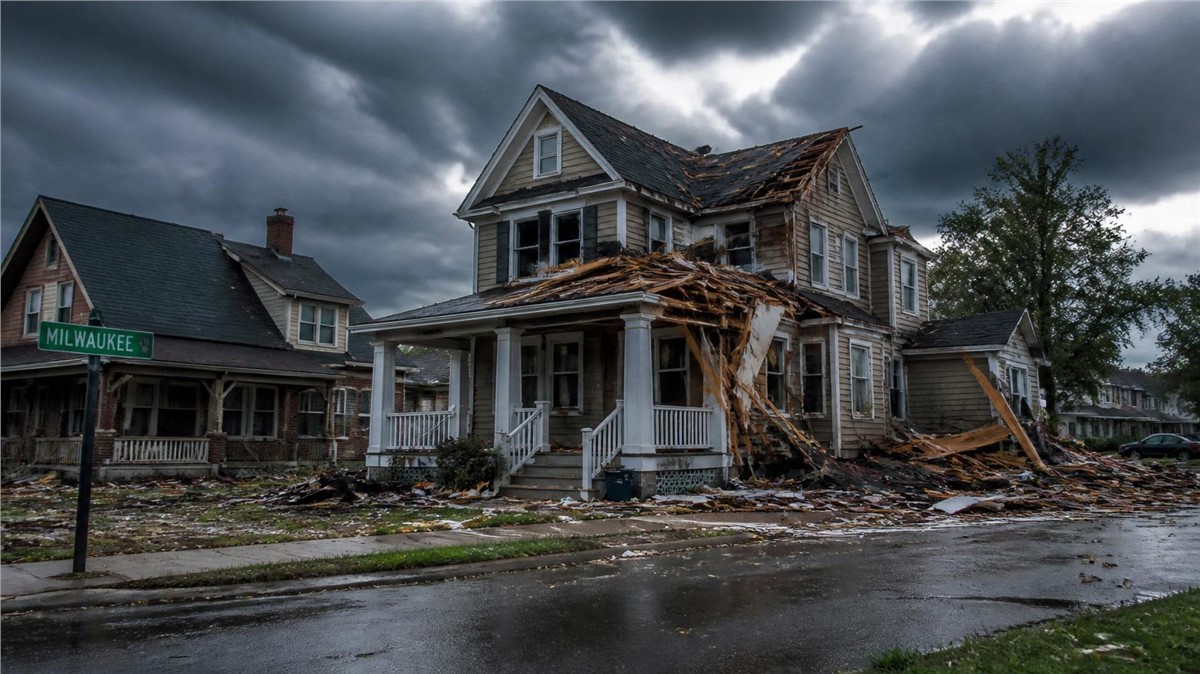
Fulton commercial buildings can be affected by hail, wind, heavy rain, snow, and ice. Storms can dent, bend, loosen, or separate commercial gutters.
Storm-related gutter damage may include:
- Dented gutters
- Dented downspouts
- Bent sections
- Loose fasteners
- Damaged gutter guards
- Gutters pulling away
- Clogged outlets from debris
- Roof edge damage
If hail or wind damaged the gutters, roofing, siding, windows, fascia, soffit, and trim should also be inspected.
Sign 10: The System Is Undersized
Commercial buildings often need larger or more carefully planned gutter systems than residential properties. If the gutters are too small for the roof area, overflow may happen even when the system is clean.
Signs of undersized gutters include:
- Overflow during normal rain
- Water missing the gutters
- Frequent downspout backup
- Large roof areas draining into small sections
- Water pooling near the building
- Drainage problems after every storm
Replacement gives property owners a chance to improve gutter size, downspout placement, and overall drainage.
Sign 11: Repairs Keep Happening
A one-time repair may make sense, but repeated repairs can add up. If the same gutter sections keep leaking, sagging, or pulling away, the system may be near the end of its useful life.
Repeated repairs may be caused by:
- Aging materials
- Poor slope
- Weak attachment points
- Corrosion
- Undersized gutters
- Ice damage
- Storm damage
- Fascia problems
At some point, replacement may be more cost-effective than continued patching.
Sign 12: Water Is Affecting Tenants or Business Operations
Commercial gutter problems can create safety and access concerns. Water near entrances, walkways, loading docks, or parking areas can affect tenants, employees, customers, and vendors.
Operational concerns may include:
- Wet entryways
- Icy walkways
- Water near customer entrances
- Drainage across parking areas
- Leaks near tenant spaces
- Water near loading zones
- Interior moisture complaints
If gutters are creating access or safety concerns, replacement should be considered.
Repair vs Replacement
Not every commercial gutter problem requires full replacement. The right choice depends on the damage, system age, drainage performance, and building needs.
Repair may make sense if:
- One seam is leaking
- One downspout is loose
- One hanger needs replacement
- One section needs adjustment
- The system is still draining properly overall
Replacement may be better if:
- Gutters leak in multiple areas
- Sections are sagging
- Rust or holes are widespread
- Gutters are undersized
- Downspouts are poorly placed
- Fascia damage is present
- Repairs keep failing
- Water is affecting the building or walkways
A professional inspection can help determine the most practical option.
What Should Be Included in a Commercial Gutter Estimate?
A commercial gutter replacement estimate should be clear and detailed.
A good estimate may include:
- Inspection findings
- Gutter material
- Gutter size
- Linear footage
- Downspout quantity
- Downspout placement
- Old gutter removal
- Fascia or soffit concerns
- Drainage recommendations
- Gutter guard options
- Cleanup and disposal
- Timeline expectations
- Warranty information
The estimate should explain how the new system will manage water around the building.
Why Drainage Planning Matters
Commercial gutter replacement is not only about installing new gutters. It is about making sure water moves safely away from the property.
Drainage planning should consider:
- Roof size
- Roof slope
- Downspout locations
- Foundation areas
- Walkways
- Entrances
- Parking lots
- Loading areas
- Landscaping
- Low spots around the building
Poor drainage can continue to cause problems even after new gutters are installed.
Why Roofing and Exterior Walls Should Be Checked Too
Gutters work closely with the full exterior system. If roof edges, flashing, siding, fascia, or soffit are damaged, replacing gutters alone may not solve the problem.
A full exterior check may reveal:
- Roof edge wear
- Loose flashing
- Damaged siding or wall panels
- Fascia damage
- Soffit problems
- Window trim moisture
- Foundation drainage concerns
- Interior water stains
A complete inspection helps property owners avoid missing related issues.
Why a Full Exterior Inspection Helps
Commercial gutter problems are often connected to other exterior systems. Roofing, siding, windows, fascia, soffit, flashing, trim, and drainage all affect how water moves around the building.
A full exterior inspection may include:
- Gutters and downspouts
- Roofing and roof edges
- Siding or wall panels
- Windows and doors
- Fascia and soffit
- Flashing
- Exterior trim
- Foundation drainage
- Storm damage areas
Huskie Exteriors provides roofing, siding, window, gutter, and storm damage restoration services, helping commercial property owners evaluate the full exterior system.
Why Local Exterior Experience Matters
A local contractor understands how Wisconsin weather affects commercial gutter systems. In Fulton, WI, buildings need gutters that can handle heavy rain, snowmelt, ice, hail, wind, leaves, and freeze-thaw cycles.
Local experience helps property owners understand whether gutter problems are caused by storm damage, poor drainage, aging materials, undersized gutters, fascia damage, roof edge issues, or winter wear.
Conclusion
Commercial gutter replacement in Fulton, WI may be needed when gutters leak, sag, overflow, pull away, rust, crack, dent, or fail to move water away from the building. Because gutters protect roofing, siding, fascia, soffit, foundations, walkways, entrances, and tenant areas, problems should be inspected before they lead to larger repairs.
If your commercial gutters are leaking, overflowing, storm-damaged, undersized, pulling away, or causing water problems around the building, Huskie Exteriors can inspect the property and recommend the right next step.
Contact Huskie Exteriors for professional roofing, siding, window, gutter, and storm damage services in Illinois and Wisconsin.
Subscribe to Huskie Exteriors's Blog





Comments