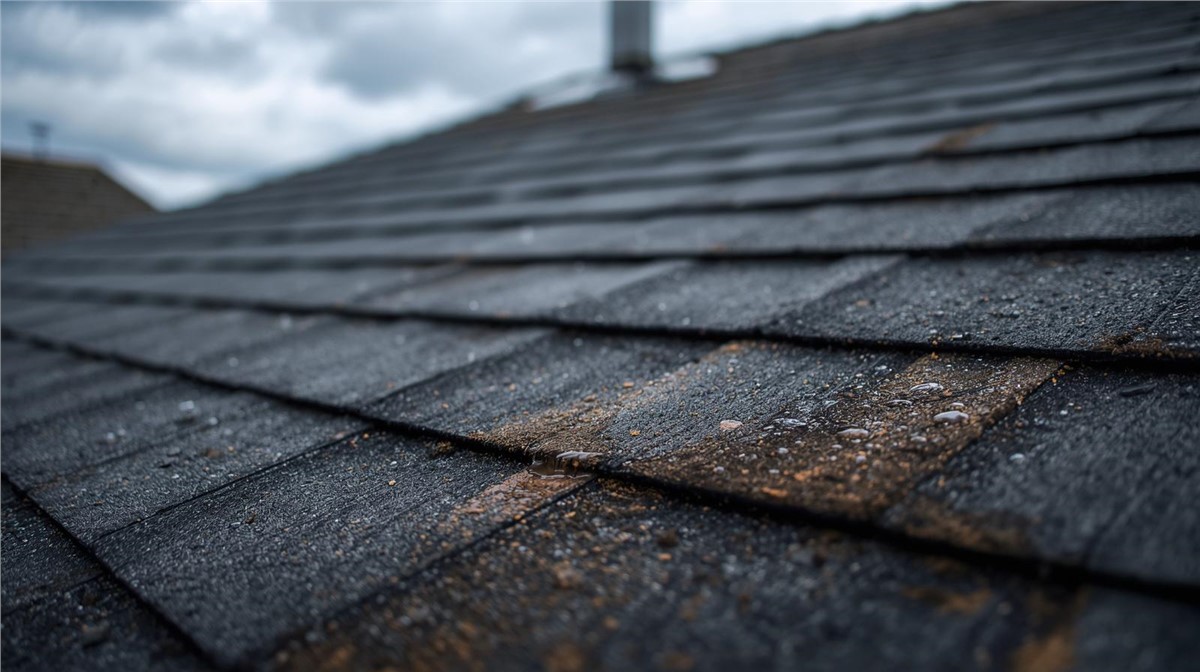
In Davis Junction, IL, roof leaks are often caused by damaged or missing shingles, failed flashing, clogged gutters, roof vent problems, chimney issues, aging materials, and attic condensation or moisture problems. The warning signs usually show up first as ceiling stains, damp attic areas, peeling paint, musty odors, sagging spots, or water appearing during storms. Davis Junction’s building-permit pages indicate permits are available through the village, and the village’s posted forms say to allow up to 7 business days for standard building permit processing, so contractors should verify the exact permit requirement for the scope before work begins.
Why This Matters in Davis Junction, IL
A roof leak is rarely just a roofing issue for long. Once water gets past the roof covering, it can move into the attic, insulation, ceilings, wall cavities, and framing. One roof-leak guidance source notes that stains may not appear directly below the roof entry point because water can travel along framing before soaking through drywall.
That matters in northern Illinois because roofs here deal with wind, rain, snow, ice, and freeze-thaw stress over the year. Recent spring roof-damage guidance highlights cracked or lifted shingles, clogged gutters, ice-dam damage, sagging rooflines, loose flashing, and exposed fasteners as common issues to check after winter because they can lead to water intrusion.
Common Causes of Roof Leaks
Damaged or Missing Shingles
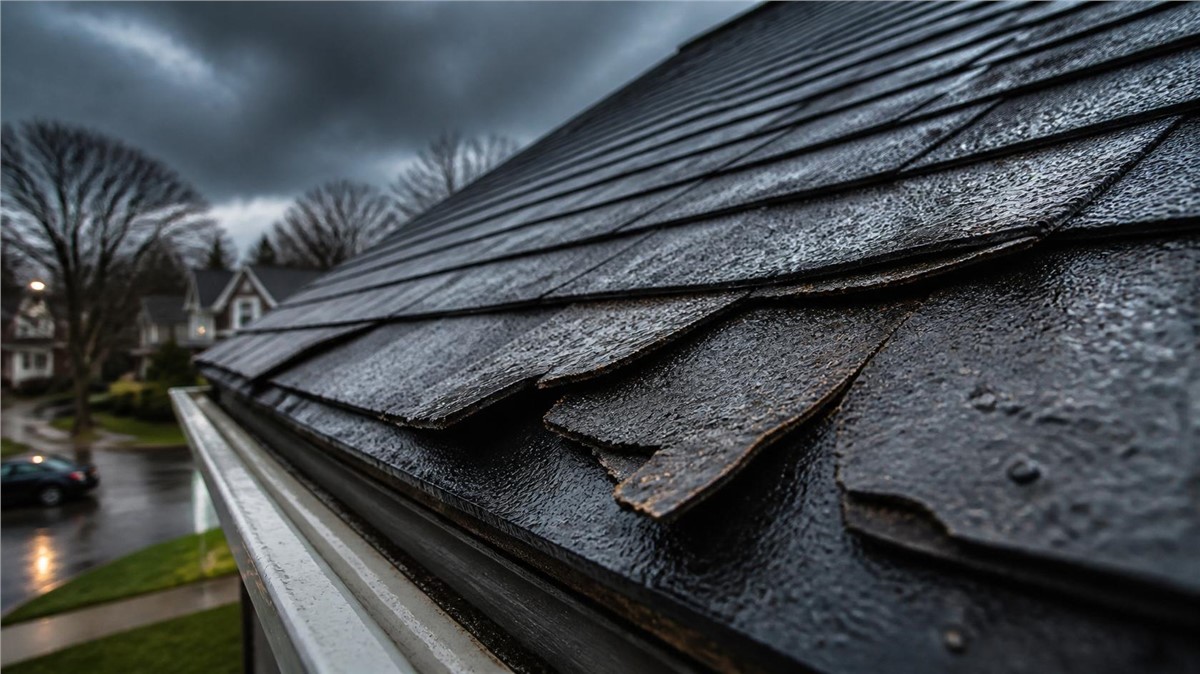
This is one of the most common causes. Roof-leak guidance consistently lists broken, missing, or deteriorated shingles among the main reasons water gets into a roof system. When shingles lift, crack, or go missing, the layers below are more exposed to rain and wind.
Failed Flashing
Flashing around chimneys, roof valleys, vents, and other roof penetrations is another common weak point. If flashing loosens, rusts, cracks, or separates, water can get into the roof even if the surrounding shingles still look mostly intact. Recent roof-damage guidance specifically flags compromised flashing as a major leak source.
Clogged Gutters
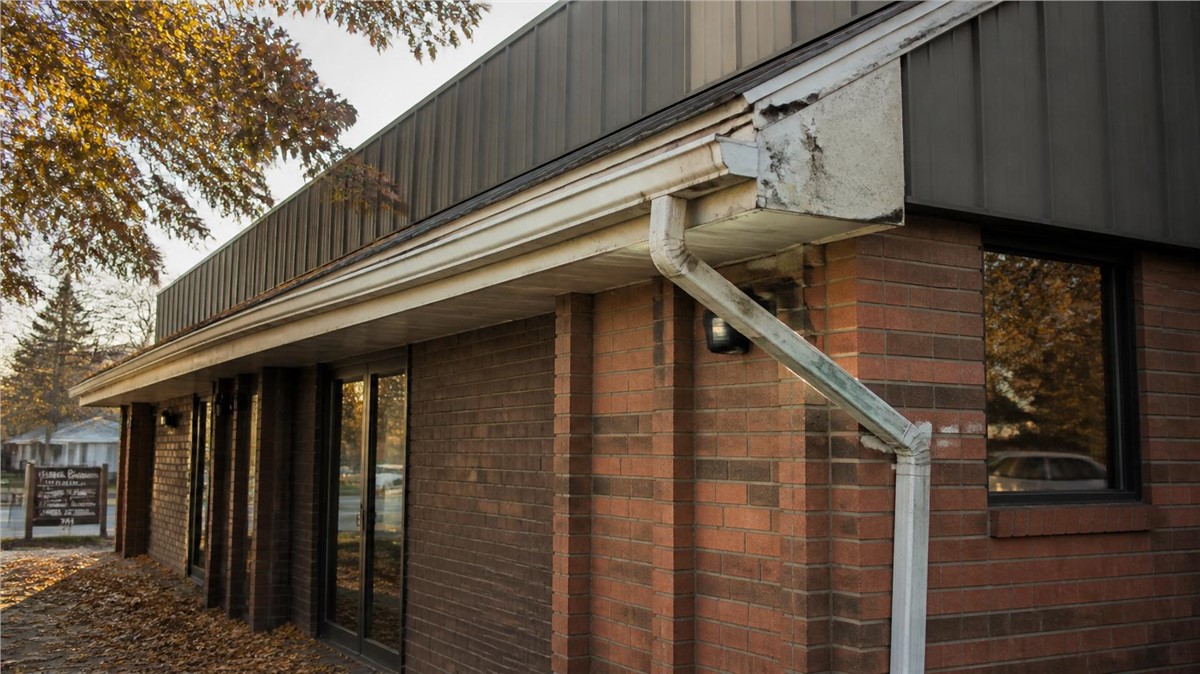
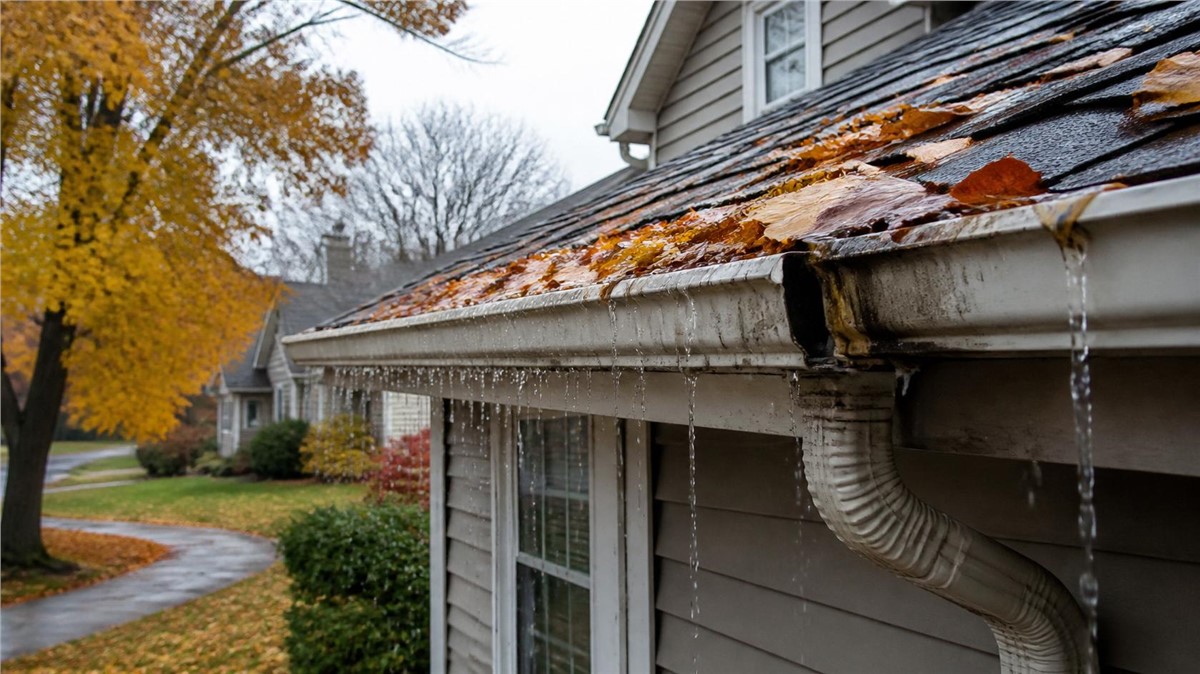
Clogged gutters can contribute to roof leaks by allowing water to back up along roof edges. Roof-leak and seasonal roof-damage sources both identify blocked gutters as a common cause of overflow, moisture issues, and water intrusion.
Roof Vent Problems
Roof vents are another frequent trouble spot. Leak guides identify roof vent issues as a common source of water infiltration because sealants, boots, and surrounding materials can fail over time.
Chimney Damage
Chimneys often leak where roofing materials and masonry meet. Roof-leak guidance specifically lists chimney damage among the common causes, especially when flashing or surrounding materials are compromised.
Aging Roof Materials
Even without storm damage, roofs can begin leaking as materials wear out. Aging shingles can lose flexibility and granules, making cracking and moisture intrusion more likely. Roof-leak guidance identifies age-related wear and tear as one of the most common causes of leaks.
Attic Condensation and Moisture Problems
Not every leak-like symptom starts with a hole in the roof. Some roof moisture issues come from attic condensation, especially when ventilation or moisture control is poor. Current leak guidance includes attic condensation among the common causes that homeowners may mistake for a simple roof leak.
Warning Signs Homeowners Should Watch For
Ceiling Stains
Brown or yellow stains on ceilings are one of the most common early warning signs. Multiple current sources identify ceiling stains as a typical sign of a roof leak, though the stain may appear away from the actual entry point.
Peeling Paint or Bubbling Drywall
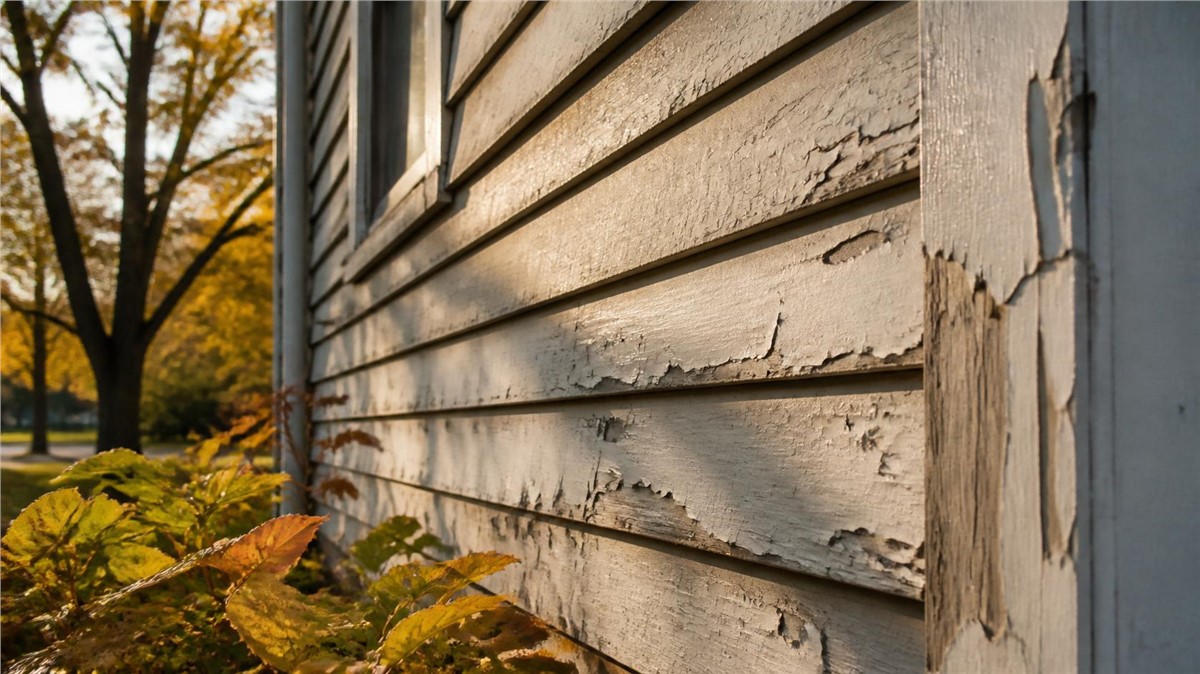
Peeling paint, bubbling surfaces, or soft drywall can point to moisture getting in from above. Recent leak-detection guides list these as common interior symptoms.
Musty Odors
A musty smell near ceilings, upper walls, or attic areas can signal ongoing moisture intrusion. Current roof-leak detection sources identify musty odors as one of the early signs homeowners should not ignore.
Drips During Rain
This is the most obvious sign, but by the time water is actively dripping indoors, the leak may already be more advanced. Leak-detection guidance lists dripping sounds or visible water during storms as a common symptom of ongoing roof moisture intrusion.
Damaged Shingles Visible From the Ground
A safe ground-level check may reveal missing shingles, lifted edges, sagging sections, or compromised flashing. Recent roof-inspection advice says homeowners should start with a visual inspection from the ground and look for missing or damaged shingles, sagging areas, and flashing problems.
Granules in Gutters
Excessive shingle granules in gutters can be a clue that asphalt shingles are aging and breaking down. Ground-level leak-inspection guidance specifically notes gutters full of shingle granules as a sign of roof wear.
Sagging Roof Areas
A sagging roofline or soft-looking area can point to more serious moisture damage below the surface. Recent roof-damage guidance identifies sagging rooflines as a major warning sign that should not be ignored.
What Homeowners Should Do First
1. Start With a Safe Ground-Level Check
Do not climb onto the roof just to confirm a leak. Current roof-leak guidance recommends beginning with a visual inspection from the ground and attic rather than taking unnecessary safety risks.
2. Check the Attic if You Can Do So Safely
If the attic is accessible, look for damp insulation, staining, or obvious moisture tracks. Roof-leak cause-determination guidance points to rusty nails and attic moisture clues as helpful signs when tracking leak activity.
3. Document the Warning Signs
Photos of stains, damaged shingles visible from the ground, wet attic areas, or active drips can help clarify the problem and show whether it is getting worse over time.
4. Get the Roof Inspected Promptly
Because water can travel before showing up indoors, the visible symptom is not always the true leak location. That is why a proper inspection matters more than guessing based on the stain alone.
When Repair Makes Sense vs. Replacement
Roof repair often makes sense when:
- the leak is localized
- the roof is otherwise in decent condition
- damage is limited to flashing, a vent area, or a small number of shingles
Replacement may make more sense when:
- the roof has widespread wear
- shingles are failing across multiple areas
- leaks are recurring
- sagging or structural moisture damage is present
That comparison is based on the leak causes and warning signs described in current sources, especially where aging materials, widespread damage, or sagging indicate a broader problem than a simple patch.
Local Notes for Davis Junction, IL
The Village of Davis Junction has a building permits and inspections page stating that permits for residential and commercial uses are available through the village, and its building forms page says to allow up to 7 business days for standard building permit processing. The public village pages reviewed do not spell out a clean, one-line roofing permit rule for every repair type, so the safest course is to have the contractor verify the exact local requirement based on whether the work is a repair, reroof, or broader alteration.
FAQs
What are the most common causes of a roof leak?
The most common causes include damaged or missing shingles, failed flashing, clogged gutters, chimney problems, roof vent issues, aging materials, and attic moisture or condensation issues.
What is the first sign of a roof leak?
One of the most common first signs is a ceiling or wall stain, though peeling paint, musty odors, attic moisture, and drips during storms are also common early warnings.
Can clogged gutters cause roof leaks?
Yes. Clogged gutters can back water up at the roof edge and contribute to water intrusion.
Does fogging or attic moisture always mean a roof leak?
Not always. Some moisture problems may be linked to condensation or attic humidity issues rather than a direct exterior leak, which is why inspection matters.
Do I need a permit for roof leak repair in Davis Junction?
Davis Junction’s public pages show that permits are available through the village and note up to 7 business days for standard permit processing, but the exact roofing rule was not clearly stated in the public pages reviewed. Contractors should verify the requirement for the specific scope before work starts.
Get a Free Estimate in Davis Junction, IL
If you are dealing with a roof leak in Davis Junction, IL, Huskie Exteriors is here to help with honest inspections and practical recommendations built for Midwest weather. We serve homeowners across Northern Illinois and Southern Wisconsin with roofing, siding, gutters, and windows designed for long-term performance.
Schedule your free estimate with Huskie Exteriors today. We will inspect the problem, explain the likely cause, and help you decide whether repair or broader roofing work makes the most sense.
Subscribe to Huskie Exteriors's Blog





Comments