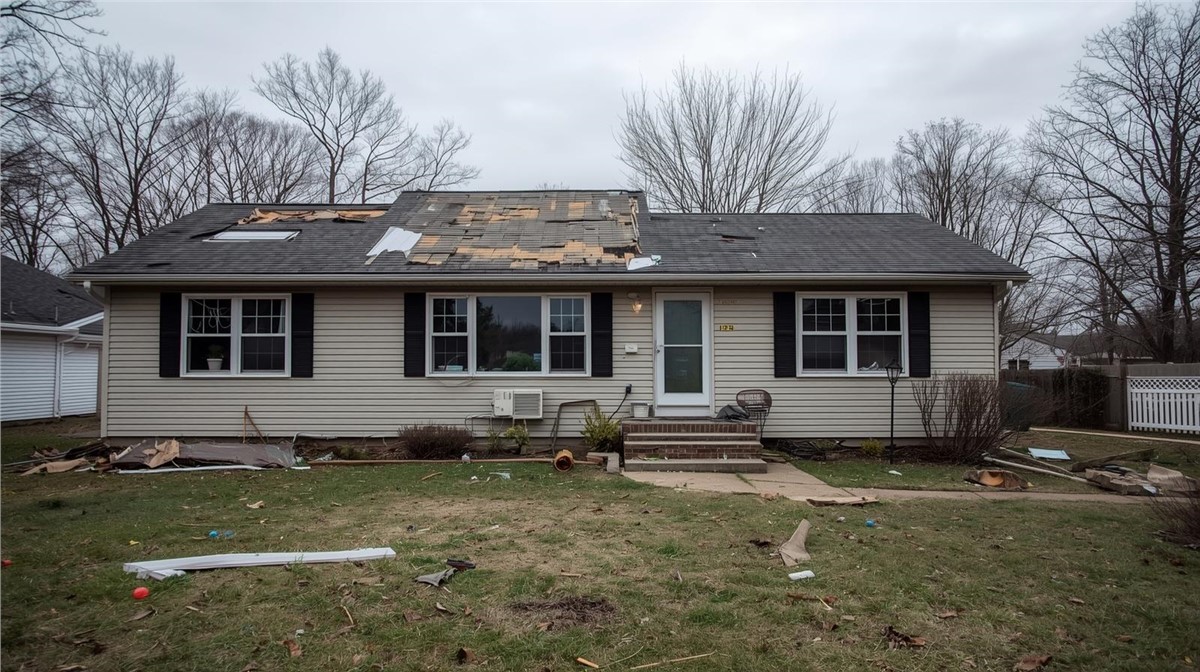
Filing a storm damage insurance claim in Rochelle, IL is more involved than most homeowners expect — and the decisions made in the first few days after a storm have a significant effect on how the claim proceeds. Understanding how the process works, what documentation matters, what adjusters look for, and where claims commonly go wrong gives homeowners the foundation to navigate it effectively and protect the full scope of their covered losses.
Why the Claims Process Catches Homeowners Off Guard
Most homeowners have never filed a storm damage claim before the one they are filing now. The process — which involves insurance policy language, adjuster assessments, contractor documentation, depreciation calculations, and potentially supplement negotiations — is more involved than filing a car insurance claim and less intuitive than most people expect going in.
The homeowners who navigate it most effectively are not the ones with the most damage. They are the ones who understood what to document, when to report, how to work with a contractor, and what their policy actually covers before they needed that knowledge.
Rochelle, IL sits in Ogle County — a part of northern Illinois that sees consistent severe weather activity across spring and summer storm seasons. Hail events, high-wind storms, and the occasional tornado-producing system affect Rochelle and the surrounding region regularly enough that storm damage insurance claims are not rare events for homeowners here. Understanding the process before the next storm is more useful than learning it under pressure after one.
Step One: Understand Your Policy Before You File
The single most valuable thing a Rochelle homeowner can do before filing a storm damage claim is read the relevant sections of their homeowners insurance policy. Not all policies are the same, and the differences between them matter significantly for how a claim is paid.
Coverage Types and What They Mean
Replacement Cost Value (RCV) coverage pays the full cost to repair or replace damaged property with new materials of like kind and quality — without deducting for the age and condition of the damaged materials. This is the coverage most homeowners want and the one that produces the highest claim payment.
Actual Cash Value (ACV) coverage pays the replacement cost minus depreciation — an adjustment for the age and condition of the damaged material at the time of loss. A 15-year-old roof on an ACV policy may be paid at 50 percent of replacement cost or less, depending on how the insurer calculates depreciation. For many homeowners, the gap between the ACV payment and the actual replacement cost is significant.
Functional Replacement Cost is a coverage type increasingly offered on older roofs — it pays the cost to replace the roof with a functional but less expensive material rather than the original material like-for-like. A cedar shake roof covered under functional replacement cost may be paid at the cost of asphalt shingles rather than new cedar shake.
Understanding which coverage type applies to your roof and other exterior systems before a claim is filed prevents a significant surprise when the adjuster's payment calculation arrives.
Deductibles — Including Separate Wind and Hail Deductibles
Standard homeowners policies have a base deductible — typically $1,000 to $2,500 — that applies to most claims. Many policies issued in the Midwest over the past decade also carry separate wind and hail deductibles — expressed either as a flat amount or as a percentage of the insured dwelling value — that apply specifically to storm damage claims.
A one or two percent wind and hail deductible on a home insured for $300,000 produces a $3,000 to $6,000 deductible that applies before the insurer pays anything on a hail or wind damage claim. Homeowners who do not know their deductible structure before a claim is filed are often surprised by how large that figure is — and by how significantly it affects the net payment they receive.
Claim Filing Windows
Most homeowners insurance policies in Illinois require storm damage claims to be reported within a reasonable time after the damage event. What "reasonable" means is defined by policy language — some policies specify one year from the event date, others use broader language that gives adjusters discretion to question delayed claims.
In practice, claims filed promptly — within days to a few weeks of the storm — are the most defensible. Documentation is clearer, damage is more clearly attributable to a specific event, and secondary deterioration has had less time to complicate the picture of what the storm actually caused. Delayed filing gives adjusters reason to question the timeline and invites disputes about causation that prompt documentation prevents.
Step Two: Document Everything Before Any Repairs Begin
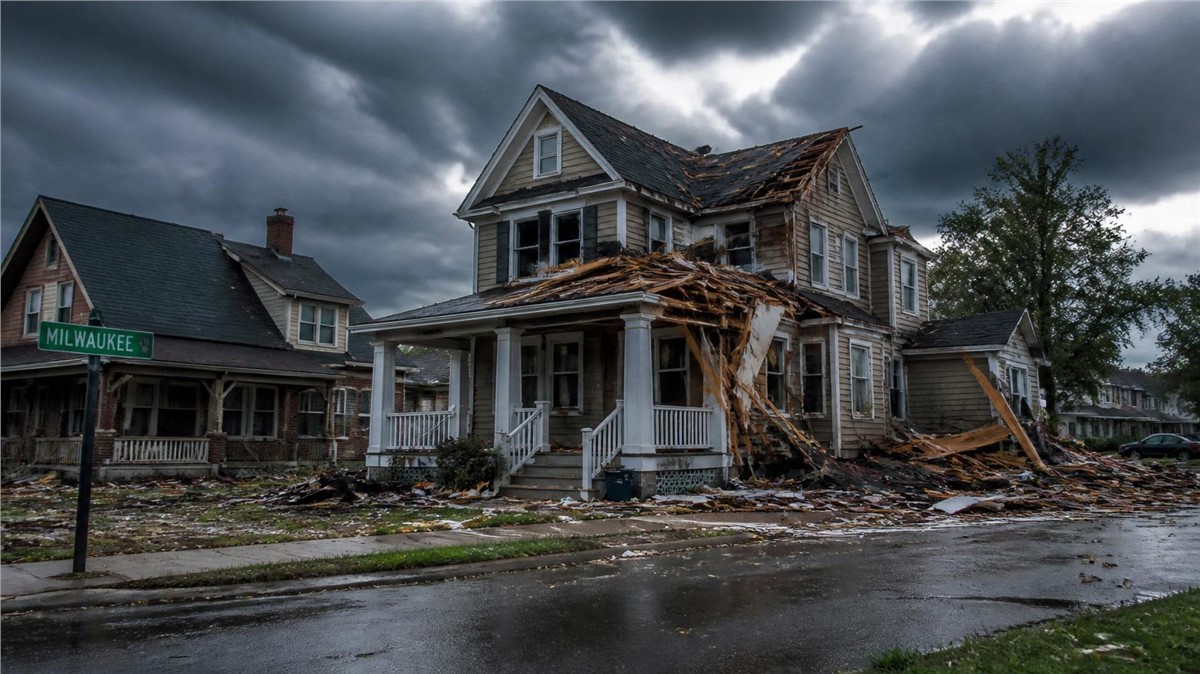
The days immediately after a storm are the most important documentation window in the entire claims process. The condition of the property at that moment — before cleanup, before temporary repairs, before any material has been removed or replaced — is the evidentiary foundation of the claim.
What to Photograph
Walk the full perimeter of the property and photograph every exterior system. The goal is to produce a visual record that documents the condition of each system as clearly as possible immediately after the storm.
For roofing:
- Wide-angle shots of each roof slope from the ground showing overall condition
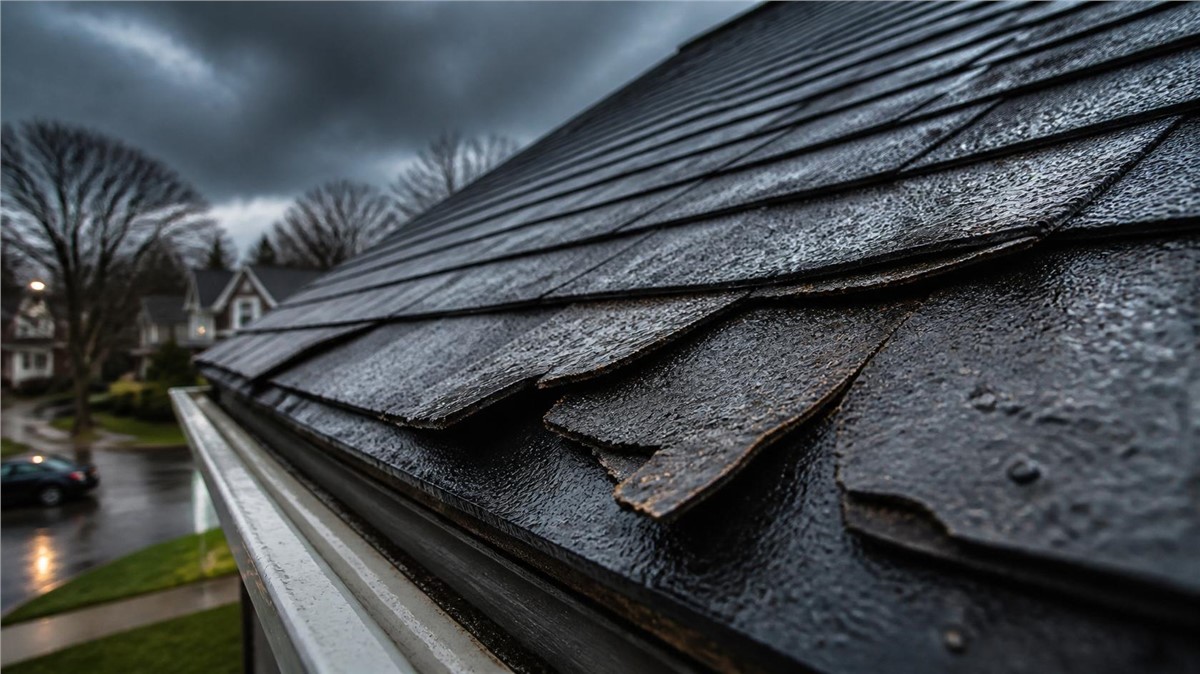
- Close-up shots of any visible missing or displaced shingles, damaged ridge cap, or visible flashing issues
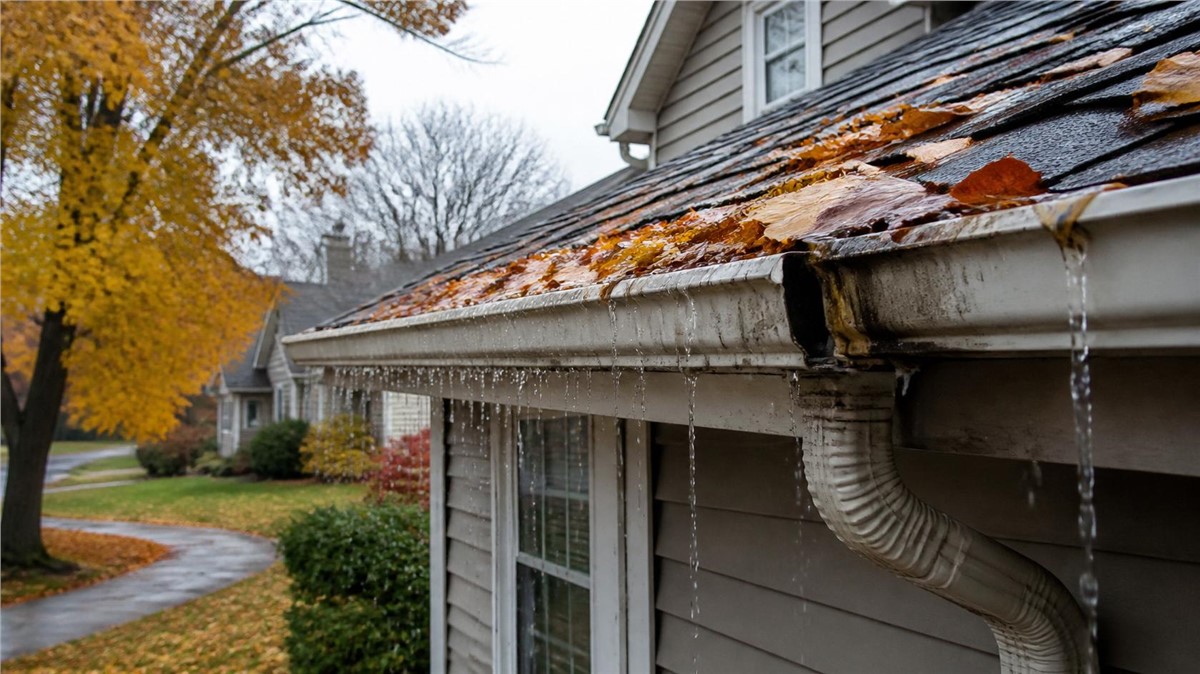
- Photographs of granule accumulation in gutters and at downspout outlets
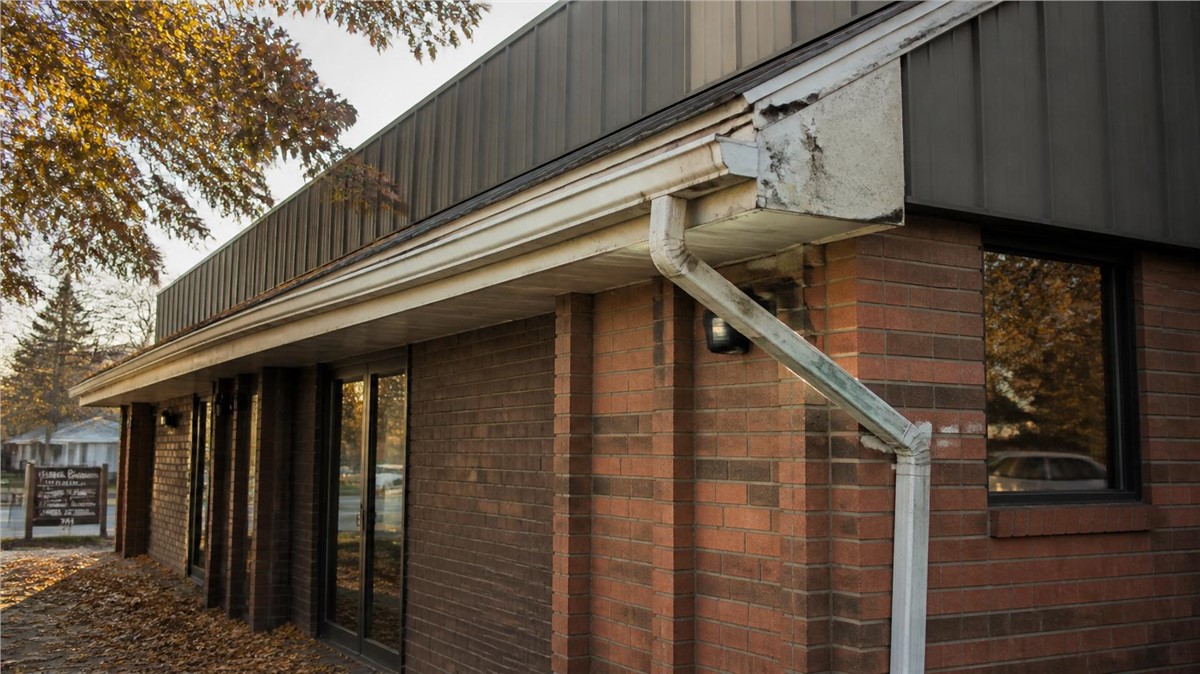
- Gutter condition — denting pattern from hail is one of the most important ground-level documentation items
For siding:
- Elevation-by-elevation photographs of all wall surfaces
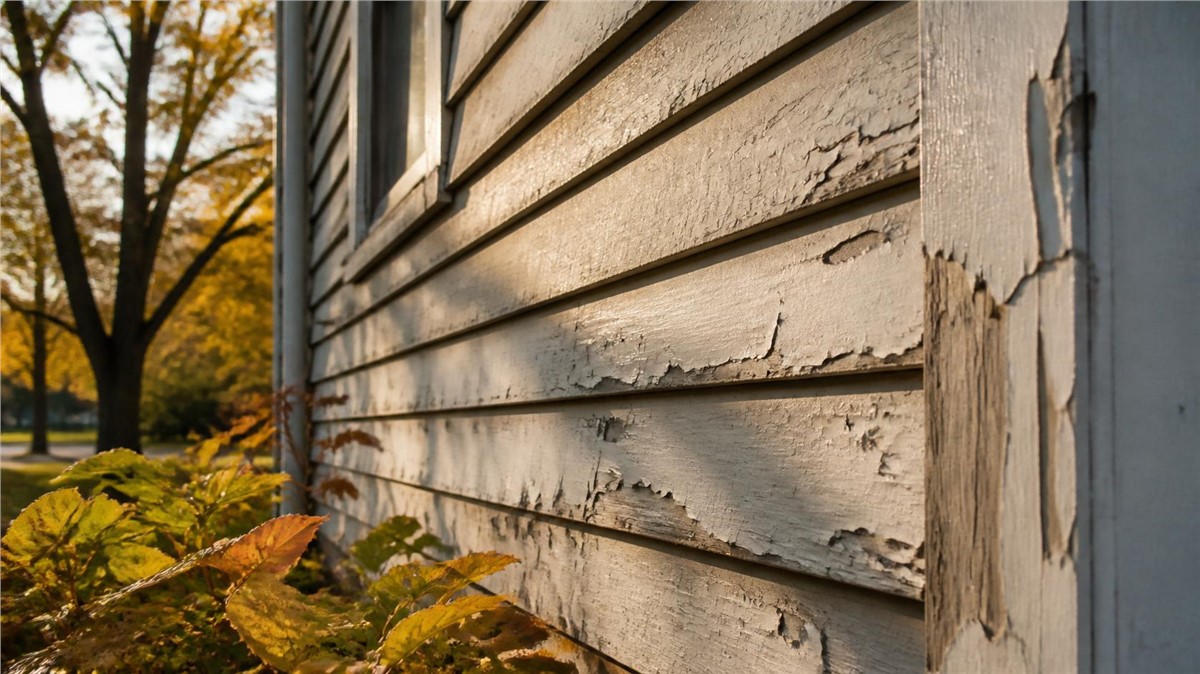
- Close-up shots of any cracked, punctured, or displaced panels
- Trim and accessory damage — J-channels, corner posts, window surrounds
- Any staining or moisture evidence on siding surfaces
For windows:
- All glazing units, with close-ups of any cracks or impact marks
- Frame condition including any denting or deformation
For other structures:
- Detached garage, outbuildings, fencing, and any other covered structures
- HVAC equipment and any rooftop or exterior mechanical components
Why Timestamps and Metadata Matter
Photograph with a device that embeds date and time metadata in the image file — most smartphones do this automatically. The metadata establishes when each photograph was taken, which is important when an insurer or adjuster questions the timeline of the claim. If your device does not embed metadata, photograph a newspaper or a phone screen showing the date and time in the first image of each session.
Documenting the Storm Event
Record the date and approximate time of the storm. In subsequent days, check the National Weather Service Storm Prediction Center database and local news sources for documentation of the specific storm event — hail size reports, wind speed measurements, and storm track records are publicly available for documented severe weather events and can be retrieved and referenced in your claim documentation.
This weather event documentation is particularly useful for claims filed after the immediate post-storm period — it establishes that a specific event of documented severity affected the specific property location on the claimed date.
Step Three: Contact Your Insurer Promptly
Once initial documentation is complete, contact your insurance company or agent to report the loss and initiate the claim. This conversation establishes the claim record with a date of reporting tied to a date of loss.
What to communicate when reporting:
- The date and approximate time of the storm event
- The type of weather event — hail, wind, or both
- Which exterior systems you have documented damage to
- That you have a contractor inspection scheduled or completed
What to ask your insurer:
- What is the specific claim filing deadline under your policy?
- Is there a separate wind and hail deductible on this policy, and what is the amount or percentage?
- What does the inspection and adjustment process look like — will an adjuster contact you, and in what timeframe?
- What temporary protective measures are authorized before permanent repairs begin, and what documentation is required to claim them?
Getting clear answers to these questions at the time of first report prevents misunderstandings later in the process.
Step Four: Get a Professional Contractor Inspection
A professional contractor inspection is not the same as an insurance adjuster inspection — and having both is the appropriate approach when storm damage is involved.
What a Contractor Inspection Produces
An experienced storm damage contractor inspects the full exterior — roof surface, flashing, gutters, siding, windows, and penetrations — using hands-on assessment techniques that cannot be replicated from the ground. They document findings with professional photographs from the roof surface and in close-up detail, and they produce a written inspection report that specifies what was damaged, how it was damaged, and what repair or replacement scope is required.
This report serves several functions in the claims process:
- It provides an independent professional assessment of the full damage scope — not just the items the adjuster may have noted
- It attributes the damage pattern to the specific storm event based on the type, distribution, and characteristics of the findings
- It specifies the materials and labor scope required for complete restoration — the basis for comparing against the adjuster's estimate
- It documents findings that may have been missed in the adjuster's assessment and provides the basis for a supplement claim if the initial payment is insufficient
Scheduling the Contractor Inspection
Schedule the contractor inspection as soon as possible after the storm — ideally before the adjuster's visit if the adjuster schedule allows. Having the contractor's written report in hand during the adjuster's visit gives the homeowner an independent reference point and ensures that any damage the adjuster does not note can be specifically raised during the inspection.
If the adjuster's visit happens before the contractor inspection, the contractor's written report can be submitted as a supplement to the initial claim — triggering a review of the adjuster's initial assessment against the contractor's findings.
Step Five: Understand the Adjuster's Assessment
The insurance adjuster's role is to assess the validity and scope of the claim on behalf of the insurer. Their assessment produces a scope of loss — an itemized list of damaged items and the insurer's valuation of the cost to repair or replace them — that forms the basis of the claim payment.
What Adjusters Look For
Adjusters are trained to look for damage patterns consistent with specific storm events. For hail claims, they look for circular impact points on roofing and siding surfaces, hail denting on gutters and metal components, and the consistency of damage direction with the documented storm track. For wind claims, they look for lifted, displaced, or missing components consistent with the documented wind direction and speed.
Adjusters also assess the age and condition of damaged components, which affects depreciation calculations on ACV policies and can affect the scope of repair versus replacement determinations on RCV policies.
When the Adjuster's Assessment Is Incomplete
It is not uncommon for an initial adjuster assessment to miss damage items that a contractor inspection identifies. Adjusters may not walk the full roof surface, may not perform the hands-on shingle tab and mat assessment that identifies wind and hail damage at a material level, and may not assess all exterior systems — particularly second-story siding elevations and soffit panels that are not accessible without equipment.
When a contractor's written inspection report identifies damage items not included in the adjuster's scope of loss, the homeowner has the basis for a supplement claim — a request for additional payment covering the missed items. A contractor with storm damage restoration experience understands this process and can help the homeowner prepare the supplement documentation.
Step Six: Temporary Protective Measures
While the claims process proceeds, any areas of the property where storm damage has created active vulnerability — open roof areas, cracked siding panels, broken windows — should be temporarily protected to prevent secondary damage from subsequent weather events.
Temporary protective measures are expected by insurers and do not compromise a claim. They are typically covered as part of the claim — keep all receipts and document the condition before and after each measure is applied.
Common temporary measures:
- Commercial-grade temporary membrane or tarp over open roof areas — not standard polyethylene tarps, which are inadequate for roofing applications
- Boarding or temporary glazing of broken windows
- Sealing of cracked siding panels at the impact point to prevent immediate water infiltration
What to avoid:
- Permanent repairs before the adjuster has assessed the damage — permanent repairs that remove or cover evidence of damage before adjuster assessment complicate the claim
- Hiring the first contractor who arrives unsolicited after the storm — storm chasers frequently arrive in the days after significant weather events in northern Illinois, offering fast turnarounds and easy insurance approvals. An unsolicited contractor working on a high-pressure timeline is not the selection process a significant restoration project deserves
Common Reasons Storm Damage Claims Are Underpaid or Denied
Understanding where claims go wrong helps homeowners avoid the most common pitfalls.
Delayed reporting. Claims filed weeks or months after the storm invite questions about whether damage is attributable to the claimed event or to subsequent deterioration. File promptly — the claim date matters.
Insufficient documentation. An adjuster's assessment that does not include contractor-provided photographs from the roof surface, written findings, and a complete scope of loss is working from incomplete information. Professional documentation fills those gaps.
Pre-existing damage confusion. Adjusters look for evidence that damage preceded the claimed storm event — old staining patterns, deterioration inconsistent with a single storm, or deferred maintenance that contributed to the failure. A contractor who inspects regularly and maintains inspection records can establish a baseline that distinguishes pre-existing condition from storm-caused damage.
Missed damage items. Initial adjuster assessments frequently miss second-story siding, soffit damage, flashing failures, and interior attic damage from infiltration. A contractor inspection report identifies these items and provides the basis for supplement claims.
Accepting the first offer without review. The initial claim payment is not necessarily the final one. When a contractor's assessment identifies damage scope beyond what the initial payment covers, a supplement claim is the appropriate next step — not acceptance of a payment that does not cover the full restoration scope.
Contractor selection errors. A storm-chaser contractor who signs an assignment of benefits agreement — which transfers the claim rights from the homeowner to the contractor — removes the homeowner from the claims process entirely. Retain control of your own claim and work with a contractor who prepares documentation in support of your claim rather than taking it over.
Working With a Local Contractor Through the Claims Process
The contractor relationship in a storm damage insurance claim is different from a standard home improvement project. The contractor's documentation, their written inspection report, their scope of work, and their ability to prepare supplement claims when initial payments are insufficient all affect the homeowner's claim outcome.
A contractor with established storm damage restoration experience in northern Illinois understands what insurance adjusters need to see, how to document findings in a way that supports the claim, and how to prepare supplement documentation when initial assessments miss damage items. This experience is distinct from general roofing or siding capability — it is specific to the intersection of exterior restoration and insurance claims management.
A contractor who is present in the Rochelle and Ogle County market — with local references, verifiable insurance and licensing, and a track record of completed projects — is accountable in ways that a storm-chasing operation is not. When supplement negotiations require follow-up, when warranty questions arise after completion, or when the insurer requests additional information months after the original claim, a local contractor is reachable and invested in resolving the issue.
Huskie Exteriors serves homeowners and commercial property owners across Illinois and Wisconsin, handling roofing, siding, windows, gutters, and storm damage restoration. For Rochelle homeowners navigating storm damage claims, the team brings the inspection documentation, scope preparation, and claims process experience to support the claim effectively — from initial inspection through final restoration.
Protecting Your Claim from the First Day
The homeowners in Rochelle who navigate storm damage insurance claims most effectively share a common approach: they treat the days immediately after a storm as the most important documentation window in the entire process, they get professional inspection completed and written reports in hand before permanent repairs begin, and they work with contractors who understand the claims process rather than those who simply do the physical work.
The claim itself — the documentation, the adjuster interaction, the supplement process if needed — is navigable when approached with the right information and the right contractor. The homeowners who struggle are typically the ones who moved too quickly, documented too little, or relied on a contractor whose interests were not fully aligned with theirs.
Contact Huskie Exteriors for professional roofing, siding, window, gutter, and storm damage services in Illinois and Wisconsin. If your Rochelle home has sustained storm damage — or if you have questions about the claims process before the next storm season — our team is ready to help you understand the process and navigate it with the documentation and expertise it requires.
Subscribe to Huskie Exteriors's Blog





Comments