A roof inspection is not just something to schedule when you suspect a problem — in Kingston, IL, where Midwest weather delivers hail, ice dams, wind, and freeze-thaw cycling across every season, a professional inspection is the most reliable way to know what your roof has actually been through and what it needs before that damage compounds. This guide explains what a professional roof inspection covers, when to schedule one, and why the timing matters more than most homeowners realize.
The Inspection Most Homeowners Skip
There is a predictable pattern to how roof inspections happen — or fail to happen — for most homeowners. A storm rolls through and the homeowner looks up at the roof from the driveway. Nothing is obviously missing or damaged. The ceiling inside is dry. The conclusion is that the roof is fine, and the inspection that would have confirmed or contradicted that conclusion never gets scheduled.
That conclusion is often right. And sometimes it is wrong in ways that cost significantly more to address than an inspection would have.
A roof that looks intact from the ground may have sustained hail bruising across the full shingle surface, cracked flashing sealant at the chimney, lifted ridge cap sections, or early-stage ice dam infiltration in the attic — none of which produces a visible exterior symptom immediately but all of which shortens the roof's remaining service life and creates conditions for water infiltration at the next significant rain or snowmelt event.
Kingston is a small community in DeKalb County, in a part of northern Illinois where the weather does not give roofs an easy life. The same climate systems that affect the broader northern Illinois region — significant winter snowfall, freeze-thaw cycling from November through April, hail-producing spring and summer thunderstorms, and high winds from fast-moving frontal systems — make regular professional roof inspection a practical investment rather than an optional one.
Why Midwest Weather Makes Inspections Non-Optional
The case for regular roof inspections is straightforward in a mild climate. In a northern Illinois climate like Kingston's, it is more urgent — because the weather events that do the most damage to residential roofs are exactly the ones that produce the least obvious immediate symptoms.
Hail
Hail is the most consequential and most consistently underestimated roof damage mechanism in northern Illinois. A hailstorm that produces one-inch stones — a size common in Midwest summer storms — can bruise shingle mats, knock off protective granules, and compromise the weather resistance of every square foot of roof surface it contacts. None of that damage is visible from the ground. A roof that sustained meaningful hail damage in June may not produce a ceiling stain until the following spring, after ice dam infiltration has found its way through a shingle mat that was already weakened.
The insurance dimension matters here too. Hail damage claims need to be filed within a defined period after the storm event — typically within one year in Illinois, though policy terms vary. A homeowner who discovers hail damage two years after the storm that caused it has missed the claim window entirely, regardless of how clearly the damage pattern is attributable to that event.
Ice Dams
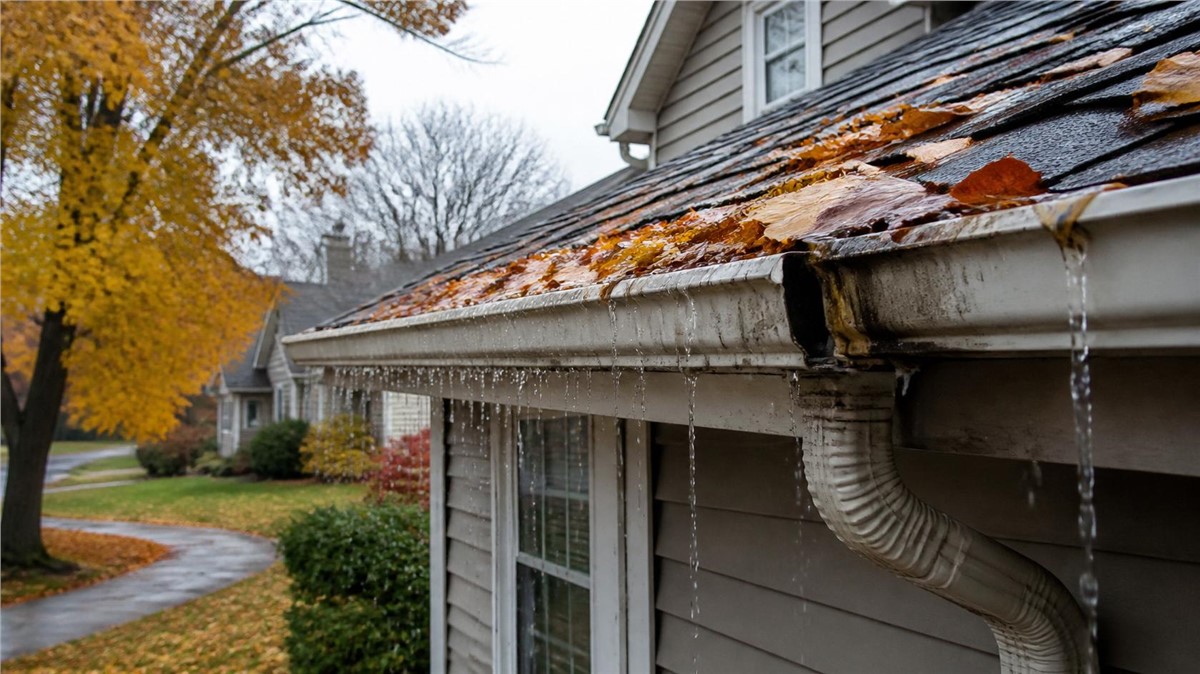
Ice dams form when heat escaping through an under-insulated or under-ventilated attic melts the base layer of snow on the roof. That meltwater runs down the slope until it reaches the cold eaves and refreezes, building a dam that traps subsequent meltwater behind it. Backed-up water sits against and eventually under shingles, bypassing the primary weather surface and reaching the underlayment and decking beneath.
The damage from ice dam infiltration is cumulative and largely invisible from the exterior. A little moisture into the attic each winter, gradually saturating insulation and staining the underside of the decking, until a ceiling stain appears in a room below or a soft spot in the roof deck is discovered during a repair project.
A professional inspection that includes attic access catches ice dam damage early — before the saturation has progressed far enough to require extensive decking replacement alongside whatever roofing work the damage prompts.
Wind
High winds create specific, predictable damage patterns on residential roofs — lifted shingle tabs, broken adhesive seals, displaced ridge cap sections, and flashing movement at penetrations and transitions. These failures are not always visible from the ground and frequently go undetected until the next significant rain event exploits the vulnerabilities they created.
A professional inspection after any wind event significant enough to down branches or displace outdoor furniture is a reliable way to find these failures before the first rain after the storm does it for you.
Freeze-Thaw Cycling
The repeated transition between frozen and thawed conditions — which happens dozens of times across a northern Illinois winter and early spring — stresses every joint, seam, and sealant in the roof assembly. Flashing sealant that was merely cracked in October becomes a water entry point in the spring thaw. Shingle tabs that lifted slightly in a cold snap may not reseat fully. Ice in small gaps expands and widens those gaps incrementally through dozens of freeze-thaw cycles.
This process is invisible from outside the home. Its consequences show up in attic inspections as moisture staining, in interior inspections as ceiling stains, and in contractor assessments as soft spots in the decking that were not present in prior inspections.
What a Professional Roof Inspection Actually Covers
A professional inspection is not a walk-around and a general impression. It is a systematic assessment of every component in the roof assembly — from the shingle surface to the attic below — using specific techniques that cannot be replicated from the ground.
Shingle Surface Assessment
The full shingle surface is walked — not just the accessible slopes at eave height, but every slope of the roof including upper sections. On each slope, the inspector examines:
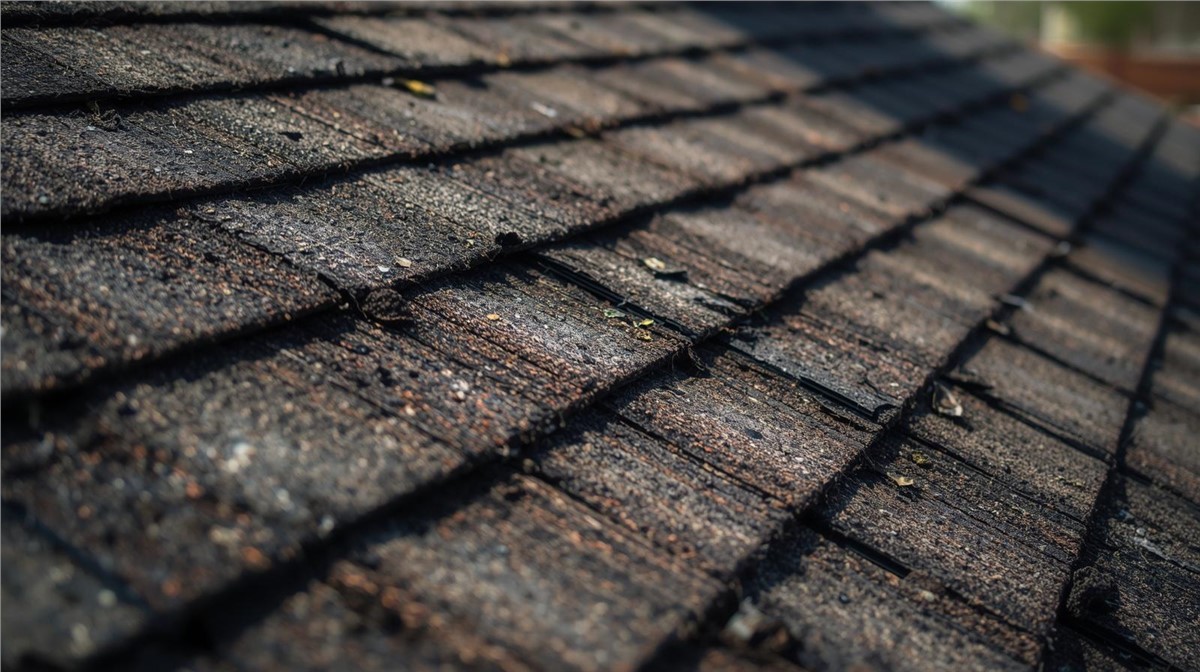
Granule retention. The volume and distribution of granule loss across shingle surfaces tells a story about both age-related wear and impact-related damage. Age-related granule loss is broadly distributed and relatively uniform. Hail-related granule loss produces circular impact points randomly distributed across the shingle surface — identifiable in pattern and, for an experienced inspector, attributable to specific storm events based on the damage distribution.
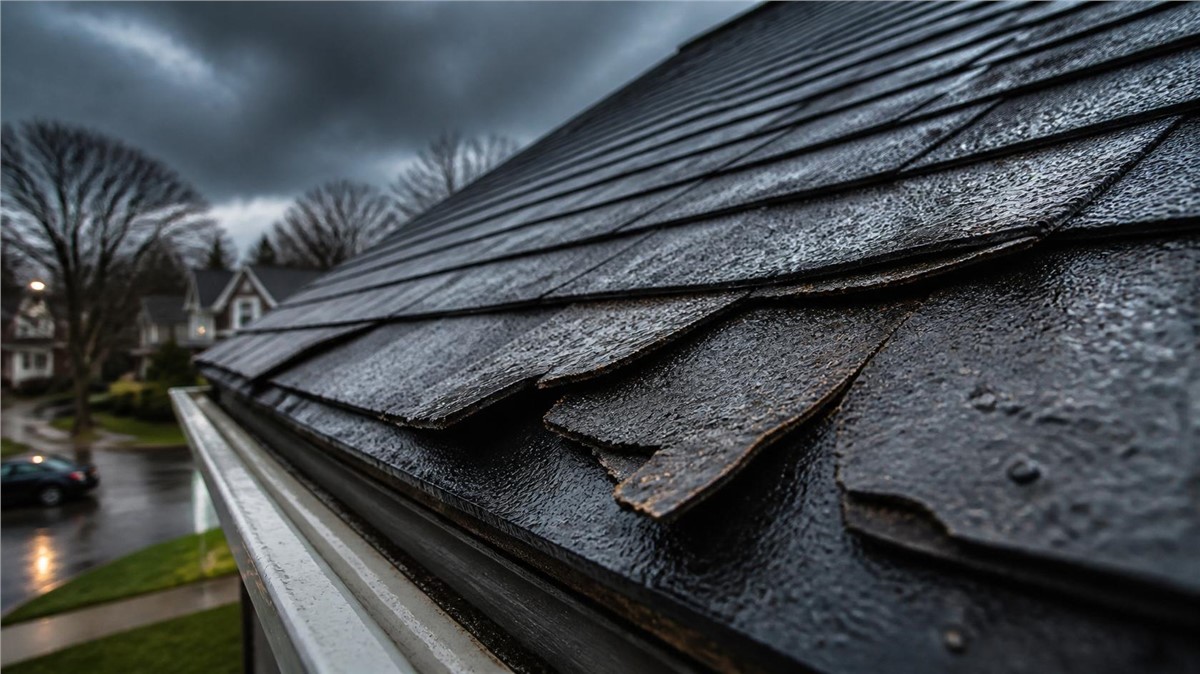
Shingle integrity. Cracked, curled, cupped, or fractured shingles — and the distribution of those failures across the roof surface — indicate both the overall condition of the installation and specific areas where failure is most advanced. Shingles that curl at the edges or cup upward in the center have typically been subject to moisture cycling from below or heat stress from inadequate ventilation.
Tab adhesion. The inspector presses on shingle tabs across the roof surface to assess adhesive seal integrity. A sealed tab resists lifting pressure firmly. A broken seal allows the tab to lift freely under finger pressure — and will lift again in the next wind event, more easily each time. Broken seals are a wind damage indicator and a vulnerability that should be resealed or replaced.
Mat bruising assessment. At impact points identified visually, the inspector presses firmly on the shingle surface to assess whether the asphalt mat beneath the granule layer has been bruised by hail impact. A healthy mat is firm and resilient under pressure. A bruised mat is softer — the tactile equivalent of structural damage that is not visible from the surface. This assessment cannot be performed from the ground and is one of the primary techniques that distinguishes a professional inspection from a homeowner walk-around.
Flashing Assessment
Flashing inspection is among the highest-value activities in a professional inspection because flashing failures are responsible for a disproportionate share of residential roof leaks — and because they are completely invisible from the ground.
The inspector examines:
- Chimney flashing — base flashing, counter-flashing, and sealant at all four sides of the chimney penetration, looking for lifting, separation, cracks at sealant joints, and any impact damage to metal surfaces
- Pipe boot flashings at plumbing vents — rubber boot condition and metal flange seating
- Skylight flashing — perimeter and curb flashing integrity
- Valley flashing — condition of metal or membrane valleys and any debris accumulation that retards drainage
- Drip edge — lifting, bending, or separation from the fascia along eaves and rakes
- Wall step flashing at dormers and additions — individual step flashing pieces that can shift under wind pressure or freeze-thaw cycling
Sealant condition at every flashing joint is assessed independently of the flashing metal — cracked or missing sealant is documented as an active water infiltration risk even where the metal itself appears sound.
Ridge and Hip Assessment
Ridge cap shingles are inspected individually for cracking, granule loss, adhesive seal failure, and any displacement from the peak. Ridge cap sits at the highest-pressure zone on the roof and is disproportionately represented in wind damage findings — being exposed to lateral wind forces that field shingles are largely protected from.
Ridge vent sections are examined for displacement, debris intrusion, and integrity of the internal baffle that prevents wind-driven rain from entering the attic at the ridge.
Eave and Soffit Condition
The eave area — where ice dams do their damage and where gutter system performance directly affects roof longevity — is examined closely. Signs of ice dam infiltration include staining on the underside of the roof deck visible at the eave overhang, paint failure or discoloration on soffit panels, and soft spots in the roof deck at the eave line that indicate repeated moisture exposure.
Drip edge condition, starter strip integrity, and the first few courses of shingles are examined at eave level — the most accessible point on the roof and the area that sees the most concentrated weather stress in winter.
Attic Inspection
The attic inspection is the component that most clearly differentiates a thorough professional inspection from a surface-only assessment.
From inside the attic, the inspector assesses:
Moisture infiltration evidence. Fresh water staining on the underside of the roof deck or on attic framing members indicates current or recent active infiltration. The location and pattern of staining identifies the entry point at the roof surface and guides targeted exterior repair.
Insulation condition. Wet or compressed insulation at the eave line indicates ice dam infiltration. Wet insulation at any location indicates an active leak point above it. Both findings represent conditions that have been developing for some period before the inspection — early detection limits the remediation scope.
Ventilation assessment. The balance between intake ventilation at the soffits and exhaust ventilation at the ridge is assessed. Ventilation deficiency is one of the most common underlying causes of premature roof failure in northern Illinois — it drives both the heat stress that bakes shingles from below in summer and the temperature differential that creates ice dams in winter. Identifying ventilation deficiency during an inspection allows it to be corrected at the time of any roofing work rather than after.
Daylight penetration. Any daylight visible through the roof deck from the attic indicates a gap — a direct water entry point that warrants immediate attention.
Structural condition. Attic framing members are visually assessed for signs of moisture damage, insect activity, and structural compromise that might affect the roof system's ability to carry its load correctly.
When to Schedule a Roof Inspection in Kingston, IL
The timing of roof inspections in a northern Illinois climate is not arbitrary. There are specific circumstances that make professional inspection the right next step.
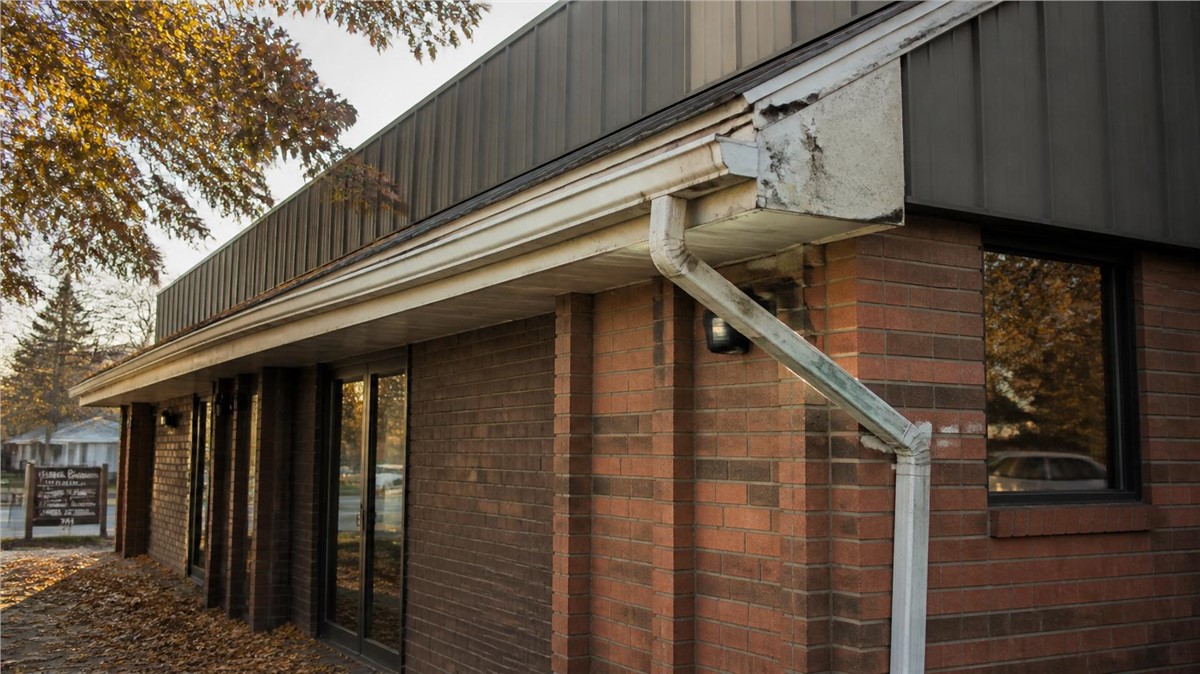
After any hail event. Hail damage needs to be documented and assessed while it is clearly attributable to the specific storm event. Schedule inspection within days of any storm that produces hail large enough to dent aluminum surfaces — gutters and downspouts showing denting are a reliable ground-level indicator that the roof has also sustained impact.
After any significant wind event. Wind events significant enough to down branches, displace outdoor furniture, or produce sustained gusts above 50 mph should prompt a professional inspection regardless of what a ground-level scan reveals. The most consequential wind damage — broken adhesive seals, displaced ridge cap, cracked flashing sealant — is not visible from the ground.
Before winter. A fall inspection — October or early November before freeze-up — allows any minor issues identified during the inspection to be repaired before winter arrives. Flashing sealant that is cracked but functional in October becomes a water entry point in the first significant thaw of February. Addressing it in fall costs a fraction of addressing it after a winter of infiltration has progressed.
After winter. A spring inspection — after the last freeze-thaw cycle but before the peak of hail season — assesses the cumulative damage of the winter season. Ice dam infiltration, freeze-thaw stress on flashing sealant, and any structural concerns in the attic from heavy snow loading are all findings that a spring inspection produces in time to be addressed before summer storm season.
When a roof approaches 15 years of age. Roofs in the 15 to 20 year range in a northern Illinois climate are approaching the period when age-related deterioration — granule loss, shingle brittleness, fatigue at flashing joints — accelerates. Annual inspection during this period gives homeowners accurate information about remaining service life and allows planned replacement to be timed strategically rather than forced by emergency.
Before buying or selling a home. A professional roof inspection is a standard component of a responsible home purchase evaluation. For sellers, an inspection before listing identifies issues that can be addressed proactively rather than discovered by a buyer's inspector and used as negotiating leverage.
What Inspection Findings Mean for Next Steps
A professional inspection produces one of several outcomes — and knowing what each means helps homeowners respond appropriately.
No actionable findings. The roof is in sound condition with no immediate repair needs. The inspection report establishes a baseline condition record that is useful in future claims and replacement planning. Schedule the next inspection in one to two years, or after the next significant storm event.
Minor repair items identified. Cracked flashing sealant, a small number of repairable shingle tabs, a section of displaced ridge cap — these are addressable repairs that extend the roof's service life at modest cost. Act promptly rather than deferring — the cost of the repair is small, and the cost of the infiltration it prevents is not.
Storm damage consistent with a specific weather event. The inspection report documents findings attributable to a specific storm — hail bruising, wind-lifted ridge cap, impact-damaged flashing — in enough detail to support an insurance claim. Contact your insurer promptly with the inspection report and begin the claim process.
Systemic deterioration indicating approaching end of life. The roof is not failing at a specific point — it is aging across the full surface simultaneously, with granule loss, shingle brittleness, and flashing fatigue that indicate the system is in its final years. This finding prompts a replacement planning conversation rather than a repair conversation — scheduling replacement at a time of the homeowner's choosing rather than in response to an emergency.
Finding the Right Inspector in Kingston, IL
Not every contractor who offers a free inspection after a storm brings the same capability to the process. A professional inspection that serves a homeowner's interests has specific characteristics:
- The inspector walks the full roof surface — every slope, not just what is visible from a ladder at the eave
- The inspection includes an attic assessment, not just an exterior scan
- Findings are documented in writing with photographs from the roof surface — not communicated verbally with a handwritten repair quote
- The inspector explains what was found and why it matters — not just what needs to be replaced
- The written report is provided to the homeowner regardless of whether a repair contract is signed
Huskie Exteriors serves homeowners and commercial property owners across Illinois and Wisconsin, handling roofing, siding, windows, gutters, and storm damage restoration. For Kingston homeowners and property owners throughout DeKalb County, the team provides thorough professional roof inspections with complete written documentation — prepared to support insurance claims and give property owners an accurate, honest assessment of their roof's condition.
The Inspection That Protects Everything Below It
A roof inspection is not an expense — it is the information that makes every other roofing decision better. It tells you whether the repair is a targeted fix or the beginning of a replacement conversation. It tells you whether an insurance claim is worth filing and what documentation supports it. It tells you whether the roof that has been managing Midwest weather above your home for the past 15 years has another decade in it or is approaching a transition point that deserves planning.
Kingston homeowners who make professional inspection part of their regular exterior maintenance cycle — not just an emergency response — are the ones who manage roofing costs most effectively over the full service life of their homes.
Contact Huskie Exteriors for professional roofing, siding, window, gutter, and storm damage services in Illinois and Wisconsin. If your Kingston home is due for a roof inspection — or if a recent storm has you wondering what your roof actually experienced — our team is ready to take a thorough look and give you a clear, honest picture of where things stand.
Subscribe to Huskie Exteriors's Blog





Comments