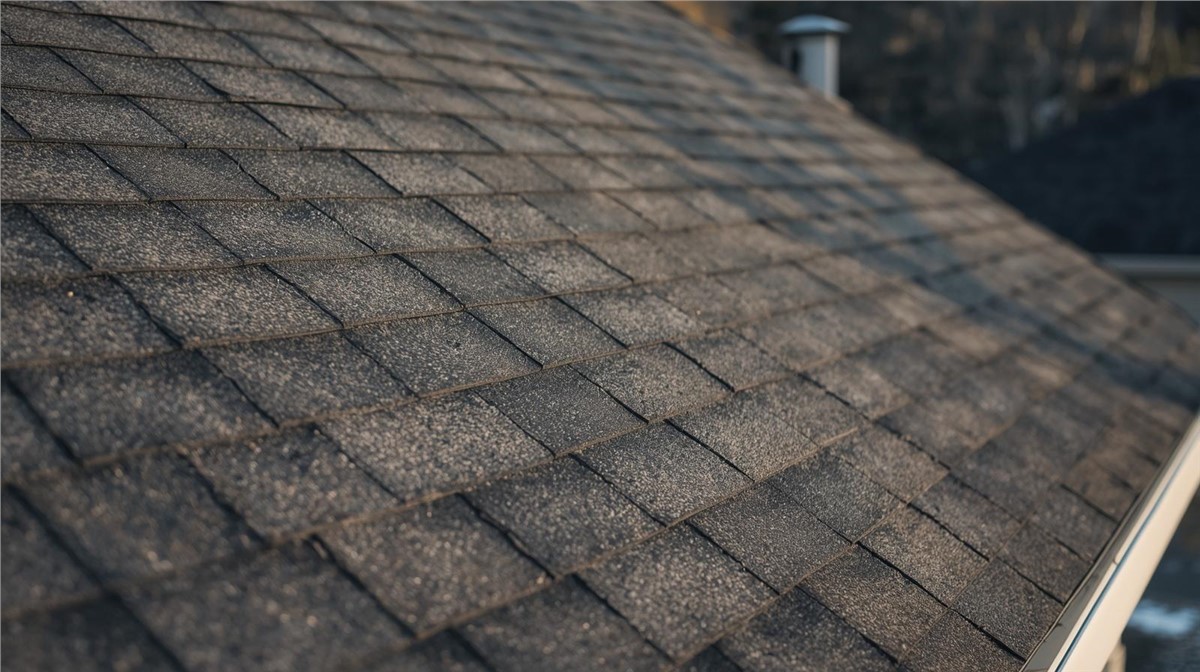
Asphalt shingles are the dominant roofing material across northern Illinois for practical reasons — they handle Midwest weather well, install efficiently, and deliver solid value across a 20 to 30 year service life when properly specified and maintained. For homeowners in Belvidere, IL, understanding what separates a quality asphalt shingle installation from a marginal one, what realistic costs look like, and what maintenance actually extends roof life helps you make better decisions before, during, and after a roofing project.
Why Asphalt Shingles Dominate the Northern Illinois Market
Drive through any neighborhood in Boone County and the roofing picture is consistent: asphalt shingles, overwhelmingly. Not because homeowners have not considered alternatives, but because asphalt shingles have earned their market position through a combination of performance, availability, cost-effectiveness, and installer expertise that no other residential roofing material currently matches in this region.
That said, not all asphalt shingles are the same product. The range from builder-grade three-tab shingles to premium architectural products with enhanced impact resistance represents a meaningful spread in performance, durability, and long-term value. Understanding what that range looks like — and what the northern Illinois climate demands — is the starting point for any roofing decision in Belvidere.
Belvidere sits in Boone County, in a part of northern Illinois that sees the full Midwest weather spectrum. Significant snowfall and ice in winter. Freeze-thaw cycling from November through April. Hailstorms in spring and summer. High winds from fast-moving frontal systems. UV intensity across the summer months that bakes roofing surfaces from above while attic heat stress works from below. A roofing material that performs here needs to handle all of it — not just the mild seasons.
Asphalt Shingle Types: Understanding the Product Range
The asphalt shingle market has three primary tiers, and each one represents a different performance and value proposition for Belvidere homeowners.
Three-Tab Shingles
Three-tab shingles — the original asphalt shingle format — are a single-layer product cut to create three tabs that give each shingle its name. They are the thinnest and least expensive asphalt shingle available, with wind resistance ratings that top out around 60 to 70 mph and a typical lifespan of 15 to 20 years in a northern Illinois climate.
Three-tab shingles are still installed, primarily on budget-constrained projects and in lower-tier new construction. For most Belvidere homeowners replacing an aging roof, they represent the entry point of the market rather than the appropriate specification. The cost savings over architectural shingles are modest — typically a few hundred dollars on a full residential replacement — while the performance and longevity gap is meaningful in a climate that delivers the weather stress Boone County does.
Architectural (Dimensional) Shingles
Architectural shingles — also called dimensional or laminated shingles — are the most widely installed roofing product on residential homes across northern Illinois, and they represent the appropriate baseline specification for most Belvidere homes.
They are a two-layer laminated product that creates a three-dimensional appearance with shadow lines that more closely approximate natural slate or wood shake than the flat profile of three-tab shingles. More importantly, the laminated construction produces a thicker, more durable product — typically wind rated to 110 mph, with impact resistance and granule retention that outperforms three-tab shingles significantly.
Manufacturer warranties on architectural shingles range from 30 years on mid-grade products to lifetime on premium lines. In a northern Illinois climate, realistic performance lands in the 20 to 25 year range on mid-grade product and 25 to 30 years on premium architectural shingles, when properly installed and maintained.
For most Belvidere homeowners, architectural shingles represent the right balance of performance, appearance, and cost. The step up from three-tab to architectural is a modest additional investment for a meaningfully better product.
Impact-Resistant Shingles
Impact-resistant shingles — sometimes called Class 4 shingles, referencing the highest rating under UL 2218 impact testing — are architectural shingles engineered with polymer-modified asphalt or rubberized backing that absorbs impact energy rather than fracturing under it.
For Boone County homeowners, where hail is a regular seasonal occurrence, Class 4 shingles are worth a serious conversation. The performance difference in a hail event is real — a shingle that absorbs impact rather than cracking or fracturing at impact points retains its granule layer, maintains its weather resistance, and does not generate the insurance claim that a standard shingle would under the same hailstone.
The practical case for Class 4 shingles in Belvidere: many insurance carriers offer premium discounts for homes with impact-resistant roofing — sometimes meaningful enough to offset the cost premium over standard architectural shingles across the policy period. Asking your insurance provider about impact-resistant roofing discounts before selecting a product is worth doing. The answer affects the cost-benefit calculation.
What a Quality Asphalt Shingle Installation Involves
The shingle product is one variable in a roofing system. Installation quality is equally consequential — and largely invisible once the job is complete. Understanding what a proper installation includes helps homeowners evaluate contractor proposals and identify where scope is being cut to produce a lower bid.
Tear-Off and Deck Assessment
A proper replacement installation begins with complete tear-off of existing shingles — not layering new shingles over old ones. Building codes in many Illinois municipalities limit the number of roofing layers allowed on a structure, and for good reasons: layering traps heat between layers that accelerates shingle aging, adds weight to the roof structure, and — most critically — prevents inspection and repair of the decking beneath.
During tear-off, the decking condition is assessed. Soft spots, delamination, rot from prior moisture infiltration, and areas damaged by ice dam infiltration are identified and repaired before any new roofing material is installed. A contractor who proceeds with new shingles over damaged decking is installing a new roof on a compromised foundation.
Ice and Water Shield
Ice and water shield is a self-adhering waterproof membrane installed directly over the decking at the eaves, in roof valleys, around chimneys and penetrations, and at any other area vulnerable to ice dam infiltration and concentrated water flow.
In Belvidere, where ice dams are a regular winter occurrence, proper ice and water shield coverage is not optional — it is the component that determines whether a roof survives ice dam events without interior water infiltration. The minimum code requirement in most Illinois jurisdictions covers the first two feet up from the eave, measured to the interior wall line. Better practice extends coverage further up the slope in areas with documented ice dam history.
A contractor who skips ice and water shield or installs it only at the code minimum without discussing extended coverage on a home with ice dam history is making a material decision that significantly affects the roof's winter performance.
Underlayment
Synthetic underlayment — installed over the ice and water shield and across the full roof deck — is the secondary water barrier beneath the shingles. It protects the deck from weather exposure during installation and provides backup protection if water infiltrates past the shingles.
Modern synthetic underlayment is significantly more durable than the traditional felt paper it replaced — it resists tearing during installation, handles weather exposure better during the installation window, and lies flatter under shingles, reducing the surface irregularity that can telegraph through thinner shingle products.
A contractor specifying felt paper underlayment on a new installation is using a product that was superseded by meaningfully better technology. Synthetic underlayment should be the standard specification.
Starter Strips
Starter strips are pre-cut shingle pieces installed along the eave and rake edges before field shingles begin. They provide the sealant backing for the first course of field shingles — the adhesive strip on a starter shingle is positioned to bond with the tab of the first full shingle course above it.
Skipped starter strips leave the first course of shingles without their adhesive bond at the eave — the edge most exposed to wind uplift and the most consequential location for tab lifting. This is a shortcuts-for-speed installation decision that compromises the eave's wind resistance for the life of the installation.
Flashing
Flashing at chimneys, skylights, plumbing vents, wall transitions, and in valleys is where most roof leaks originate — not because shingles fail at these points, but because the transitions between the roofing surface and vertical elements require metal and sealant to maintain watertight joints across years of thermal movement.
Step flashing at wall transitions, counter-flashing at chimneys, pipe boot flashings at plumbing vents — each needs to be installed correctly and, where existing flashing is corroded or damaged, replaced rather than reused. A bid that specifies "reuse existing flashing" on a 20-year-old roof is deferring a known failure point into the new installation.
Ventilation
A properly ventilated roof assembly maintains airflow through the attic that serves multiple critical functions: it prevents heat buildup in summer that accelerates shingle aging from below, it reduces the attic heat differential that drives ice dam formation in winter, and it manages moisture that would otherwise condense in the attic assembly and damage sheathing and framing over time.
The balanced ventilation standard — equal intake at soffits and exhaust at ridge — is the appropriate target for most residential attic assemblies. A roofing contractor who assesses ventilation as part of a replacement project and flags deficiencies that need correction is doing the job comprehensively. One who installs shingles without addressing ventilation is leaving in place the condition most likely to shorten the new roof's life.
Cost: What to Expect for Asphalt Shingle Roofing in Belvidere
Providing a meaningful price for a roofing project without knowing the specific home, roof complexity, material specification, and current market conditions is not possible — but providing a framework for understanding what drives cost helps homeowners evaluate proposals intelligently.
The cost variables within the homeowner's control:
Shingle product tier. The step from three-tab to architectural adds modest cost — typically a few dollars per square (a roofing square equals 100 square feet). The step from standard architectural to Class 4 impact-resistant adds more — and needs to be weighed against potential insurance premium savings that may partially or fully offset the difference over time.
Decking repair scope. Unknown until tear-off, but homes with documented ice dam history, prior leak events, or roofs over 20 years old should anticipate some decking repair as part of the project. A contractor who builds a realistic repair allowance into the estimate and commits to notifying the homeowner before proceeding beyond it is operating transparently.
Roof complexity. A simple gable roof with one or two penetrations installs faster and with less material waste than a hip roof with multiple dormers, valleys, skylights, and complex flashing transitions. Complexity multiplies labor cost significantly.
Contractor quality and overhead. A contractor with licensed employees, proper insurance, established supplier relationships, and a meaningful workmanship warranty has higher operating costs than one operating around those requirements. That difference shows up in the estimate — and in what happens when something needs to be addressed after the job is complete.
What a complete proposal should specify:
- Shingle manufacturer, product line, and warranty tier
- Underlayment type — synthetic specified
- Ice and water shield — coverage locations and square footage
- Starter strip — specified as a line item
- Flashing — new or reused, locations identified
- Ventilation — assessment and any corrections included
- Tear-off — layers and disposal included
- Decking repair — allowance or assessment process described
- Permit — included or billed separately
- Cleanup — magnetic nail sweep, haul-away, and protection of landscaping specified
A proposal that omits any of these items is a proposal that may include them at additional cost mid-project — or may not include them at all.
Lifespan: What Asphalt Shingles Actually Deliver in Boone County
Manufacturer warranty periods for architectural shingles — 30 years, 40 years, lifetime — are projections under controlled conditions. In northern Illinois, realistic performance expectations are:
Mid-grade architectural shingles: 20 to 25 years under normal conditions. Homes with adequate attic ventilation, no significant ice dam history, and regular maintenance attention toward the upper end. Homes with ventilation deficiency, documented ice dam events, or significant hail exposure without remediation toward the lower end.
Premium architectural shingles: 25 to 30 years under normal conditions, with the same modifiers applying.
Class 4 impact-resistant shingles: Comparable base lifespan to premium architectural product, with meaningfully better performance in hail events — retaining granule coverage and structural integrity under impact that would crack or bruise standard product.
The factors that shorten asphalt shingle life in Belvidere:
Inadequate attic ventilation is the single most common cause of premature roof failure in northern Illinois. Heat trapped in an under-ventilated attic bakes shingles from below, accelerating oxidation of the asphalt binder and causing brittleness and cracking years ahead of the rated lifespan. The same heat differential drives ice dam formation in winter. Correcting ventilation deficiency at the time of roof replacement is the highest-value maintenance decision available.
Ice dam infiltration accumulates damage over multiple seasons — a little moisture into the decking each winter, gradually compromising the structural layer and the underlayment. Proper ice and water shield coverage addresses this at the perimeter; proper attic ventilation addresses the underlying cause.
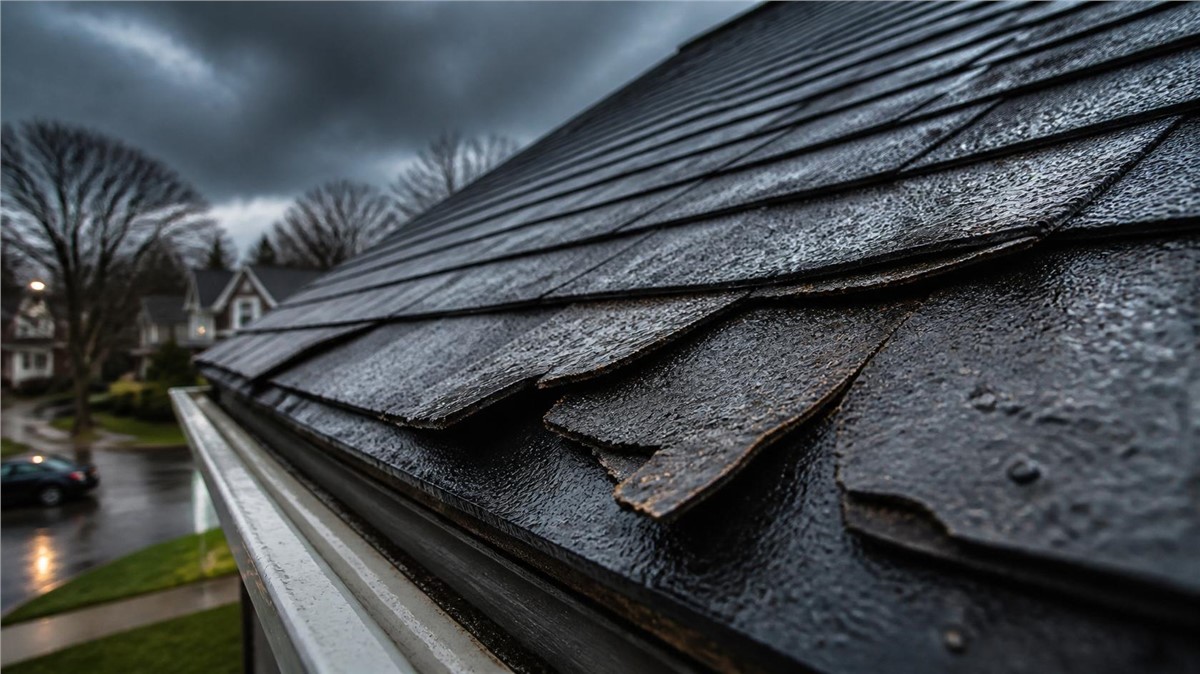
Hail exposure without inspection or remediation shortens remaining shingle life from the moment of impact. Granule-depleted shingles exposed to UV weathering deteriorate faster than intact ones. A roof that has been through multiple significant hail events without inspection may be years closer to failure than its calendar age suggests.
Deferred maintenance — skipped inspections, ignored minor repairs, clogged gutters that cause water backup at the eave — allows small problems to compound into large ones across a roof's service life.
Maintenance: What Actually Extends Roof Life in Belvidere
The maintenance practices that extend asphalt shingle roof life in a northern Illinois climate are more specific than "keep it clean." Here is what actually matters.
Annual or biannual inspection. The most valuable maintenance activity for any roof. A professional inspection every one to two years — and after any significant hail or wind event — catches the minor issues that become major ones when deferred. Flashing sealant cracks, minor shingle damage, gutter separation, and ventilation issues are all inexpensive to address when identified early.
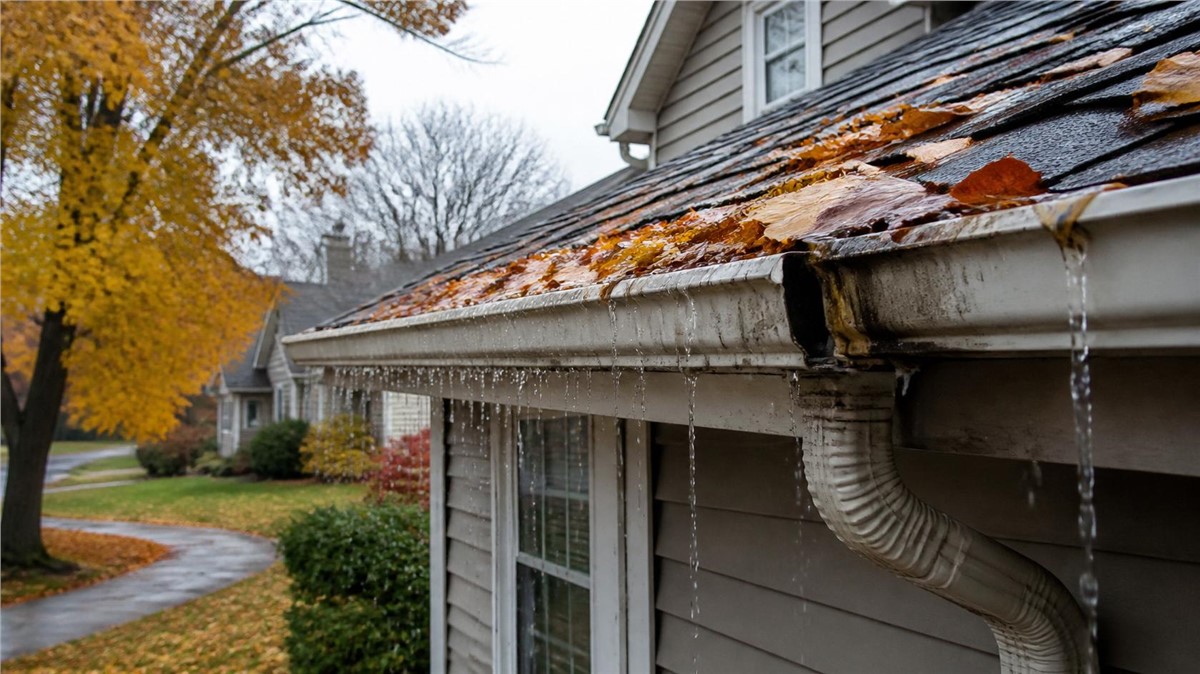
Gutter maintenance. Clogged gutters cause water to back up against the fascia and eave — contributing to ice dam formation in winter and fascia rot year-round. Cleaning gutters twice per year, in spring and fall, is one of the more consequential maintenance tasks for roof longevity.
Keeping the roof surface clear. Debris accumulation in valleys and at penetrations slows drainage and retains moisture against the roofing surface. Overhanging branches that deposit organic material — leaves, twigs, seed pods — onto the roof accelerate biological growth and add debris load that retains moisture.
Moss and algae treatment. In shadowed areas — particularly north-facing slopes under tree cover — algae and moss growth is common on asphalt shingles in northern Illinois. Algae stains are cosmetic in early stages but can accelerate granule loss. Moss holds moisture against the shingle surface and can work under shingle edges over time. Zinc or copper strips at the ridge line provide passive treatment. Direct application of appropriate roof cleaning solutions addresses existing growth.
Prompt repair of identified issues. A cracked flashing joint resealed promptly costs a fraction of the water damage it allows if deferred through a winter of freeze-thaw cycling. A missing shingle replaced the week it is discovered is a simple repair. The same missing shingle discovered after a season of rain infiltration may involve decking repair and interior damage remediation.
Attic ventilation monitoring. In winter, frost on attic framing members and ice dam formation at eaves are indicators that attic ventilation is inadequate. In summer, excessive heat buildup in the attic — measured simply by opening the attic access in the evening to feel the air temperature — suggests that insulation and ventilation are not managing heat effectively. Either finding warrants a professional assessment.
Choosing the Right Roofing Contractor in Belvidere
Boone County has no shortage of roofing contractors, particularly after significant storm events when out-of-area operations move into the market. The range of quality, accountability, and long-term reliability is wide. The questions that distinguish a contractor worth working with:
- Licensed and insured in Illinois, with certificates available before work begins
- Pulls permits for roofing work as a standard practice
- Provides a written estimate that specifies every material and scope item
- Is a manufacturer-certified installer — which affects warranty tier availability
- Has local references from projects completed in the past two years
- Has an established physical presence in Illinois — not a post-storm operation
- Offers a meaningful workmanship warranty alongside the manufacturer warranty
Huskie Exteriors serves homeowners and commercial property owners across Illinois and Wisconsin, handling roofing, siding, windows, gutters, and storm damage restoration. For Belvidere homeowners, the team brings the product knowledge, installation experience, and local accountability to deliver an asphalt shingle installation that performs across the full range of Boone County weather — from the first winter after installation through the last year of its service life.
Getting Full Value From Your Asphalt Shingle Roof in Belvidere
An asphalt shingle roof in Belvidere is a 20 to 30 year investment in the protection of everything beneath it. The homeowners who get full value from that investment are the ones who specify the right product for their climate exposure, work with a contractor who installs it correctly, and maintain it with the attention it actually needs — not the benign neglect that most roofs receive until a leak forces the conversation.
The difference between a roof that reaches 25 years and one that needs replacement at 15 is usually not the shingle product. It is ventilation, installation quality, maintenance, and the prompt attention to minor issues before they compound into major ones.
Contact Huskie Exteriors for professional roofing, siding, window, gutter, and storm damage services in Illinois and Wisconsin. If your Belvidere home is due for a roofing evaluation or replacement, our team is ready to assess what you have, recommend what fits your home and budget, and install it with the attention to detail that makes the warranty period a realistic expectation rather than an optimistic projection.
Subscribe to Huskie Exteriors's Blog





Comments