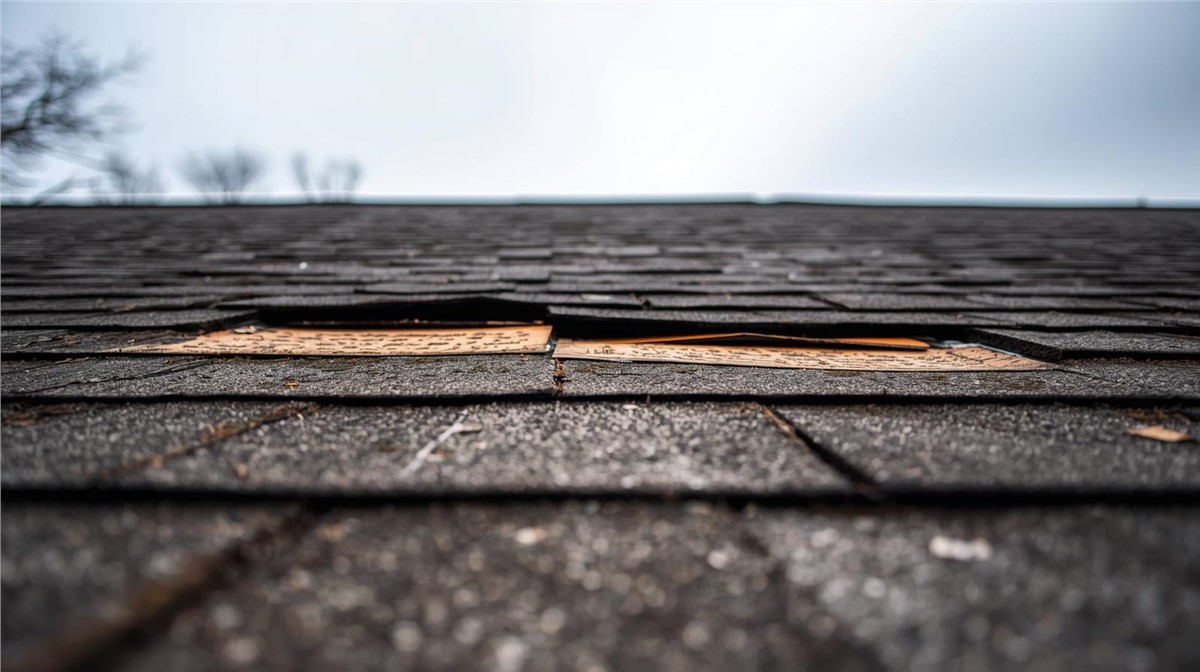
In Schaumburg, IL, a wind damage roof inspection should happen as soon as possible after a major storm, even if the roof looks mostly fine from the ground. Strong winds can lift shingles, loosen flashing, damage roof edges, and create hidden leak points that may not show up until the next rain. Schaumburg also directs homeowners to check permit requirements with Community Development before starting roofing work, and the village’s roofing resources state that current roofing-license documentation is required before permit issuance.
Why This Matters in Schaumburg, IL
Wind damage matters in Schaumburg because roof problems are not always obvious right after a storm. A roof can lose sealing strength, have shingles lifted, or develop flashing separation without leaving dramatic debris on the ground. Once that protective surface is compromised, the roof becomes more vulnerable to water intrusion, especially in the next round of rain or freeze-thaw weather.
That risk is especially relevant in northern Illinois. The Chicago-area sees severe weather episodes that can bring damaging winds, hail, and heavy rainfall across the region. Even when a specific property in Schaumburg does not suffer catastrophic damage, this kind of local weather pattern makes post-storm roof inspections more important.
For homeowners in Schaumburg, the real issue is timing. Wind damage is usually cheaper to address when it is still limited to shingles, flashing, or roof-edge components. If it is ignored and turns into a leak later, repair costs can rise because decking, insulation, drywall, and interior finishes may also be affected.
Common Signs of Wind Damage on a Roof
Missing or Lifted Shingles
This is one of the most common signs after high winds. Even if shingles have not fully blown off, lifted tabs can break the roof’s seal and make the area vulnerable to future leaks. Storm-inspection guidance consistently treats loose or missing shingles as one of the first things a roofer checks after wind events.
Creased or Bent Shingles
Strong winds can crease shingles where they folded back. That kind of damage may not look dramatic from the yard, but it can shorten the roof’s life and weaken weather protection.
Damaged Flashing
Flashing around chimneys, vents, and roof transitions can lift or separate during high winds. Once flashing is compromised, water can work in around penetrations even if the shingles still look mostly intact.
Debris on the Ground
Pieces of shingles, flashing fragments, or roof material in the yard often point to a stronger inspection need. This is especially true after storms with damaging wind reports.
Granules in Gutters or Near Downspouts
If asphalt shingle granules are collecting after a storm, that can suggest the roof surface took a hit from wind stress or accompanying hail.
Interior Water Stains After a Storm
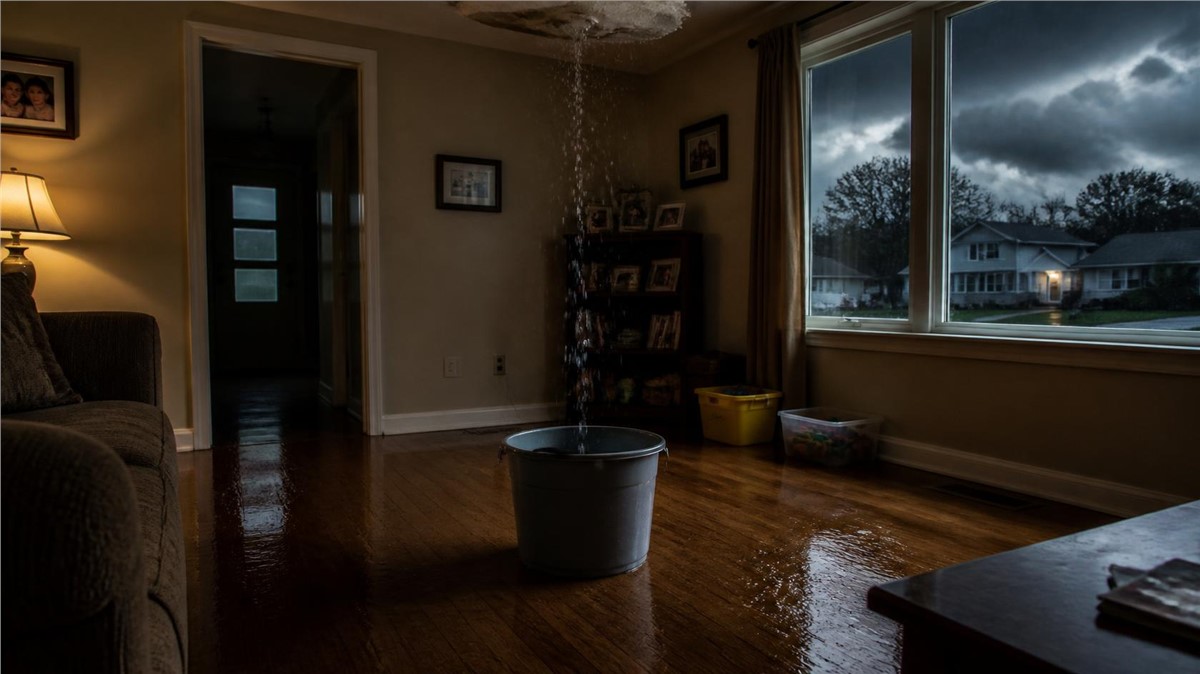
A ceiling stain, attic dampness, or fresh leak after a wind event can mean the roof was opened up somewhere above, even if the damage is not easy to spot from outside.
When to Schedule a Wind Damage Roof Inspection
The best time to schedule a wind damage roof inspection in Schaumburg, IL is as soon as possible after a storm with strong gusts. Waiting can make it harder to separate fresh damage from older wear, and it increases the chance that the next rain will turn a roof-covering problem into an interior damage problem. Current storm inspection guidance consistently recommends prompt evaluation after severe weather.
First: Check for Ground-Level Signs
Start by looking for:
- shingle pieces on the ground
- bent gutters or detached trim
- visible roof irregularities
- debris around downspouts
- fresh ceiling stains inside the house
- attic dampness after rain
You do not need to climb onto the roof to know an inspection may be needed.
Next: Decide Whether the Damage Looks Localized or Widespread
One missing shingle may be a smaller repair. Multiple lifted sections, repeated roof-edge problems, or damage across more than one slope often points to a larger repair scope. This is one reason storm-related roof costs vary so much from house to house.
Then: Verify Local Requirements
Schaumburg’s official resources tell residents to contact Community Development before beginning home construction work to determine whether a permit is needed. The village’s residential permit resources and roofing systems guide also indicate that roofing work is regulated locally and that current roofing-license documentation must be submitted before permit issuance.
What a Professional Wind Damage Roof Inspection Includes
A professional wind-damage inspection should focus on more than just obvious missing shingles.
Typical checklist:
- review of shingles for lifting, creasing, or loss
- inspection of flashing and roof penetrations
- check of roof edges, ridges, and valleys
- review of gutters and metal accessories
- attic or interior inspection if a leak is suspected
- assessment of whether the damage is repairable or more widespread
This matters because roof pitch, valleys, and access affect both the inspection process and the likely repair scope. Current storm-inspection guidance emphasizes checking both the roof surface and related components after wind events.
What This Typically Leads To in Cost
For homeowners in Schaumburg, IL, wind damage inspections often lead into the same broader repair ranges seen in the Chicago-area roofing market. Chicago-area roof repairs average about $1,030, with many repairs falling between $346 and $1,728. Minor shingle repairs can stay in the low hundreds, while more complex leak-related or storm-related repairs can rise well above that.
Top cost factors include:
Extent of the Damage
A few lifted shingles cost much less than damage spread across multiple slopes.
Roofing Material
Asphalt shingle repairs are often cheaper than repairs involving premium or specialty roofing systems.
Roof Pitch and Complexity
Steeper roofs, dormers, and harder-to-access sections raise labor time and safety requirements.
Moisture Damage Below the Surface
If wind damage has already allowed water into decking or insulation, the repair grows beyond the shingle layer.
Permit and Local Requirements
Roofing work may involve permit review and local documentation requirements, so the exact project path should be confirmed with Schaumburg before work begins.
Insurance / Permits / Local Notes in Schaumburg, IL
For many homeowners, wind damage is the type of roof issue most likely to raise an insurance question because it often follows a clear storm event rather than slow aging. Whether it is covered depends on the policy and the cause of damage, so documenting the roof soon after the storm is important.
A few local notes matter here:
- Schaumburg tells residents to contact Community Development before beginning a home construction project to determine permit needs.
- The village’s residential permits and roofing systems resources show that roofing work is regulated locally.
- Current roofing-license documentation is required before permit issuance.
How to Choose the Right Contractor in Schaumburg, IL
The right contractor should explain the wind damage clearly instead of only pointing to a price.
Questions to ask:
- Is the wind damage localized or spread across multiple slopes?
- Are flashing, ridges, or roof edges also affected?
- Is the decking still sound?
- Does the quote include material matching and cleanup?
- Will you verify Schaumburg permit requirements before starting?
- Are you insured and properly licensed for roofing work in Illinois?
Red flags:
- quoting without inspecting the roof carefully
- no explanation of what wind actually damaged
- vague scope with no repair detail
- no permit verification
- recommending a full roof immediately without explaining why a smaller repair is not enough
FAQs
What should I look for after wind damage to my roof?
Look for missing shingles, lifted tabs, bent flashing, debris on the ground, granules in gutters, and fresh interior water stains. Those are common signs that a professional inspection is worth scheduling.
Can wind damage cause leaks later?
Yes. A roof can take wind damage without leaking right away, then develop leaks later when rain reaches weakened shingles or separated flashing.
Is wind damage always obvious from the ground?
No. Some of the most important wind damage is subtle, such as lifted shingles or broken seals, which is one reason a professional inspection matters.
Do I need a permit for wind damage roof repair in Schaumburg, IL?
Possibly, depending on scope. Schaumburg directs residents to contact Community Development before starting work, and its roofing resources show that local permit and licensing requirements apply.
Should I get a roof inspection after a major wind storm even if I do not see a leak?
Yes. Wind damage can stay hidden until the next rain, so a prompt inspection after strong storms is often the smarter move.
Get a Free Estimate in Schaumburg, IL
If you need a wind damage roof inspection in Schaumburg, IL, Huskie Exteriors is here to help with honest inspections and practical repair recommendations built for Midwest weather. We serve homeowners across Northern Illinois and Southern Wisconsin with roofing, siding, gutters, and windows designed for long-term performance.
Schedule your free estimate with Huskie Exteriors today. We will inspect the damage, explain what the wind likely affected, and help you decide on the right next step before the next storm causes more problems.
Subscribe to Huskie Exteriors's Blog





Comments