
Commercial property owners in Williams Bay, WI, often have questions about roofing, siding, windows, gutters, storm damage, maintenance, and when repairs or replacement make sense. Regular inspections and timely exterior maintenance can help reduce water intrusion, weather-related damage, and unexpected disruptions to tenants, customers, and daily operations.
What Parts of a Commercial Exterior Should Be Inspected Regularly?
A commercial exterior is made up of several systems that work together to protect the building from weather.
Property owners should routinely inspect:
- Roofing
- Flashing
- Siding or exterior wall panels
- Windows and doors
- Gutters and downspouts
- Roof drains and scuppers
- Fascia and soffit
- Sealants
- Parapet walls
- Rooftop penetrations
- Exterior trim
In Williams Bay, commercial buildings are exposed to heavy rain, hail, strong winds, snow, ice, and changing temperatures throughout the year.
Damage in one area may also affect another. For example, a clogged gutter can cause water to overflow onto siding, while damaged flashing may allow moisture behind exterior wall materials.
Looking at the building as one complete exterior system is often more useful than inspecting individual components separately.
How Often Should a Commercial Roof Be Inspected?
A commercial roof should be checked regularly and after severe weather.
Many property owners schedule inspections in spring and fall. Spring inspections can reveal damage caused by winter snow, ice, and freeze-thaw cycles, while fall inspections help identify repairs that should be completed before winter returns.
Additional inspections may be appropriate after:
- Hailstorms
- Strong winds
- Heavy rain
- Fallen branches
- Significant snow or ice buildup
- Rooftop construction work
Commercial roofs may develop problems that are difficult to see from inside the building until water has already spread beneath the roofing system.
Routine inspections can help identify open seams, damaged flashing, punctures, drainage issues, and deteriorated materials before they develop into larger leaks.
What Are Common Signs of Commercial Roof Damage?
Roof damage does not always produce immediate dripping inside the building.
Exterior warning signs may include:
- Loose or damaged membrane
- Open seams
- Ponding water
- Damaged flashing
- Cracked sealants
- Loose edge metal
- Punctures
- Blisters
- Damaged roof penetrations
- Clogged drains
Interior signs may include:
- Ceiling stains
- Wet insulation
- Damp walls
- Musty odors
- Discolored ceiling tiles
- Dripping water
- Moisture around rooftop equipment
Water can travel beneath membranes or along structural components before becoming visible.
This means the location of an interior stain may not identify the actual source of the leak.
Is Standing Water on a Commercial Roof Normal?
Some water may temporarily remain on a low-slope roof after heavy rain, but water that does not drain properly should be investigated.
Standing water may result from:
- Clogged drains
- Blocked scuppers
- Settled insulation
- Roof deck movement
- Poor slope
- Debris accumulation
Ponding water can place additional stress on roofing materials and increase the chance of water finding small openings.
During Wisconsin winters, trapped water may also freeze and expand.
Commercial property owners in Williams Bay should keep drainage areas clear, especially before heavy rain, snowmelt, and freezing conditions.
If standing water appears repeatedly in the same area, a roofing professional can evaluate whether drainage improvements are needed.
When Should Commercial Roofing Be Repaired Instead of Replaced?
The answer depends on the extent of the problem and the condition of the remaining roof.
Repairs may be appropriate when:
- Damage is limited to one area
- The membrane is otherwise in good condition
- Flashing failure is localized
- One penetration is leaking
- A small puncture is found
- Drainage problems can be corrected
Replacement may be more practical when:
- Leaks occur in multiple areas
- The roof has widespread deterioration
- Insulation is extensively wet
- Repairs have become frequent
- Storm damage affects a large portion of the system
- The roof is near the end of its useful service life
A professional inspection should determine whether a targeted repair can restore the roof or whether larger replacement work is justified.
What Commercial Siding Problems Should Owners Watch For?
Commercial siding or exterior wall panels protect the wall system from wind, moisture, and impact.
Common issues include:
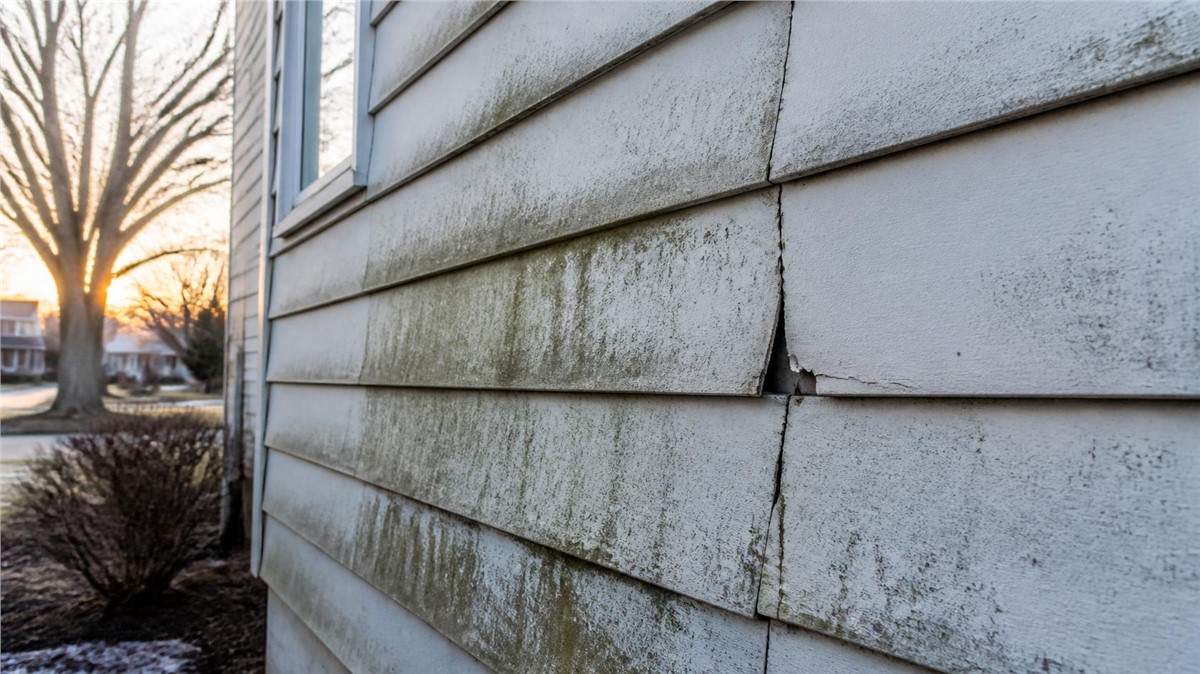
- Cracks
- Loose panels
- Missing sections
- Dents
- Open seams
- Warping
- Rot
- Failed sealant
- Water staining
Metal siding may dent during hailstorms, while fiber cement or other panel systems may crack after impact.
Loose siding can allow wind-driven rain to reach the wall assembly.
Damage around windows, loading areas, building corners, and roof-to-wall transitions deserves special attention because these locations often have multiple materials and joints.
Can Water Get Behind Commercial Siding?
Yes.
Water may enter through damaged siding, open seams, failed flashing, poorly sealed penetrations, or problems around windows and doors.
Once behind the exterior covering, moisture may affect:
- Wall sheathing
- Insulation
- Framing
- Interior drywall
- Tenant spaces
- Electrical components
Signs of hidden moisture may include musty odors, wall stains, peeling paint, damp insulation, or recurring leaks during wind-driven rain.
Simply sealing the visible exterior surface may not solve the problem if water is entering higher on the wall.
A complete inspection may involve checking the siding, roofline, flashing, windows, and nearby drainage systems together.
When Should Commercial Windows Be Replaced?
Commercial windows may need replacement because of deterioration, storm damage, poor operation, failed seals, or recurring water intrusion.
Warning signs include:
- Cracked glass
- Clouding between panes
- Water leaks
- Damaged frames
- Failed perimeter sealants
- Drafts
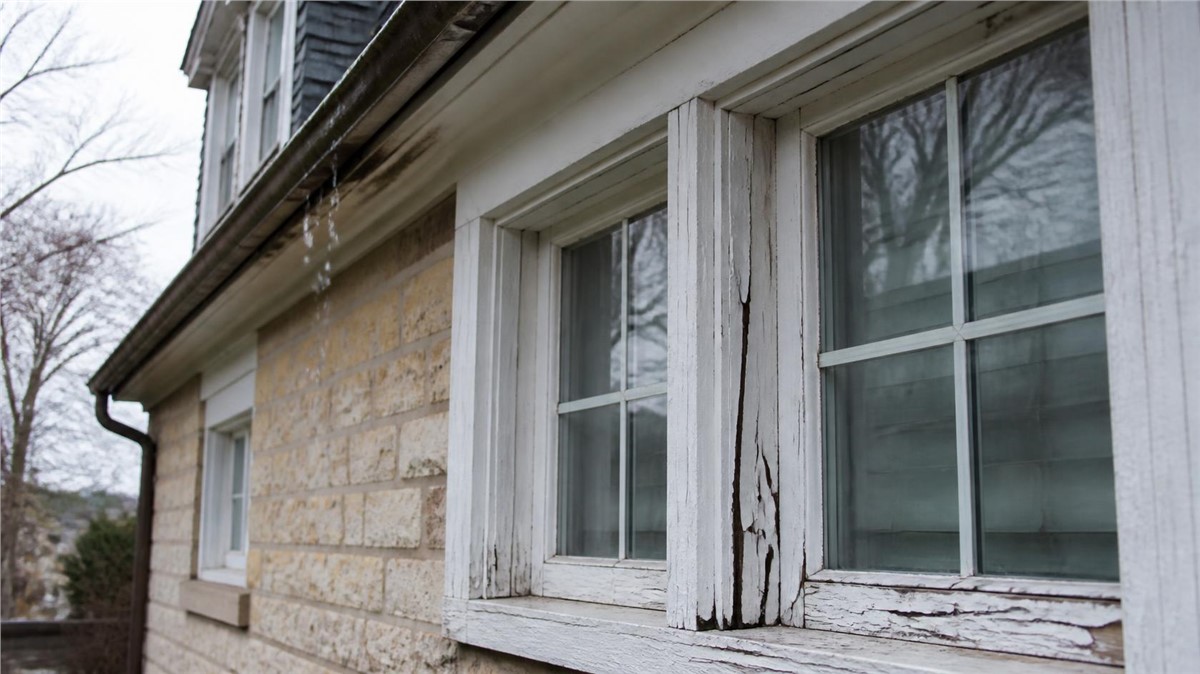
- Rot around wood components
- Loose trim
- Difficulty opening or closing
Not every window problem requires full replacement.
Sometimes failed sealant, flashing, or surrounding exterior materials can be repaired.
However, windows with damaged frames, repeated leaks, or widespread seal failure may benefit from replacement.
Older window systems may also be evaluated during larger exterior renovations.
Why Do Window Leaks Sometimes Continue After Caulking?
Caulking can seal certain joints, but it does not correct every source of water intrusion.
A window may continue leaking if the actual problem involves:
- Missing flashing
- Damaged siding
- Roof runoff
- Gutter overflow
- Failed sill details
- Moisture entering higher on the wall
Repeatedly applying more sealant without finding the source can sometimes trap moisture.
Proper window installation should direct water outward through flashing and drainage details.
When a commercial window repeatedly leaks during storms, the surrounding wall system should be evaluated rather than focusing only on the visible frame.
How Important Are Commercial Gutters and Drainage Systems?
Very important.
Gutters, downspouts, drains, and scuppers help move rainwater and melting snow away from roofing, walls, entrances, and foundations.
Common drainage problems include:
- Clogs
- Loose gutters
- Broken downspouts
- Leaking seams
- Damaged roof drains
- Ice buildup
- Poor discharge locations
Commercial buildings often have large roof areas, which means significant amounts of water may need to be managed during heavy rainfall.
A blocked drainage point can allow water to collect quickly.
Before winter, property owners should make sure gutters and drainage systems are clear so trapped water does not freeze and add unnecessary weight.
How Does Hail Affect Commercial Exteriors?
Hail can affect roofing, siding, windows, gutters, flashing, and rooftop equipment.
Damage may include:
- Roof membrane punctures
- Shingle bruising
- Dented metal panels
- Cracked siding
- Damaged window screens
- Dented gutters
- Damaged flashing
Some hail damage is obvious. Other impacts are difficult to identify without a closer inspection.
A roof may continue functioning immediately after a hailstorm even though the material has been weakened.
After severe hail in Williams Bay, property owners should document visible damage and arrange an exterior inspection if the building was in the storm path.
What Should Be Checked After Strong Winds?
High winds may affect roof edges, flashing, siding panels, gutters, signage, and rooftop equipment.
After a strong storm, check for:
- Loose roof membrane
- Missing roofing materials
- Bent flashing
- Detached siding panels
- Loose exterior trim
- Damaged gutters
- Fallen branches
- Debris on the roof
- Water stains indoors
Wind-driven rain can enter openings that may not leak during normal rainfall.
That makes it especially important to inspect roof-to-wall transitions, windows, parapets, and exterior joints after severe wind events.
Why Are Freeze-Thaw Cycles a Concern?
Wisconsin weather frequently moves above and below freezing.
When water enters a small crack, seam, or opening, it can freeze and expand. When temperatures rise, the ice melts and may move deeper into the material.
Repeated freeze-thaw cycles may:
- Widen cracks
- Damage sealants
- Loosen flashing
- Affect masonry
- Open siding joints
- Increase water intrusion
Small exterior defects can become more serious over a winter.
For commercial properties in Williams Bay, completing necessary repairs before prolonged freezing temperatures can help reduce the chance of further deterioration.
How Can Snow and Ice Affect a Commercial Roof?
Snow adds weight to the roof, especially when it becomes wet or drifts into certain areas.
Low-slope commercial roofs may collect snow near:
- Parapet walls
- Rooftop equipment
- Higher roof sections
- Mechanical curbs
Melting snow also creates drainage demands.
If drains are blocked by ice or debris, water may collect on the roof.
Ice can also damage gutters, flashing, and roof edges.
Commercial property owners should monitor unusual snow accumulation and make sure drainage systems remain functional throughout winter.
Should Commercial Exteriors Be Inspected After Winter?
Yes.
Spring is a useful time to inspect commercial buildings for issues that developed during winter.
Look for:
- Loose roof materials
- Flashing damage
- Cracked sealants
- Gutter separation
- Siding damage
- Window leaks
- New stains
- Drainage problems
Freeze-thaw cycles may have widened cracks or opened joints that were small during fall.
A spring inspection can help identify problems before heavy summer rain and storm season.
What Maintenance Can Help Extend Exterior Service Life?
Regular maintenance can help reduce unexpected exterior problems.
Commercial property owners can:
- Keep roof drains clear
- Remove debris
- Clean gutters
- Inspect after storms
- Address leaks promptly
- Replace failed sealants
- Repair damaged siding
- Check flashing
- Limit unnecessary roof traffic
- Document maintenance
Rooftop contractors should also be careful around membranes and flashing.
HVAC, electrical, plumbing, or signage work can accidentally puncture roofing or create new penetrations.
Keeping records of inspections and repairs can make it easier to track recurring problems.
Should Exterior Maintenance Be Documented?
Yes.
Commercial owners and property managers should keep records of:
- Inspection dates
- Photographs
- Repair invoices
- Storm events
- Leak reports
- Maintenance work
- Contractor recommendations
- Warranty documents
Good documentation is useful for budgeting, warranty compliance, property sales, and future repairs.
It also helps identify patterns.
For example, if the same wall or roof area develops leaks after several storms, the history may point to a recurring flashing or drainage problem.
What Should Owners Ask Before Hiring an Exterior Contractor?
Before approving commercial exterior work, ask:
- What damage did you find?
- What is causing the problem?
- Does the area need repair or replacement?
- Are hidden materials affected?
- What products will be installed?
- What is included in the estimate?
- How will the property remain accessible?
- What warranties apply?
- How will cleanup be handled?
- What happens if additional damage is discovered?
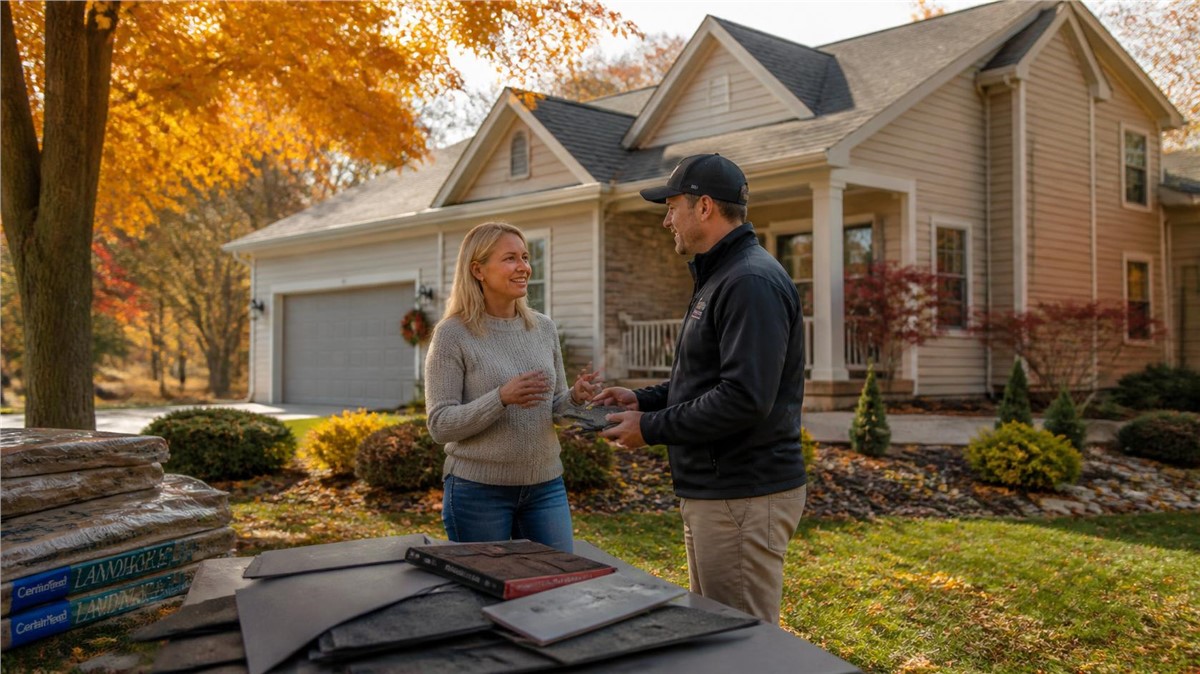
The contractor should be able to explain the findings clearly and provide a scope of work that property owners can understand.
How Can Exterior Work Be Managed Without Disrupting Business?
Commercial exterior projects often need to be planned around tenants, employees, customers, and deliveries.
A contractor may coordinate work around:
- Entrances
- Parking areas
- Loading zones
- Business hours
- Tenant access
- Emergency exits
- Equipment locations
Larger projects may be completed in phases to keep important areas accessible.
Clear communication before work starts can help reduce disruption and allow building occupants to prepare for noise, temporary access changes, or equipment around the property.
When Should a Commercial Exterior Inspection Be Scheduled?
An inspection may be appropriate when you notice:
- Roof leaks
- Water stains
- Loose siding
- Damaged gutters
- Window leaks
- Cracked sealant
- Storm damage
- Recurring drainage problems
- Exterior deterioration
Inspections are also useful when planning a property purchase, renovation, or long-term maintenance budget.
Finding issues before they become emergencies can make exterior work easier to plan and budget.
Schedule a Commercial Exterior Inspection in Williams Bay, WI
Commercial roofing, siding, windows, and drainage systems all work together to protect the building from Wisconsin weather. Small problems in one area can eventually affect interior spaces, insulation, equipment, or other exterior components if they are not addressed.
Huskie Exteriors provides roofing, siding, window, gutter, and storm damage restoration services for commercial and residential property owners throughout Illinois and Wisconsin.
If you have questions about leaks, storm damage, exterior maintenance, or replacement planning for a commercial property in Williams Bay, WI, contact Huskie Exteriors through huskieexteriors.com. A professional exterior inspection can help identify current conditions and determine practical next steps for the property.
Subscribe to Huskie Exteriors's Blog






Comments