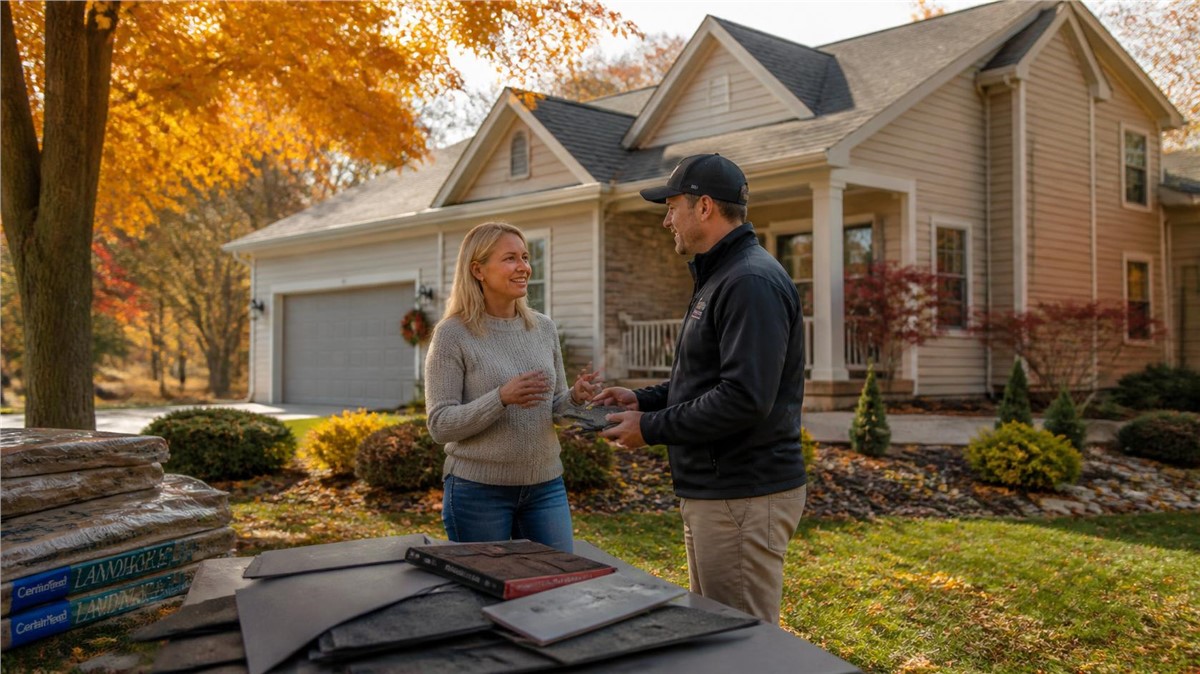
Homeowners in Rochester, WI, often have questions about roof replacement costs, timing, materials, storm damage, warranties, and how to know when replacement is truly necessary. Understanding the process before work begins can help you make a more informed decision and prepare your home for Wisconsin’s rain, hail, snow, ice, wind, and freeze-thaw cycles.
How Do I Know If My Roof Needs to Be Replaced?
One of the most common questions homeowners ask is whether their roof really needs replacement or if repairs are still practical.
Roof age can be helpful, but condition matters more than a number alone. A newer roof can suffer extensive storm damage, while an older roof may remain serviceable if it has been well maintained.
Signs that may indicate replacement should be considered include:
- Widespread missing or damaged shingles
- Extensive granule loss
- Multiple active leaks
- Repeated repairs in different areas
- Curling or cracked shingles
- Soft or damaged roof decking
- Sagging roof sections
- Significant hail or wind damage
- Persistent flashing problems
- Moisture damage in the attic
A professional roof inspection can help determine whether damage is isolated enough for repair or widespread enough to make replacement the better option.
Can I Repair the Roof Instead of Replacing It?
Sometimes.
A repair may make sense when damage is limited to one area and the surrounding roofing system is still in good condition. Examples include replacing a few missing shingles, repairing flashing around a chimney, or correcting a small leak.
Replacement may be more practical when problems are widespread or repairs have become frequent.
Homeowners should consider more than the immediate cost. Repairing one section of a severely worn roof may solve today's leak without addressing other areas likely to fail soon.
The goal should be to choose the solution that fits the actual condition of the roof rather than automatically selecting either the least expensive or most extensive option.
How Long Does a Roof Replacement Take?
Many residential roof replacements can be completed within a relatively short period, but the exact schedule depends on the home.
Factors that affect the timeline include:
- Roof size
- Roof pitch
- Number of roof sections
- Material type
- Existing roof layers
- Decking repairs
- Chimneys and skylights
- Weather conditions
- Accessibility
- Cleanup requirements
Wisconsin weather can also affect scheduling. Heavy rain, high winds, thunderstorms, or unsafe temperatures may require work to pause.
If damaged decking or other hidden problems are discovered after the old roofing is removed, additional work may also be necessary.
Your roofing contractor should explain the expected schedule before installation begins and communicate if conditions change.
What Is the Best Time of Year to Replace a Roof in Rochester?
Roof replacement is commonly completed during spring, summer, and fall, but there is no single perfect month for every project.
Spring can be a good time to address damage that became visible after snow and ice melted.
Summer typically offers longer daylight hours, although severe thunderstorms, hail, and high temperatures may affect work.
Early fall is another popular period because temperatures are often moderate and homeowners can prepare their roof before winter.
Weather conditions matter more than simply choosing a season. If the roof is leaking or severely damaged, waiting several months for an ideal time may allow moisture to spread into the attic or roof decking.
Can a Roof Be Replaced During Winter?
Roof replacement during a Wisconsin winter can be more challenging, but it may sometimes be necessary.
Cold temperatures can affect the handling and sealing of certain roofing materials. Snow and ice can also create safety concerns and make roof preparation more difficult.
However, serious problems should not automatically be postponed until spring.
If a roof has major wind damage, an active leak, exposed decking, or another condition that leaves the home vulnerable, a contractor can evaluate whether repairs or replacement should proceed during colder weather.
Temporary protection may also be appropriate until permanent work can be completed safely.
Which Roofing Material Should I Choose?
Asphalt shingles are common on residential properties in Rochester and throughout Wisconsin because they offer a practical combination of appearance, performance, and available styles.
Other roofing options may include metal roofing and specialty systems depending on the home.
When comparing materials, consider:
- Expected service life
- Wind resistance
- Impact resistance
- Appearance
- Maintenance requirements
- Warranty terms
- Roof slope
- Installation requirements
- Budget
The best roofing system is not necessarily the most expensive one. It should fit the home's design, exposure to Midwest weather, and the homeowner's long-term plans.
What Happens to the Old Roofing?
During a standard roof replacement, the existing roof covering is generally removed so the underlying roof deck can be inspected.
Removing the old material allows contractors to identify problems that may not have been visible during the initial inspection.
These may include:
- Rotted decking
- Soft plywood
- Previous leak damage
- Improper repairs
- Damaged flashing
- Poor ventilation details
- Deteriorated underlayment
Damaged decking should be addressed before the new roof system is installed.
The old roofing materials and installation debris are then collected and removed as part of the cleanup process.
What Is Underneath My Shingles?
A roof is more than the visible shingles.
A residential roofing system may include:
- Structural roof decking
- Underlayment
- Ice and water protection
- Starter shingles
- Field shingles
- Ridge caps
- Flashing
- Drip edge
- Roof vents
Each component has a specific purpose.
Underlayment creates another protective layer beneath the shingles. Ice and water protection may be installed in vulnerable areas where water intrusion is more likely.
Flashing helps manage water around chimneys, walls, valleys, plumbing vents, and other roof transitions.
When discussing a replacement proposal, homeowners should ask which components are included rather than focusing only on the shingle brand or color.
Will You Inspect the Roof Decking?
This is an important question to ask any roofing contractor.
The roof deck supports the roofing system. If sections are rotted, damaged, or weakened by moisture, installing new roofing over them can leave underlying problems unresolved.
Decking cannot always be fully evaluated until the existing shingles and underlayment are removed.
Signs of damaged decking may include:
- Soft areas
- Dark staining
- Delamination
- Rot
- Holes
- Sagging
- Previous water damage
Your contractor should explain how damaged decking is identified and how replacement sections are handled if they are discovered.
Should My Gutters Be Replaced at the Same Time?
Not necessarily.
If the gutters are still functioning properly, replacement may not be required. However, a roofing project is a useful time to evaluate the entire roof drainage system.
Look for:
- Sagging gutters
- Loose fasteners
- Rust or corrosion
- Cracks
- Leaking seams
- Improper slope
- Damaged downspouts
- Storm dents
- Frequent overflow
Gutters help move rainwater and melting snow away from the roof edge, siding, foundation, and landscaping.
If the gutters are already damaged or approaching the end of their useful life, coordinating the projects may make sense.
What About Attic Ventilation?
Roof replacement is a good opportunity to evaluate attic ventilation.
A balanced ventilation system helps manage heat and moisture in the attic. Poor ventilation can contribute to condensation, excessive attic temperatures, moisture problems, and winter ice issues.
Homeowners may have ridge vents, soffit vents, box vents, or another ventilation arrangement.
An inspection should look for blocked vents, insufficient airflow, bathroom exhaust fans terminating in the attic, or insulation covering soffit openings.
Ventilation should be considered as part of the entire roofing system rather than treated as an unrelated feature.
How Does Wisconsin Weather Affect My Roof?
Rochester roofs experience demanding conditions throughout the year.
Hail and Wind
Hail can remove shingle granules, damage roofing surfaces, and affect vents, flashing, gutters, and siding.
Strong winds can lift shingles, damage ridge caps, loosen flashing, and drive rain beneath vulnerable areas.
Snow and Ice
Snow places additional weight on the roof, while melting and refreezing water can contribute to ice dams.
Ice dams may prevent water from draining normally and allow moisture to move beneath roofing materials near the eaves.
Freeze-Thaw Cycles
Wisconsin temperatures frequently move above and below freezing.
Water entering a small opening can freeze, expand, thaw, and repeat the process. Over time, these cycles may worsen cracks, flashing gaps, and other vulnerable areas.
Choosing quality materials and proper installation details helps prepare the roof for these changing conditions.
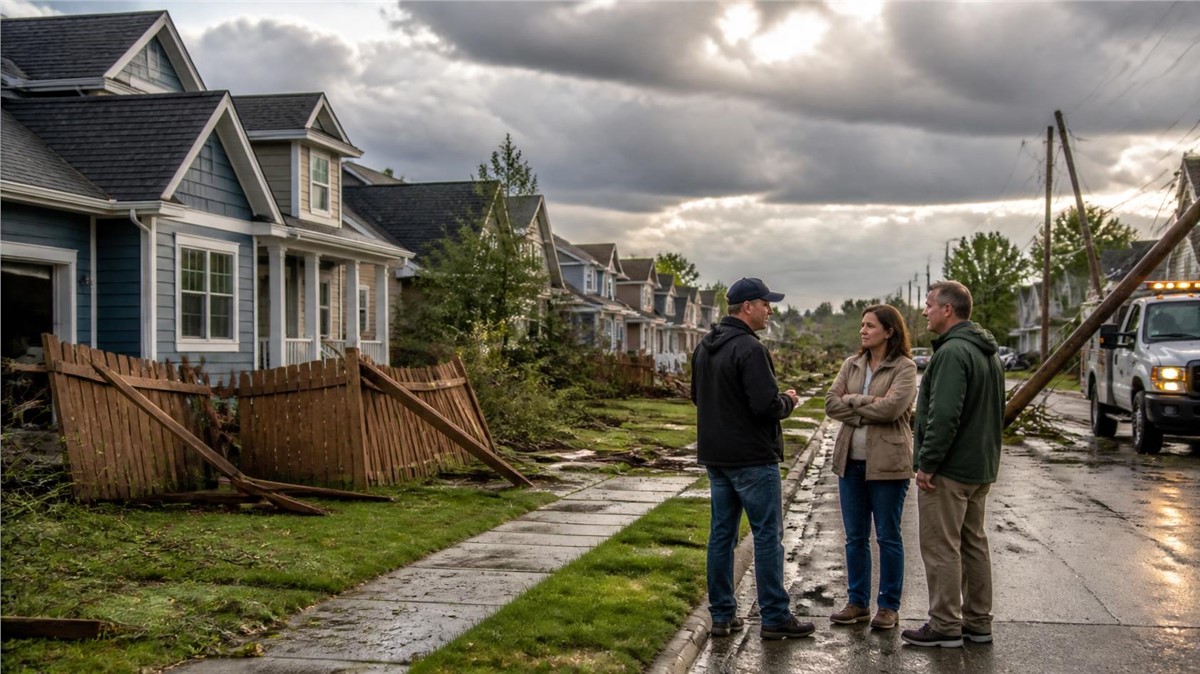
What Should I Do After a Hail or Wind Storm?
Homeowners should inspect their property after severe weather, but avoid climbing onto the roof.
From the ground, check for:
- Missing shingles
- Roofing debris
- Dented gutters
- Loose downspouts
- Damaged siding
- Fallen branches
- Broken exterior fixtures
Inside the home, check the attic and ceilings for new moisture stains or dripping.
Storm damage may not always create an immediate leak. Hail impacts or lifted shingles can weaken the roof and allow problems to appear during a later storm.
A professional inspection can provide a closer evaluation of the roof, flashing, gutters, siding, and other exterior components.
What Kind of Roof Warranty Should I Ask About?
Homeowners should understand both material and workmanship warranty terms before choosing a contractor.
Questions to ask include:
- Who provides the warranty?
- What materials are covered?
- Is labor included?
- How long does coverage last?
- What maintenance is required?
- Is storm damage excluded?
- Can the warranty transfer to another owner?
- How are warranty claims submitted?
A long warranty period does not automatically mean comprehensive coverage. Read the terms and ask for clarification about exclusions.
Keep warranty documents, invoices, inspection records, and project photographs with your home records.
What Should I Expect During Roof Replacement?
Roof replacement involves noise, equipment, debris, and activity around the house.
Homeowners can prepare by:
- Moving vehicles away from the work area
- Protecting items stored in the attic
- Removing fragile wall decorations
- Moving patio furniture and grills
- Keeping children and pets away from work areas
- Marking delicate landscaping
- Providing access to driveways when needed
Roofing work can cause vibrations inside the home, especially during removal and installation.
A contractor should also explain how landscaping, siding, gutters, windows, and surrounding property will be protected during the project.
How Much Does Roof Replacement Cost?
There is no reliable single price that applies to every home.
Roof replacement costs depend on factors such as:
- Roof size
- Pitch and complexity
- Roofing material
- Number of existing layers
- Decking condition
- Flashing details
- Ventilation needs
- Chimneys and skylights
- Accessibility
- Labor requirements
The best way to understand the cost is through an inspection and detailed proposal based on the actual roof.
Homeowners should compare what each proposal includes rather than looking only at the final number.
What Should Be Included in a Roofing Estimate?
A clear roofing estimate should explain the scope of work.
Ask whether the proposal includes:
- Tear-off of existing roofing
- Disposal and cleanup
- Underlayment
- Ice and water protection
- New shingles
- Starter and ridge materials
- Flashing work
- Ventilation
- Drip edge
- Decking replacement terms
- Labor
- Warranty information
Clarifying these details before signing can reduce surprises during the project.
Choosing a Roofing Contractor in Rochester, WI
Roof replacement should begin with a thorough inspection and a clear explanation of what the contractor finds.
Homeowners should feel comfortable asking questions about materials, installation methods, ventilation, flashing, warranties, storm damage, and cleanup.
Avoid making a decision based only on pressure to schedule quickly. A reputable contractor should be willing to explain why specific work is recommended and what alternatives may be available.
Plan Your Roof Replacement with Huskie Exteriors
A roof replacement is easier to plan when you understand the condition of your current roof and what the project will involve.
Huskie Exteriors provides roofing, siding, window, gutter, and storm damage restoration services for homeowners and commercial property owners throughout Illinois and Wisconsin.
If you are considering roof replacement in Rochester, WI, or have concerns about leaks, missing shingles, hail, wind damage, or an aging roof, contact Huskie Exteriors through huskieexteriors.com. A professional inspection can help you understand your roof's condition and determine the appropriate next step.
Subscribe to Huskie Exteriors's Blog





Comments