
Storm damage restoration can involve roofing, siding, windows, gutters, and other exterior components, depending on how severely a property was affected. Homeowners in East Troy, WI, should understand what to inspect after hail, wind, heavy rain, or falling debris, how the restoration process works, and when professional evaluation is appropriate.
What Counts as Storm Damage?
Storm damage can happen in several ways, and not every problem is immediately visible.
In East Troy, homes may be exposed to:
- Hail
- Strong winds
- Heavy rain
- Snow and ice
- Falling branches
- Wind-driven debris
- Freeze-thaw cycles
These conditions can affect different parts of the exterior at the same time.
Hail may damage shingles, siding, gutters, flashing, and window screens. Strong winds may lift shingles or loosen siding panels. Heavy rain may enter through openings created by previous damage.
A storm does not need to remove part of the roof to cause a problem. Some forms of damage are subtle and may not lead to an immediate leak.
How Do I Know If My Home Has Storm Damage?
Homeowners can often identify warning signs from the ground without climbing onto the roof.
After severe weather, look for:
- Missing shingles
- Shingles or roofing debris in the yard
- Dented gutters
- Loose downspouts
- Cracked siding
- Missing siding panels
- Damaged window screens
- Broken exterior trim
- Fallen tree limbs
- Loose fascia or soffit
- Water stains inside the home
Inside the attic or living space, watch for:
- Damp insulation
- Ceiling stains
- Peeling paint
- Wet drywall
- Musty odors
- Water dripping during rain
Not all storm damage is visible from ground level. A professional inspection can help identify damage around flashing, roof vents, valleys, ridges, siding connections, and other areas that are difficult to evaluate safely.
Should I Get an Inspection Even If My Roof Is Not Leaking?
Yes, especially after significant hail, high winds, or falling debris.
Some storm damage may weaken roofing materials without immediately allowing water inside.
Hail can remove protective granules from asphalt shingles or create bruising that becomes more noticeable over time. Wind can lift shingles and break their seal without completely tearing them off.
A roof may continue to look intact while becoming more vulnerable to the next storm.
An inspection can help identify whether the roof remains in good condition or whether repairs should be completed before water intrusion develops.
What Does Hail Damage Look Like?
Hail affects materials differently depending on its size, speed, direction, and the condition of the exterior.
On asphalt shingles, hail damage may appear as:
- Missing granules
- Dark impact areas
- Bruising
- Small cracks
- Exposed asphalt
- Damaged edges
Other parts of the home may provide clues as well.
Hail can leave dents in:
- Gutters
- Downspouts
- Roof vents
- Flashing
- Metal trim
Vinyl siding may crack or chip, while metal siding may show visible dents.
Window screens, outdoor fixtures, and soft metal components can also show evidence of hail impacts.
Because hail marks can be difficult to distinguish from normal wear, a professional inspection is helpful when a strong hailstorm has passed through East Troy.
What Does Wind Damage Look Like?
Strong winds can affect roof edges, ridges, siding, gutters, and exterior trim.
Common signs include:
- Missing shingles
- Creased shingles
- Lifted shingle edges
- Loose ridge caps
- Bent flashing
- Detached gutters
- Loose siding
- Damaged soffit
- Fallen branches
Wind damage does not always remove shingles completely.
A shingle may lift enough to break its seal and then settle back into place. Once that seal has been compromised, wind-driven rain may be able to enter underneath.
Wind can also drive rain into areas that normally remain protected, including roof-to-wall intersections, window openings, and siding seams.
What Should I Do Immediately After a Storm?
Safety should come first.
Avoid climbing onto a wet, damaged, or steep roof. Stay away from fallen power lines, unstable trees, damaged electrical components, or areas where structural damage is visible.
Once conditions are safe:
- Walk around the property
- Take photographs of visible damage
- Check ceilings and walls for water
- Inspect the attic if safely accessible
- Move valuables away from active leaks
- Place containers beneath dripping water
- Keep damaged materials that fall to the ground
- Schedule an exterior inspection
Documenting the condition shortly after the storm can help create a clear record of what happened.
Temporary measures may be necessary when the roof has been opened or water is actively entering the home.
What Is the Difference Between Storm Repair and Storm Restoration?
Storm repair generally focuses on correcting a specific damaged area.
For example, a repair might involve replacing several shingles, securing flashing, or repairing one damaged section of siding.
Storm damage restoration may involve multiple parts of the exterior.
A larger restoration project could include:
- Roof replacement
- Siding replacement
- Gutter replacement
- Window repair or replacement
- Fascia and soffit repairs
- Flashing work
- Interior water damage repairs
The appropriate scope depends on the actual condition of the property.
A professional inspection should determine whether isolated repairs are enough or whether several exterior systems have been affected.
Does Every Storm-Damaged Roof Need Replacement?
No.
Some roofs can be repaired, depending on the type and extent of damage.
Replacement may be considered when:
- Damage is widespread
- Many shingles are missing or compromised
- Hail damage affects large portions of the roof
- The roof was already near the end of its service life
- Multiple leaks have developed
- Decking has been damaged
- Previous repairs have become frequent
A localized repair may be appropriate when the damage is limited and the surrounding roofing system remains in good condition.
Homeowners should ask for a clear explanation of why repair or replacement is being recommended.
Can Storm Damage Affect My Siding?
Yes.
Siding is often one of the first exterior surfaces affected by hail and wind.
Storm-damaged siding may show:
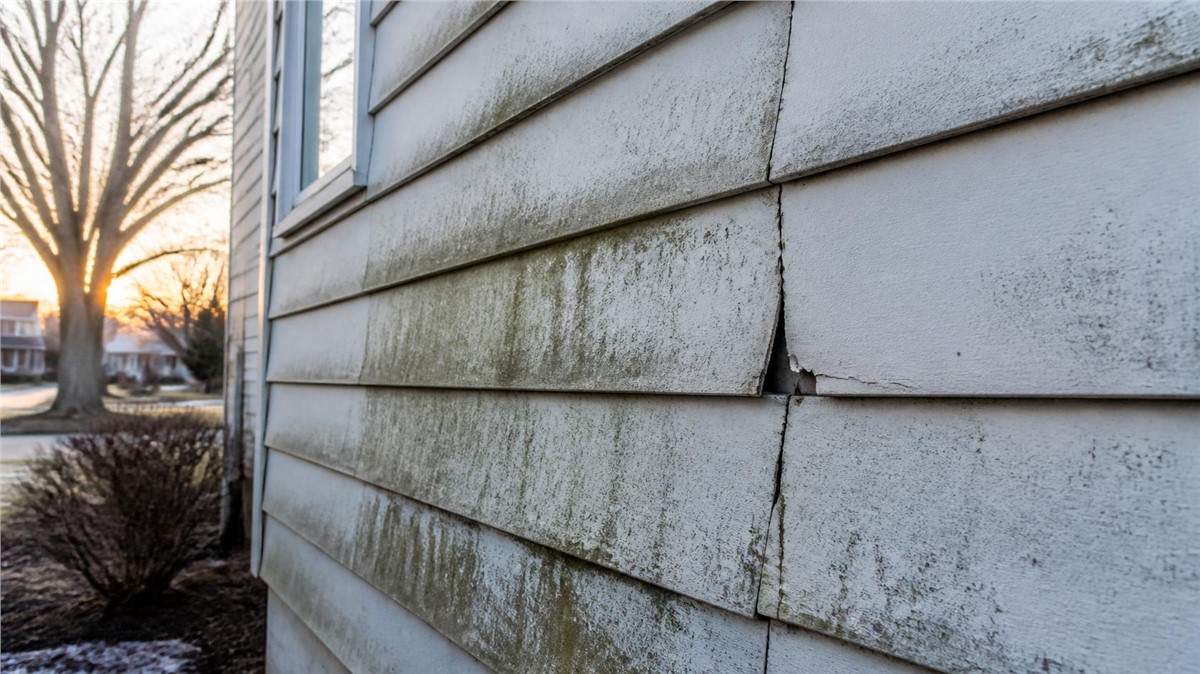
- Cracks
- Holes
- Dents
- Chipped areas
- Loose panels
- Missing sections
- Open seams
- Warping
- Broken trim
Damage may be especially noticeable on the sides of the house facing the storm.
Even small openings can allow rain or melting snow to reach the wall system behind the siding.
Water that gets behind the exterior covering may affect house wrap, insulation, sheathing, or wall framing.
Should I Check My Gutters After a Storm?
Yes. Gutters can show clear signs of hail and wind damage.
Check for:
- Dents
- Loose sections
- Sagging
- Separated seams
- Damaged downspouts
- Missing fasteners
- Overflow
- Improper drainage
Gutters play an important role in directing water away from the roof edge, siding, and foundation.
If they are damaged, water may overflow or collect in areas where it should not.
This becomes especially important before winter. Water remaining in damaged or clogged gutters can freeze, add weight, and contribute to ice buildup.
Can Storms Damage Windows?
Windows may be damaged by hail, branches, debris, wind, or water intrusion.
Look for:
- Cracked glass
- Damaged screens
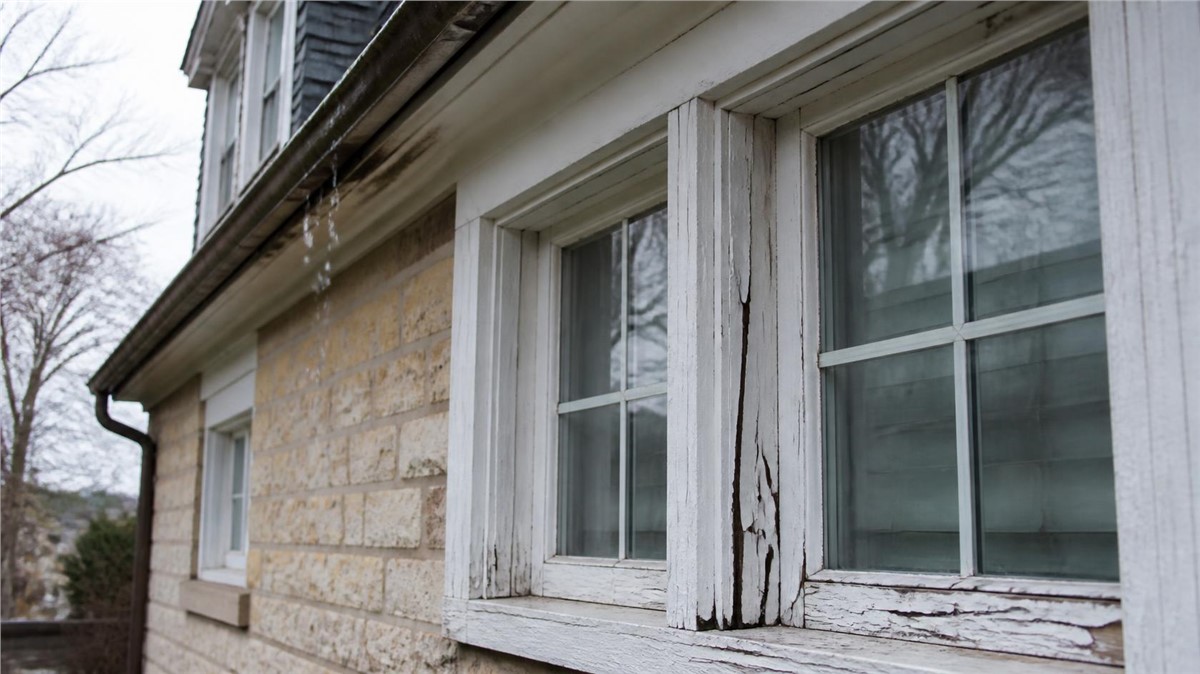
- Broken exterior trim
- Loose frames
- Water stains
- Failed seals
- Drafts
- Difficulty opening or closing windows
Strong wind can also push rain into gaps around improperly sealed or damaged window openings.
Homeowners should inspect siding and trim around the windows, not just the glass itself.
Moisture problems around windows can sometimes appear several days after a storm.
What About Hidden Water Damage?
Hidden moisture is one of the biggest concerns after severe weather.
Water can move beneath shingles, siding, flashing, or trim before becoming visible indoors.
Possible hidden damage includes:
- Wet insulation
- Damaged roof decking
- Rotted wall sheathing
- Moisture behind siding
- Damp framing
- Mold-like staining
- Deteriorated drywall
A small ceiling stain does not necessarily mean the damage is limited to that exact location.
Water may travel along rafters, framing, pipes, or insulation before appearing inside the home.
Finding the source is important before surface repairs are made.
How Can Wisconsin Winter Weather Make Storm Damage Worse?
Storm damage that is left untreated may become more serious during winter.
East Troy experiences snow, ice, freezing temperatures, and repeated freeze-thaw cycles.
Water can enter a small crack during rain or snowmelt. When temperatures fall, that moisture can freeze and expand.
Repeated cycles may:
- Enlarge cracks
- Loosen roofing materials
- Damage siding
- Open flashing joints
- Deteriorate sealants
- Increase moisture intrusion
Snow and ice can also cover damaged areas, making them harder to inspect or repair.
Completing necessary exterior work before consistent winter conditions arrive can help reduce the risk of additional damage.
How Do Ice Dams Affect a Storm-Damaged Roof?
Ice dams can create additional problems near roof edges.
They may develop when heat escapes into the attic and melts snow on the roof. The water moves toward the colder eaves, freezes again, and begins building a barrier.
Additional melting snow may then collect behind the ice.
If shingles, flashing, or roof edges were already damaged during a storm, backed-up water may find those weak points more easily.
Proper attic insulation, ventilation, drainage, and roof condition all play a role in reducing ice-related problems.
Should I Make Temporary Repairs?
Temporary repairs can be useful when immediate protection is necessary, but they should not replace a permanent solution.
For example, temporary covering may be used when:
- Shingles are missing
- A branch punctured the roof
- Water is actively entering the home
- Part of the siding has been removed
- Permanent repair cannot begin immediately
Avoid unsafe roof work, especially during rain, wind, snow, or icy conditions.
Temporary repairs should be documented and followed by a professional evaluation.
How Long Does Storm Damage Restoration Take?
The timeline depends on the amount of damage and the systems involved.
A small roofing repair may require much less time than a project involving roof, siding, gutter, and window replacement.
Factors affecting the schedule include:
- Size of the property
- Extent of damage
- Material availability
- Weather
- Roof complexity
- Hidden damage
- Permit requirements
- Multiple exterior trades
Your contractor should explain the expected scope and schedule once the damage has been evaluated.
Severe weather can also affect project timing, especially during Wisconsin fall and winter conditions.
What Should I Ask a Storm Damage Contractor?
Homeowners should understand exactly what is being recommended.
Useful questions include:
- What damage did you find?
- Which areas need repair?
- Which areas may need replacement?
- Is there hidden damage?
- What materials are recommended?
- What is included in the estimate?
- How will the property be protected?
- What warranty applies?
- What happens if additional damage is found?
- How will debris be cleaned up?
A contractor should be able to explain findings clearly without pressuring you into immediate decisions.
Photographs can also be helpful when discussing roof areas that are not easily visible from the ground.
What Should Be Included in the Restoration Estimate?
A detailed estimate may include several parts of the exterior depending on the damage.
Look for clear information about:
- Roof tear-off or repair
- Roofing materials
- Underlayment
- Flashing
- Decking repairs
- Siding materials
- Window work
- Gutters and downspouts
- Fascia and soffit
- Labor
- Cleanup
- Disposal
- Warranty information
Ask questions if any part of the scope is unclear.
Comparing detailed work descriptions is more useful than comparing only the final price.
How Can I Prepare for Future Storms?
Not every storm can be prevented from causing damage, but regular maintenance can help keep exterior systems in better condition.
Homeowners can:
- Schedule periodic roof inspections
- Replace missing or damaged shingles
- Keep gutters clean
- Secure loose siding
- Repair failed sealants
- Trim branches near the roof
- Check attic ventilation
- Inspect flashing
- Address leaks promptly
It is also useful to inspect the exterior after severe hail, strong winds, or falling debris.
Identifying small problems early can prevent them from becoming larger during the next storm or winter season.
Schedule a Storm Damage Inspection in East Troy, WI
Storm damage can affect more than the roof. Hail, wind, heavy rain, falling branches, snow, and ice can also damage siding, windows, gutters, flashing, and other exterior components.
Huskie Exteriors provides roofing, siding, window, gutter, and storm damage restoration services for homeowners and commercial property owners throughout Illinois and Wisconsin.
If your home in East Troy, WI, has recently experienced severe weather or you have noticed missing shingles, dents, leaks, cracked siding, or other exterior damage, contact Huskie Exteriors through huskieexteriors.com. A professional inspection can help identify what was affected and determine the appropriate repair or restoration plan.
Subscribe to Huskie Exteriors's Blog






Comments