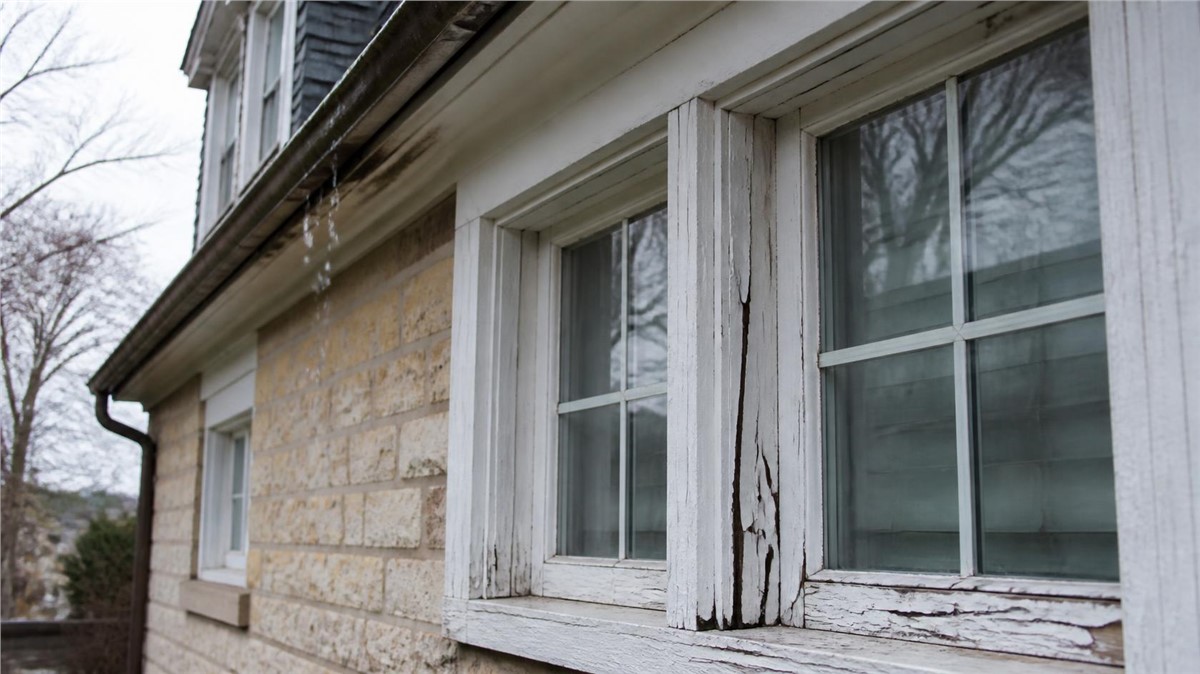
Gutter and window problems often begin with small signs such as overflowing water, loose downspouts, drafts, condensation, peeling paint, or moisture stains. In Sussex, WI, heavy rain, snow, ice, hail, wind, and freeze-thaw cycles can make these issues worse, so regular exterior inspections can help prevent damage to siding, roofing, walls, and interior finishes.
Why Gutters and Windows Need Regular Attention
Gutters and windows play different roles, but both are important parts of a building’s exterior protection.
Gutters move rainwater and melting snow away from the roof, siding, and foundation. Windows help keep wind and moisture outside while providing insulation, ventilation, and natural light.
When either system develops problems, water may reach areas where it does not belong.
In Sussex, Wisconsin weather can put both systems under stress throughout the year. Heavy rain may overwhelm clogged gutters. Snow and ice can add weight to gutter sections. Hail can dent metal components or damage window screens and trim. Repeated freeze-thaw cycles can also widen small gaps around windows and exterior joints.
Homeowners and commercial property owners should watch for early warning signs before moisture damage spreads.
Common Gutter Problems in Sussex
Gutters are easy to overlook until water begins overflowing or a section starts pulling away from the roofline.
Several problems are especially common in Midwest climates.
Clogged Gutters
Leaves, pine needles, roofing granules, twigs, and other debris can collect inside gutters and prevent proper drainage.
When water cannot move toward the downspouts, it may spill over the edges and run down the siding.
Clogged gutters may contribute to:
- Water stains on siding
- Fascia damage
- Soil erosion
- Foundation moisture
- Ice buildup
- Gutter separation
- Water near basement walls
Commercial buildings may also have larger gutter systems, roof drains, or scuppers that require regular cleaning.
Cleaning gutters before winter is especially important in Sussex because trapped water may freeze and add significant weight to the system.
Sagging or Loose Gutters
Gutters should remain securely attached and maintain the correct slope toward the downspouts.
Loose fasteners or damaged hangers may cause sections to sag.
Warning signs include:
- Uneven gutter lines
- Water collecting in one section
- Gaps between gutters and fascia
- Gutters pulling away from the building
- Overflow during moderate rain
Snow and ice can make sagging worse by adding weight.
If a gutter is already loose before winter, frozen water may increase the chance that the section separates completely.
Leaking Gutter Seams
Sectional gutter systems may develop leaks where pieces connect.
Seams can deteriorate because of age, corrosion, expansion and contraction, or failed sealant.
Leaks often appear during heavy rain and may leave staining on fascia or siding below the joint.
Small leaks should be addressed before they become larger openings.
Repeated water exposure can damage wood fascia and create moisture problems near roof edges.
Damaged or Blocked Downspouts
Downspouts carry water from the gutter system toward the ground.
If they are clogged, crushed, loose, or disconnected, water may back up into the gutters.
Check for:
- Water spilling from downspout joints
- Loose connections
- Crushed sections
- Missing extensions
- Water collecting near the foundation
- Debris blocking the outlet
Downspouts should direct water away from the building rather than allowing it to collect beside foundation walls.
Commercial property owners should also inspect underground drainage connections when water backs up repeatedly.
Ice Damage to Gutters
Wisconsin winters can be especially hard on gutters.
Water trapped inside a clogged or poorly sloped gutter may freeze. As more snow melts and refreezes, heavy ice can accumulate.
This may cause:
- Bent gutters
- Loose hangers
- Separated seams
- Damaged fascia
- Detached downspouts
Ice buildup near the roof edge may also be associated with ice dams.
Gutters do not cause every ice dam, but drainage problems can make roof-edge conditions worse.
Hail and Wind Damage to Gutters
Severe storms can affect gutters even when they remain attached.
Hail may leave dents in:
- Gutters
- Downspouts
- Metal fascia
- Roof vents
- Flashing
Strong winds may loosen sections, damage fasteners, or pull downspouts away from the wall.
After a major storm in Sussex, gutter damage may provide a clue that roofing, siding, or windows should also be inspected.
Common Window Problems in Sussex
Windows are another common source of exterior concerns.
Problems may involve the glass, frame, seals, flashing, trim, or surrounding siding.
Drafts Around Windows
Drafts may indicate air leakage around the frame.
Possible causes include:
- Failed caulk
- Gaps in trim
- Poor insulation
- Warped frames
- Installation problems
- Worn weatherstripping
During cold Wisconsin winters, air leaks can make rooms uncomfortable and increase heating demand.
Homeowners may notice cold air near the frame or certain rooms that are harder to keep warm.
A window inspection can help determine whether the problem is limited to weatherstripping or connected to a larger installation or frame issue.
Condensation on Windows
Condensation is common during colder months.
Moisture forms when warm indoor air contacts a cold glass surface.
Occasional condensation may not indicate a serious problem, but frequent heavy moisture can damage surrounding materials.
Repeated condensation may contribute to:
- Peeling paint
- Soft wood trim
- Stained drywall
- Mold-like growth
- Rot around the sill
High indoor humidity, poor ventilation, and air leaks may all contribute.
Condensation between panes is different. It often indicates that the insulated glass seal has failed.
Water Leaks Around Window Frames
Water entering around a window should be investigated carefully.
The source may not be the window itself.
Possible causes include:
- Failed exterior sealant
- Improper flashing
- Damaged siding
- Gutter overflow
- Roof leaks
- Missing drip caps
- Cracked trim
Wind-driven rain can enter small openings that do not leak during normal rainfall.
If a leak appears only during strong storms, flashing or exterior integration may be part of the problem.
Rot Around Window Trim
Wood trim and sills may rot when they remain wet for extended periods.
Common warning signs include:
- Soft wood
- Peeling paint
- Crumbling edges
- Dark staining
- Swollen trim
- Gaps around the frame
Rot often develops at lower corners where water collects.
Replacing damaged wood without correcting the moisture source may lead to the same problem again.
The surrounding siding, flashing, caulk, and gutter system should also be checked.
Failed Window Seals
Modern insulated windows typically contain multiple panes separated by sealed spaces.
If that seal fails, homeowners may notice:
- Fogging between panes
- Cloudy glass
- Moisture trapped inside
- Reduced clarity
A failed glass seal does not always mean water is entering the wall, but it may reduce the window’s insulating performance.
Replacement options depend on the window design and overall frame condition.
Windows That Are Hard to Open or Close
A window should generally move smoothly and lock properly.
Difficulty operating a window may result from:
- Warped frames
- Swollen wood
- Damaged hardware
- Foundation movement
- Moisture problems
- Paint buildup
- Poor installation
A window that suddenly becomes difficult to operate after a storm or prolonged moisture exposure deserves closer attention.
Swollen or deteriorated materials may indicate water damage.
Cracked Glass and Storm Damage
Hail, branches, and windblown debris can damage windows during severe weather.
Damage may include:
- Cracked glass
- Torn screens
- Dented trim
- Broken exterior cladding
- Loose frames
- Damaged seals
Even small cracks can expand over time because of temperature changes.
Following a severe storm, homeowners should inspect windows on all sides of the property, especially those facing the direction of the strongest weather.
How Gutters and Windows Can Affect Each Other
Gutter and window problems are often connected.
An overflowing gutter can direct water down the wall and over windows below.
Repeated exposure may eventually damage:
- Window trim
- Caulk
- Siding
- Flashing
- Wall sheathing
- Interior drywall
A damaged downspout may also release water against the side of the home, increasing moisture around lower-level windows.
When water problems appear around a window, the inspection should include the roof drainage system above it.
Fixing only the window may not solve the problem if overflowing gutters continue to send water toward the same area.
Watch for Freeze-Thaw Damage
Freeze-thaw cycles can turn small exterior defects into larger ones.
Water may enter a crack in caulk, siding, trim, or a gutter joint. When temperatures drop, that water freezes and expands.
Repeated cycles may:
- Widen gaps
- Break sealant bonds
- Loosen trim
- Separate gutter seams
- Crack damaged materials
- Increase water intrusion
This is one reason exterior inspections are valuable both before and after winter.
Problems found early in fall may be easier to correct before snow and ice arrive.
Residential Gutter and Window Concerns
Homeowners should pay particular attention to areas where several exterior systems meet.
Check:
- Gutters above windows
- Roof edges
- Window trim
- Siding joints
- Downspouts
- Basement windows
- Window wells
- Fascia and soffit
Interior inspections are also useful.
Look around windows for water stains, peeling paint, swollen trim, or drafts.
In attics, check roof edges for signs of moisture that could be connected to gutter or ice problems.
Commercial Property Considerations
Commercial buildings may have more complex drainage and window systems.
Property managers should inspect:
- Large gutter runs
- Downspouts
- Roof drains
- Scuppers
- Storefront windows
- Perimeter sealants
- Window flashing
- Exterior wall panels
- Entrance systems
Leaks can affect offices, tenant spaces, inventory, flooring, equipment, and electrical systems.
Commercial properties should also document maintenance and storm inspections so recurring problems can be tracked over time.
When Repairs May Be Enough
Not every gutter or window problem requires complete replacement.
Localized repairs may be appropriate for:
- One leaking gutter seam
- A loose downspout
- Minor gutter sagging
- Failed caulk
- Damaged weatherstripping
- Small trim repairs
- Isolated window hardware problems
The key is identifying the source correctly.
A repair that only covers the visible symptom may fail if the underlying drainage or moisture problem continues.
When Replacement May Make More Sense
Replacement may be worth considering when damage is widespread or recurring.
For gutters, this may include:
- Extensive corrosion
- Multiple leaking seams
- Large areas pulling away
- Severe storm damage
- Frequent overflow despite cleaning
For windows, replacement may be appropriate when there are:
- Rotted frames
- Multiple failed seals
- Significant drafts
- Widespread deterioration
- Repeated leaks
- Poor operation
- Extensive storm damage
The surrounding siding and wall system should be evaluated before new windows are installed if moisture damage is suspected.
Schedule an Exterior Inspection in Sussex, WI
Gutter and window problems can begin with something as small as a clogged downspout, failed seal, loose panel, or cracked trim joint. If ignored, moisture may eventually affect siding, roofing, fascia, insulation, walls, or interior finishes.
Huskie Exteriors provides roofing, siding, window, gutter, and storm damage restoration services for homeowners and commercial property owners throughout Illinois and Wisconsin.
If you have noticed overflowing gutters, leaks, drafts, condensation, damaged trim, loose downspouts, or storm damage at your property in Sussex, WI, contact Huskie Exteriors through huskieexteriors.com. A professional exterior inspection can help identify the source of the problem and determine whether repair or replacement is the appropriate next step.
Subscribe to Huskie Exteriors's Blog








Comments