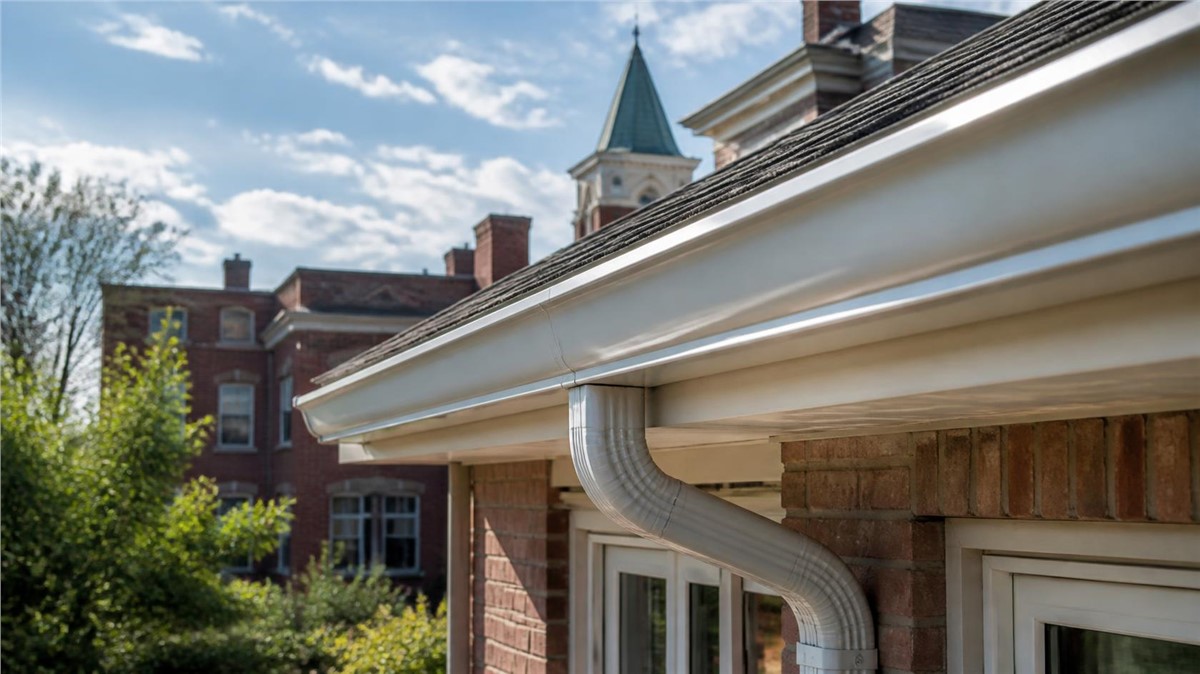
Gutters are an important part of every commercial building’s exterior system. They collect rainwater and snowmelt from the roof and move it away from the building. When gutters are clogged, damaged, or poorly pitched, water can overflow, run behind the gutter, pool near the foundation, or create safety concerns around entrances and walkways.
For commercial properties in Evansville, WI, gutter maintenance matters throughout the year. Heavy rain, wind, falling leaves, snow, ice, and freeze-thaw cycles can all affect how well gutters and downspouts perform. A small drainage issue can quickly become a roof leak, siding stain, fascia problem, or foundation moisture concern.
This guide explains what commercial property owners and managers should watch for and how regular gutter maintenance helps prevent water issues.
Why Commercial Gutter Maintenance Matters
Commercial buildings often have larger roof areas than homes. More roof surface means more water needs to move safely through the gutter system during storms.
Poor gutter maintenance can lead to:
- Roof edge damage
- Gutter overflow
- Water behind gutters
- Fascia and soffit damage
- Siding stains
- Foundation pooling
- Basement moisture
- Walkway ice
- Landscape erosion
- Interior leaks
- Tenant or customer complaints
Keeping gutters clear and secure helps protect the full building envelope.
Common Gutter Problems on Commercial Buildings
Commercial gutter problems may start small but become more serious when ignored.
Common issues include:
- Leaves and debris in gutters
- Clogged downspouts
- Loose hangers
- Sagging gutter runs
- Leaking seams
- Poor gutter pitch
- Damaged elbows
- Bent downspouts
- Ice buildup
- Water draining too close to the foundation
These issues should be checked before heavy rain or winter weather makes them worse.
Clogged Gutters
Clogs are one of the most common gutter maintenance problems. Leaves, twigs, shingle granules, dirt, roofing debris, and wind-blown material can block water flow.
Signs of clogged gutters include:
- Water spilling over the edge
- Debris visible in the gutter
- Water stains below the roofline
- Slow drainage after rain
- Plants growing in gutters
- Downspouts releasing little water
- Overflow near entrances or walkways
If clogs return often, the building may need a better maintenance schedule or gutter guard review.
Blocked Downspouts
A gutter can look clear from above but still fail if the downspout is blocked. Downspout clogs often happen at elbows, outlets, or underground extensions.
Blocked downspouts can cause:
- Water backing up into gutters
- Overflow during storms
- Ice buildup in winter
- Water pooling near foundations
- Soil erosion
- Wet lower walls
- Basement moisture concerns
Downspouts should be checked as part of every commercial gutter maintenance visit.
Sagging Gutters
Sagging gutters usually mean the system is carrying too much weight or the hangers are no longer holding properly. Debris, standing water, snow, and ice can all add stress.
Sagging may lead to:
- Poor drainage
- Water spilling in one area
- Loose gutter sections
- Fascia damage
- Water behind gutters
- Leaking seams
- Ice buildup in winter
If gutters are sagging, cleaning alone may not be enough. Hangers, pitch, fascia, and gutter condition should be reviewed.
Leaking Seams and Corners
Commercial gutters may leak at seams, corners, end caps, or outlets. Over time, sealant can fail and joints can separate.
Leaking seams may cause:
- Water stains on siding
- Drips near doors
- Ice patches near walkways
- Soil erosion
- Fascia moisture
- Foundation pooling
- Repeated stains after storms
Some leaks can be resealed, but repeated seam failures may point to aging or damaged gutters.
Poor Gutter Pitch
Gutters need the right slope to move water toward downspouts. If the pitch is wrong, water may sit in the gutter, overflow, or freeze.
Poor pitch may show up as:
- Standing water
- Overflow in the middle of a run
- Slow drainage
- Sagging sections
- Ice buildup
- Water stains below one area
- Debris collecting in the same spot
Correcting the pitch can help improve drainage and reduce future damage.
Water Behind Gutters
Water running behind the gutter is a warning sign. It may mean the gutter has pulled away, the drip edge is missing or damaged, the fascia is soft, or the gutter was not positioned correctly.
This can damage:
- Fascia
- Soffit
- Siding
- Roof edges
- Window trim
- Wall materials
- Foundation areas
Water behind gutters should be inspected quickly because it can lead to hidden moisture damage.
Roof Edge Concerns
Commercial gutter issues often affect the roof edge. If water does not drain properly, it may back up near the roofline or damage materials at the edge.
Watch for:
- Soft fascia
- Loose roof edge materials
- Water stains under eaves
- Damaged drip edge
- Soffit moisture
- Ice buildup near gutters
- Leaks near exterior walls
A gutter inspection should include the roof edge, not only the gutter channel.
Downspout Discharge Areas
Downspouts should move water away from the building. If they release water too close to the foundation, entrances, loading areas, or sidewalks, drainage problems can still happen.
Check whether water is draining toward:
- Foundation walls
- Basement windows
- Walkways
- Parking areas
- Loading docks
- Landscaping beds
- Neighboring structures
- Low spots near doors
Extensions or drainage adjustments may be needed to move water farther away.
Walkway and Entrance Safety
Commercial properties need to consider safety for employees, tenants, customers, vendors, and visitors. Poor gutter drainage can create wet surfaces, slippery areas, and winter ice patches.
Problem areas may include:
- Main entrances
- Side doors
- Loading docks
- Employee walkways
- Parking lot edges
- Service entrances
- Dumpster areas
- Delivery zones
Water should not drain where people regularly walk or gather.
Gutter Maintenance Before Winter
Winter can make gutter problems worse. If gutters are clogged before freezing weather, trapped water can turn into ice and add weight to the system.
Before winter, property owners should check:
- Leaves and debris
- Downspout clogs
- Loose hangers
- Sagging sections
- Leaking seams
- Ice damage from past winters
- Water pooling near entrances
- Downspout extensions
Preparing gutters before winter helps reduce ice buildup, roof edge damage, and drainage problems during snowmelt.
Gutter Maintenance After Storms
High winds, hail, and heavy rain can damage gutters or fill them with debris. After severe weather, a ground-level check can help identify obvious problems.
After storms, look for:
- Bent gutters
- Dented downspouts
- Loose hangers
- Overflow marks
- Debris near downspouts
- Water stains
- Gutters pulling away
- Siding stains below rooflines
If damage is visible, schedule a professional inspection before the next storm.
How Gutters Affect Siding
When gutters overflow or leak, water can run down siding and trim. Over time, this may cause stains, mildew, warping, or moisture behind exterior wall materials.
Siding warning signs include:
- Dark streaks
- Green or black buildup
- Water stains
- Loose panels
- Soft trim
- Peeling paint
- Moisture near windows
- Repeated staining after rain
Siding stains should not be treated as only cosmetic until the gutter system is checked.
How Gutters Affect Foundations
Commercial gutters also help protect the foundation. If water drains too close to the building, it may collect around foundation walls or lower-level areas.
Foundation-related warning signs include:
- Water pooling near the building
- Soil erosion
- Damp lower walls
- Basement moisture
- Musty odors
- Water near basement windows
- Ice patches near the foundation
- Landscape washout
Good downspout placement is just as important as clean gutters.
What Should Be Included in Commercial Gutter Maintenance?
A good maintenance visit should check the full drainage path from the roof edge to the ground.
Maintenance may include:
- Removing debris from gutters
- Clearing downspouts
- Checking elbows and outlets
- Inspecting seams and corners
- Checking hangers and fasteners
- Reviewing gutter pitch
- Looking for sagging sections
- Checking fascia and soffit
- Reviewing discharge areas
- Documenting damage
This helps property owners plan repairs before water issues spread.
How Often Should Commercial Gutters Be Checked?
The right schedule depends on the building, roof size, tree coverage, roof type, and past drainage issues. Many commercial properties benefit from seasonal gutter checks, especially before winter and after major storms.
A maintenance schedule may include:
- Spring inspection
- Fall cleaning
- Pre-winter drainage check
- Post-storm inspection
- Extra checks for buildings near trees
- Additional review after roof work
Properties with repeated overflow may need more frequent maintenance.
Repair vs Replacement
Some gutter problems can be repaired. Others may require replacement if the system is aging, damaged, or not sized correctly.
Repair may make sense if:
- Clogs are the main issue
- One seam is leaking
- A few hangers are loose
- One downspout needs adjustment
- Pitch can be corrected
- The gutter system is otherwise solid
Replacement may be better if:
- Gutters sag in multiple areas
- Seams leak repeatedly
- Sections are bent or rusting
- Downspouts are poorly placed
- Overflow keeps returning
- Water keeps running behind gutters
- Repairs no longer last
A professional inspection can help determine the best option.
Budgeting for Gutter Maintenance
Commercial gutter maintenance should be included in the exterior maintenance budget. Waiting until water damage appears can lead to larger repair costs.
Budget items may include:
- Seasonal cleaning
- Downspout clearing
- Minor repairs
- Hanger replacement
- Seam sealing
- Downspout extensions
- Fascia repair
- Storm damage inspections
- Gutter replacement planning
Preventive maintenance can help reduce emergency repair needs.
What Property Managers Should Document
Good documentation helps property owners track maintenance, repairs, and recurring issues.
Helpful records include:
- Inspection dates
- Photos of gutter condition
- Photos of overflow
- Downspout drainage notes
- Repair invoices
- Storm damage photos
- Tenant or staff reports
- Maintenance schedules
- Contractor recommendations
Documentation is also helpful if insurance questions come up after storm damage.
What Should Be Included in an Exterior Inspection?
Because gutters are connected to other exterior systems, a full inspection may be helpful when water issues appear.
A contractor may check:
- Gutters and downspouts
- Roof edges
- Fascia and soffit
- Siding and trim
- Windows and doors
- Flashing
- Foundation drainage
- Walkways and entrances
- Interior moisture signs
- Storm damage areas
This helps identify whether the issue is only the gutter system or part of a larger exterior problem.
Why a Full Exterior Inspection Helps
Commercial gutter problems can affect roofing, siding, windows, fascia, soffit, trim, foundations, entrances, loading areas, and interior spaces. Looking only at the gutter may miss the reason water is overflowing or pooling.
Huskie Exteriors provides roofing, siding, window, gutter, and storm damage restoration services, helping commercial property owners evaluate the full exterior system and prevent water issues.
Why Local Exterior Experience Matters
A local contractor understands how Wisconsin weather affects commercial gutters and drainage systems. In Evansville, WI, buildings need gutters that can handle heavy rain, wind, snow, ice, falling leaves, humidity, and freeze-thaw cycles.
Local experience helps property owners determine whether water issues are caused by clogs, poor pitch, loose hangers, blocked downspouts, fascia damage, roof edge problems, ice damage, storm damage, or poor drainage design.
Conclusion
Commercial gutter maintenance in Evansville, WI is an important part of preventing water issues. Property owners should check gutters, downspouts, seams, hangers, roof edges, fascia, soffit, siding, foundation areas, walkways, and entrances before problems become larger exterior repairs.
If your commercial building has clogged gutters, leaking seams, sagging sections, blocked downspouts, water pooling, siding stains, roof edge concerns, or drainage issues, Huskie Exteriors can inspect the property and recommend the right next step.
Contact Huskie Exteriors for professional roofing, siding, window, gutter, and storm damage services in Illinois and Wisconsin.
Subscribe to Huskie Exteriors's Blog








Comments