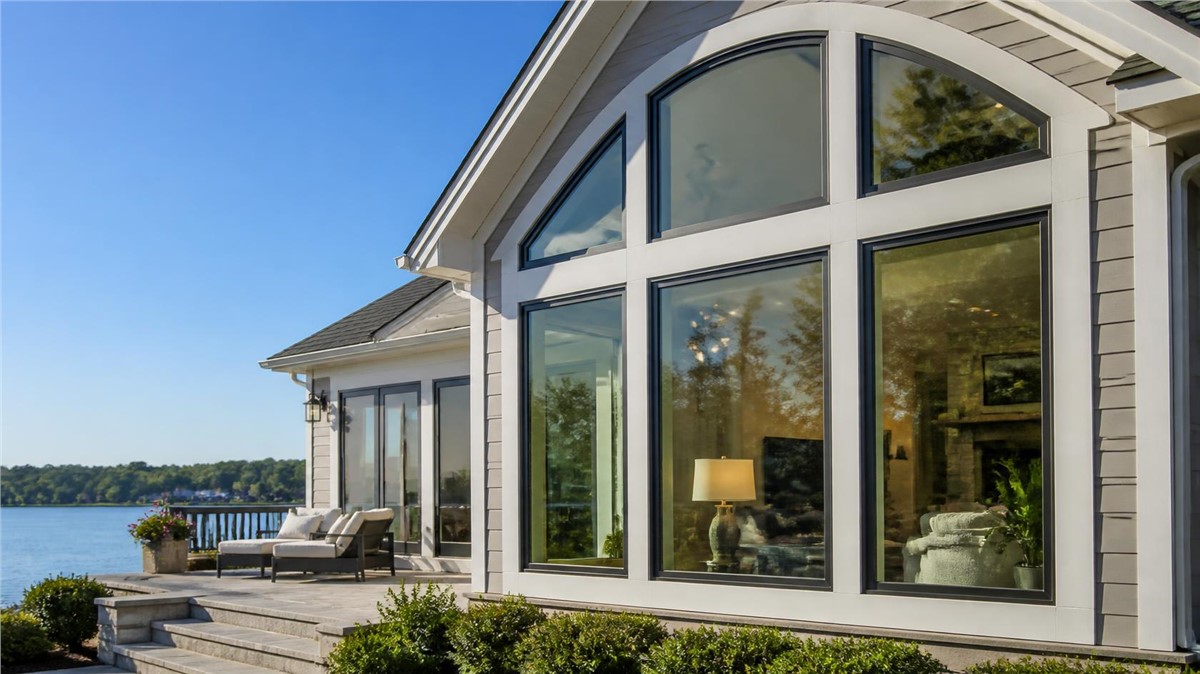
New windows can improve comfort, appearance, natural light, ventilation, and exterior protection. But not all replacement windows perform the same way. Two windows may look similar from the outside but have different glass packages, ratings, frame materials, warranties, and installation requirements.
For homeowners in Oconomowoc, WI, window upgrades need to handle Wisconsin weather, including cold winters, heavy rain, wind, snow, ice, humidity, sun exposure, and freeze-thaw cycles. Choosing energy-efficient windows is not only about saving energy. It is also about improving comfort, reducing drafts, protecting the home from moisture, and making sure the windows are installed correctly.
This guide explains what homeowners should compare before choosing energy-efficient window upgrades.
Compare U-Factor
U-factor is one of the most important window ratings to understand. It measures how well a window helps keep heat from escaping. A lower U-factor generally means better insulating performance.
This matters in Wisconsin because cold weather can make drafty or poorly insulated windows more noticeable. ENERGY STAR notes that for the northern part of the United States, lower U-factor windows are recommended because they insulate better in cold weather.
When comparing windows, ask:
- What is the U-factor?
- Is the rating for the full window unit?
- Does it meet ENERGY STAR criteria for the local climate zone?
- How does it compare with other options?
- Is the rating shown on the NFRC label?
A lower U-factor can help support better winter comfort when the window is properly installed.
Compare Solar Heat Gain Coefficient
Solar Heat Gain Coefficient, often called SHGC, measures how much solar heat a window allows into the home. A lower SHGC helps block more solar heat, while a higher SHGC allows more warmth from the sun.
ENERGY STAR explains that SHGC needs vary by climate and window location. In colder climates, ENERGY STAR notes that south-facing windows may benefit from a higher SHGC along with a low U-factor to reduce heat loss while allowing useful solar warmth.
When comparing SHGC, consider:
- Which side of the home the window faces
- How much direct sunlight the room gets
- Whether the room overheats in summer
- Whether winter warmth from sunlight is helpful
- Whether shade trees or overhangs affect the window
The best SHGC is not always the same for every room.
Compare ENERGY STAR Climate Zone Fit
Energy-efficient windows should be selected for the climate where the home is located. ENERGY STAR criteria for windows, doors, and skylights vary by climate zone and are based on NFRC-certified ratings.
Homeowners in Oconomowoc should confirm that the selected window is appropriate for the correct ENERGY STAR climate zone. ENERGY STAR also provides a climate zone finder that homeowners can use to check their location.
Before choosing windows, ask:
- Is this window ENERGY STAR certified?
- Which climate zone does it qualify for?
- Is the correct climate zone shown on the label?
- Are the ratings certified by NFRC?
- Is the product suitable for Wisconsin weather?
A window that performs well in one region may not be the best fit for another.
Compare the NFRC Label
The NFRC label helps homeowners compare windows using standardized ratings. NFRC states that its residential certification program evaluates U-factor, solar heat gain coefficient, visible transmittance, air leakage, and condensation index.
Important NFRC ratings include:
- U-factor
- Solar Heat Gain Coefficient
- Visible Transmittance
- Air Leakage
- Condensation Resistance or Condensation Index
The label gives homeowners a more reliable way to compare performance instead of relying only on sales descriptions.
Compare Glass Packages
The glass package affects comfort, efficiency, light, and condensation performance. Energy-efficient windows may include multiple panes, Low-E coatings, gas fills, warm-edge spacers, and improved seals.
Common glass features include:
- Double-pane glass
- Triple-pane glass
- Low-E coatings
- Argon or other gas fills
- Insulating spacers
- Laminated glass options
- Tempered glass where required
The right glass package depends on the room, budget, comfort goals, and local climate.
Compare Double-Pane and Triple-Pane Windows
Double-pane windows are common for replacement projects and can provide good performance when properly selected and installed. Triple-pane windows may offer stronger insulation and comfort benefits in certain homes, but they may also cost more.
Compare:
- U-factor
- Window weight
- Frame compatibility
- Cost difference
- Noise reduction needs
- Room comfort
- Condensation concerns
- Warranty details
Triple-pane windows are not always necessary, but they may be worth discussing for rooms with strong drafts, cold exposure, or comfort concerns.
Compare Low-E Glass Options
Low-E glass coatings help manage heat transfer through the window. Different Low-E packages can affect winter comfort, summer heat gain, visible light, and glare.
When comparing Low-E options, ask:
- Is the coating designed for cold-climate performance?
- How does it affect SHGC?
- How does it affect visible light?
- Will it reduce glare?
- Is it included in the window rating?
- Does it fit the room’s sun exposure?
The right Low-E option may vary between sunny rooms, shaded rooms, and north-facing rooms.
Compare Visible Transmittance
Visible Transmittance, often called VT, measures how much daylight passes through the window. NFRC describes Visible Transmittance as how well a product lights the home with daylight.
This matters because some energy-efficient glass packages may slightly reduce visible light. Homeowners should compare VT if natural light is important.
Ask:
- Will the room feel darker?
- How much natural light do you want?
- Is glare a concern?
- Are large picture windows involved?
- Are window coverings used often?
A good window upgrade should balance comfort, efficiency, and natural light.
Compare Air Leakage
Air leakage measures how much air can pass through the window assembly. Drafts are one of the most common reasons homeowners consider window replacement.
High air leakage may lead to:
- Cold spots
- Drafts near windows
- Dust entering through gaps
- Uneven room temperatures
- More comfort complaints
- Moisture concerns around frames
Even a highly rated window needs proper installation to reduce air leaks around the opening.
Compare Condensation Performance
Condensation can be caused by several factors, including indoor humidity, ventilation, glass temperature, failed seals, and window coverings. New windows may help reduce some condensation problems, but they do not solve every humidity issue.
Compare:
- Condensation resistance rating
- Glass package
- Frame material
- Interior humidity levels
- Room ventilation
- Bathroom and kitchen moisture
- Window covering placement
If condensation appears between panes, that often points to a failed glass seal.
Compare Frame Materials
Window frame material affects appearance, maintenance, durability, and performance.
Common frame options include:
- Vinyl
- Fiberglass
- Wood
- Composite
- Aluminum-clad wood
- Fibrex or other blended materials
When comparing frames, think about:
- Maintenance needs
- Color options
- Weather resistance
- Appearance
- Cost
- Expansion and contraction
- Warranty
- Long-term durability
The best material depends on the home’s style, budget, and maintenance goals.
Compare Window Styles
Window style affects airflow, cleaning, operation, and appearance. Energy efficiency matters, but the window still needs to work well for the room.
Common styles include:
- Double-hung windows
- Casement windows
- Sliding windows
- Picture windows
- Bay windows
- Bow windows
- Awning windows
- Basement windows
- Specialty shape windows
A room that needs ventilation may benefit from casement or double-hung windows, while a room focused on views may benefit from picture windows.
Compare Operation and Ease of Use
Energy-efficient windows should also be easy to use. A window that is difficult to open, close, lock, or clean may create frustration over time.
Compare:
- Locking system
- Screen options
- Tilt-in cleaning features
- Crank hardware
- Opening direction
- Ventilation control
- Child safety features
- Emergency egress needs where applicable
Good performance should come with practical daily function.
Compare Installation Quality
Even the best window can perform poorly if it is not installed correctly. Installation affects air sealing, water protection, operation, trim appearance, and long-term performance.
Proper installation should address:
- Accurate measurements
- Flashing
- Exterior sealing
- Interior sealing
- Insulation around the frame
- Siding or trim transitions
- Level and square placement
- Cleanup
- Final operation check
Homeowners should compare contractors as carefully as they compare window products.
Compare Exterior Trim and Flashing
Windows connect directly to siding, trim, and flashing. If those areas are damaged or poorly sealed, new windows may still have moisture problems.
Check for:
- Soft trim
- Cracked caulking
- Water stains
- Loose siding near windows
- Failed flashing
- Peeling paint indoors
- Stains below window openings
- Drafts around frames
Window upgrades are a good time to repair surrounding exterior details.
Compare Full-Frame vs Insert Replacement
There are different ways to replace windows. Insert replacement may fit into the existing frame, while full-frame replacement removes more of the old window system.
Compare:
- Condition of existing frames
- Moisture damage
- Trim condition
- Siding impact
- Glass area
- Cost
- Installation time
- Long-term performance
If the existing frame is damaged, full-frame replacement may be more appropriate.
Compare Warranty Details
Window warranties can vary by product, glass package, hardware, labor, and installation. Before choosing a window, homeowners should understand what is covered and what is not.
Ask about:
- Product warranty
- Glass seal warranty
- Hardware warranty
- Labor warranty
- Transferability
- Exclusions
- Registration requirements
- Service process
A clear warranty helps homeowners understand long-term support.
Compare Cost and Long-Term Value
The lowest price is not always the best value. Window upgrades should be compared based on performance, durability, installation quality, warranty, and how well the window fits the home.
Compare:
- Window ratings
- Glass package
- Frame material
- Installation details
- Trim work
- Warranty
- Contractor experience
- Long-term maintenance
- Comfort improvements
A stronger window upgrade may cost more upfront but offer better performance and fewer issues over time.
Compare Rooms and Priorities
Not every window in the home has the same job. A bedroom window, kitchen window, living room picture window, bathroom window, and basement window may need different features.
Consider:
- Which rooms feel drafty
- Which windows get strong sun
- Which windows are hard to open
- Which rooms need ventilation
- Which windows affect curb appeal
- Which windows show moisture damage
- Which windows are used most often
A room-by-room review can help homeowners choose smarter upgrades.
What Should Be Included in a Window Estimate?
A window replacement estimate should be clear and detailed.
It may include:
- Number of windows
- Window style
- Frame material
- Glass package
- U-factor and SHGC details
- Interior trim work
- Exterior trim work
- Installation method
- Removal of old windows
- Cleanup
- Warranty information
- Any siding or moisture repairs
Homeowners should ask for clarification before approving a vague estimate.
Repair vs Replacement
Some window issues can be repaired, while others point to replacement.
Repair may make sense if:
- Hardware needs adjustment
- Caulking needs repair
- One glass unit failed
- Interior trim needs touch-up
- The frame is still solid
- The window is newer
Replacement may be better if:
- Windows are drafty
- Several seals have failed
- Frames are warped or damaged
- Windows are hard to operate
- Moisture damage is present
- Energy comfort is a major concern
- The home needs an exterior update
A professional inspection can help determine the best approach.
Why a Full Exterior Inspection Helps
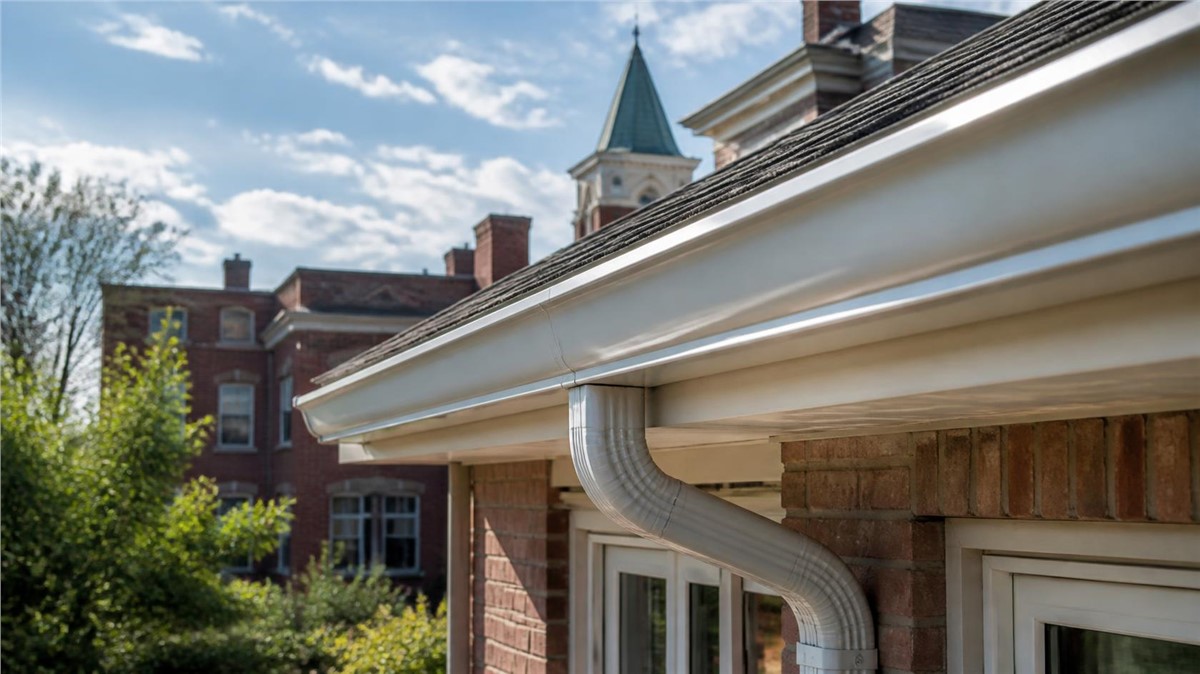
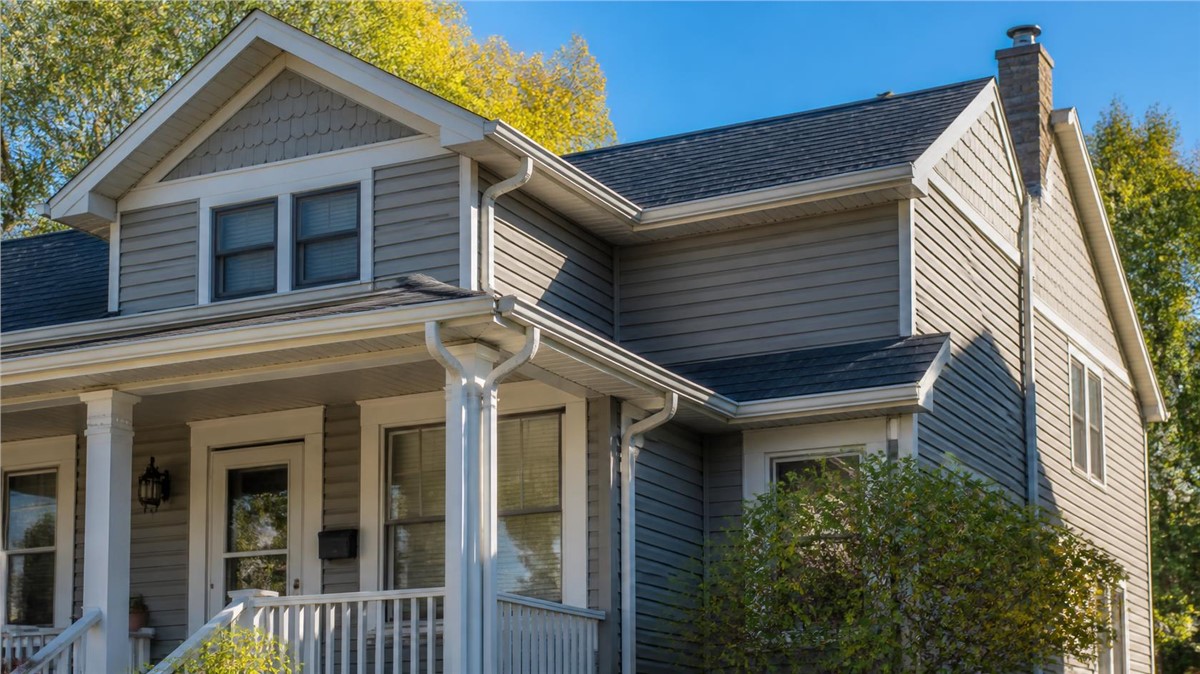
Windows are connected to siding, roofing, gutters, flashing, trim, fascia, soffit, and drainage. A window leak may not always start with the window itself. Water can travel from roof edges, gutter overflow, siding gaps, or failed flashing before appearing near the frame.
A full exterior inspection may include:
- Windows and doors
- Siding and trim
- Roofing and roof edges
- Gutters and downspouts
- Flashing
- Fascia and soffit
- Interior moisture signs
- Storm damage areas
Huskie Exteriors provides roofing, siding, window, gutter, and storm damage restoration services, helping homeowners evaluate the full exterior system before window upgrades.
Why Local Exterior Experience Matters
A local contractor understands how Wisconsin weather affects window performance. In Oconomowoc, WI, homes need windows and exterior details that can handle cold winters, wind, heavy rain, snow, ice, humidity, sun exposure, and freeze-thaw cycles.
Local experience helps homeowners compare window ratings, glass packages, installation details, siding transitions, flashing, trim, and long-term exterior protection.
Conclusion
Energy-efficient window upgrades in Oconomowoc, WI should be compared by U-factor, SHGC, ENERGY STAR climate zone fit, NFRC ratings, glass package, frame material, window style, air leakage, condensation performance, installation quality, trim details, warranty, and long-term value. The right choice should improve comfort, appearance, usability, and weather protection.
If your windows are drafty, fogged, difficult to open, leaking, outdated, moisture-damaged, or no longer supporting home comfort, Huskie Exteriors can inspect your exterior and recommend the right next step.
Contact Huskie Exteriors for professional roofing, siding, window, gutter, and storm damage services in Illinois and Wisconsin.
Subscribe to Huskie Exteriors's Blog







Comments