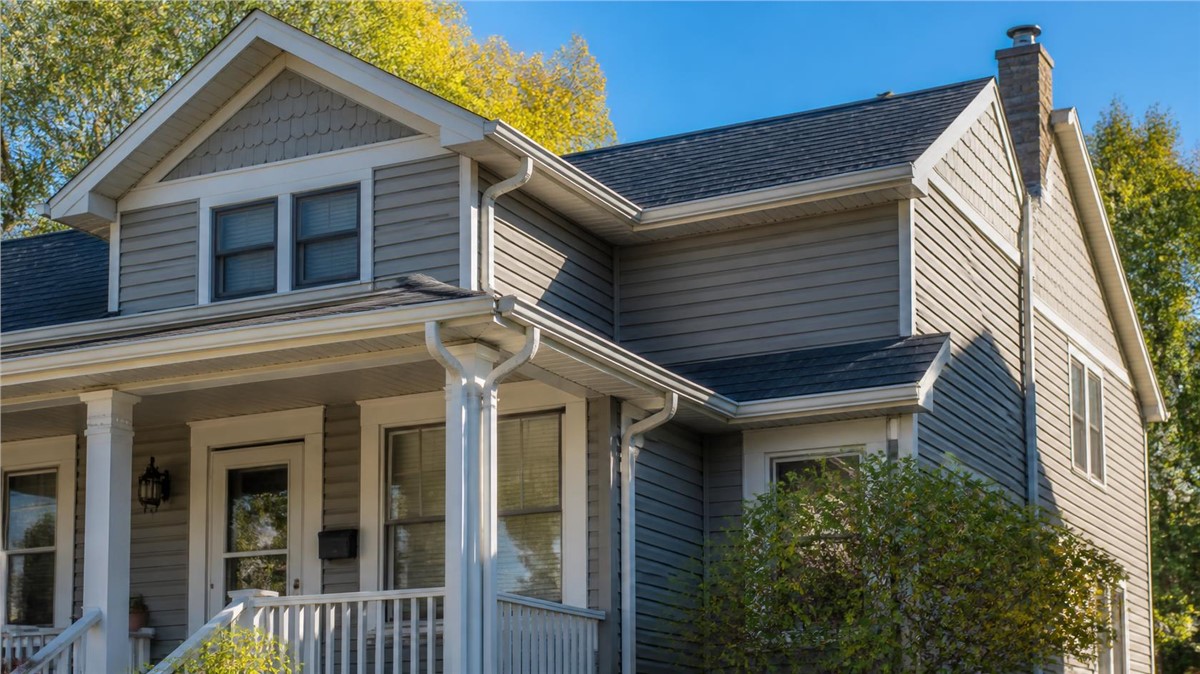
Siding and exterior trim work together to protect a home from weather while giving the exterior a clean, finished look. Siding covers the wall surfaces, while trim protects transitions around windows, doors, corners, rooflines, and other openings.
For homeowners in Madison, WI, these areas need to handle heavy rain, wind, hail, snow, ice, humidity, sun exposure, and freeze-thaw cycles. Because trim and siding are exposed every day, small problems can develop over time. A cracked panel, open seam, loose trim board, or water stain may seem minor at first, but it can allow moisture behind the exterior if ignored.
This guide explains the most common problem areas for exterior trim and siding repair.
Why Trim and Siding Problems Matter
Trim and siding are part of the home’s weather protection system. When they are damaged, water and wind can reach areas that should stay protected.
Damaged trim or siding may lead to:
- Moisture behind siding
- Soft wall sheathing
- Wet insulation
- Interior wall stains
- Mold or mildew concerns
- Drafts
- Pest entry points
- Peeling paint
- Higher repair costs later
Repairing small issues early can help prevent bigger exterior damage.
Problem Area 1: Window Trim
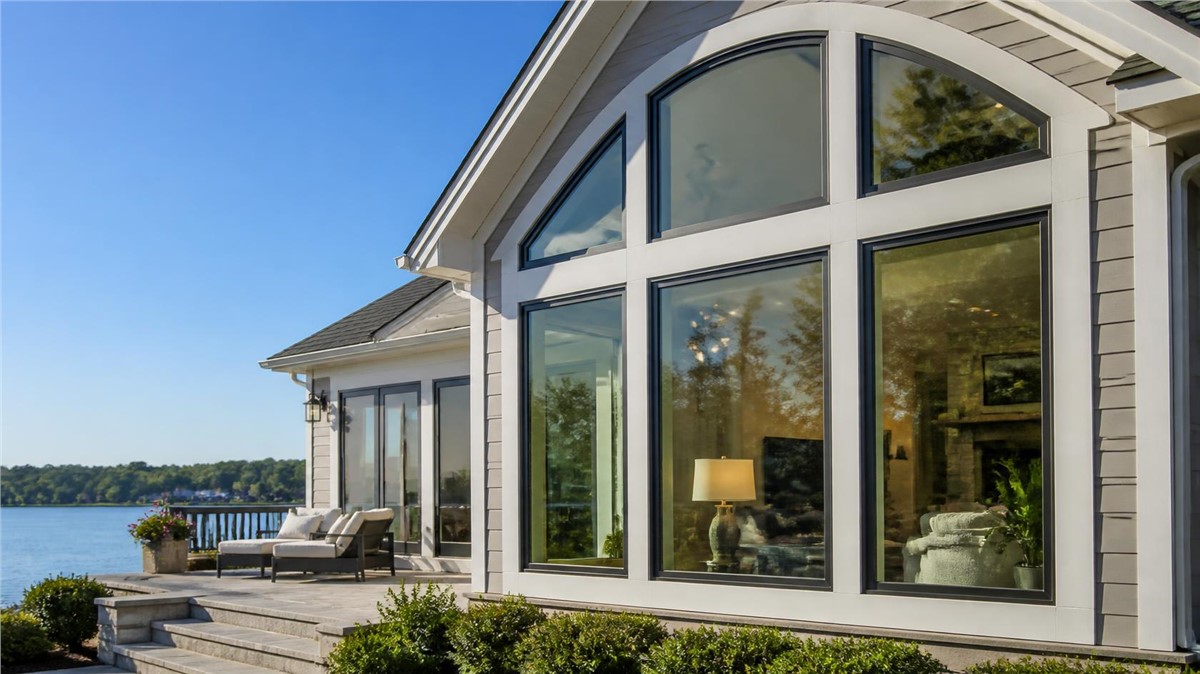
Window trim is one of the most common places for exterior problems. Rain, snow, wind, and sun exposure can wear down caulking, paint, flashing, and trim materials.
Watch for:
- Gaps around window trim
- Soft or rotted trim
- Peeling paint
- Water stains below windows
- Cracked caulking
- Loose siding near windows
- Drafts
- Interior stains near window frames
If water appears around a window, the issue may involve trim, siding, flashing, or the window itself.
Problem Area 2: Door Trim
Exterior doors are exposed to frequent use and changing weather. Entry doors, patio doors, garage service doors, and side doors can all develop trim problems over time.
Common warning signs include:
- Soft trim near the bottom
- Gaps around the frame
- Failed caulking
- Water stains
- Drafts
- Peeling paint
- Damaged threshold areas
- Loose siding beside the door
Door trim repairs should restore both appearance and water protection.
Problem Area 3: Siding Seams
Siding seams are the places where panels meet. Some seams are normal, but open gaps or loose sections should be inspected.
Seam problems may include:
- Open joints
- Loose panels
- Cracked edges
- Warping
- Water stains
- Rattling during wind
- Poor overlap
- Gaps near trim
Open siding seams can allow wind-driven rain behind the wall surface, especially during storms.
Problem Area 4: Corners
Corner trim protects siding edges and helps finish the exterior. Corners can be damaged by wind, hail, impact, moisture, or age.
Look for:
- Cracked corner posts
- Loose trim
- Open vertical gaps
- Broken panel ends
- Water stains
- Pest entry points
- Impact marks
- Pieces pulling away from the wall
Corner problems should be repaired before wind or water reaches behind the siding.
Problem Area 5: Fascia
Fascia runs along the roof edge and often supports the gutter system. If gutters overflow or pull away, fascia can become damaged.
Fascia warning signs include:
- Peeling paint
- Soft wood
- Dark stains
- Sagging gutters
- Loose fasteners
- Water running behind gutters
- Gaps near the roof edge
- Rot concerns
If fascia is damaged, gutter repairs may also be needed.
Problem Area 6: Soffit
Soffit sits under the roof overhang and helps protect the underside of the roof edge. It can also support attic ventilation when vented soffit is used.
Soffit concerns include:
- Loose panels
- Water stains
- Sagging sections
- Pest entry points
- Blocked vents
- Peeling paint
- Gaps near fascia
- Moisture under eaves
Soffit damage may point to gutter overflow, roof edge issues, or ventilation problems.
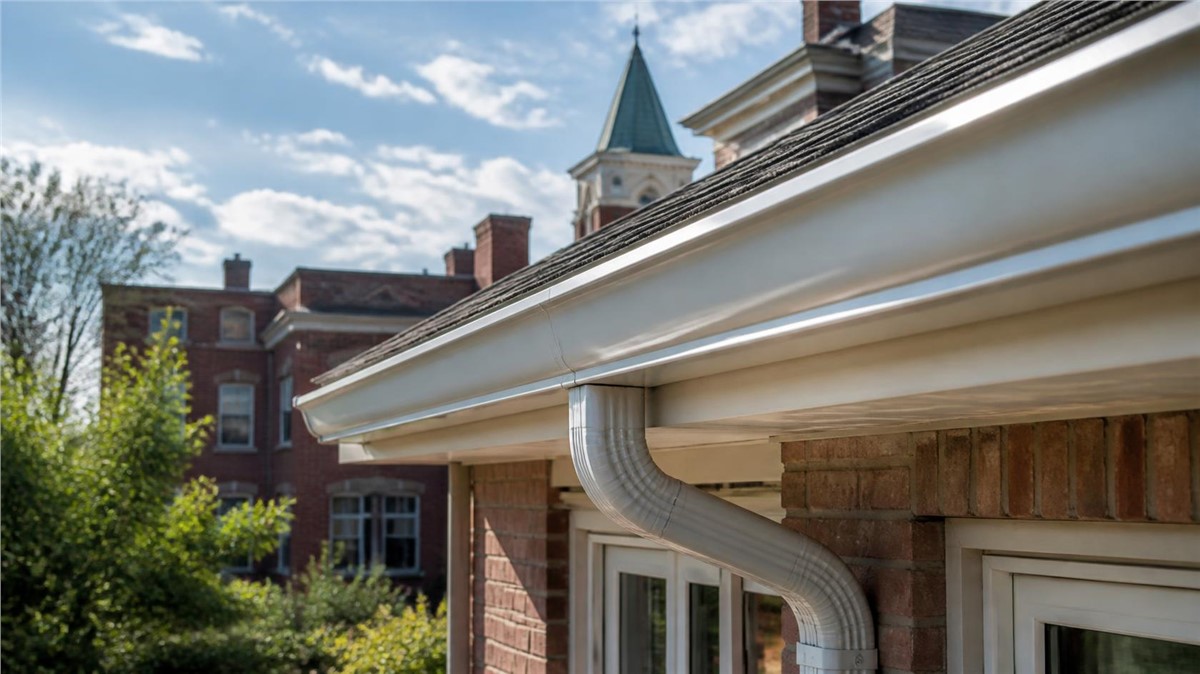
Problem Area 7: Areas Below Gutters
Siding and trim below gutters can show signs of water problems. When gutters clog, leak, sag, or overflow, water can run down the wall instead of moving through the downspouts.
Watch for:
- Dark streaks on siding
- Mildew growth
- Water stains
- Warped siding
- Soft trim
- Peeling paint
- Foundation pooling
- Basement moisture
Before repairing siding stains, the gutter system should be checked.
Problem Area 8: Lower Siding Sections
Lower siding sections are exposed to splashing water, snow buildup, landscaping moisture, and debris. These areas may show damage faster than higher wall sections.
Common issues include:
- Cracks
- Warping
- Moisture stains
- Mold or mildew
- Loose panels
- Pest damage
- Impact marks from lawn equipment
- Dirt buildup
Keeping soil, mulch, and landscaping away from siding can help reduce moisture exposure.
Problem Area 9: Roofline Transitions
Siding and trim near rooflines, dormers, gables, and wall transitions are important because they handle roof runoff and wind-driven rain.
Warning signs include:
- Water stains near roof edges
- Loose flashing
- Open gaps
- Siding damage near shingles
- Soft trim
- Ice damage
- Peeling paint
- Interior stains below the area
Roofline problems should be inspected carefully because leaks can travel behind walls before showing inside.
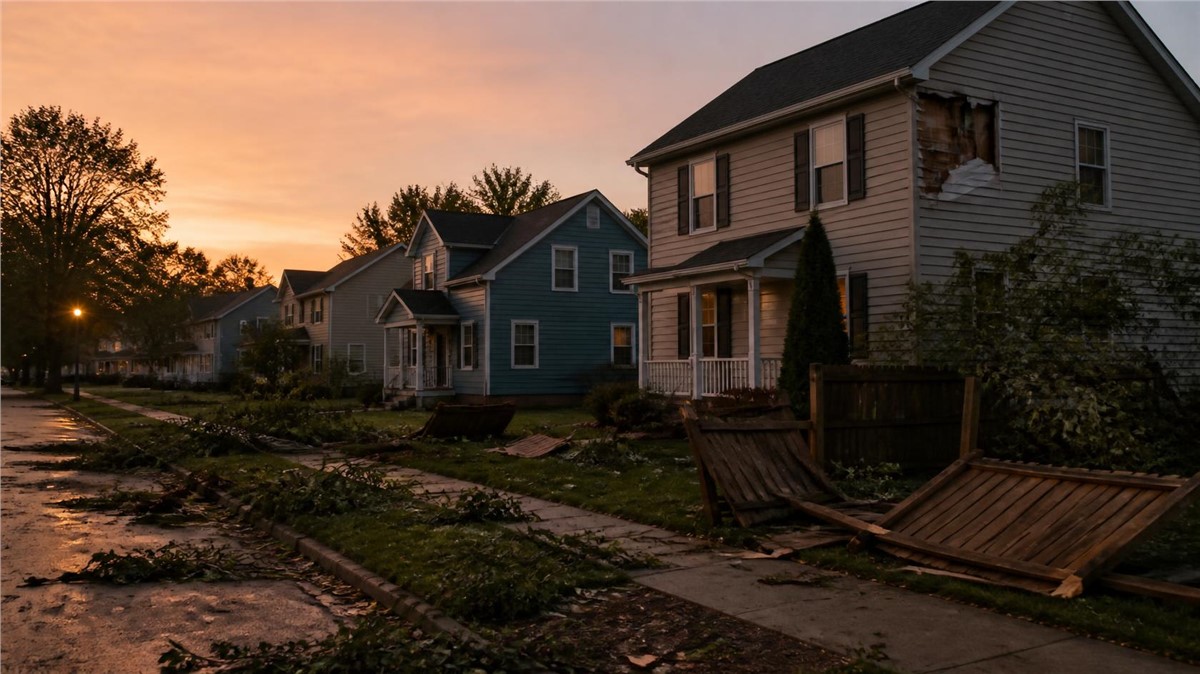
Problem Area 10: Storm-Facing Walls
After wind or hail, one side of the home may show more damage than the others. Storm-facing walls often receive the strongest impact.
Check for:
- Cracked siding
- Holes or punctures
- Loose panels
- Dented trim
- Broken corners
- Damaged window trim
- Water stains after rain
- Siding pieces in the yard
A full exterior inspection after severe weather can help identify damage that is not visible from a distance.
What Causes Trim and Siding Damage?
Trim and siding damage can come from several sources. In Madison, seasonal weather is a major factor.
Common causes include:
- Wind
- Hail
- Heavy rain
- Snow and ice
- Freeze-thaw cycles
- Sun exposure
- Poor drainage
- Aging materials
- Failed caulking
- Improper installation
- Impact from branches or debris
Finding the cause helps determine the right repair.
Repair Options for Exterior Trim and Siding
Repair options depend on the material, location, and extent of damage.
Common repairs may include:
- Replacing cracked siding panels
- Reattaching loose siding
- Repairing window or door trim
- Replacing damaged corner posts
- Resealing approved trim joints
- Repairing fascia or soffit
- Correcting flashing problems
- Addressing gutter overflow
- Replacing damaged exterior boards
The goal is to restore weather protection, not only improve appearance.
When Replacement May Be Better
Replacement may be a better option when damage is widespread or the materials are aging.
Replacement may make sense if:
- Siding is brittle
- Trim is soft in several areas
- Moisture is behind siding
- Repairs no longer match
- Storm damage affects multiple walls
- Siding is warped throughout
- Exterior maintenance keeps increasing
- Water problems keep returning
A professional inspection can help homeowners compare repair and replacement options.
What Homeowners Can Check Safely
Homeowners can do a simple visual check from the ground.
Look for:
- Cracks or gaps
- Loose siding
- Peeling paint
- Soft trim
- Water stains
- Mildew growth
- Sagging gutters
- Damaged corners
- Moisture near windows
- Interior wall stains
Take photos of problem areas before cleaning or making temporary repairs.
What Should Be Included in an Exterior Inspection?
A trim and siding inspection should review the visible damage and the connected exterior systems.
A contractor may check:
- Siding panels
- Window and door trim
- Corners
- Fascia and soffit
- Gutters and downspouts
- Flashing
- Roofline transitions
- Moisture signs
- Storm damage areas
- Interior stains
This helps determine whether the issue is isolated or part of a larger exterior problem.
Why a Full Exterior Inspection Helps
Trim and siding problems are often connected to roofing, gutters, windows, flashing, fascia, soffit, and drainage. Water stains on siding may come from gutter overflow. Window trim damage may come from failed flashing. Soft fascia may be connected to roof edge issues.
A full exterior inspection may include:
- Siding and trim
- Roofing and roof edges
- Gutters and downspouts
- Windows and doors
- Flashing
- Fascia and soffit
- Interior moisture signs
- Foundation drainage
- Storm damage areas
Huskie Exteriors provides roofing, siding, window, gutter, and storm damage restoration services, helping homeowners evaluate the full exterior system.
Why Local Exterior Experience Matters
A local contractor understands how Wisconsin weather affects exterior materials. In Madison, WI, homes need siding and trim that can handle wind, hail, heavy rain, snow, ice, humidity, sun exposure, and freeze-thaw cycles.
Local experience helps homeowners determine whether trim and siding damage is caused by aging materials, storm damage, gutter problems, poor drainage, flashing failure, moisture, or normal wear.
Conclusion
Exterior trim and siding repair in Madison, WI often focuses on windows, doors, seams, corners, fascia, soffit, gutters, lower siding, roofline transitions, and storm-facing walls. These areas matter because they help protect the home from water, wind, pests, drafts, and hidden damage.
If your home has cracked siding, loose trim, open seams, water stains, soft fascia, soffit damage, gutter overflow, or storm damage concerns, Huskie Exteriors can inspect your exterior and recommend the right next step.
Contact Huskie Exteriors for professional roofing, siding, window, gutter, and storm damage services in Illinois and Wisconsin.
Subscribe to Huskie Exteriors's Blog





Comments