
Winter can be one of the hardest seasons on a roof. Snow, ice, freezing temperatures, wind, and repeated freeze-thaw cycles can turn small roofing problems into serious leaks or exterior damage. A loose shingle, clogged gutter, or weak flashing detail may not seem urgent in fall, but it can become a bigger problem once winter weather arrives.
For homeowners in Brookfield, WI, roof inspections before winter are an important part of home maintenance. Local homes need roofing systems that can handle heavy rain, snow, ice, wind, humidity, and cold-weather movement. A professional inspection can help identify weak areas before they are covered by snow or stressed by ice.
This guide explains why roof inspections matter before winter and what homeowners should look for.
Winter Weather Can Make Small Problems Worse
A roof may look fine from the ground but still have hidden problems. Winter weather can make those small issues more serious.
Common winter stressors include:
- Snow accumulation
- Ice buildup
- Freezing rain
- High winds
- Freeze-thaw cycles
- Clogged gutters
- Heavy snowmelt
- Ice dams near roof edges
If water enters a small gap, freezes, and expands, the opening may grow larger. That is why minor roof concerns should be checked before temperatures drop.
Inspections Help Find Missing or Loose Shingles
Shingles protect the roof deck from water. If shingles are missing, loose, lifted, cracked, or worn, winter moisture can reach areas that should stay protected.
A pre-winter inspection may identify:
- Missing shingles
- Lifted shingles
- Cracked shingles
- Loose ridge caps
- Exposed nail heads
- Shingle granule loss
- Weak roof edges
- Storm-damaged areas
Repairing these issues before winter can help reduce leak risks during snow and thaw cycles.
Flashing Problems Are Easier to Fix Before Winter
Flashing protects areas where the roof changes direction or meets another surface. These areas are common leak points.
Important flashing areas include:
- Chimneys
- Skylights
- Roof valleys
- Wall transitions
- Pipe boots
- Roof vents
- Dormers
- Roof edges
Loose flashing, cracked sealant, rust, or open gaps should be addressed before winter weather pushes water into vulnerable areas.
Gutters Should Be Checked Before Snow and Ice
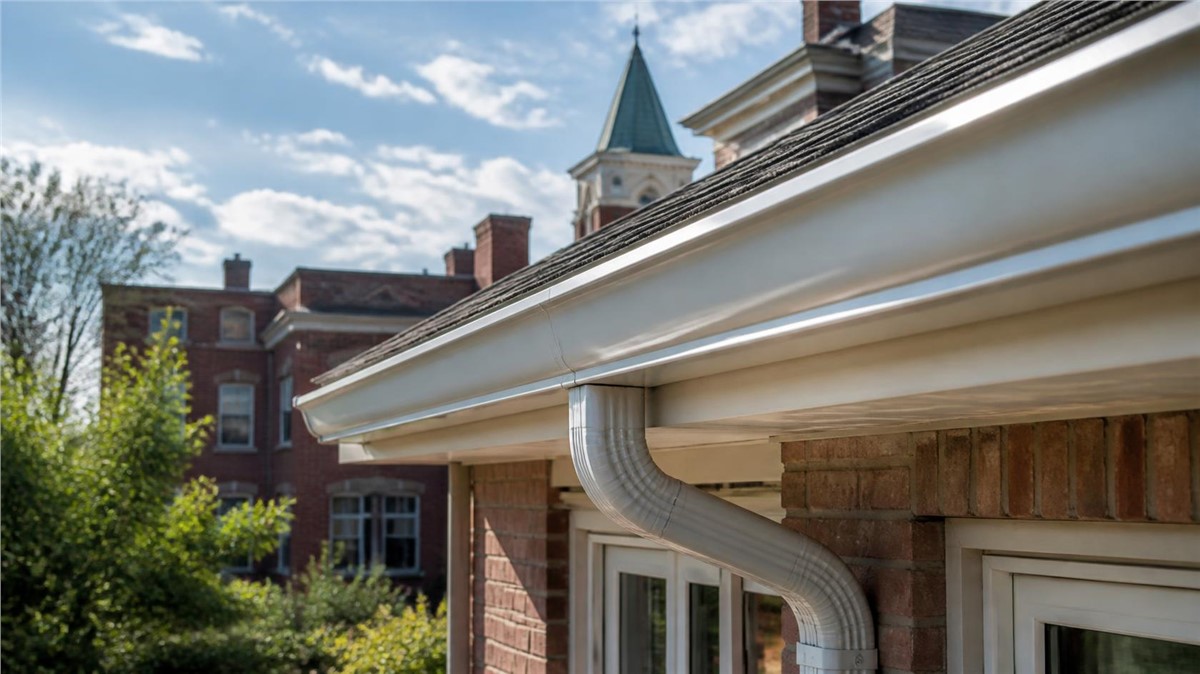
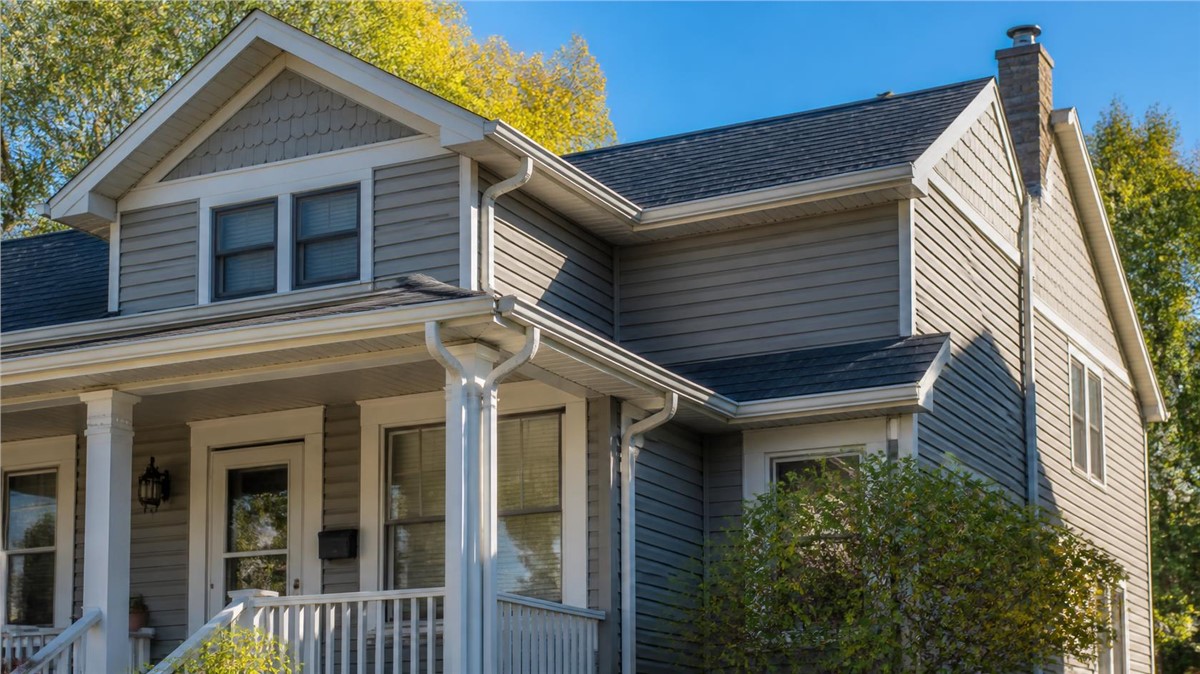
Gutters play a major role in winter roof protection. If gutters are clogged, sagging, leaking, or poorly pitched, water may back up near the roof edge and freeze.
Gutter issues can lead to:
- Ice dams
- Water behind gutters
- Fascia damage
- Soffit moisture
- Siding stains
- Foundation pooling
- Frozen downspouts
- Icicles near walkways
A roof inspection before winter should include gutters and downspouts because drainage problems often affect the roof edge.
Ice Dam Risks Can Be Identified Early
Ice dams form when snow melts on the roof and refreezes near the eaves. This can block water from draining properly and may allow moisture to back up under shingles.
Warning signs that may point to ice dam risk include:
- Poor attic ventilation
- Uneven roof snowmelt
- Past winter leaks
- Large icicles
- Clogged gutters
- Poor insulation
- Water stains near exterior walls
- Frozen gutter areas
A pre-winter inspection can help identify conditions that may increase the chance of ice dam problems.
Attic Moisture Should Not Be Ignored
The attic can reveal roof problems before they become visible inside the living space. Moisture in the attic may be connected to roof leaks, ventilation issues, insulation problems, or winter condensation.
A contractor may look for:
- Wet insulation
- Dark roof decking
- Frost marks
- Rusted nails
- Musty odors
- Water trails
- Mold or mildew concerns
- Poor airflow
Attic moisture can spread into insulation and framing, so it should be addressed before winter.
Roof Valleys Need Special Attention
Roof valleys carry a large amount of water during rain and snowmelt. If a valley has debris, damaged shingles, worn flashing, or poor drainage, leaks may develop during winter.
Valley concerns include:
- Leaves and debris
- Damaged valley flashing
- Loose shingles
- Ice buildup
- Water stains below valleys
- Uneven snowmelt
- Previous repair patches
Because valleys handle heavy water flow, they should be inspected before snow and ice arrive.
Roof Vents and Pipe Boots Can Leak
Roof vents, pipe boots, and other penetrations create openings through the roof. These areas need proper sealing to keep water out.
Before winter, check for:
- Cracked pipe boots
- Loose vent covers
- Damaged flashing
- Rusted metal
- Open gaps
- Missing fasteners
- Water stains below vents
- Deteriorated sealant
Small gaps around penetrations can create leaks during snowmelt or wind-driven rain.
Fascia and Soffit Should Be Reviewed
Fascia and soffit areas help protect the roof edge. When gutters overflow or ice builds up, fascia and soffit can become damaged.
Warning signs include:
- Soft fascia boards
- Peeling paint
- Loose soffit panels
- Water stains
- Sagging gutters
- Gaps near roof edges
- Pest entry points
- Dark streaks under eaves
If these areas are already weak, winter ice and snow can make the damage worse.
Siding and Windows Can Show Roof Drainage Problems
Roof issues do not always show up on the roof first. Sometimes the warning signs appear on siding, window trim, or interior walls.
Look for:
- Water stains below gutters
- Dark streaks on siding
- Moisture near windows
- Peeling paint indoors
- Soft trim
- Damp drywall
- Mold or mildew smells
- Stains near exterior walls
These signs may point to gutter overflow, roof edge damage, flashing issues, or ice dam concerns.
Pre-Winter Inspections Help Prevent Emergency Repairs
Emergency roof repairs during winter can be more difficult. Snow, ice, cold temperatures, wind, and limited daylight can affect safety and scheduling.
A pre-winter inspection helps homeowners:
- Find problems earlier
- Plan repairs before severe weather
- Reduce leak risks
- Avoid rushed decisions
- Protect attic insulation
- Improve drainage
- Prepare gutters
- Document roof condition
It is usually better to handle roof concerns before winter than wait for an active leak.
What Homeowners Can Check Safely
Homeowners can do a basic visual check before winter without climbing onto the roof.
From the ground, look for:
- Missing shingles
- Sagging gutters
- Loose downspouts
- Debris on the roof
- Large tree branches near the roof
- Stains on siding
- Damaged fascia
- Gutter overflow during rain
Inside the home, check ceilings, attic areas, exterior walls, and window areas for moisture signs.
What Should Be Included in a Roof Inspection?
A pre-winter roof inspection should review the full roofing system and related exterior areas.
A contractor may check:
- Shingles
- Ridge caps
- Flashing
- Roof valleys
- Pipe boots
- Roof vents
- Gutters and downspouts
- Fascia and soffit
- Attic ventilation
- Interior moisture signs
- Storm damage areas
The goal is to identify weak points before winter weather makes them worse.
Repair vs Replacement Before Winter
Not every roof problem means replacement is needed. Some issues can be repaired before winter if the roof is otherwise in good condition.
Repair may make sense if:
- Damage is isolated
- A few shingles are loose or missing
- One flashing area needs attention
- Gutters need adjustment
- Pipe boots need replacement
- No widespread moisture is present
Replacement may be better if:
- Leaks keep returning
- Shingles are failing across several areas
- Storm damage is widespread
- Decking is damaged
- The roof is near the end of its service life
- Repairs no longer last
A professional inspection can help determine the right next step.
Why Gutters and Downspouts Matter Before Winter
Gutters and downspouts should move water away from the roof and foundation. Before winter, they should be clear, secure, and properly draining.
A contractor may check:
- Debris buildup
- Downspout clogs
- Loose hangers
- Leaking seams
- Poor pitch
- Short extensions
- Water behind gutters
- Ice damage from previous winters
Good drainage helps reduce ice buildup, siding stains, fascia damage, and foundation pooling.
Why Ventilation Matters Before Winter
Roof ventilation helps manage attic temperature and moisture. Poor ventilation can contribute to moisture buildup, uneven roof snowmelt, and ice dam concerns.
Ventilation issues may show up as:
- Frost in the attic
- Musty odors
- Wet insulation
- Rusted nails
- Uneven snowmelt
- Large icicles
- Repeated winter leaks
Ventilation should be reviewed as part of a complete roof inspection.
Storm Damage Should Be Checked Before Snow Covers It
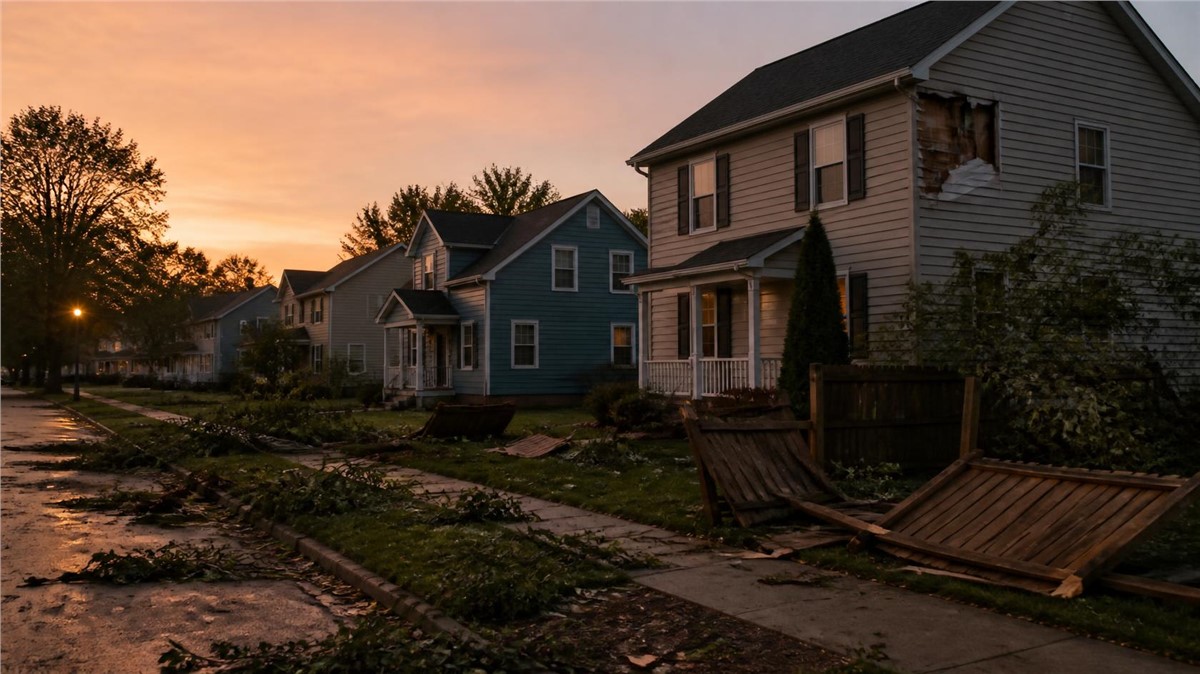
If the roof was affected by wind, hail, or heavy rain earlier in the year, damage may still be present before winter. Once snow covers the roof, those issues can be harder to see.
Storm damage may include:
- Missing shingles
- Lifted shingles
- Hail impact marks
- Granule loss
- Damaged vents
- Loose flashing
- Dented gutters
- Cracked siding
A fall inspection gives homeowners a chance to address storm damage before winter adds more stress.
Documentation Can Help Homeowners Stay Organized
A pre-winter inspection creates a helpful record of the roof’s condition. This can be useful for maintenance planning, future repairs, or insurance questions if storm damage is involved later.
Helpful documentation may include:
- Inspection photos
- Roof condition notes
- Repair recommendations
- Gutter condition
- Attic moisture findings
- Storm damage notes
- Completed repair records
- Warranty information
Keeping records helps homeowners track exterior maintenance over time.
Why a Full Exterior Inspection Helps
The roof does not work alone. Gutters, siding, windows, fascia, soffit, flashing, attic ventilation, and drainage all help protect the home from winter weather.
A full exterior inspection may include:
- Roofing and roof edges
- Gutters and downspouts
- Siding and trim
- Windows and doors
- Flashing
- Fascia and soffit
- Attic and interior moisture signs
- Foundation drainage
- Storm damage areas
Huskie Exteriors provides roofing, siding, window, gutter, and storm damage restoration services, helping homeowners evaluate the full exterior before winter.
Why Local Exterior Experience Matters
A local contractor understands how Wisconsin weather affects roofing systems. In Brookfield, WI, homes need roofing and exterior systems that can handle heavy rain, high winds, hail, snow, ice, humidity, and freeze-thaw cycles.
Local experience helps homeowners identify whether roof concerns are caused by aging shingles, storm damage, gutter problems, poor ventilation, flashing failure, ice dam risks, or hidden moisture.
Conclusion
Roof inspections matter before winter in Brookfield, WI because small roofing problems can become larger issues once snow, ice, freezing rain, and freeze-thaw cycles arrive. A pre-winter inspection can help identify missing shingles, loose flashing, gutter problems, attic moisture, roof edge damage, ice dam risks, and hidden leaks before severe weather makes repairs more difficult.
If your roof has missing shingles, damaged flashing, gutter problems, attic moisture, storm damage, or signs of aging before winter, Huskie Exteriors can inspect your exterior and recommend the right next step.
Contact Huskie Exteriors for professional roofing, siding, window, gutter, and storm damage services in Illinois and Wisconsin.
Subscribe to Huskie Exteriors's Blog




Comments