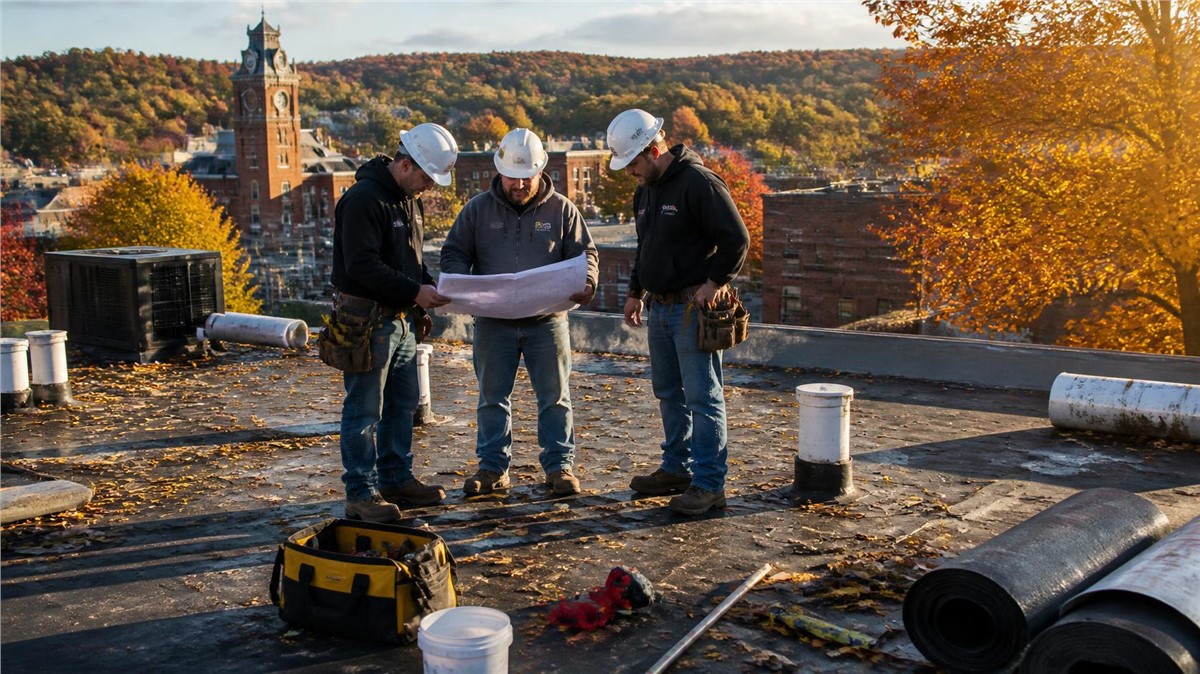
Winter can make commercial roof problems worse. Small leaks, drainage issues, open seams, damaged flashing, and wet insulation may become larger concerns once snow, ice, and freezing temperatures arrive. For commercial buildings, roof problems can affect tenants, employees, customers, equipment, inventory, and daily operations.
For property owners and managers in Bolingbrook, IL, planning commercial roof replacement before winter can help avoid emergency repairs during harsh weather. Heavy rain, wind, hail, snow, ice, and freeze-thaw cycles can all stress commercial roofing systems, especially flat and low-slope roofs.
This guide explains what to check, how to plan, and why timing matters before winter.
Why Plan Before Winter?
Commercial roof replacement takes planning. Materials, inspections, scheduling, access, weather conditions, tenant communication, and repair scope all need to be considered. Waiting until winter can make the process harder if snow, ice, cold temperatures, or active leaks interfere with work.
Planning before winter can help:
- Reduce emergency leak risks
- Improve scheduling options
- Identify hidden moisture
- Address drainage problems
- Protect tenants and operations
- Prepare for snow and ice
- Review budget needs
- Avoid rushed decisions
A fall inspection can help determine whether replacement should happen before winter or whether repairs can safely hold until a later season.
Signs a Commercial Roof May Need Replacement
Not every roof problem means replacement is needed. However, repeated leaks or widespread deterioration may show that repairs are no longer enough.
Replacement may be worth considering if you notice:
- Frequent leaks
- Ponding water
- Open seams
- Wet insulation
- Damaged flashing
- Large membrane cracks
- Blisters or soft areas
- Roof edge damage
- Aging materials
- Repeated repair needs
- Interior stains
- Poor drainage
If the same problems return after repairs, replacement may provide better long-term value.
Check for Active Leaks
Leaks should be addressed before winter because snow and ice can make water entry harder to control. Even small leaks can spread into insulation, ceiling materials, walls, and interior spaces.
Check for:
- Dripping water
- Stained ceiling tiles
- Damp insulation
- Musty odors
- Water near walls
- Moisture around rooftop equipment
- Leaks after heavy rain
- Leaks during snowmelt
Document leak locations and when they happen. This helps contractors identify the likely source.
Review Ponding Water Areas
Flat and low-slope commercial roofs rely on proper drainage. If water sits too long after rain, it can stress the roof system and increase leak risks.
Ponding water may be caused by:
- Clogged drains
- Blocked scuppers
- Low roof areas
- Compressed insulation
- Poor slope
- Debris buildup
- Damaged drainage paths
- Aging roof materials
Ponding becomes especially concerning before winter because standing water can freeze and add stress to the roof surface.
Inspect Roof Drains and Scuppers
Roof drains and scuppers should be checked before snow and ice arrive. If they are blocked, water may back up across the roof during rain or snowmelt.
Warning signs include:
- Debris around drains
- Slow drainage
- Water stains near scuppers
- Ice buildup from past winters
- Overflow at roof edges
- Ponding near drains
- Loose drain components
- Damaged strainers
Good drainage is one of the most important parts of commercial roof performance.
Check Gutters and Downspouts
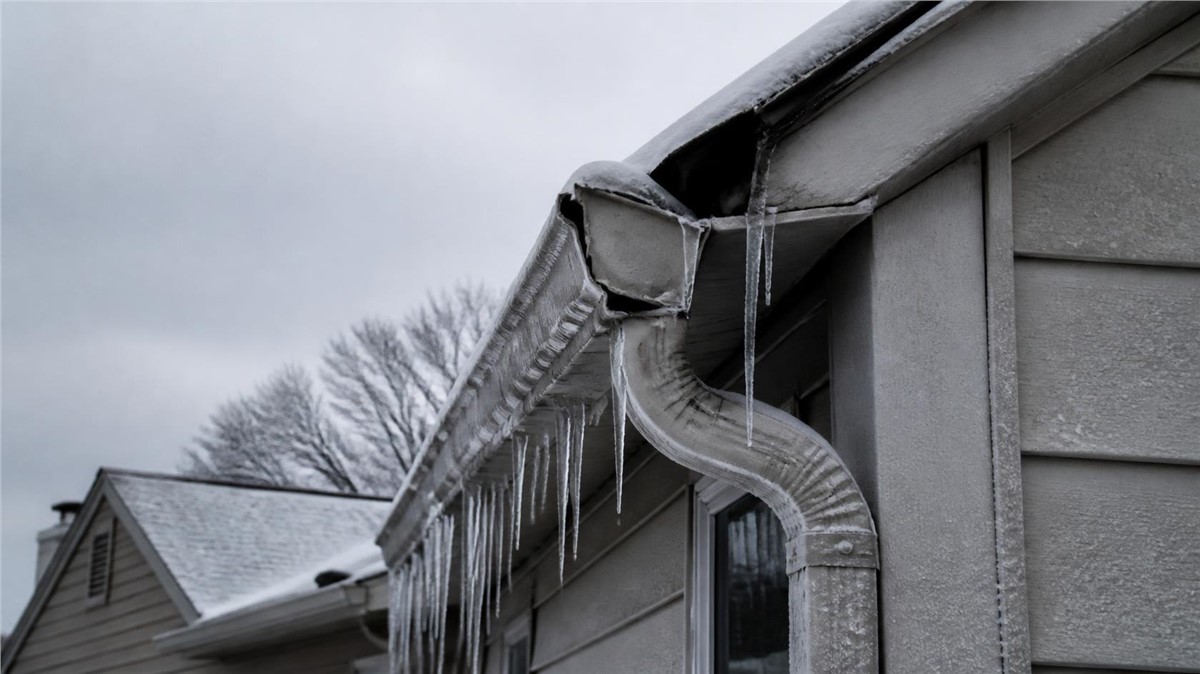
Some commercial buildings use gutters and downspouts along roof edges. If they are clogged, leaking, sagging, or poorly placed, water may damage the roof edge, siding, walkways, entrances, and foundation areas.
Check for:
- Clogged gutters
- Leaking seams
- Sagging sections
- Loose downspouts
- Water behind gutters
- Short downspout extensions
- Ice buildup
- Water near entrances or walkways
Drainage problems should be corrected before freezing weather creates ice hazards.
Inspect Flashing and Roof Edges
Flashing protects roof transitions, walls, curbs, penetrations, and edges. These areas are common leak sources on commercial roofs.
Important areas to inspect include:
- Wall transitions
- Roof edges
- Parapet walls
- HVAC curbs
- Pipe penetrations
- Skylights
- Vents
- Expansion joints
- Door thresholds on roof access points
Loose flashing, cracked sealant, open gaps, rust, or separated edges should be repaired or included in the replacement plan.
Review Rooftop Equipment
Commercial roofs often support HVAC units, vents, exhaust fans, pipes, and other equipment. These areas can create weak points where water enters.
Before winter, check around:
- HVAC curbs
- Pipe boots
- Exhaust vents
- Service platforms
- Conduit penetrations
- Condensate lines
- Roof hatches
- Equipment supports
If rooftop equipment has caused membrane damage or repeated leaks, the replacement plan should address those details.
Look for Wet Insulation
Wet insulation is a major concern on commercial roofs. Once insulation becomes wet, it can reduce performance, trap moisture, and spread damage.
Possible signs include:
- Soft roof areas
- Repeated leaks
- Musty odors
- Interior stains
- Higher heating demand
- Water trapped below membrane
- Ponding in the same area
- Moisture found during inspection
If wet insulation is present, a surface repair may not be enough. Replacement may need to include removing damaged materials.
Consider Snow and Ice Loads
Winter can add weight and stress to a commercial roof. Snow, ice, and frozen ponding water can affect weak areas, especially if drainage is poor.
Before winter, property owners should consider:
- Roof drainage
- Structural concerns
- Low areas where water freezes
- Existing leaks
- Roof age
- Wet insulation
- Roof edge conditions
- Ice buildup near drains and gutters
A professional inspection can help identify whether the roof is prepared for winter conditions.
Plan Around Business Operations
Commercial roof replacement should be planned with daily operations in mind. The project may affect employees, tenants, customers, parking areas, deliveries, entrances, and access points.
Planning should include:
- Tenant communication
- Work hours
- Safety zones
- Parking lot access
- Delivery routes
- Material staging
- Noise expectations
- Interior protection
- Cleanup schedule
Good planning helps reduce disruption and keeps the project organized.
Review the Replacement Scope
A commercial roof replacement estimate should clearly explain what is included. This helps property owners compare options and avoid confusion.
The scope may include:
- Roof tear-off
- Existing roof condition
- Insulation replacement
- Membrane type
- Flashing details
- Drainage improvements
- Roof edge work
- Rooftop equipment details
- Cleanup and disposal
- Warranty information
The estimate should also explain what may change if hidden damage is found.
Compare Commercial Roofing Materials
The best roofing system depends on the building type, slope, budget, drainage, rooftop equipment, maintenance goals, and warranty needs.
Commercial roof options may include:
- TPO roofing
- EPDM roofing
- Modified bitumen
- Metal roofing
- Coatings for qualified roofs
- Built-up roofing systems
Each option has different strengths. A contractor can help determine which system fits the building and local weather conditions.
Ask About Winter Installation Limits
Some roofing materials and adhesives have temperature requirements. Cold weather can affect installation conditions, scheduling, and product performance.
Before winter, ask:
- What temperature range is needed?
- What weather delays are possible?
- How will rain or snow affect scheduling?
- Are materials available now?
- How long will the project take?
- Can temporary protection be used if needed?
Understanding winter limits helps property owners avoid delays.
Review Warranty Details
Warranty coverage should be discussed before approving a commercial roof replacement. Different systems may include different warranty terms.
Ask about:
- Manufacturer warranty
- Workmanship warranty
- Warranty length
- What is covered
- What is excluded
- Maintenance requirements
- Transferability
- Registration requirements
Warranty details should be provided in writing.
Budget for Hidden Repairs
Some roof damage is not visible until old materials are removed. Commercial roof replacement planning should account for possible hidden issues.
Hidden repairs may include:
- Wet insulation
- Damaged decking
- Rotted wood blocking
- Damaged flashing
- Drainage corrections
- Roof edge repairs
- Wall transition repairs
- Structural concerns
A good estimate should explain how hidden damage will be documented and approved.
Prepare Interior Areas
Even exterior work can affect interior spaces. If the building has active leaks, ceiling stains, or sensitive areas, interior protection may be needed during replacement.
Property owners may need to protect:
- Office equipment
- Inventory
- Documents
- Electronics
- Tenant areas
- Production spaces
- Storage rooms
- Customer-facing areas
Planning ahead helps reduce disruption during the project.
Repair vs Replacement Before Winter
Some commercial roofs may only need targeted repairs before winter. Others may need replacement if the system is failing.
Repair may make sense if:
- Damage is isolated
- One seam is open
- Flashing damage is limited
- Drainage can be corrected
- No widespread wet insulation is present
- The roof is otherwise performing well
Replacement may be better if:
- Leaks keep returning
- Membrane damage is widespread
- Insulation is wet in several areas
- Ponding water is severe
- The roof is aging
- Repairs no longer last
- Storm damage affects large areas
A professional inspection can help determine the best option.
Insurance Considerations
If roof damage may be storm-related, property owners should contact their insurance provider to understand coverage, deductibles, deadlines, documentation requirements, and claim steps.
Helpful documentation may include:
- Storm date notes
- Photos of roof or exterior damage
- Interior leak photos
- Contractor inspection findings
- Temporary repair receipts
- Repair history
- Adjuster communication
Every policy is different, so claim guidance should come directly from the insurance provider.
What Should Be Included in a Commercial Roof Inspection?
A commercial roof inspection before winter should review the full roof system and related exterior areas.
A contractor may check:
- Roof surface
- Seams
- Flashing
- Roof drains
- Scuppers
- Gutters and downspouts
- Roof edges
- Parapet walls
- Rooftop equipment
- Ponding water areas
- Wet insulation concerns
- Interior moisture signs
This helps determine whether repair or replacement should happen before winter.
Why a Full Exterior Inspection Helps
Commercial roof problems can affect siding, windows, gutters, fascia, soffit, flashing, wall panels, trim, insulation, and interior areas. A full inspection helps identify related damage before winter.
A full exterior inspection may include:
- Commercial roofing
- Roof drainage
- Gutters and downspouts
- Siding or wall panels
- Windows and doors
- Flashing and trim
- Fascia and soffit
- Interior moisture signs
- Storm damage areas
- Site drainage
Huskie Exteriors provides roofing, siding, window, gutter, and storm damage restoration services, helping commercial property owners evaluate the full exterior system before winter.
Why Local Exterior Experience Matters
A local contractor understands how Illinois weather affects commercial roofs. In Bolingbrook, IL, commercial buildings need roof systems that can handle heavy rain, wind, hail, snow, ice, freezing temperatures, humidity, and freeze-thaw cycles.
Local experience helps property owners determine whether roof replacement is needed because of age, storm damage, ponding water, wet insulation, flashing failure, poor drainage, rooftop equipment leaks, or repeated repair problems.
Conclusion
Commercial roof replacement planning before winter in Bolingbrook, IL should include reviewing roof age, leaks, ponding water, drains, scuppers, gutters, flashing, roof edges, rooftop equipment, wet insulation, warranty details, scheduling, and business operations. Planning early can help reduce emergency repairs and prepare the building for winter weather.
If your commercial building has recurring leaks, drainage problems, storm damage, wet insulation concerns, aging roof materials, or exterior wear, Huskie Exteriors can inspect the property and recommend the right next step.
Contact Huskie Exteriors for professional roofing, siding, window, gutter, and storm damage services in Illinois and Wisconsin.
Subscribe to Huskie Exteriors's Blog



Comments