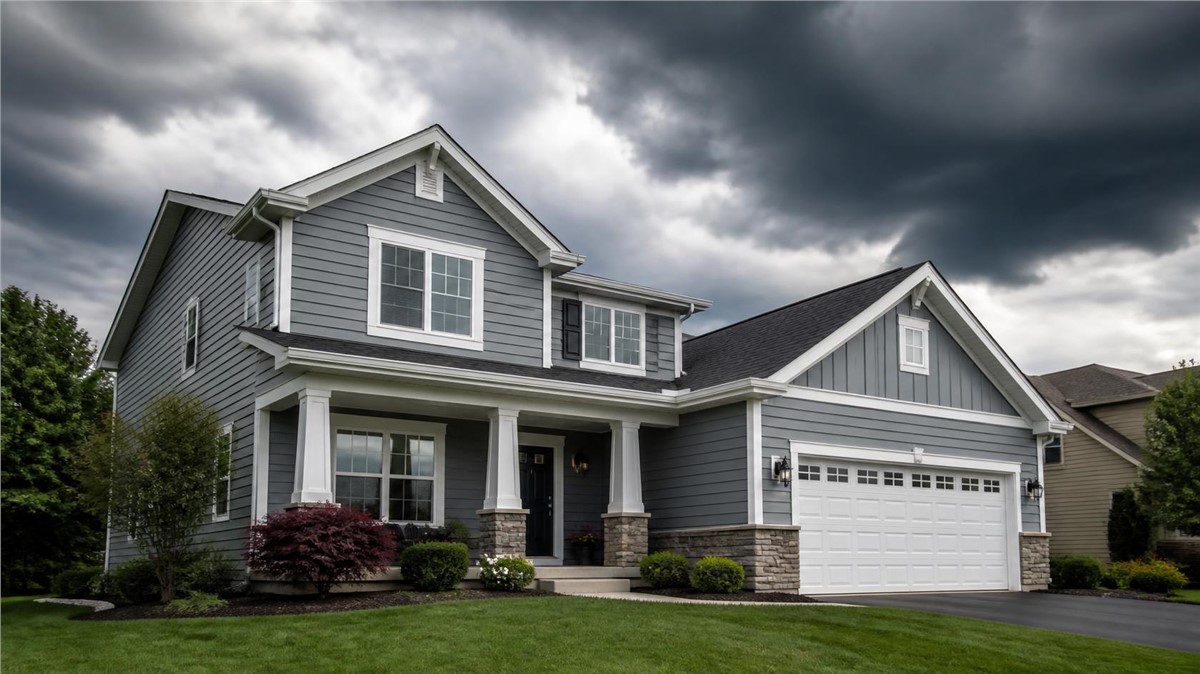
Siding is one of the most important parts of a home’s exterior. It is the outer layer that helps shield the walls from weather, moisture, debris, and everyday wear. When siding is in good condition, it helps the home look clean, stay protected, and handle changing seasons more effectively.
For homeowners in Woodridge, IL, siding has to stand up to Midwest weather. Wind, heavy rain, hail, snow, ice, humidity, heat, and freeze-thaw cycles can all affect the exterior over time. That is why siding should be inspected, maintained, repaired, or replaced when warning signs appear.
This guide explains how siding protects homes from weather and what homeowners should watch for.
Siding Helps Block Wind-Driven Rain
Heavy rain is already tough on a home, but wind-driven rain can be even more challenging. Wind can push water toward gaps, corners, seams, windows, doors, and trim areas.
Good siding helps protect against:
- Water reaching wall materials
- Rain entering around openings
- Moisture behind exterior panels
- Stains on interior walls
- Rot around trim
- Mold or mildew concerns
If siding is cracked, loose, or poorly sealed, wind-driven rain may find its way behind the exterior.
Siding Helps Protect Wall Materials
Behind siding, the home has sheathing, framing, insulation, and interior wall materials. Siding helps protect these materials by forming an outer weather barrier.
When siding fails, moisture may reach areas that are not meant to stay wet. Over time, this can lead to:
- Soft wall materials
- Damaged sheathing
- Wet insulation
- Interior stains
- Musty odors
- Peeling paint
- Higher repair needs
Siding is not only about appearance. It plays a major role in protecting the structure behind it.
Siding Helps Reduce Moisture Problems
Moisture is one of the biggest threats to any home exterior. Rain, snowmelt, humidity, clogged gutters, and poor drainage can all create water problems.
Siding helps manage moisture by:
- Covering exterior wall surfaces
- Directing water away from wall materials
- Working with flashing and trim
- Protecting areas around windows and doors
- Helping reduce direct exposure to rain and snow
However, siding must be installed correctly. If flashing, trim, or caulking fails, moisture can still enter around weak points.
Siding Protects Against Snow and Ice
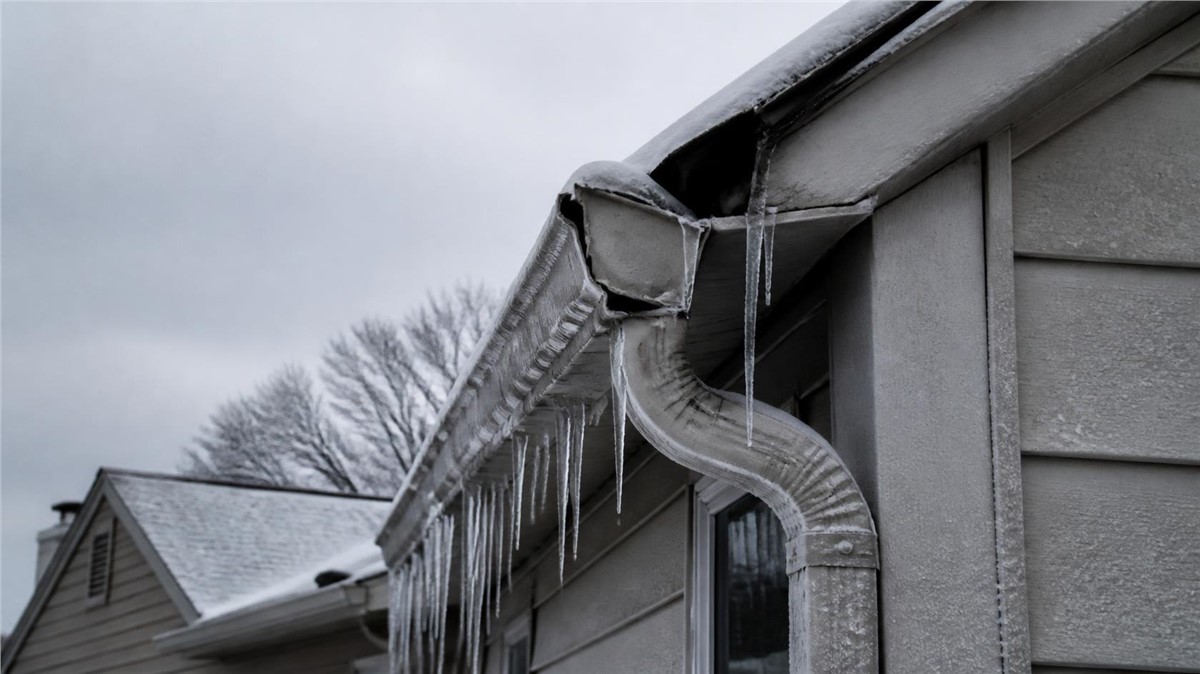
Woodridge homes experience winter weather that can stress exterior materials. Snow and ice may collect near walls, roof edges, gutters, window trim, and lower siding areas.
Siding helps protect against:
- Snow contact along exterior walls
- Ice near roof edges
- Moisture from melting snow
- Freeze-thaw expansion
- Winter wind exposure
- Water stains near lower walls
Freeze-thaw cycles can make small siding cracks or gaps worse, so winter damage should be checked before it spreads.
Siding Helps Resist Hail and Impact Damage
Hail can crack, dent, chip, or puncture siding. Flying debris from storms can also damage panels, trim, and corners.
Some siding materials are more impact-resistant than others, but no siding is completely storm-proof. After hail or strong wind, homeowners should check for:
- Cracked siding
- Holes or punctures
- Dented panels
- Broken corners
- Loose trim
- Water stains after storms
- Damage on one side of the home
Even small openings can allow water behind siding during the next rain.
Siding Helps Reduce Wind Damage Risk
Strong wind can loosen siding panels, pull trim away, or expose seams. If siding is already aging or poorly fastened, wind may make the problem worse.
Wind-related siding warning signs include:
- Rattling during storms
- Panels pulling away
- Gaps near corners
- Loose trim pieces
- Siding pieces in the yard
- Warped or lifted sections
- Open seams
Loose siding should be repaired before another storm pulls more material away.
Siding Helps Improve Energy Comfort
Siding is not the only part of home comfort, but it contributes to the exterior envelope. When siding is damaged or gaps are open, drafts and temperature changes may become more noticeable.
Good siding can help support:
- More consistent indoor comfort
- Less air movement through wall areas
- Better exterior protection
- Reduced cold spots near exterior walls
- Improved performance when paired with insulation and windows
If rooms feel drafty, siding, windows, attic insulation, and exterior sealing should all be reviewed together.
Siding Protects Against Sun Exposure
Sun exposure can fade, dry, or weaken siding over time. South- and west-facing walls may show wear faster because they receive more direct sunlight.
Sun-related siding concerns include:
- Fading
- Chalky surface texture
- Brittle panels
- Warping
- Uneven color
- Cracking
- Aging trim
Fading alone may be cosmetic, but fading combined with cracking or brittleness may mean the siding is losing performance.
Siding Helps Protect Around Windows and Doors
Windows and doors are common weak points in any exterior wall. Siding, trim, flashing, and caulking must work together to keep water out.
Homeowners should check around windows and doors for:
- Gaps around trim
- Water stains
- Soft trim
- Failed caulking
- Loose siding
- Fogging between panes
- Drafts
- Peeling paint indoors
If water is entering around a window or door, siding repair may need to include flashing or trim work.
Siding Works With Gutters
Gutters play a major role in protecting siding. When gutters are clogged, leaking, sagging, or overflowing, water can run down siding and create stains or moisture problems.
Gutter issues can cause:
- Stains below roof edges
- Mold or mildew growth
- Soft fascia
- Moisture behind siding
- Foundation pooling
- Basement moisture
- Ice buildup in winter
- Damage around windows
Before replacing siding, homeowners should make sure gutters and downspouts are working properly.
Siding Works With Roofing
Roofing and siding are connected. Water that starts at the roof edge can travel into fascia, soffit, siding, windows, or wall areas if the exterior system is not working properly.
Roof-related siding concerns may include:
- Water behind gutters
- Damaged drip edge
- Ice dams
- Leaks near roof-to-wall transitions
- Stains on upper siding
- Loose flashing
- Damaged fascia or soffit
If siding damage appears near the roofline, the roof edge and gutters should also be checked.
Siding Helps Maintain Curb Appeal
Weather protection is the main purpose of siding, but appearance also matters. Siding covers a large part of the exterior, so it has a big impact on curb appeal.
Good siding can improve:
- Exterior color
- Home style
- Trim contrast
- Street view
- Property presentation
- Overall first impression
Cracked, faded, loose, or stained siding can make a home look older and less maintained.
Common Signs Siding Is Not Protecting Properly
Siding should be inspected when it starts showing signs of wear or damage.
Common warning signs include:
- Cracked panels
- Loose siding
- Warped sections
- Water stains
- Mold or mildew growth
- Soft trim
- Interior wall stains
- Peeling paint
- Holes or punctures
- Repeated repairs
- Drafts near exterior walls
These signs may point to surface damage, hidden moisture, or installation issues.
When Siding Repair Makes Sense
Siding repair may be enough when damage is limited and the rest of the siding is still in good shape.
Repair may make sense if:
- A few panels are cracked
- One area is loose
- Matching material is available
- No hidden moisture is present
- Trim is still solid
- Damage is isolated after a storm
Small repairs can help extend the life of the siding when the overall system is still performing well.
When Siding Replacement May Be Better
Replacement may be more practical when damage is widespread or the siding no longer protects the home properly.
Replacement may be better if:
- Siding is cracked throughout
- Panels are brittle
- Moisture is behind the siding
- Repairs would not match
- Siding is warped in many areas
- Storm damage affects several walls
- Maintenance needs keep increasing
- The exterior looks outdated
A full siding replacement can improve protection, appearance, and long-term exterior performance.
Siding Material Options for Weather Protection
Different siding materials offer different benefits. The best choice depends on budget, appearance, maintenance goals, and local weather exposure.
Common siding options include:
- Vinyl siding
- Insulated vinyl siding
- Fiber cement siding
- Engineered wood siding
- Composite siding
- Metal siding
- Shake or board-and-batten accents
A contractor can help homeowners compare which option makes the most sense for their home.
Why Installation Quality Matters
Even strong siding can fail if it is not installed correctly. Proper installation helps siding manage movement, drainage, moisture, and weather exposure.
Good installation should include attention to:
- House wrap or moisture barrier
- Flashing
- Trim transitions
- Window and door details
- Fastener placement
- Panel spacing
- Corner posts
- Caulking where needed
- Manufacturer guidelines
The product matters, but the installation matters just as much.
Maintenance Helps Siding Last Longer
Regular siding maintenance can help homeowners catch small issues before they become expensive repairs.
Helpful maintenance steps include:
- Inspect siding after storms
- Keep gutters clean
- Wash dirt and mildew buildup
- Check caulking around openings
- Look for loose panels
- Watch for water stains
- Trim branches away from siding
- Check lower siding after snowmelt
Simple maintenance helps siding continue protecting the home through every season.
What Should Be Included in a Siding Inspection?
A siding inspection should look at both the siding and the connected exterior systems.
A contractor may check:
- Siding panels
- Trim and corners
- Windows and doors
- Flashing
- Caulking
- Gutters and downspouts
- Fascia and soffit
- Roof edges
- Moisture signs
- Storm damage areas
- Foundation drainage
This helps identify whether siding problems are isolated or connected to a larger exterior issue.
Why a Full Exterior Inspection Helps
Siding protects the home best when the full exterior system is working correctly. Roofing, gutters, windows, flashing, fascia, soffit, trim, and drainage all affect how weather impacts the home.
A full exterior inspection may include:
- Siding
- Roofing and roof edges
- Gutters and downspouts
- Windows and trim
- Flashing
- Fascia and soffit
- Interior moisture signs
- Storm damage areas
- Foundation drainage
Huskie Exteriors provides roofing, siding, window, gutter, and storm damage restoration services, helping homeowners evaluate the full exterior system.
Why Local Exterior Experience Matters
A local contractor understands how Illinois weather affects home exteriors. In Woodridge, IL, siding must handle wind, hail, heavy rain, snow, ice, humidity, heat, sun exposure, and freeze-thaw cycles.
Local experience helps homeowners determine whether siding problems are caused by age, storm damage, moisture, poor drainage, failed flashing, window issues, or worn materials.
Conclusion
Siding protects homes in Woodridge, IL from weather by helping block rain, wind, snow, ice, moisture, sun exposure, and temperature changes. It also works with roofing, gutters, windows, flashing, fascia, soffit, trim, and drainage to protect the full exterior system.
If your siding is cracked, loose, warped, faded, storm-damaged, moisture-affected, or no longer protecting your home properly, Huskie Exteriors can inspect your exterior and recommend the right next step.
Contact Huskie Exteriors for professional roofing, siding, window, gutter, and storm damage services in Illinois and Wisconsin.
Subscribe to Huskie Exteriors's Blog





Comments