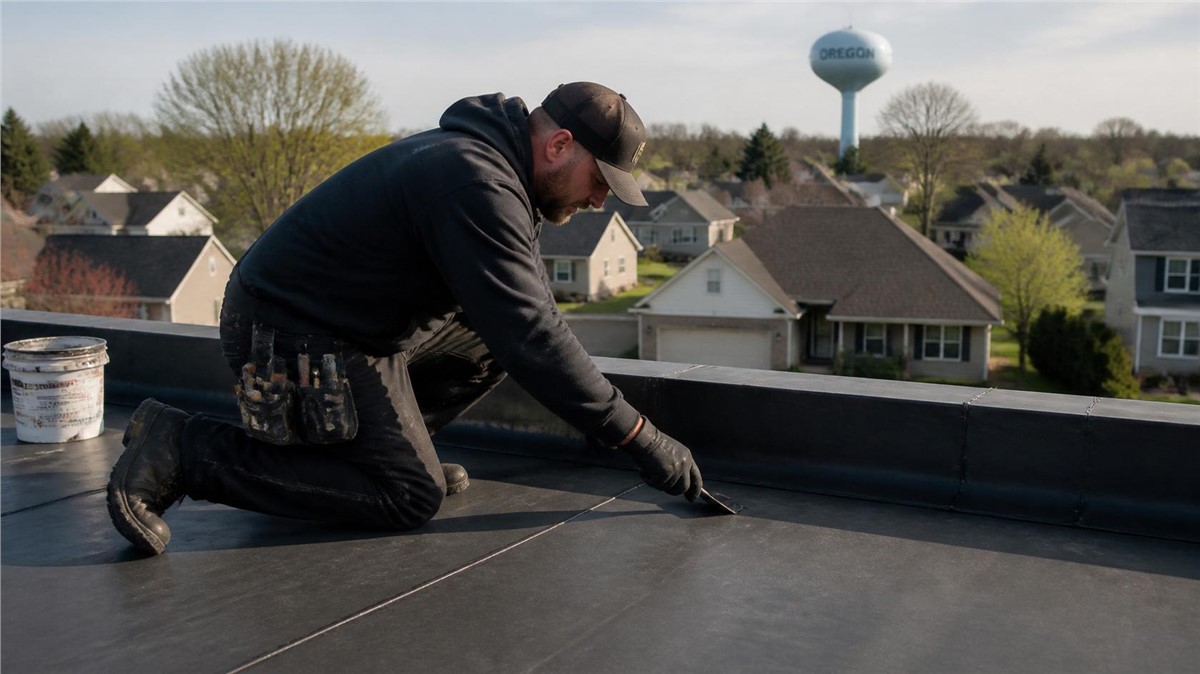
Flat and low-slope roofs are common on commercial buildings, offices, retail spaces, warehouses, apartments, and some residential additions. While these roofs are designed to handle weather, they need regular maintenance to perform well.
For property owners in Oregon, WI, flat roof maintenance is especially important because Wisconsin weather can bring heavy rain, snow, ice, hail, wind, and freeze-thaw cycles. These conditions can stress roof membranes, seams, flashing, drains, gutters, and rooftop equipment areas.
The good news is that many costly repairs can be reduced with consistent maintenance and early attention to small problems.
Why Flat Roof Maintenance Matters
Flat roofs do not shed water the same way steep-slope roofs do. Because of the lower slope, drainage must work properly to prevent standing water and moisture problems.
Maintenance helps identify:
- Ponding water
- Open seams
- Punctures
- Cracks
- Loose flashing
- Clogged drains
- Damaged roof edges
- Wet insulation
- Rooftop equipment leaks
- Storm damage
A small issue on a flat roof can spread quickly if water sits on the surface or enters the roof system.
Schedule Routine Roof Inspections
Routine inspections are one of the best ways to reduce flat roof repair costs. A professional inspection can catch damage before it turns into a larger leak.
Flat roofs should be checked:
- After severe storms
- Before winter
- After winter
- After high winds
- After hail
- When leaks appear indoors
- When ponding water is visible
- Before major tenant or business changes
Commercial property owners should keep inspection records for maintenance planning and future reference.
Watch for Ponding Water
Ponding water is one of the most common flat roof problems. It happens when water remains on the roof instead of draining properly.
Ponding water can lead to:
- Membrane wear
- Seam stress
- Algae growth
- Ice buildup
- Roof deck strain
- Insulation damage
- Leaks near low areas
If water stays on the roof long after a storm, the drainage system should be inspected. Drainage improvements may help reduce future repair costs.
Keep Drains, Scuppers, and Gutters Clear
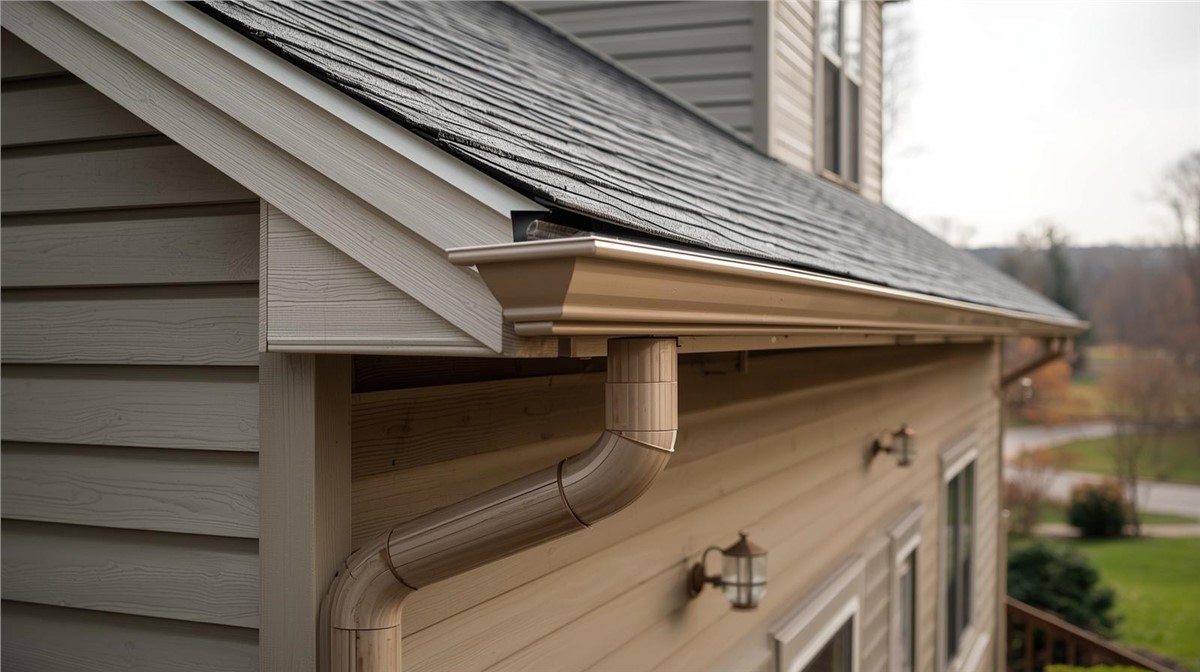
Drainage is critical for flat roof performance. When drains, scuppers, gutters, or downspouts are clogged, water can back up and sit on the roof.
Common blockage sources include:
- Leaves
- Sticks
- Dirt
- Roof granules
- Packaging debris
- Ice
- Bird nests
- Storm debris
Blocked drainage can lead to leaks, ponding water, roof edge damage, and interior moisture problems. Regular cleaning helps keep water moving away from the building.
Remove Debris from the Roof Surface
Debris can damage flat roofs over time. Branches, sharp objects, loose fasteners, and heavy debris may puncture or wear down the membrane.
Debris can also trap moisture against the roof surface.
Property owners should watch for:
- Branches
- Leaves
- Trash
- Loose metal pieces
- Old repair materials
- Windblown debris
- Standing dirt or sediment
Debris should be removed safely. Do not drag sharp objects across the roof membrane.
Inspect Seams and Membrane Areas
Flat roof systems often rely on seams, adhesives, welds, coatings, or fasteners. These areas should be checked because they can become weak points over time.
Potential concerns include:
- Open seams
- Wrinkles
- Blisters
- Cracks
- Soft spots
- Punctures
- Surface wear
- Loose membrane areas
- Previous repair patches
Small membrane issues are often easier and less expensive to repair when found early.
Check Flashing and Roof Edges
Flashing protects roof transitions, walls, curbs, penetrations, and edges. Many commercial roof leaks begin around flashing, not in the middle of the roof.
Important flashing areas include:
- Parapet walls
- Roof edges
- Wall transitions
- HVAC curbs
- Vent pipes
- Roof hatches
- Skylights
- Drains and scuppers
- Expansion joints
Loose, cracked, or missing flashing should be repaired quickly to reduce water intrusion risk.
Review Rooftop Equipment Areas
Many flat roofs have rooftop equipment such as HVAC units, vents, pipes, access hatches, and utility penetrations. These areas require careful maintenance because they create openings in the roof system.
Problems may include:
- Loose flashing around curbs
- Cracked sealant
- Water pooling around equipment
- Damaged panels
- Rusted components
- Foot traffic wear
- Loose fasteners
- Condensation issues
If service crews access rooftop equipment regularly, the walking paths and surrounding roof areas should be checked for damage.
Limit Unnecessary Foot Traffic
Flat roofs may seem easy to walk on, but foot traffic can damage the membrane, especially near equipment or during maintenance work.
Foot traffic can cause:
- Punctures
- Scuffs
- Soft spots
- Crushed insulation
- Loose seams
- Damage around roof penetrations
Property owners should limit roof access to trained professionals and consider designated walk pads in areas with frequent equipment service.
Address Small Leaks Quickly
A small leak should not be ignored. Water can travel through insulation, decking, walls, and ceiling systems before becoming visible inside the building.
Warning signs include:
- Ceiling stains
- Wet ceiling tiles
- Damp insulation
- Musty odors
- Bubbling paint
- Water near walls
- Puddles after rain
- Interior mold concerns
Early leak repair can help reduce damage to insulation, drywall, flooring, inventory, equipment, and tenant spaces.
Inspect After Storms
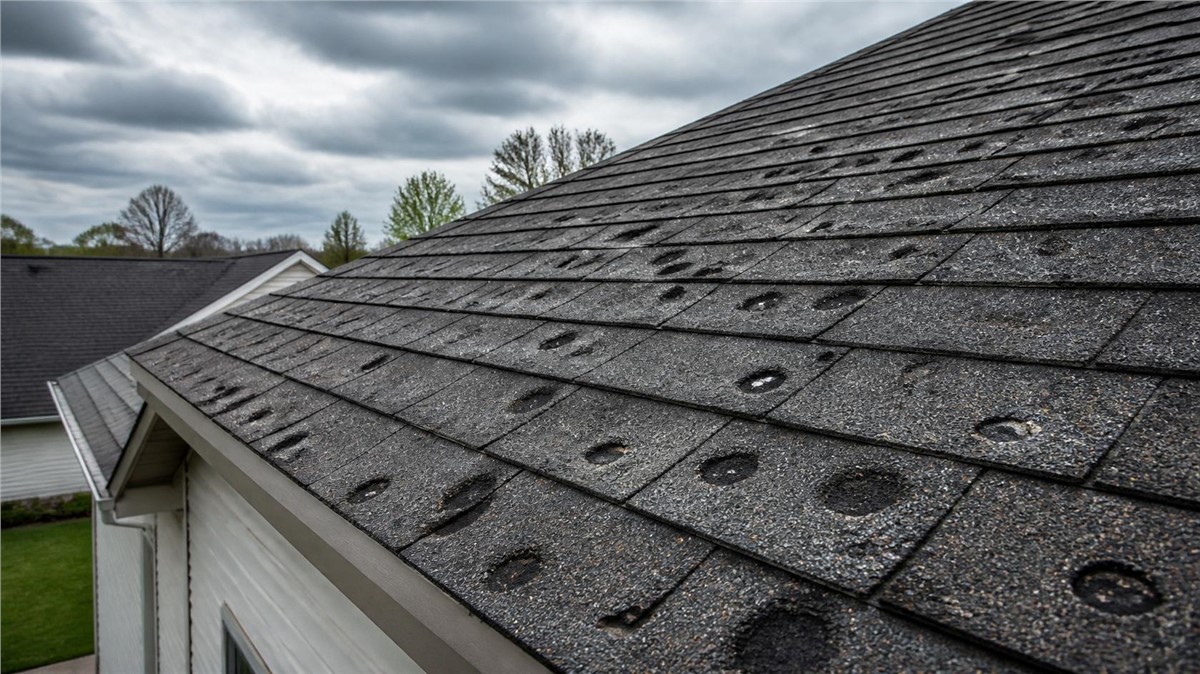
Oregon, WI properties can be affected by hail, wind, heavy rain, snow, and ice. After severe weather, flat roofs should be inspected for new damage.
Storm-related flat roof concerns include:
- Punctures
- Open seams
- Lifted edges
- Damaged flashing
- Hail impact marks
- Dented vents
- Clogged drains
- Debris buildup
- Loose gutters
- Interior water stains
If hail or wind damaged the roof, siding, gutters, windows, fascia, soffit, and trim should also be inspected.
Prepare Before Winter
Winter can be hard on flat roofs. Snow, ice, freeze-thaw cycles, and blocked drains can create added stress.
Before winter, check:
- Roof drains
- Scuppers
- Gutters
- Downspouts
- Roof edges
- Flashing
- Existing leak areas
- Membrane condition
- Rooftop equipment curbs
Preparing before winter can help reduce emergency repairs during freezing conditions.
Check After Winter
Spring inspections are also important. Snow, ice, and freeze-thaw cycles can weaken seams, flashing, roof edges, and drainage areas.
After winter, look for:
- Ponding water
- New ceiling stains
- Open seams
- Loose flashing
- Damaged gutters
- Ice-related roof edge wear
- Debris buildup
- Soft spots
Spring maintenance gives property owners time to plan repairs before heavy summer storms.
Keep Maintenance Records
Maintenance records can help property owners track roof condition over time. This is especially useful for commercial buildings, apartments, offices, and managed properties.
Helpful records include:
- Inspection dates
- Photos
- Repair notes
- Leak locations
- Storm dates
- Drain cleaning records
- Warranty documents
- Contractor recommendations
Good records make it easier to budget for repairs and plan future replacement.
Repair vs Replacement
Flat roof repair may be enough when damage is limited and the roof is still performing well overall.
Repair may make sense if:
- One seam is open
- One flashing area is leaking
- One drain needs attention
- Damage is isolated
- No widespread wet insulation is found
Replacement may be better if:
- Leaks keep returning
- Ponding water is frequent
- Wet insulation is widespread
- The roof is near the end of its life
- Storm damage affects multiple areas
- Repairs are becoming frequent
A professional inspection can help determine the most practical option.
How Maintenance Helps Reduce Repair Costs
Flat roof maintenance helps reduce repair costs by finding problems early. A clogged drain, small puncture, loose flashing area, or minor seam issue is usually easier to address before water spreads into the building.
Maintenance can help reduce costs by:
- Preventing water buildup
- Reducing leak risk
- Extending roof performance
- Protecting insulation
- Reducing interior damage
- Catching storm damage early
- Helping plan repairs before emergencies
- Supporting long-term budgeting
Ignoring maintenance often leads to larger repairs later.
Why a Full Exterior Inspection Helps
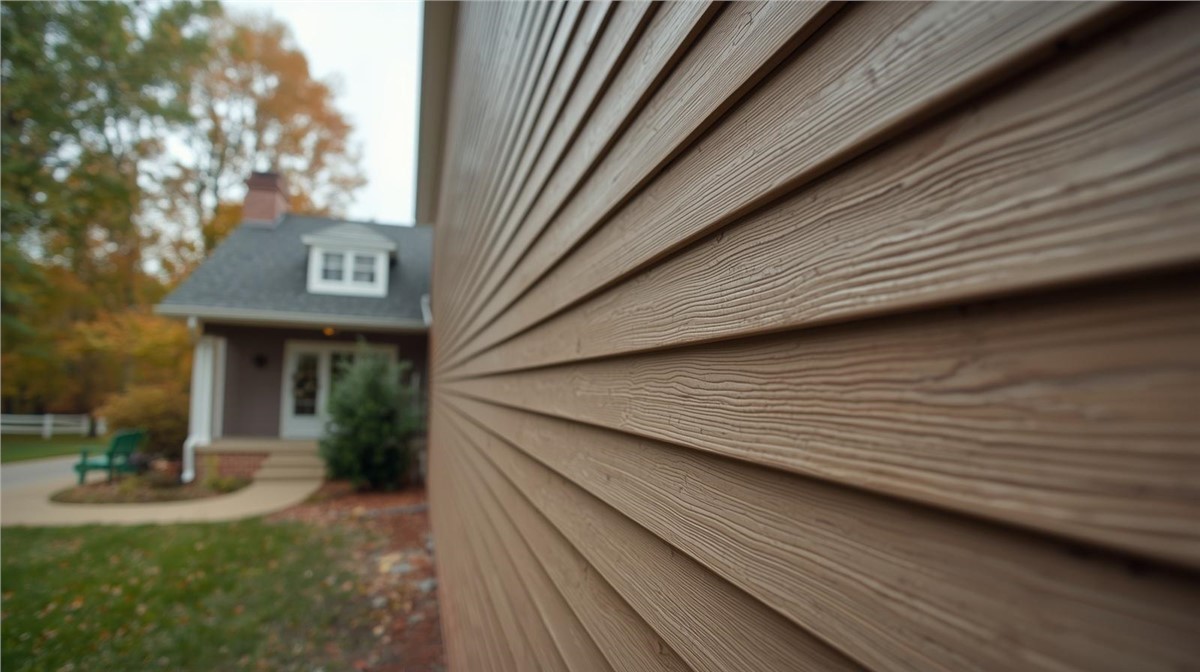
Flat roof problems are often connected to the full exterior system. Gutters, downspouts, siding, windows, flashing, fascia, soffit, trim, and drainage all affect how water moves around a building.
A full exterior inspection may include:
- Flat roofing
- Roof drains and scuppers
- Gutters and downspouts
- Siding or wall panels
- Windows and doors
- Flashing
- Fascia and soffit
- Interior moisture signs
- Storm damage areas
Huskie Exteriors provides roofing, siding, window, gutter, and storm damage restoration services, helping property owners evaluate the full exterior system.
Why Local Exterior Experience Matters
A local contractor understands how Wisconsin weather affects flat roofs. In Oregon, WI, commercial and residential buildings need roofing systems that can handle heavy rain, hail, snow, ice, wind, humidity, and freeze-thaw cycles.
Local experience helps property owners understand whether roof issues are caused by drainage problems, storm damage, membrane wear, flashing failure, rooftop equipment, aging materials, or hidden moisture.
Conclusion
Flat roof maintenance in Oregon, WI helps reduce repair costs by catching problems early and keeping drainage, seams, flashing, roof edges, and rooftop equipment areas in good condition. Regular inspections, debris removal, drain cleaning, and prompt repairs can help protect the building from leaks and costly water damage.
If your flat roof has ponding water, leaks, storm damage, clogged drains, open seams, or signs of wear, Huskie Exteriors can inspect the property and recommend the right next step.
Contact Huskie Exteriors for professional roofing, siding, window, gutter, and storm damage services in Illinois and Wisconsin.
Subscribe to Huskie Exteriors's Blog





Comments