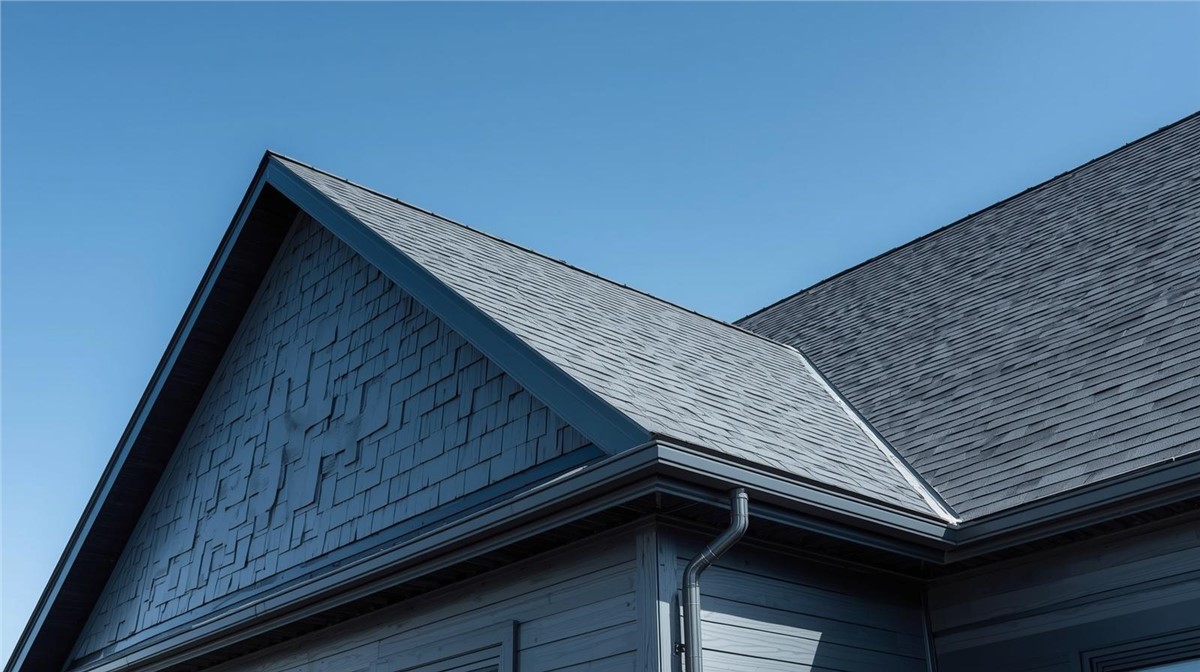
When your roof is leaking, missing shingles, or showing signs of storm damage, one of the first questions is usually: how long will the repair take?
For homeowners in Pewaukee, WI, the roof repair timeline can vary depending on the problem. A few missing shingles may be simpler to fix than a leak around flashing, hail damage across multiple roof slopes, or moisture damage that has reached the decking or attic.
Wisconsin weather can also affect scheduling. Heavy rain, snow, ice, wind, hail, and freeze-thaw cycles may delay repairs or make certain work unsafe until conditions improve.
This guide explains the typical roof repair process and what can affect the timeline from inspection to completion.
Step 1: Noticing the Roof Problem
The process usually starts when the homeowner notices a sign of roof damage. Some issues are obvious, while others are easy to miss.
Common warning signs include:
- Missing shingles
- Shingles in the yard
- Ceiling stains
- Active leaks
- Granules in gutters
- Lifted shingles
- Damaged flashing
- Dented roof vents
- Water stains in the attic
- Gutters pulling away
- Storm debris near the roof
If you notice a leak or storm damage, it is important to act quickly. Waiting can allow water to spread into insulation, drywall, framing, or interior finishes.
Step 2: Scheduling a Roof Inspection
The next step is scheduling a professional roof inspection. A contractor can check the roof system safely and look for visible and hidden damage.
A roof inspection may include:
- Shingles
- Ridge caps
- Flashing
- Pipe boots
- Roof vents
- Valleys
- Gutters
- Fascia and soffit
- Attic moisture signs
- Interior water stains
For urgent leaks, inspection scheduling may be prioritized depending on weather, safety, and contractor availability.
Step 3: Reviewing the Damage
After the inspection, the contractor should explain what was found and whether roof repair or replacement is recommended.
Inspection findings may identify:
- Isolated shingle damage
- Wind-lifted shingles
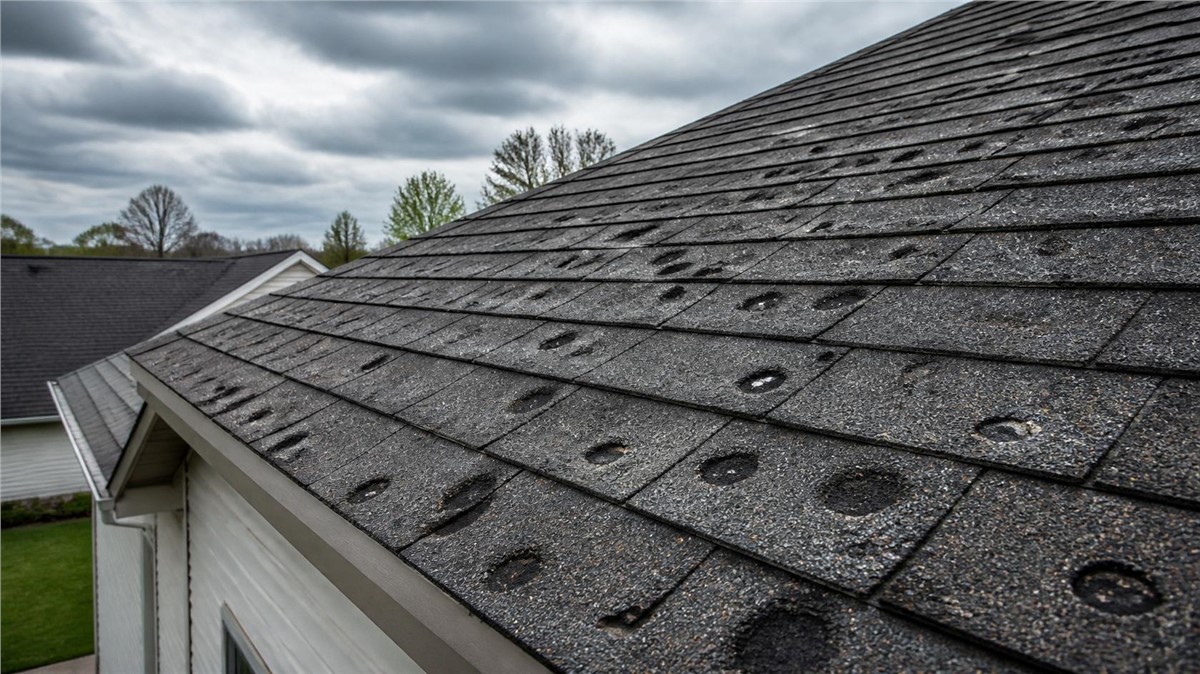
- Hail impact marks
- Damaged flashing
- Failed vent boots
- Soft decking
- Poor ventilation
- Ice-related roof edge damage
- Water intrusion around roof penetrations
The timeline depends heavily on how severe the damage is. A small repair may be straightforward, while widespread damage may require more planning.
Step 4: Preparing the Estimate
Once the damage is reviewed, the contractor prepares a repair estimate. A good roof repair estimate should clearly explain the scope of work.
The estimate may include:
- Repair area
- Materials needed
- Labor details
- Flashing or vent repairs
- Decking concerns
- Cleanup expectations
- Timeline
- Warranty information
- Cost factors
A clear estimate helps homeowners understand what will be repaired and what may affect timing.
Step 5: Approving the Repair Scope
After reviewing the estimate, the homeowner approves the repair scope. The project can then move into scheduling and material planning.
Before approving, homeowners should ask:
- What damage was found?
- Is this a repair or replacement issue?
- Are materials available?
- Will flashing be replaced?
- What happens if hidden damage is found?
- How long should the repair take?
- Will weather affect the schedule?
Clear communication helps avoid surprises once work begins.
Step 6: Ordering or Matching Materials
Some roof repairs can be completed with commonly available materials. Others may take longer if the shingles, flashing, vents, or specialty materials need to be ordered or matched.
Material timing may be affected by:
- Shingle color
- Shingle profile
- Product availability
- Discontinued materials
- Specialty vents
- Flashing type
- Storm demand in the area
If the existing shingles are older or faded, matching can be more difficult. In some cases, the repair may be visible even when the correct product is used.
Step 7: Scheduling the Repair
Once materials and scope are ready, the repair is scheduled. Smaller repairs may be completed in a shorter window, while larger repairs may need more time.
Scheduling can depend on:
- Weather forecast
- Roof condition
- Crew availability
- Material delivery
- Home access
- Safety conditions
- Urgency of the leak
- Insurance claim requirements
In Pewaukee, snow, ice, heavy rain, and high wind can affect when roof work can safely be completed.
Step 8: Completing the Roof Repair
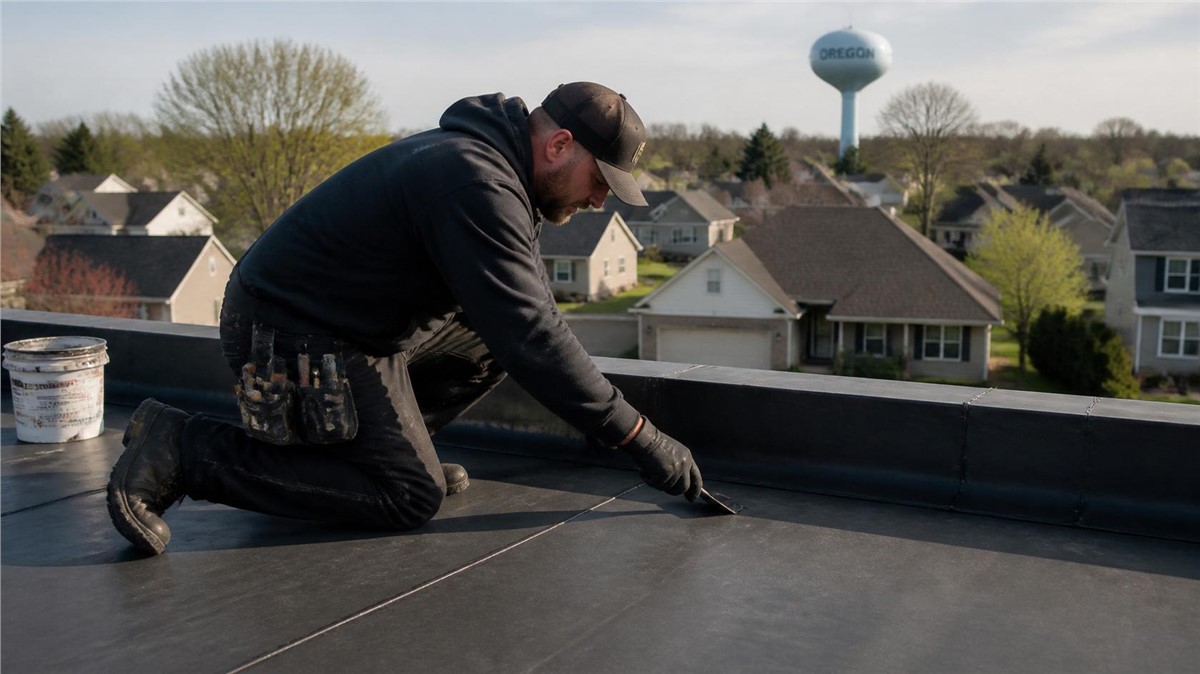
The actual repair time depends on the type of work. Some repairs may be completed the same day once work begins, while others may take longer.
Common repair work may include:
- Replacing missing shingles
- Repairing lifted shingles
- Fixing flashing
- Replacing vent boots
- Repairing roof vents
- Addressing ridge cap damage
- Repairing small leak areas
- Replacing damaged decking sections
- Sealing vulnerable transitions
If hidden damage is found after materials are removed, the timeline may change.
Small Roof Repairs
Small roof repairs are often the fastest. These may include a few missing shingles, a small vent boot repair, minor flashing work, or isolated wind damage.
Small repairs may be quicker when:
- Damage is easy to access
- Materials are available
- No decking damage is present
- Weather is clear
- The roof is safe to work on
- No insurance claim is involved
Even small repairs should be completed carefully. A rushed repair around flashing, valleys, or roof edges can lead to future leaks.
Leak Repairs
Leak repairs can take longer because the source of the leak is not always directly above the water stain. Water can travel along rafters, insulation, decking, and wall cavities before appearing indoors.
Leak investigation may involve:
- Roof inspection
- Attic inspection
- Flashing review
- Vent and pipe boot check
- Valley inspection
- Interior moisture review
- Water path tracing
A leak repair timeline depends on how easy it is to find the source and whether moisture damage is present.
Storm Damage Repairs
Storm damage repairs may take longer than basic repairs, especially after hail, wind, or severe weather affects many homes in the area.
Storm repairs may involve:
- Roof inspection
- Gutter inspection
- Siding inspection
- Window and screen review
- Damage documentation
- Insurance communication
- Material matching
- Repair scheduling
If hail or wind damaged the roof, gutters, siding, windows, fascia, soffit, and trim should also be checked.
Insurance-Related Roof Repairs
If the repair is connected to an insurance claim, the timeline may include extra steps. Every insurance policy and claim is different, so homeowners should follow the process explained by their provider.
Insurance-related timelines may include:
- Damage documentation
- Contractor inspection
- Insurance claim filing
- Adjuster appointment
- Claim review
- Scope approval
- Repair scheduling
- Final documentation
The repair itself may be simple, but the claim process can add time before work is approved.
Weather Delays
Weather is one of the biggest timeline factors for roof repair in Pewaukee. Roofing work must be completed in safe and appropriate conditions.
Weather delays may happen because of:
- Heavy rain
- Snow
- Ice
- High wind
- Lightning
- Extreme cold
- Unsafe roof surfaces
- Poor visibility
A contractor may wait for safer conditions to protect the crew, the home, and the quality of the repair.
Hidden Damage Can Extend the Timeline
Some roof problems are not fully visible until damaged materials are removed. Hidden issues can change the repair timeline and scope.
Hidden damage may include:
- Soft decking
- Rotted wood
- Wet insulation
- Mold or mildew
- Poor previous repairs
- Damaged underlayment
- Ventilation problems
- Ice damage near roof edges
If hidden damage is found, the contractor should explain the issue and what needs to happen before the repair continues.
Roof Access and Complexity
Some roofs are easier to repair than others. Roof access can affect how long the job takes.
Timeline may be affected by:
- Roof height
- Roof pitch
- Landscaping near the home
- Decks or patios
- Tight side yards
- Multiple roof sections
- Valleys and dormers
- Chimneys or skylights
- Limited driveway access
More complex roof areas usually require more care and time.
Cleanup and Final Review
After the repair is finished, cleanup and final review should be completed. This helps make sure the work area is safe and the repair was completed properly.
Cleanup may include:
- Removing old shingles
- Removing packaging
- Cleaning debris
- Magnetic nail cleanup
- Checking gutters if needed
- Final walkthrough
- Reviewing repair details
Homeowners should keep records of the completed repair for future maintenance or insurance documentation.
How to Help the Process Move Smoothly
Homeowners can help avoid delays by preparing for the inspection and repair.
Helpful steps include:
- Take photos of visible damage
- Note when the issue appeared
- Share leak locations
- Clear driveway access if needed
- Move vehicles away from work areas
- Keep pets and children away from repair zones
- Ask questions before approving the estimate
- Save all repair documents
Good communication helps the repair process stay organized.
Repair vs Replacement
During the roof repair process, the contractor may determine that replacement is a better option if damage is widespread.
Repair may make sense if:
- Damage is isolated
- Only a few shingles are missing
- One flashing area is leaking
- One vent boot is damaged
- No major moisture damage is found
Replacement may be better if:
- Leaks keep returning
- Shingles are worn throughout
- Storm damage affects multiple slopes
- Granule loss is heavy
- Decking damage is widespread
- Repairs are becoming frequent
A professional inspection helps homeowners choose the right next step.
Why a Full Exterior Inspection Helps
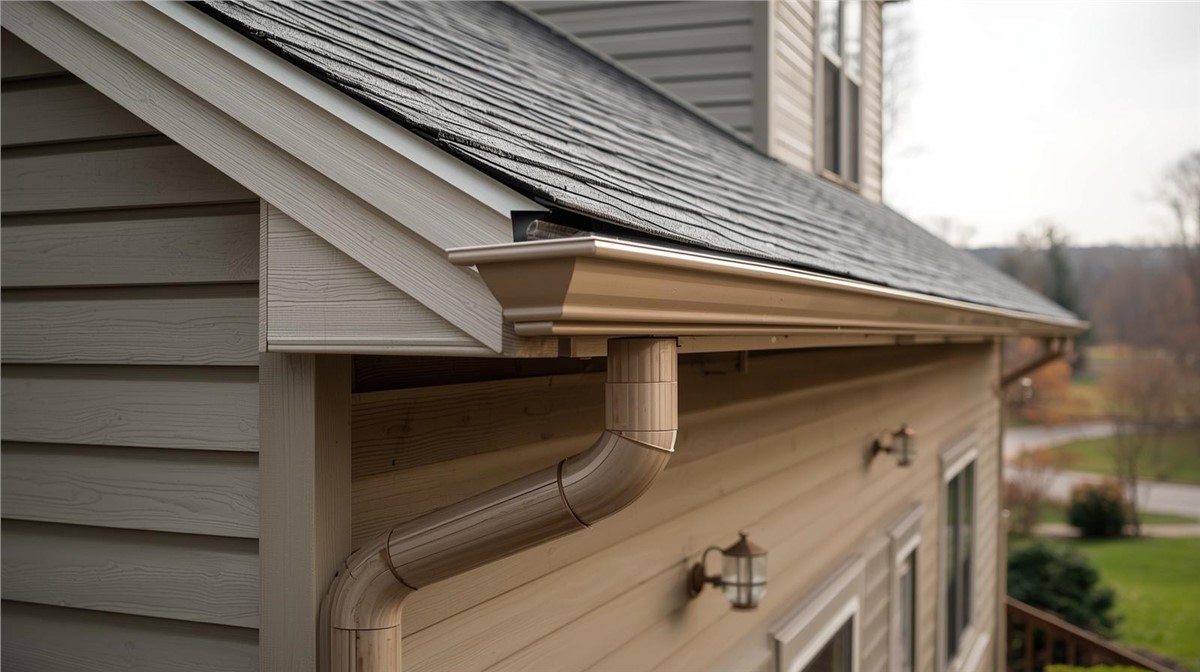
Roof damage is often connected to the full exterior system. Gutters, siding, windows, flashing, fascia, soffit, trim, and drainage all affect how water moves around the home.
A full exterior inspection may include:
- Roofing
- Gutters and downspouts
- Siding
- Windows and trim
- Flashing
- Fascia and soffit
- Attic moisture signs
- Interior water stains
- Storm damage areas
Huskie Exteriors provides roofing, siding, window, gutter, and storm damage restoration services, helping homeowners evaluate the full exterior system.
Why Local Exterior Experience Matters
A local contractor understands how Wisconsin weather affects roof repair timelines. In Pewaukee, WI, homes can face hail, wind, heavy rain, snow, ice, and freeze-thaw cycles that can worsen small roofing problems.
Local experience helps homeowners understand whether the timeline is affected by storm damage, leaks, material matching, ventilation, gutters, flashing, or hidden moisture issues.
Conclusion
The roof repair timeline in Pewaukee, WI depends on inspection findings, damage severity, material availability, weather, access, hidden repairs, and whether insurance is involved. Small repairs may move quickly, while leaks, storm damage, flashing problems, and hidden moisture issues may take longer.
If your roof is leaking, missing shingles, storm-damaged, or showing signs of wear, Huskie Exteriors can inspect your home and recommend the right next step.
Contact Huskie Exteriors for professional roofing, siding, window, gutter, and storm damage services in Illinois and Wisconsin.
Subscribe to Huskie Exteriors's Blog





Comments