After a hailstorm, many homeowners wonder whether their roof was damaged. Sometimes the signs are obvious, such as dented gutters or shingles on the ground. Other times, hail damage can be subtle and difficult to see without a closer inspection.
For homeowners in Ixonia, WI, hail can affect shingles, gutters, siding, windows, screens, flashing, fascia, soffit, and roof vents. Even if your roof is not leaking right away, hail damage may weaken shingles and reduce their ability to protect your home over time.
This guide explains what hail-damaged shingles can look like, where to check safely, and why a full exterior inspection matters after severe weather.
Why Hail Damage Can Be Hard to Spot
Hail damage is not always visible from the yard. A roof may look normal from the ground while shingles have bruises, cracked surfaces, or missing granules that are only visible up close.
Damage can vary based on:
- Hail size
- Wind direction
- Storm intensity
- Roof age
- Shingle type
- Roof slope
- Tree coverage
- Previous roof wear
- Existing ventilation or moisture issues
Older shingles may be more vulnerable because they can become brittle over time. Newer shingles may still be damaged if hail is large or wind-driven.
What Hail-Damaged Shingles May Look Like
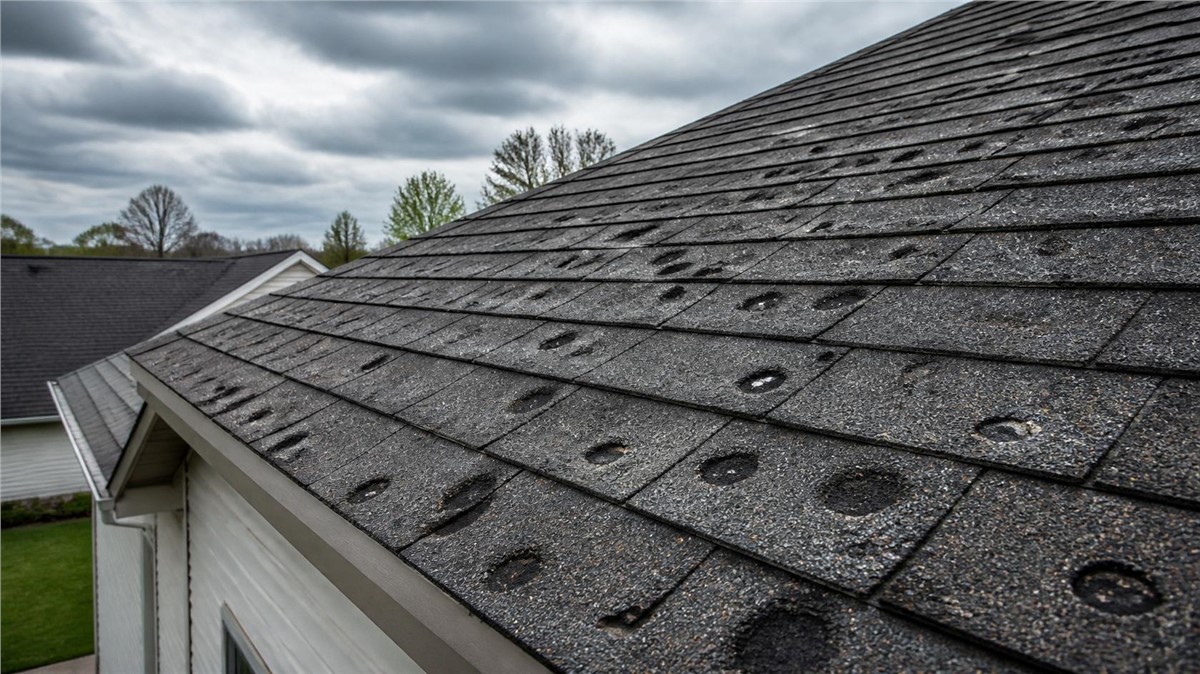
Hail-damaged shingles often show impact damage. The mark may not always look like a clean circle, but it may appear as a bruised, darkened, or weakened spot.
Common signs include:
- Dark impact marks
- Missing granules
- Exposed asphalt
- Soft bruised areas
- Cracked shingle surfaces
- Random impact patterns
- Damaged ridge caps
- Loose granules in gutters
- Shiny or bare spots
- Splits near impact areas
Because roof shingles are textured, hail damage can be easy to confuse with normal aging, blistering, or wear.
Granule Loss
Granules are the small protective particles on the surface of asphalt shingles. They help protect the shingle from sun exposure and weather.
Hail can knock granules loose, creating bare or dark spots on the shingles. You may also notice granules collecting in gutters, near downspouts, or at the bottom of splash blocks.
Granule loss may look like:
- Dark spots on shingles
- Bald patches
- Granules in gutters
- Granules around downspout exits
- Uneven shingle texture
- Exposed black asphalt
Some granule loss happens naturally as shingles age, but sudden heavy granule loss after hail should be inspected.
Bruised Shingles
A hail bruise can happen when hail strikes the shingle with enough force to damage the mat beneath the surface. These bruises may feel soft or spongy when inspected by a professional.
Bruised shingles may show:
- Dark circular marks
- Soft spots
- Loss of surface texture
- Weakened areas
- Subtle depressions
- Granule displacement
Bruising can weaken the shingle even if there is no active leak yet.
Cracked Shingles
Larger hailstones or wind-driven hail can crack shingles. Cracks may allow water to reach lower roofing layers more easily.
Cracked shingles may appear as:
- Small splits
- Surface fractures
- Broken corners
- Cracks near impact marks
- Cracks along shingle tabs
- Exposed underlayers
Cracked shingles should be repaired before rain, snow, ice, and freeze-thaw cycles make the damage worse.
Damaged Ridge Caps
Ridge caps are often more exposed to hail because they sit along the peak of the roof. Hail impacts on ridge caps may be easier to see during a professional inspection.
Hail-damaged ridge caps may show:
- Cracks
- Missing granules
- Bruising
- Torn edges
- Broken sections
- Impact marks along the peak
Because ridge caps help protect roof peaks, damage in this area should not be ignored.
Damage Around Roof Vents and Flashing
Hail may also damage roof accessories. These areas can provide clues that shingles may also be damaged.
Check from the ground for signs such as:
- Dented roof vents
- Dented metal flashing
- Damaged pipe boots
- Bent vent caps
- Marks on metal surfaces
- Loose flashing
- Damage near chimneys or skylights
If metal roof components are dented, the shingles may have also taken hail impact.
Gutters Can Reveal Hail Damage
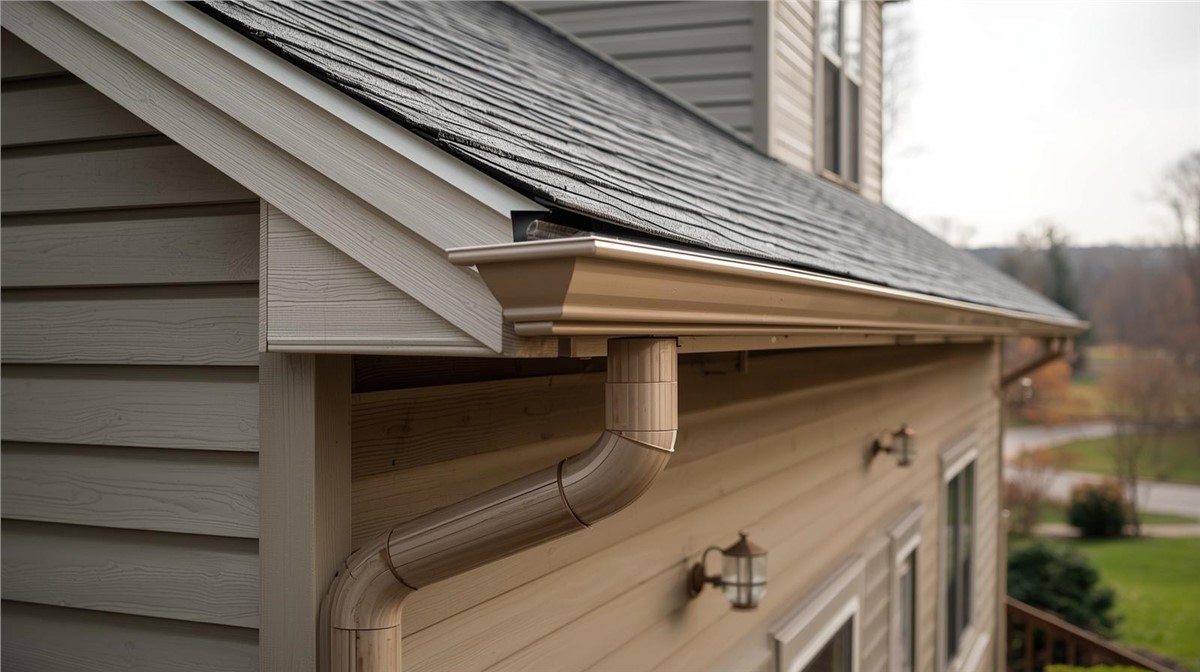
Gutters and downspouts often show visible hail damage before the roof does. Since gutters are easier to see from the ground, they can provide helpful clues.
Signs include:
- Round dents in gutters
- Dented downspouts
- Damaged gutter guards
- Loose fasteners
- Granules collecting in gutters
- Overflow caused by debris
- Bent gutter sections
If hail dents the gutters, it is a good idea to have the roof, siding, windows, fascia, and soffit inspected too.
Siding and Window Clues
Hail rarely affects only one part of the home. If siding, trim, windows, or screens show damage, the roof may also be affected.
Look for:
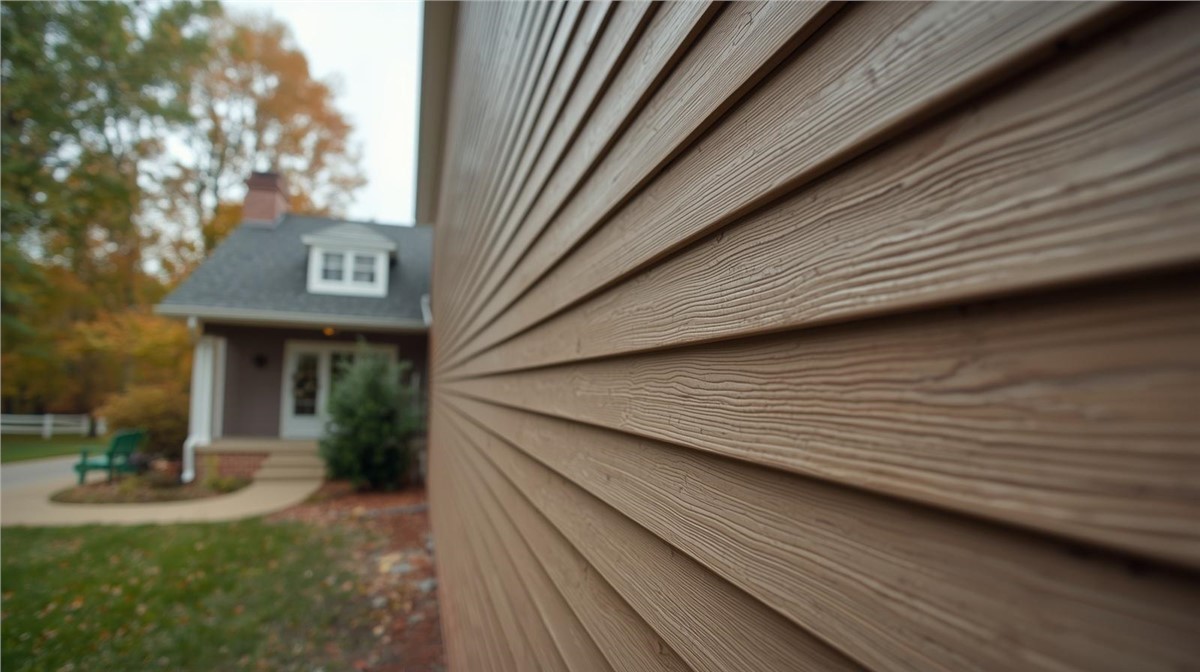
- Cracked vinyl siding
- Holes or punctures
- Dented metal trim
- Torn window screens
- Chipped paint
- Damaged shutters
- Broken exterior lights
- Cracked window glass
A full exterior inspection helps determine whether the storm damaged multiple areas.
What Hail Damage Is Not
Not every mark on a roof is hail damage. Some roof issues may look similar but come from aging, poor ventilation, manufacturing defects, foot traffic, or normal weathering.
Hail damage may be confused with:
- Blistering
- Normal granule wear
- Algae staining
- Tree debris marks
- Scuffing from foot traffic
- Heat-related cracking
- Old repair patches
- Aging shingles
This is why professional inspection matters. A trained contractor can help separate storm damage from normal wear.
Can Hail Damage Cause Leaks Right Away?
Sometimes hail damage causes immediate leaks, especially if shingles are cracked, flashing is damaged, or roof vents are affected. But in many cases, hail damage does not leak right away.
Instead, the damage may weaken the roof surface. Over time, sun exposure, rain, snow, ice, and freeze-thaw cycles can make the damaged areas worse.
After a hailstorm, watch for interior signs such as:
- Ceiling stains
- Damp attic insulation
- Water near vents
- Musty odors
- Bubbling paint
- Peeling drywall
- Moisture around skylights or chimneys
Even small water stains should be inspected quickly.
Why You Should Not Climb on the Roof
Homeowners should not climb onto the roof to check hail damage. After a storm, shingles may be slippery, loose, wet, or weakened. Roof slopes, ladders, debris, and wet surfaces can create safety risks.
Instead, inspect safely from the ground and take photos of visible damage. Use binoculars if available, but avoid ladders and roof walking.
Look for:
- Dented gutters
- Missing shingles
- Damaged downspouts
- Torn screens
- Cracked siding
- Granules near downspouts
- Debris around the home
Then schedule a professional inspection if damage is suspected.
What a Professional Hail Inspection Includes
A professional hail damage inspection looks at the roof and the surrounding exterior systems. This helps identify visible and hidden damage.
An inspection may include:
- Asphalt shingles
- Ridge caps
- Roof vents
- Flashing
- Pipe boots
- Gutters and downspouts
- Siding
- Windows and screens
- Fascia and soffit
- Attic moisture signs
- Interior water stains
Huskie Exteriors provides roofing, siding, window, gutter, and storm damage restoration services, helping homeowners evaluate the full exterior system after severe weather.
Repair vs Replacement After Hail Damage
The right solution depends on the extent of damage, roof age, shingle condition, and whether the damage is isolated or widespread.
Repair may make sense if:
- Damage is limited to one small area
- Only a few shingles are cracked
- One roof accessory is damaged
- No leaks or hidden moisture are found
- The rest of the roof is in good condition
Replacement may be better if:
- Hail damage affects multiple roof slopes
- Shingles are heavily bruised
- Granule loss is widespread
- Ridge caps are damaged throughout
- Leaks are present
- The roof is older or brittle
- Repairs would not fully restore protection
A professional inspection can help homeowners understand the best next step.
Why a Full Exterior Inspection Helps
Hail damage can affect more than shingles. A storm may damage the roof, gutters, siding, windows, trim, fascia, soffit, and flashing during the same event.
A full exterior inspection may include:
- Roofing
- Gutters and downspouts
- Siding
- Windows and screens
- Exterior trim
- Fascia and soffit
- Flashing
- Attic moisture signs
- Interior leak areas
This helps homeowners avoid missing damage that may cause problems later.
Why Local Exterior Experience Matters
A local contractor understands how Wisconsin weather affects roofing materials. In Ixonia, WI, homes may face hail, wind, heavy rain, snow, ice, humidity, and freeze-thaw cycles that can worsen small roof issues over time.
Local experience helps homeowners identify whether roof damage is related to hail, wind, aging shingles, ventilation, moisture, gutters, or flashing problems.
Conclusion
Hail-damaged shingles in Ixonia, WI may show impact marks, bruising, granule loss, cracks, soft spots, damaged ridge caps, or exposed asphalt. Gutters, siding, windows, vents, and trim can also show signs that hail affected the home.
If your roof may have hail damage, do not climb onto the roof. Check safely from the ground, document visible damage, and schedule a professional inspection.
Contact Huskie Exteriors for professional roofing, siding, window, gutter, and storm damage services in Illinois and Wisconsin.
Subscribe to Huskie Exteriors's Blog





Comments