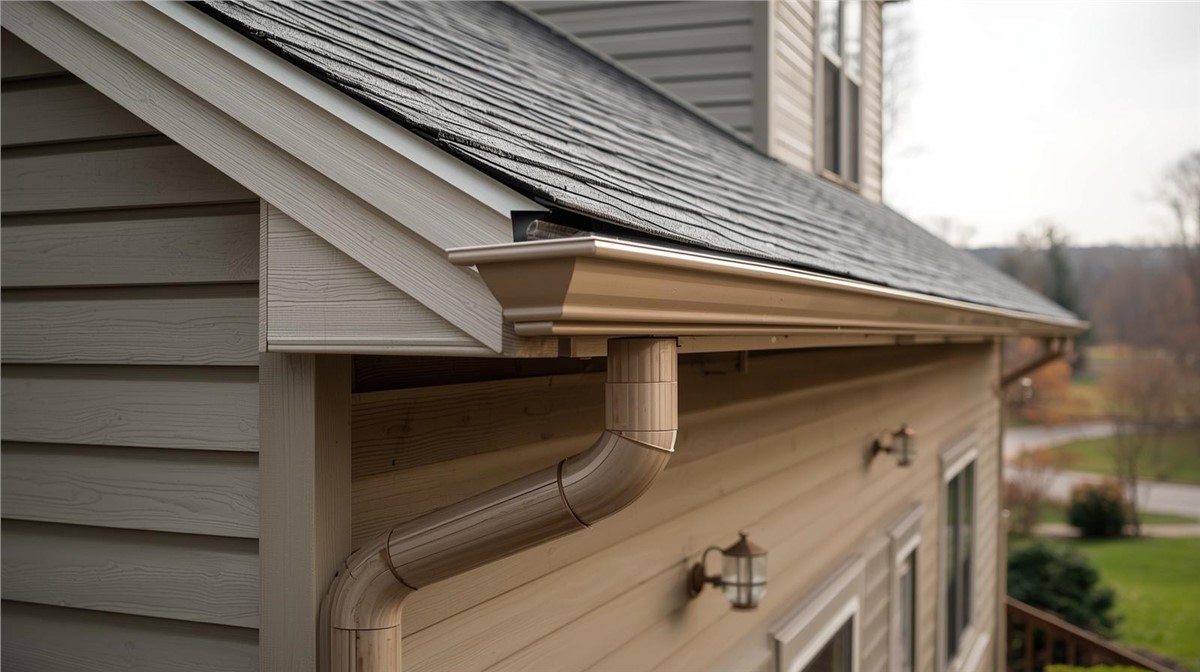
Gutter replacement is an important exterior project because gutters help move rainwater and snowmelt away from the roof, siding, foundation, landscaping, walkways, and basement. When gutters sag, leak, overflow, or pull away from the home, water can create bigger problems over time.
For homeowners in Delafield, WI, the gutter replacement timeline can vary depending on the condition of the existing system and the details of the new installation. Wisconsin weather can also affect scheduling, especially during heavy rain, snow, ice, high wind, or freeze-thaw conditions.
This guide explains what homeowners can expect during the gutter replacement process, from inspection to final cleanup.
Step 1: Gutter Inspection
The process usually starts with a gutter inspection. A contractor checks the existing gutter system, roof edges, fascia, soffit, downspouts, and drainage areas.
An inspection may look for:
- Sagging gutters
- Leaking seams
- Loose fasteners
- Rust, cracks, or holes
- Gutters pulling away from fascia
- Clogged outlets
- Dented gutters from hail
- Short downspouts
- Water pooling near the foundation
- Fascia or soffit damage
- Siding stains below gutters
This inspection helps determine whether repair or full replacement is the better option.
Step 2: Reviewing Repair vs Replacement
Not every gutter issue requires full replacement. A good contractor should explain whether repair or replacement makes more sense.
Gutter repair may be enough if:
- One section is loose
- One seam is leaking
- One downspout needs reattachment
- A small slope adjustment is needed
- The system is still in good condition overall
Gutter replacement may be better if:
- Gutters sag in multiple areas
- Several seams are leaking
- Gutters overflow often
- Rust, cracks, or holes are present
- Downspouts are poorly placed
- Fascia damage is present
- The system is undersized
- Repairs are becoming frequent
A clear recommendation helps homeowners understand the project before scheduling work.
Step 3: Preparing the Estimate
After the inspection, the contractor prepares a gutter replacement estimate. A detailed estimate should explain the full scope, not just the total price.
A gutter estimate may include:
- Gutter material
- Gutter size
- Linear footage
- Downspout quantity
- Downspout locations
- Old gutter removal
- Fascia or soffit concerns
- Gutter guard options
- Drainage recommendations
- Cleanup and disposal
- Timeline expectations
- Warranty information
A clear estimate makes it easier for homeowners to compare options and understand what is included.
Step 4: Choosing Gutter Materials and Options
Material selection can affect the timeline. Some gutter systems and colors may be readily available, while specialty materials or finishes may require ordering.
Common gutter options include:
- Aluminum gutters
- Steel gutters
- Copper gutters
- Seamless gutters
- Sectional gutters
- Gutter guards
- Oversized downspouts
Aluminum seamless gutters are a common choice for many homes because they are practical, clean-looking, and custom-fit to the home. If gutter guards or specialty materials are added, the schedule may require more planning.
Step 5: Planning Downspout Placement
Downspout placement is one of the most important parts of gutter replacement. Gutters collect water, but downspouts move that water away from the home.
The contractor should review:
- Number of downspouts
- Downspout size
- Drainage direction
- Elbows and extensions
- Foundation drainage
- Basement window locations
- Walkways and driveways
- Landscaping beds
- Low areas around the home
Poor downspout placement can lead to water pooling near the foundation, basement moisture, soil erosion, or ice buildup near walkways.
Step 6: Scheduling the Project
Once the estimate is approved and materials are ready, the project can be scheduled. Timing may depend on weather, crew availability, material delivery, and whether repairs are needed before installation.
Scheduling factors may include:
- Total gutter footage
- Home height
- Roofline complexity
- Material availability
- Fascia repairs
- Gutter guard installation
- Weather forecast
- Storm damage demand in the area
- Access around the home
In Delafield, heavy rain, high wind, snow, or ice can delay exterior work for safety and installation quality.
Step 7: Preparing Your Home
Before gutter replacement begins, homeowners can take a few simple steps to help the project move smoothly.
Helpful preparation steps include:
- Move vehicles away from work areas
- Clear patios, decks, and walkways
- Move outdoor furniture
- Keep pets and children away from work zones
- Trim back landscaping if needed
- Make room for ladders or equipment
- Discuss access points with the contractor
Clear access helps crews work more efficiently and safely around the home.
Step 8: Removing the Old Gutters
If old gutter removal is included, the existing gutters and downspouts are taken down before the new system is installed.
Old gutter removal may reveal:
- Soft fascia
- Rotted wood
- Loose soffit panels
- Old fastener damage
- Water stains
- Roof edge damage
- Areas where water ran behind gutters
This step can affect the timeline if hidden damage is found.
Step 9: Checking Fascia and Soffit
Gutters attach to fascia, so this area must be solid before installation. If fascia is soft, rotted, or damaged, new gutters may not hold properly.
The contractor may check for:
- Soft fascia boards
- Peeling paint
- Water stains
- Rotted wood
- Loose soffit sections
- Mold or mildew near roof edges
- Old fastener holes
- Ice damage
If fascia or soffit repairs are needed, they should be handled before or during gutter replacement.
Step 10: Installing the New Gutter System
Once the roof edge is ready, the new gutters can be installed. The timeline depends on the home size, number of gutter runs, corners, downspouts, and roofline details.
Installation may include:
- Measuring gutter runs
- Forming seamless gutter sections
- Installing hangers
- Setting proper slope
- Installing outlets
- Attaching downspouts
- Adding elbows and extensions
- Sealing needed connections
- Checking water flow
Proper slope is important. Gutters need to direct water toward downspouts without sagging or overflowing.
Step 11: Installing Gutter Guards if Included
If gutter guards are part of the project, they may be installed after the new gutters are in place.
Gutter guards may help reduce:
- Leaves
- Sticks
- Larger debris
- Frequent clogs
- Overflow from heavy debris buildup
However, gutter guards do not make gutters maintenance-free. Small debris, roof granules, seeds, and ice can still affect performance.
Step 12: Cleanup and Final Walkthrough
After installation, the work area should be cleaned and reviewed. This helps homeowners confirm the project is complete and the property is left in good condition.
Cleanup may include:
- Removing old gutters
- Removing packaging
- Cleaning debris
- Checking for sharp metal pieces
- Clearing walkways and patios
- Reviewing downspout placement
- Final walkthrough
During the walkthrough, homeowners can ask questions about maintenance, drainage, and warranty details.
What Can Delay Gutter Replacement?
Several factors can extend the gutter replacement timeline.
Common delays include:
- Heavy rain
- High wind
- Snow or ice
- Material delays
- Fascia or soffit damage
- Complex rooflines
- Difficult access
- Gutter guard installation
- Storm damage demand
- Drainage adjustments
Some delays are outside the contractor’s control, but clear communication helps homeowners know what to expect.
How Long Does Gutter Replacement Usually Take?
The timeline depends on the size and complexity of the home. Smaller homes with simple rooflines may move faster, while larger homes with multiple stories, long roof runs, complex corners, or fascia repairs may take longer.
Timeline factors include:
- Linear footage
- Number of stories
- Number of downspouts
- Roofline layout
- Old gutter removal
- Fascia condition
- Gutter guard installation
- Weather conditions
- Cleanup needs
A contractor can provide a more accurate timeline after inspecting the home and confirming the project scope.
Storm Damage and Gutter Replacement
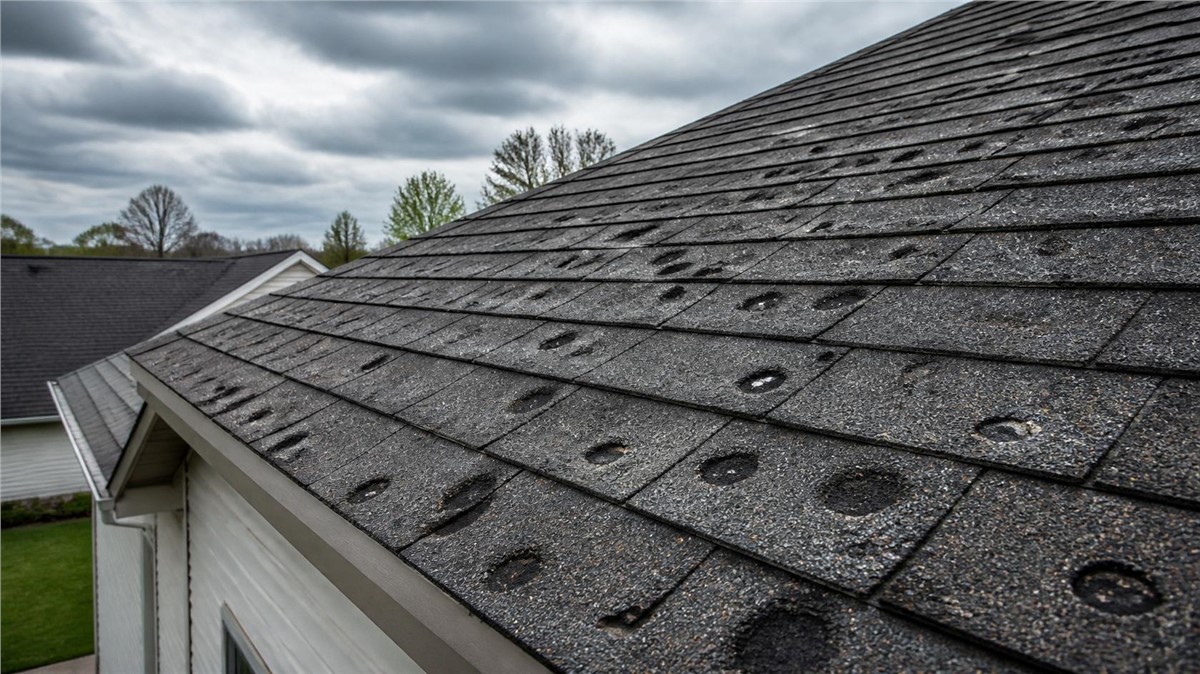
Delafield homes can be affected by hail, wind, heavy rain, snow, ice, and freeze-thaw cycles. Storm damage can affect gutters along with roofing, siding, windows, fascia, soffit, and trim.
Storm-related gutter concerns may include:
- Dented gutters
- Dented downspouts
- Gutters pulling away
- Loose fasteners
- Damaged gutter guards
- Bent sections
- Roof edge damage
- Water overflow after storms
If hail or wind damaged the gutters, the full exterior should be inspected.
Why Roofing and Siding Should Be Checked Too
Gutters work with the full exterior system. If the roof has missing shingles, damaged flashing, or poor drainage at the edges, gutter replacement alone may not solve the problem.
A full inspection may also reveal:
- Roof edge wear
- Damaged shingles
- Loose flashing
- Fascia damage
- Siding stains
- Moisture behind siding
- Window trim damage
- Foundation drainage concerns
Checking related areas helps protect the home from future water damage.
How Homeowners Can Help the Project Stay on Track
Homeowners can help avoid delays by preparing the property and making decisions early.
Helpful steps include:
- Confirm gutter color and material
- Decide whether gutter guards are included
- Review downspout placement
- Clear outdoor work areas
- Move vehicles from the driveway
- Keep pets indoors or away from the work area
- Ask questions before installation begins
- Review the final work before completion
Good preparation helps the process stay organized.
Why a Full Exterior Inspection Helps
Gutter problems are often connected to roofing, siding, windows, fascia, soffit, flashing, and drainage. A full exterior inspection helps identify whether water issues are coming from the gutter system alone or from multiple areas.
A full inspection may include:
- Gutters and downspouts
- Roofing and roof edges
- Siding
- Windows and trim
- Fascia and soffit
- Flashing
- Foundation drainage
- Storm damage areas
Huskie Exteriors provides roofing, siding, window, gutter, and storm damage restoration services, helping homeowners evaluate the full exterior system.
Why Local Exterior Experience Matters
A local contractor understands how Wisconsin weather affects gutter replacement timelines. In Delafield, WI, gutters need to handle heavy rain, snowmelt, ice, hail, wind, leaves, and freeze-thaw cycles.
Local experience helps homeowners understand whether the timeline is affected by storm damage, fascia repairs, drainage issues, roofline complexity, gutter guards, material availability, or weather delays.
Conclusion
The gutter replacement timeline in Delafield, WI depends on inspection findings, linear footage, gutter material, home height, roofline complexity, downspout planning, fascia condition, gutter guard options, weather, and cleanup. Simple projects may move quickly, while homes with fascia damage, drainage concerns, storm damage, or complex rooflines may take longer.
If your gutters are leaking, sagging, overflowing, dented, pulling away, or draining too close to your home, Huskie Exteriors can inspect your exterior and recommend the right next step.
Contact Huskie Exteriors for professional roofing, siding, window, gutter, and storm damage services in Illinois and Wisconsin.
Subscribe to Huskie Exteriors's Blog





Comments