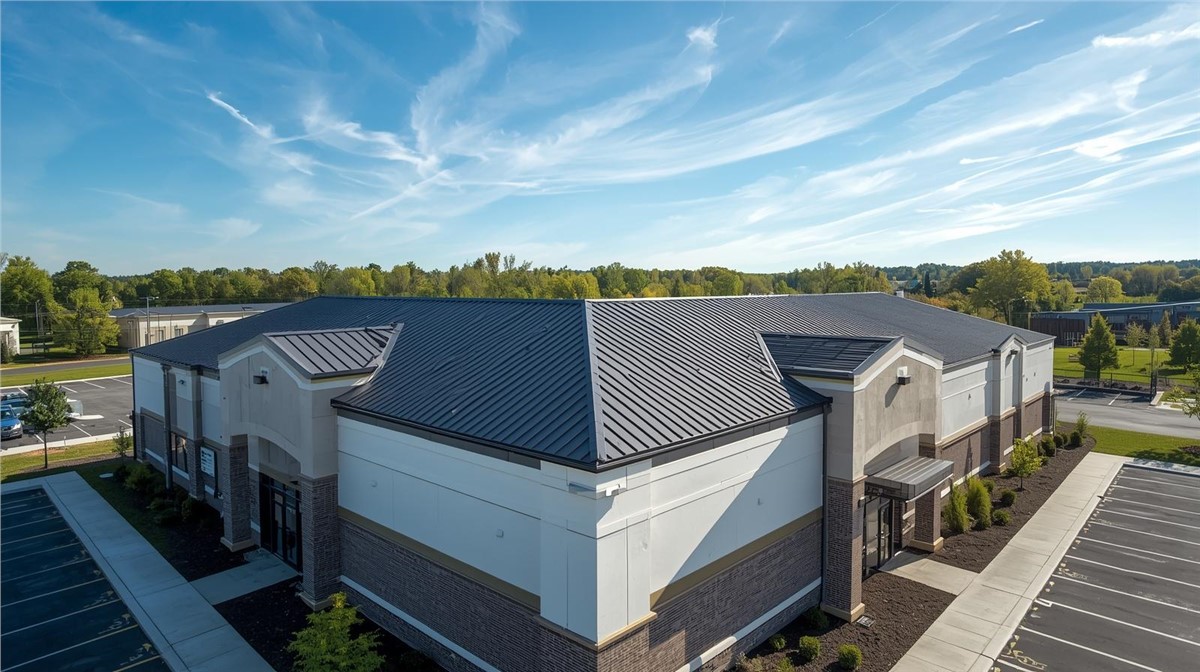
Commercial exterior work can involve many parts of a building. Roofing, siding, windows, gutters, trim, flashing, fascia, soffit, and drainage all work together to protect the property from weather, water intrusion, and long-term wear.
For property owners and managers in Waukesha, WI, a commercial exterior estimate should be detailed and easy to understand. Wisconsin weather can bring hail, wind, heavy rain, snow, ice, humidity, and freeze-thaw cycles, all of which can affect exterior building systems.
A good estimate should explain what was inspected, what damage was found, what work is recommended, and what details may affect budget or scheduling.
Why a Detailed Commercial Exterior Estimate Matters
Commercial buildings often have larger roof areas, more drainage demands, more exterior openings, and more operational concerns than residential homes. A vague estimate can lead to confusion, missed repairs, or unexpected costs.
A detailed estimate helps clarify:
- What areas were inspected
- What damage or wear was found
- Whether repair or replacement is recommended
- What materials are included
- How the work may affect business operations
- What safety concerns need attention
- What cleanup and warranty details apply
- What factors can affect the final cost
The estimate should provide a clear plan, not just a price.
Inspection Findings
A commercial exterior estimate should begin with inspection findings. This section explains the current condition of the building.
Inspection findings may include:
- Roof leaks
- Ponding water
- Damaged siding or wall panels
- Dented gutters
- Loose downspouts
- Window leaks
- Damaged flashing
- Fascia or soffit concerns
- Interior moisture signs
- Drainage problems
- Storm damage
- Loose exterior materials
These findings help support the recommended repair or replacement scope.
Roofing Details
Roofing is one of the most important parts of a commercial exterior estimate. Commercial roofs may include flat, low-slope, metal, shingle, or mixed roofing systems.
The estimate should address:
- Roof system type
- Roof surface condition
- Leaks or moisture concerns
- Seams and membrane condition
- Shingles or panels if applicable
- Flashing
- Roof edges
- Drains or scuppers
- Rooftop equipment areas
- Vent penetrations
- Storm damage
If the roof has active leaks or wet insulation, those concerns should be prioritized.
Siding and Exterior Wall Details
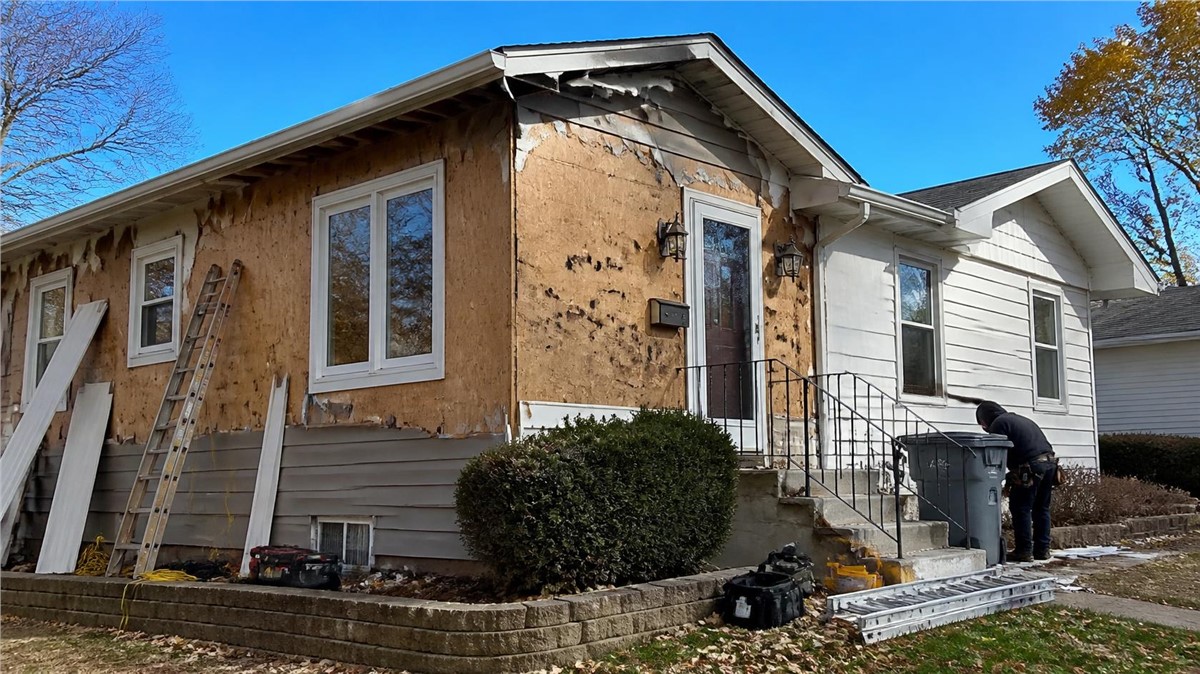
Siding and exterior wall systems protect the building from wind-driven rain, impact damage, and moisture intrusion. Damage to these areas can affect both appearance and performance.
A commercial exterior estimate may include:
- Siding material
- Wall panel condition
- Cracks or dents
- Loose sections
- Gaps at seams
- Moisture behind exterior materials
- Trim condition
- Wall flashing
- Repair or replacement recommendations
If damage is widespread, replacement may be more practical than repeated repairs.
Gutter and Drainage Details
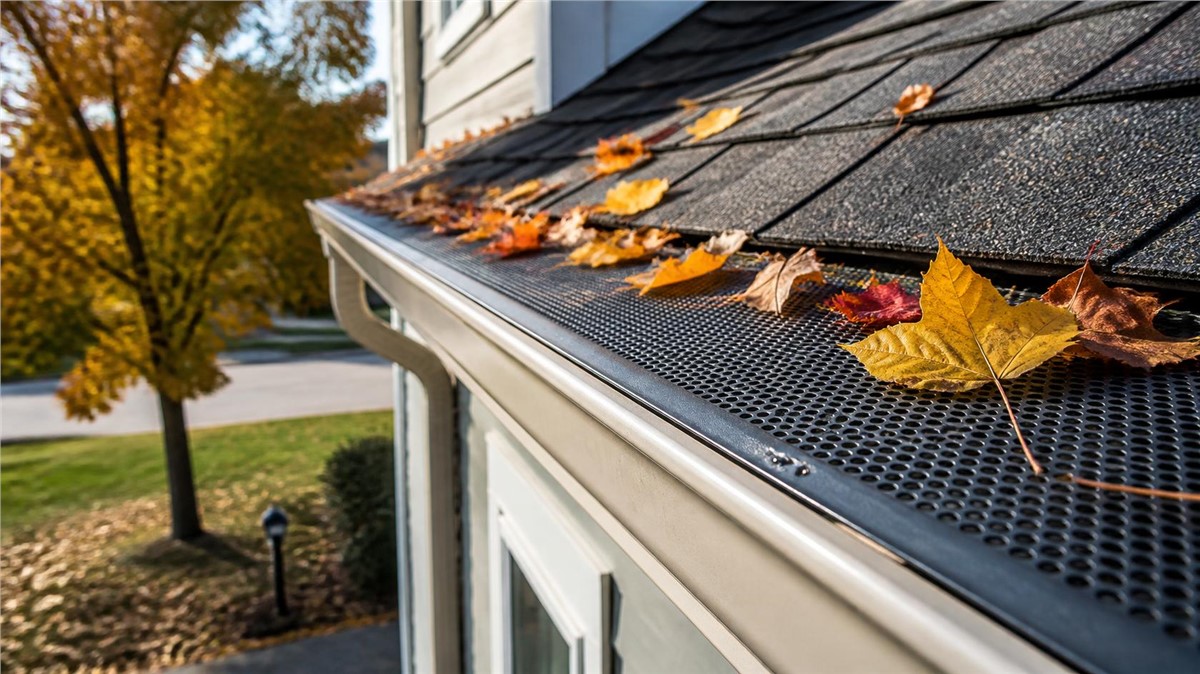
Gutters and downspouts are critical for commercial buildings. Poor drainage can affect foundations, walkways, entrances, siding, landscaping, parking areas, and roof edges.
The estimate should review:
- Gutter condition
- Downspout placement
- Drainage direction
- Leaking seams
- Sagging sections
- Dented gutters
- Clogged outlets
- Water pooling near the building
- Ice buildup risks
- Drainage across walkways
A proper estimate should explain how water will be moved away from the structure.
Window and Door Details
Windows and doors affect comfort, moisture protection, appearance, and energy performance. They are also common leak points during wind-driven rain.
A commercial exterior estimate should address:
- Window condition
- Glass damage
- Failed seals
- Drafts
- Water stains below windows
- Damaged frames
- Exterior trim
- Door operation
- Flashing and caulking
- Moisture concerns around openings
A window leak may involve siding, flashing, gutters, roof edges, or trim, so the surrounding exterior should also be checked.
Flashing, Trim, Fascia, and Soffit
Flashing and trim details are important because many leaks start at transitions, edges, and openings.
The estimate should include review of:
- Roof-to-wall flashing
- Window flashing
- Door flashing
- Wall transitions
- Roof edge metal
- Fascia
- Soffit
- Exterior trim
- Utility penetrations
- Parapet or wall cap details if applicable
If these details are missing from the estimate, property owners should ask questions before approving the work.
Storm Damage Documentation
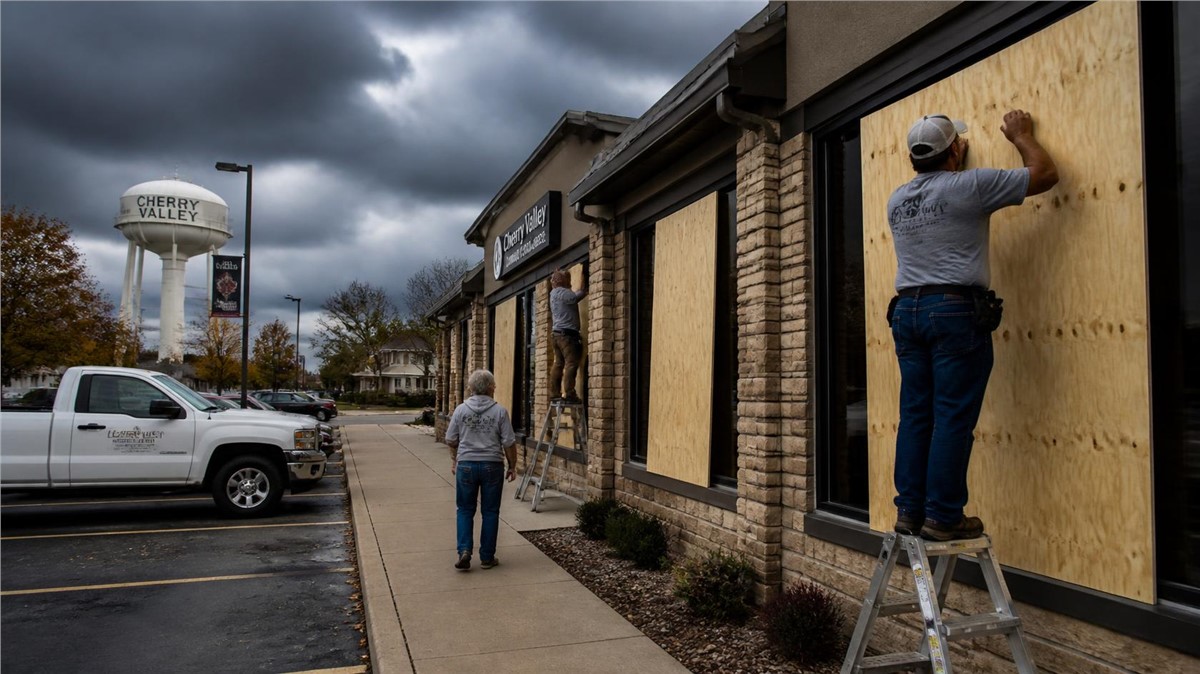
Waukesha commercial properties can be affected by hail, wind, heavy rain, snow, and ice. If the estimate is related to storm damage, documentation matters.
Storm damage may include:
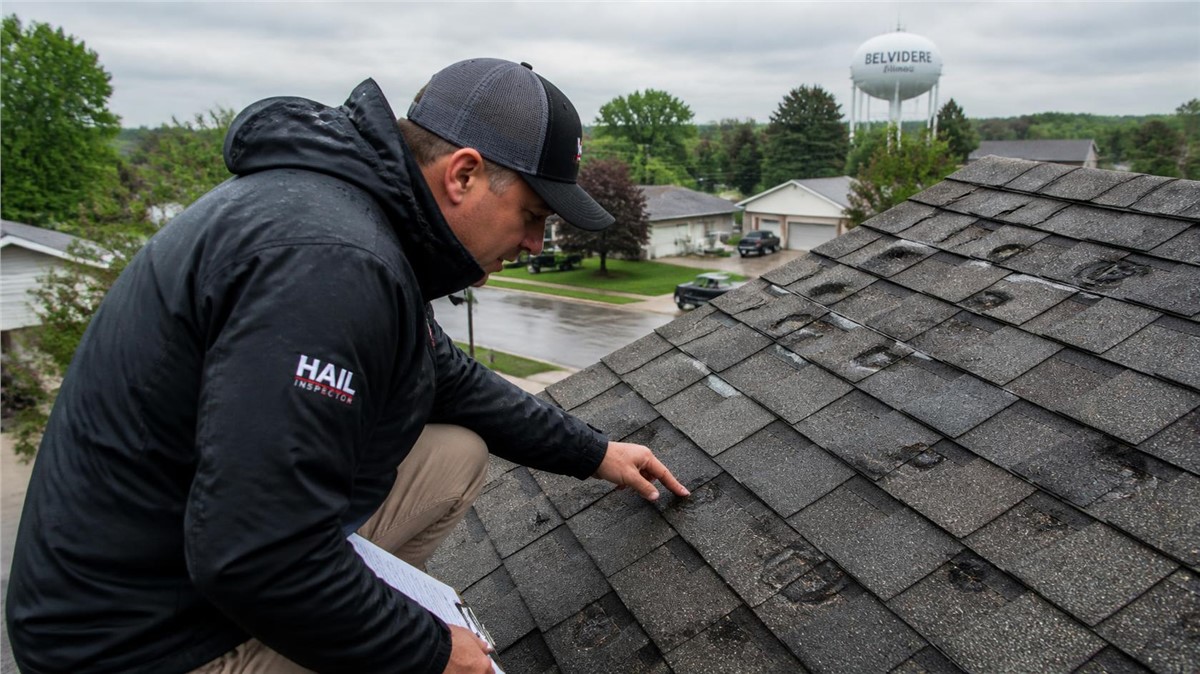
- Hail impact on roofing
- Dented gutters
- Damaged downspouts
- Cracked siding
- Loose wall panels
- Broken or leaking windows
- Damaged vents
- Loose flashing
- Interior water stains
A full exterior inspection helps determine whether the storm affected multiple building systems.
Repair or Replacement Recommendation
A good commercial exterior estimate should explain whether repair or replacement is recommended for each affected area.
Repair may make sense if:
- Damage is isolated
- One roof area is leaking
- A few siding panels are damaged
- One gutter section is loose
- Window or trim damage is minor
- No widespread moisture damage is found
Replacement may be better if:
- Leaks keep returning
- Roofing is aging or failing
- Siding damage is widespread
- Gutters are failing throughout the system
- Windows are drafty or leaking in multiple areas
- Storm damage affects several exterior systems
- Repairs are becoming frequent
The estimate should clearly explain the reasoning behind the recommendation.
Material Details
Commercial exterior estimates should list the materials being used. This helps property owners compare estimates fairly.
Material details may include:
- Roofing system type
- Siding or wall panel material
- Gutter material and size
- Window type
- Trim material
- Flashing materials
- Fasteners
- Sealants
- Underlayment or moisture barriers where needed
The estimate should also note colors, profiles, finishes, and any matching concerns.
Safety and Access Planning
Commercial exterior work often requires safety planning. The estimate should consider how crews will access the building and how work areas will be managed.
Safety and access details may include:
- Ladder or lift access
- Roof access points
- Parking lot staging
- Customer entrance protection
- Tenant access
- Walkway safety
- Material storage
- Work zones
- Debris control
- Weather-related safety concerns
This is especially important for active businesses, tenant buildings, offices, retail properties, and facilities.
Business Operation Considerations
Commercial exterior work should be planned around daily building use. A clear estimate should consider how the project may affect tenants, employees, customers, vendors, and deliveries.
Planning may include:
- Work hours
- Noise expectations
- Entrance access
- Parking adjustments
- Delivery routes
- Tenant communication
- Interior protection
- Cleanup schedule
- Weather delays
Good planning helps reduce disruption while keeping the project organized.
Timeline Expectations
A commercial exterior estimate should include general timeline expectations. The schedule may depend on project size, material availability, weather, access, and hidden repair needs.
Timeline factors may include:
- Roof size
- Siding or wall area
- Number of windows
- Gutter footage
- Tear-off needs
- Moisture repairs
- Material delivery
- Business access requirements
- Cleanup needs
Heavy rain, high wind, snow, or icy conditions may delay work for safety and quality reasons.
Cleanup and Disposal
Cleanup should be included in a commercial exterior estimate. Exterior projects can create debris from roofing, siding, gutters, trim, fasteners, packaging, and old materials.
Cleanup details may include:
- Old material removal
- Disposal
- Jobsite cleanup
- Magnetic nail cleanup where needed
- Parking lot cleanup
- Walkway cleanup
- Final walkthrough
- Protection of landscaping or exterior features
A clean worksite helps protect tenants, employees, customers, and visitors.
Warranty Information
Warranty information should be explained before work begins. Property owners should understand what applies to materials and workmanship.
Ask about:
- Manufacturer warranties
- Workmanship warranty
- Material coverage
- Maintenance requirements
- Warranty limitations
- What may void coverage
- How warranty issues are handled
Clear warranty details help property owners understand the long-term value of the project.
Cost Factors
A commercial exterior estimate should explain what affects the total cost.
Common cost factors include:
- Building size
- Roof system type
- Siding material
- Gutter footage
- Window quantity and type
- Tear-off needs
- Moisture damage
- Flashing details
- Access conditions
- Safety requirements
- Storm damage
- Drainage corrections
- Labor and cleanup
A detailed estimate makes it easier to compare the full scope, not just the total price.
Questions to Ask Before Approving an Estimate
Before approving commercial exterior work, property owners should ask clear questions.
Helpful questions include:
- What damage did you find?
- What areas need immediate attention?
- Is repair or replacement recommended?
- What materials are included?
- Are roofing, siding, gutters, and windows all reviewed?
- Are flashing and drainage included?
- How will work affect building operations?
- What cleanup is included?
- What warranties apply?
- What could change the final scope?
A good contractor should explain the project clearly and answer questions before work begins.
Why a Full Exterior Inspection Helps
Commercial exterior problems are often connected. Roofing, siding, gutters, windows, flashing, fascia, soffit, trim, and drainage all affect how water moves around the building.
A full exterior inspection may include:
- Roofing
- Siding or wall panels
- Gutters and downspouts
- Windows and doors
- Fascia and soffit
- Flashing
- Exterior trim
- Interior moisture signs
- Drainage areas
- Storm damage areas
Huskie Exteriors provides roofing, siding, window, gutter, and storm damage restoration services, helping commercial property owners evaluate the full exterior system.
Why Local Exterior Experience Matters
A local contractor understands how Wisconsin weather affects commercial buildings. In Waukesha, WI, exterior systems need to handle hail, wind, heavy rain, snow, ice, humidity, heat, and freeze-thaw cycles.
Local experience helps property owners understand whether exterior concerns are caused by storm damage, aging materials, drainage issues, poor flashing, moisture intrusion, or normal wear.
Conclusion
A commercial exterior estimate in Waukesha, WI should include inspection findings, roofing details, siding or wall system details, gutters, windows, flashing, drainage, material information, safety planning, timeline, cleanup, warranty details, and cost factors. The more detailed the estimate, the easier it is to understand the full project scope.
If your commercial property has leaks, storm damage, damaged siding, failing gutters, window issues, or exterior wear, Huskie Exteriors can inspect the building and recommend the right next step.
Contact Huskie Exteriors for professional roofing, siding, window, gutter, and storm damage services in Illinois and Wisconsin.
Subscribe to Huskie Exteriors's Blog





Comments