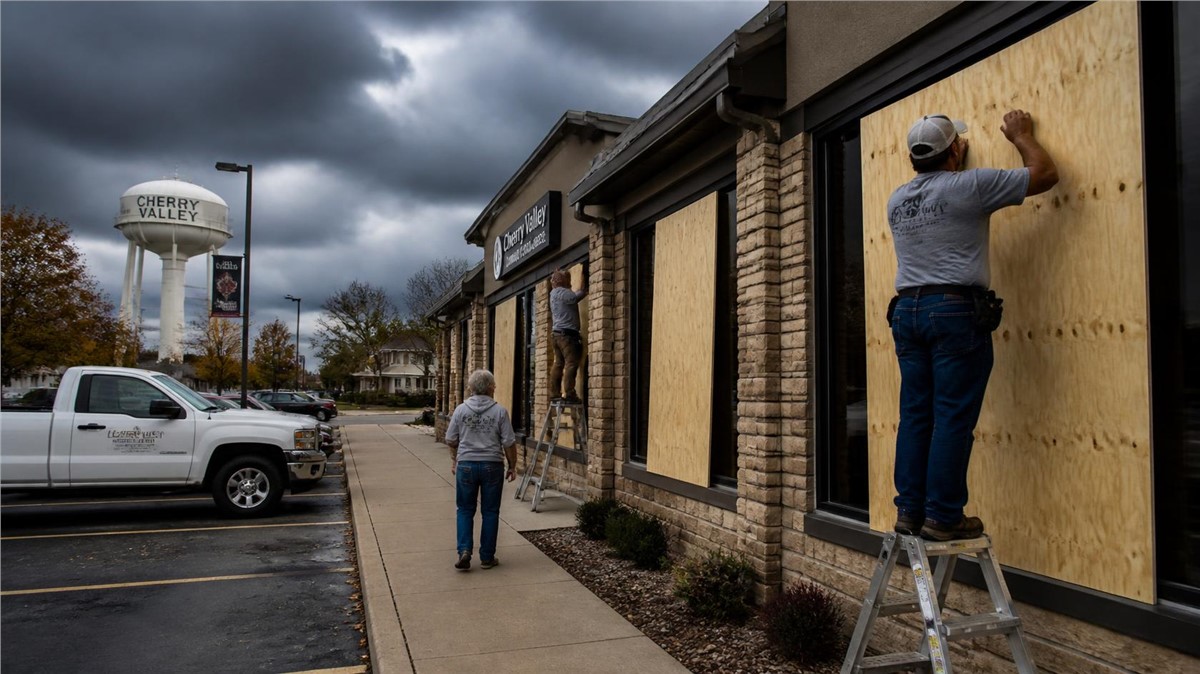
Storm preparation is important for any commercial property. Heavy rain, high wind, hail, and flying debris can damage roofing, siding, gutters, windows, doors, and drainage systems. If the building already has weak spots, a storm can turn those issues into leaks, safety concerns, tenant complaints, or business interruptions.
For businesses in Cherry Valley, IL, commercial storm preparedness helps protect employees, customers, tenants, inventory, equipment, and interior spaces. A strong exterior checklist can help property owners and managers find problems before severe weather exposes them.
This guide explains what to check before storms affect your building.
Start with the Roof
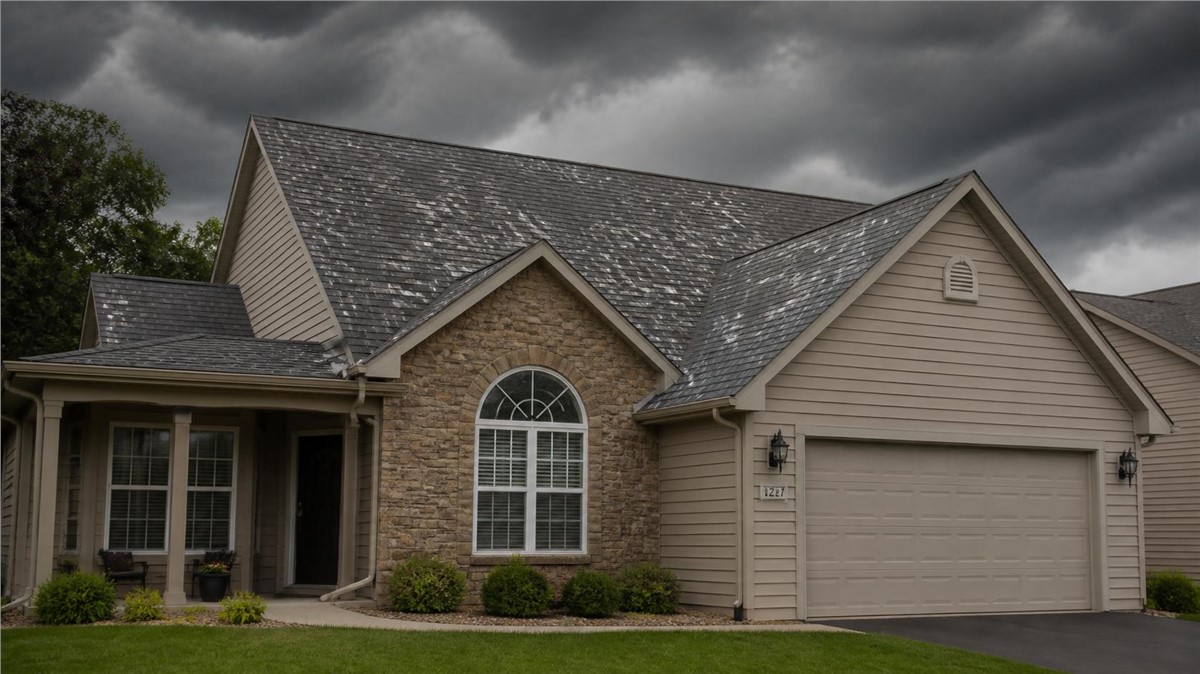
The roof is one of the most important areas to inspect before storm season. Commercial roofs may include flat sections, low-slope areas, pitched sections, drains, scuppers, gutters, vents, and rooftop equipment.
Check for:
- Loose roof materials
- Open seams
- Missing shingles on pitched sections
- Ponding water
- Debris buildup
- Damaged roof vents
- Soft or uneven areas
- Signs of previous leaks
If the roof already has weak areas, heavy rain and wind can make the damage worse.
Check Roof Drainage
Drainage is critical for commercial roofs, especially flat and low-slope systems. Water should move away from the roof as quickly as possible.
Inspect:
- Roof drains
- Scuppers
- Gutters
- Downspouts
- Drain covers
- Downspout extensions
- Low roof areas
- Drainage outlets
Clogged drains can lead to ponding water, leaks, roof stress, and overflow near entrances or walkways.
Inspect Flashing and Roof Edges
Flashing protects vulnerable roof transitions. Storms often expose flashing problems because wind-driven rain can enter small openings.
Check around:
- Roof edges
- Parapet walls
- HVAC curbs
- Pipe penetrations
- Roof vents
- Wall transitions
- Skylights
- Chimneys
- Roof valleys
Loose flashing, cracked sealant, rust, or open gaps should be repaired before storms arrive.
Review Rooftop Equipment
Many commercial buildings have HVAC units, exhaust fans, vents, pipe supports, and service equipment on the roof. These areas create openings in the roof system and need careful attention.
Look for:
- Loose fasteners
- Damaged flashing around curbs
- Cracked pipe boots
- Condensate drainage issues
- Loose panels or covers
- Damaged service walk pads
- Debris around equipment
- Signs of leaks below equipment
Storm damage near rooftop equipment can affect offices, tenant areas, storage rooms, and ceiling systems.
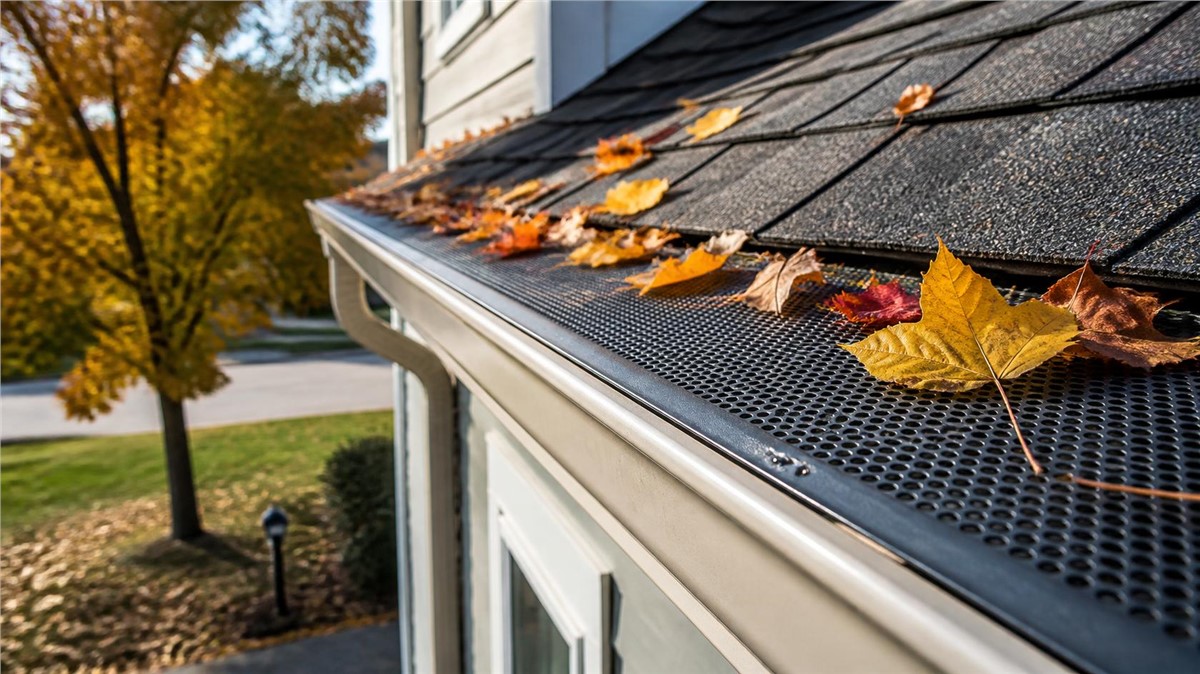
Clean Gutters and Downspouts
Gutters and downspouts help move water away from the building. If they clog before a storm, water may overflow and damage siding, fascia, soffit, foundations, walkways, and entrances.
Check for:
- Leaves and debris
- Sagging sections
- Loose hangers
- Leaking seams
- Bent downspouts
- Blocked outlets
- Water behind gutters
- Poor drainage away from the building
Clean gutters are one of the simplest ways to reduce preventable storm-related water problems.
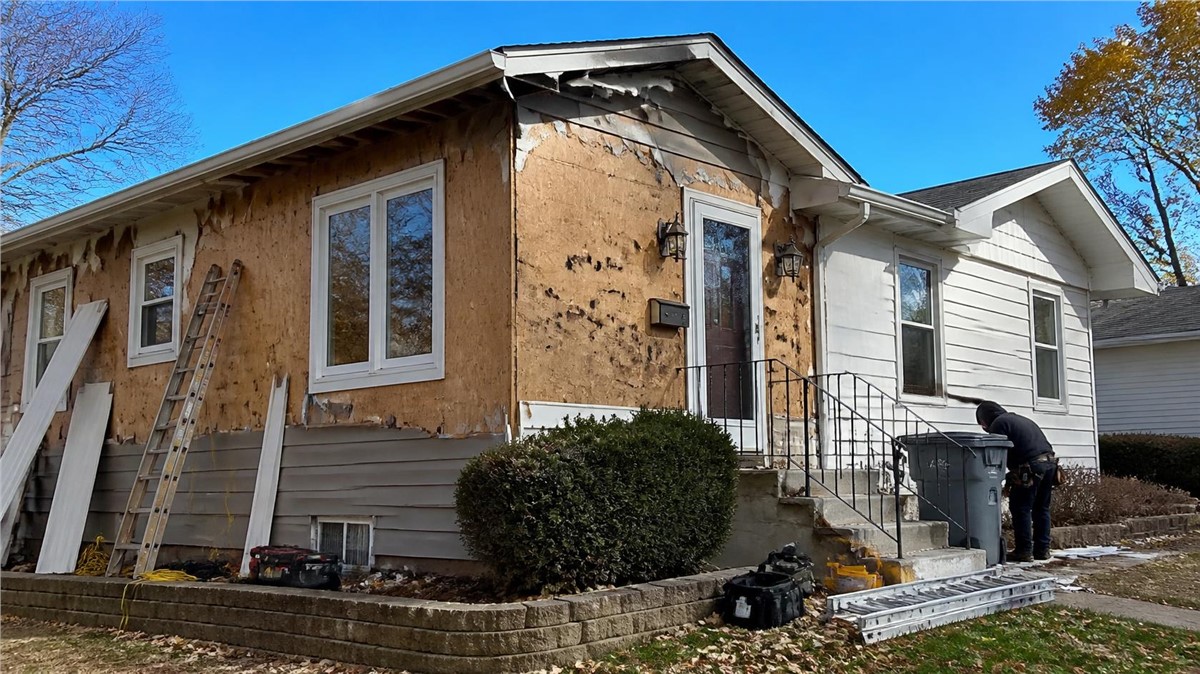
Inspect Siding and Wall Panels
Siding and wall panels help protect the building from wind-driven rain and debris impact. Damaged siding can allow moisture behind the exterior surface.
Look for:
- Cracked panels
- Loose siding
- Open seams
- Warping
- Dented sections
- Hail impact marks
- Gaps around wall penetrations
- Water stains
Storm-facing walls should be checked closely because they often receive the strongest wind and rain.
Check Windows and Doors
Windows and doors are common areas for leaks during storms. Water around these openings may come from damaged trim, failed caulking, siding gaps, or flashing issues.
Inspect:
- Window seals
- Exterior caulking
- Door thresholds
- Trim
- Frames
- Glass
- Screens
- Weatherstripping
Watch for water stains, drafts, fogged glass, loose trim, and damaged door seals.
Review Fascia and Soffit
Fascia and soffit areas are located near the roof edge and often show signs of gutter or roof drainage problems.
Check for:
- Soft fascia
- Peeling paint
- Loose soffit panels
- Water stains
- Gaps near gutters
- Pest entry points
- Sagging gutter attachments
If fascia or soffit is damaged, the roof edge and gutter system should be inspected together.
Check Drainage Around the Building
Storm preparedness should include ground-level drainage. Water should move away from the building, not toward doors, foundations, walkways, or lower-level entries.
Check drainage near:
- Main entrances
- Side doors
- Loading areas
- Sidewalks
- Parking lot edges
- Dumpster areas
- Basement or lower-level windows
- Foundation walls
Poor drainage can create water intrusion and safety concerns during heavy rain.
Remove Exterior Debris
Loose debris can become a problem during wind and storms. It can damage siding, clog gutters, block drains, or create hazards around entrances.
Before storms, check for:
- Branches near the roof
- Loose signs
- Unsecured exterior materials
- Debris in drainage areas
- Items near loading zones
- Loose trim pieces
- Clogged roof valleys
- Leaves near drains
Keeping the exterior clear helps reduce avoidable damage.
Watch for Interior Warning Signs
Exterior problems often appear inside the building after storms.
Interior signs include:
- Ceiling stains
- Wet ceiling tiles
- Damp drywall
- Musty odors
- Bubbling paint
- Water near windows
- Moisture near exterior walls
- Wet flooring near entrances
If water appears near electrical fixtures, keep people away from the area and contact a professional.
Document Building Conditions
Documentation helps property owners and managers track problems before and after storms.
Keep records of:
- Inspection dates
- Exterior photos
- Known leak areas
- Repair history
- Storm dates
- Tenant or staff reports
- Contractor recommendations
- Warranty details
If storm damage may involve insurance, contact your insurance provider for policy-specific guidance.
Repair Problems Before Storms Arrive
Storm preparedness works best when repairs are completed before severe weather hits.
Prioritize:
- Active roof leaks
- Loose flashing
- Clogged drainage
- Sagging gutters
- Damaged siding
- Window or door leaks
- Soft fascia
- Poor drainage near entrances
Small repairs before storms can help prevent larger emergency repairs later.
Why a Full Exterior Inspection Helps
Commercial storm preparedness should look at the full exterior, not just one area. A roof leak may involve flashing, drainage, or rooftop equipment. Siding stains may come from gutter overflow. Window leaks may be connected to trim, flashing, or wall panel issues.
Huskie Exteriors provides roofing, siding, window, gutter, and storm damage restoration services, helping businesses prepare their buildings before severe weather creates larger problems.
Conclusion
Commercial storm preparedness in Cherry Valley, IL helps businesses protect roofing, siding, gutters, windows, doors, flashing, drainage, and interior spaces before severe weather arrives. Checking the full exterior can reduce leaks, water damage, safety concerns, tenant complaints, and business interruptions.
If your commercial property has roof concerns, clogged gutters, siding damage, window leaks, drainage problems, flashing issues, or storm preparation needs, Huskie Exteriors can inspect your building and recommend the right next step.
Contact Huskie Exteriors for professional roofing, siding, window, gutter, and storm damage services in Illinois and Wisconsin.
Subscribe to Huskie Exteriors's Blog





Comments