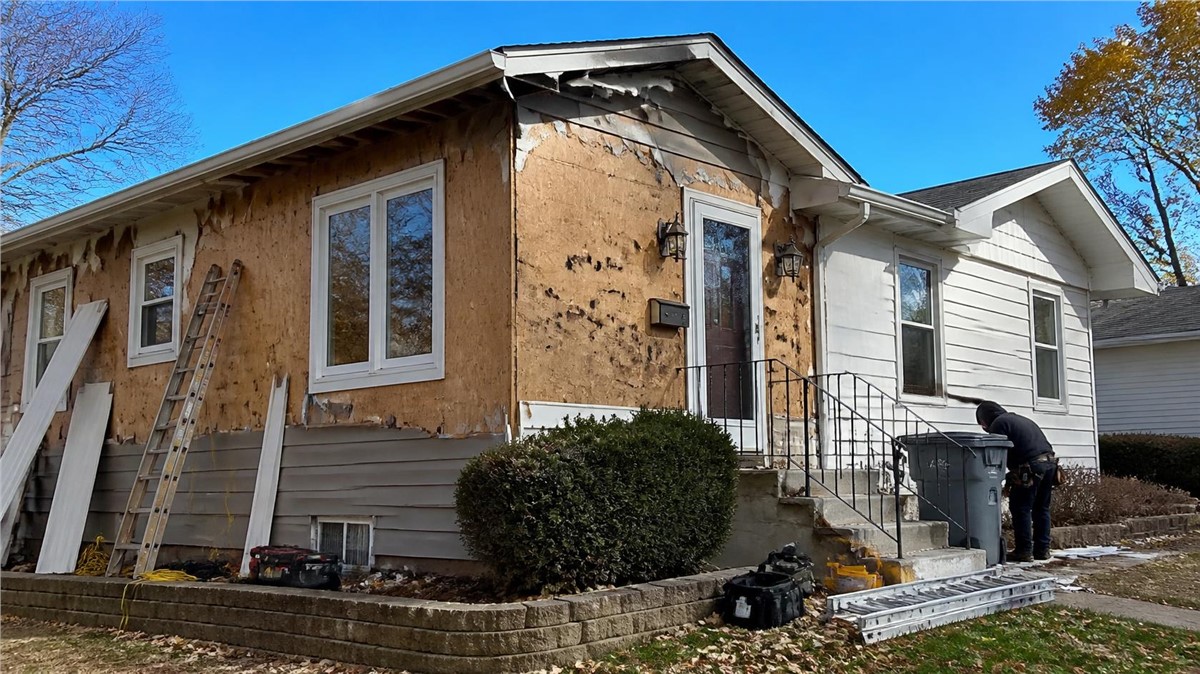
Siding protects the home from wind, rain, snow, ice, pests, and daily weather exposure. If siding is already cracked, loose, warped, or allowing moisture behind the surface, winter weather can make the damage worse.
For homeowners in Monroe, IL, replacing siding before winter can be a smart decision when repairs are no longer enough. Cold temperatures, freeze-thaw cycles, snow buildup, and winter wind can stress weak siding panels, damaged trim, and open seams. Addressing these issues before winter helps the exterior enter the season in better condition.
This guide explains why siding replacement timing matters and what homeowners should check before cold weather arrives.
Why Timing Matters Before Winter
Winter can make siding problems harder to inspect and repair. Snow may cover lower siding sections, freezing temperatures can affect installation conditions, and moisture can enter through existing cracks or gaps.
Replacing siding before winter may help reduce the risk of:
- Moisture behind siding
- Wind-loosened panels
- Cracked or brittle materials
- Damaged trim
- Drafts around openings
- Water stains near windows
- Pest entry points
- Larger repairs in spring
If siding is already failing in fall, waiting until after winter may allow the problem to spread.
Check for Cracks and Gaps
Cracks and gaps are important warning signs. They may seem small, but they can allow wind-driven rain, snow, or moisture behind the exterior surface.
Look for:
- Hairline cracks
- Split panel edges
- Open seams
- Gaps near trim
- Broken corners
- Loose siding channels
- Damage near utility openings
If cracks appear across several areas, siding replacement may be more practical than repeated panel repairs.
Watch for Loose or Warped Panels
Loose or warped siding can leave the wall system exposed. Wind may pull weakened panels farther away from the home during winter storms.
Warning signs include:
- Panels not sitting flat
- Wavy siding sections
- Bulging areas
- Siding that rattles in the wind
- Uneven rows
- Gaps at panel ends
- Pieces found in the yard
If siding is loose across multiple walls, replacement may provide a more complete solution.
Look for Moisture Damage
Moisture is one of the biggest concerns before winter. If water gets behind siding and freezes, it can expand and create more damage.
Possible signs include:
- Dark stains
- Soft trim
- Peeling paint
- Musty odors indoors
- Damp drywall
- Mildew near seams
- Water stains below windows
- Warped panels
Moisture problems should be inspected before replacement so any hidden damage can be addressed.
Check Siding Around Windows and Doors
Windows and doors are common areas for siding-related leaks because they include trim, caulking, flashing, and panel cuts.
Check for:
- Cracked caulking
- Loose trim
- Water stains below windows
- Damp drywall indoors
- Door threshold moisture
- Drafts near frames
- Peeling paint
- Open siding gaps
If window or door areas are already leaking, siding replacement may need to include trim and flashing corrections.
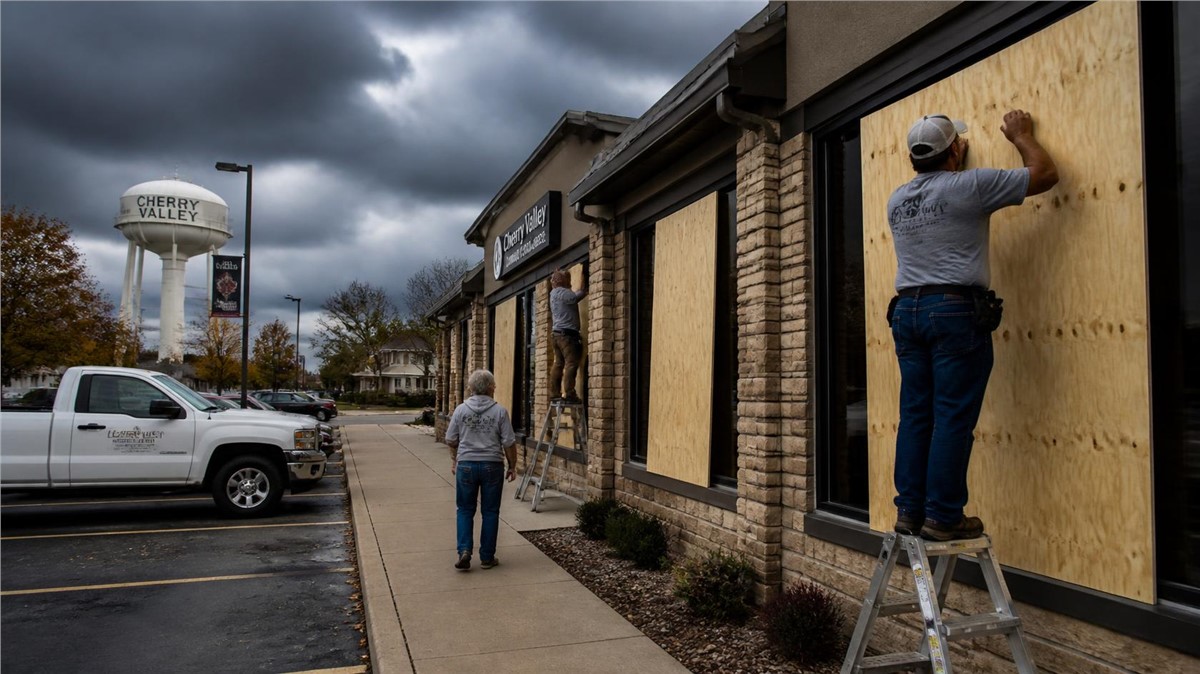
Storm Damage Before Winter
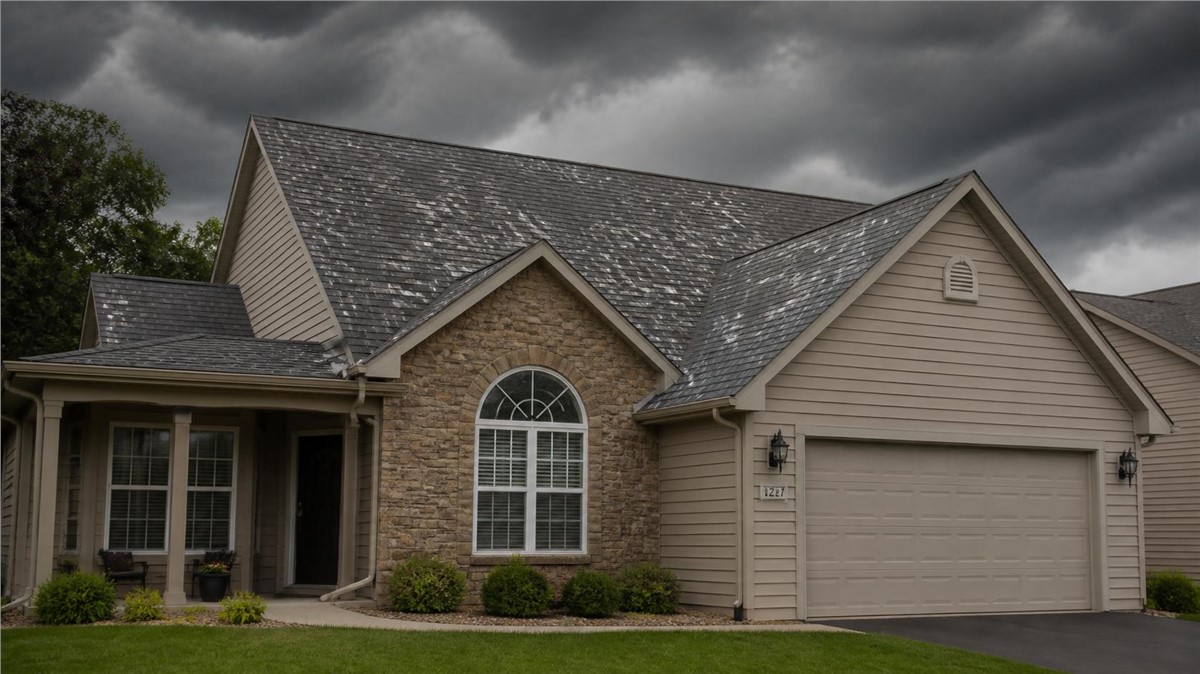
Fall storms can damage siding before colder weather begins. Hail, wind, and debris can crack panels, break corners, or loosen trim.
After storms, look for:
- Cracked siding
- Small holes or punctures
- Broken corners
- Loose panels
- Dented gutters
- Torn screens
- Siding pieces on the ground
- New water stains indoors
If storm damage may involve insurance, contact your insurance provider for policy-specific guidance.
Fading and Aging Siding
Fading alone may be mostly cosmetic, but it can become a concern when siding is also brittle, cracked, warped, or difficult to match for repairs.
Replacement may be worth considering if:
- Color is uneven across several walls
- Repairs no longer match
- Panels feel brittle
- Siding looks washed out
- Several sections are damaged
- Curb appeal has declined
New siding can refresh the exterior while improving protection from weather exposure.
Gutters Can Affect Siding Performance
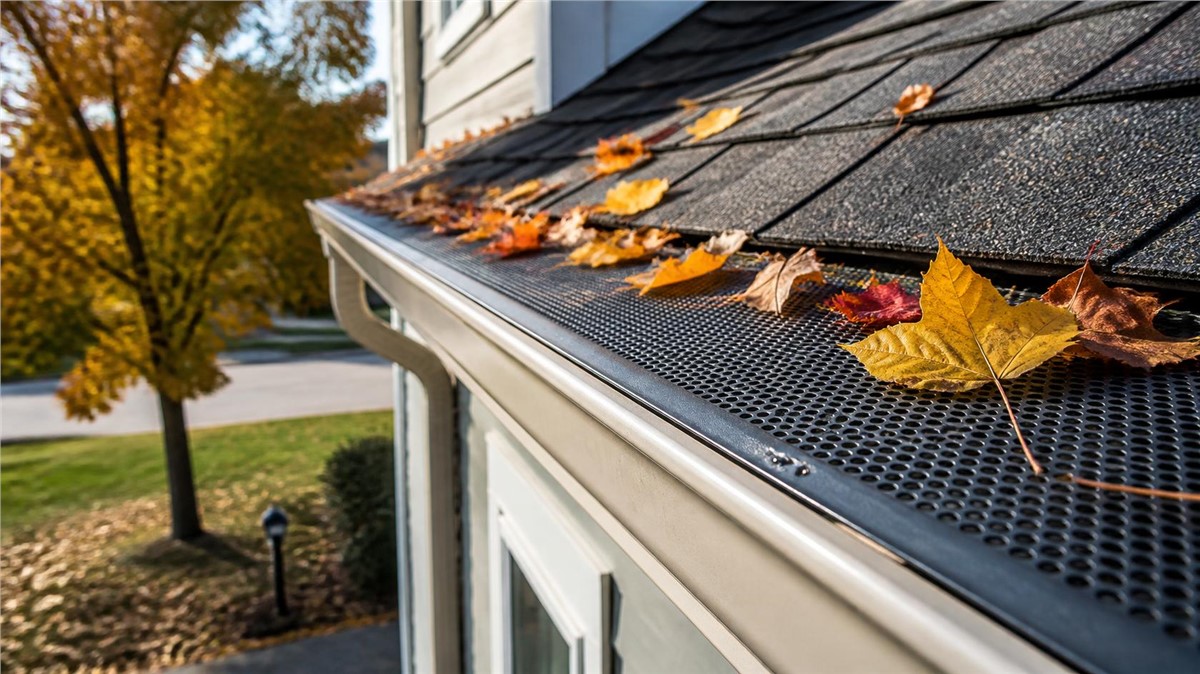
Gutter problems often damage siding and trim. If gutters overflow before winter, water may run down siding and create moisture concerns.
Check for:
- Clogged gutters
- Leaking seams
- Sagging sections
- Water behind gutters
- Short downspout extensions
- Stains below roof edges
- Soft fascia or trim
Before siding replacement, gutters and drainage should be inspected so water problems do not continue after the project.
Lower Siding Areas Need Attention
Lower siding sections are exposed to snow piles, splashback, mulch, landscaping moisture, and impact from lawn or snow equipment.
Look for:
- Cracks near the bottom
- Warped panels
- Dirt buildup
- Moisture stains
- Pest damage
- Siding too close to soil or mulch
- Damage near decks, patios, or walkways
Replacing siding before winter gives homeowners a chance to correct vulnerable lower areas before snow accumulates.
Repair vs Replacement
Some siding problems can be repaired if the damage is limited and the surrounding material is still in good condition.
Repair may make sense if:
- Only a few panels are damaged
- Matching siding is available
- Trim damage is minor
- No hidden moisture is present
- Siding is still secure
Replacement may be better if:
- Damage appears on several walls
- Siding is brittle or warped
- Moisture is behind the panels
- Repairs no longer match
- Storm damage is widespread
- Problems keep returning
A professional inspection can help homeowners compare the best option.
Why Installation Timing Matters
Siding replacement requires proper planning, material selection, removal, preparation, and installation. Starting before winter allows contractors to inspect the wall surface, correct trim or moisture issues, and complete exterior details before harsh weather arrives.
Good installation should address:
- Panel alignment
- Trim details
- Flashing areas
- Window and door transitions
- Vent and utility openings
- Moisture protection
- Cleanup and final inspection
A rushed winter repair may not give the same planning flexibility as a fall project.
Why a Full Exterior Inspection Helps
Siding problems are often connected to roofing, gutters, windows, fascia, soffit, flashing, trim, and drainage. A siding stain may come from gutter overflow. A window leak may come from failed flashing. Loose siding may expose the wall system to winter moisture.
Huskie Exteriors provides roofing, siding, window, gutter, and storm damage restoration services, helping homeowners prepare the full exterior before winter weather arrives.
Conclusion
Siding replacement before winter in Monroe, IL can help homeowners address cracks, gaps, loose panels, moisture damage, storm damage, fading, and trim issues before snow, ice, wind, and freeze-thaw weather make problems worse. Timing matters because fall gives homeowners a better opportunity to inspect, plan, and complete exterior improvements before harsh winter conditions arrive.
If your home has cracked siding, loose panels, moisture stains, damaged trim, gutter overflow, storm damage, or aging siding before winter, Huskie Exteriors can inspect your home and recommend the right next step.
Contact Huskie Exteriors for professional roofing, siding, window, gutter, and storm damage services in Illinois and Wisconsin.
Subscribe to Huskie Exteriors's Blog





Comments