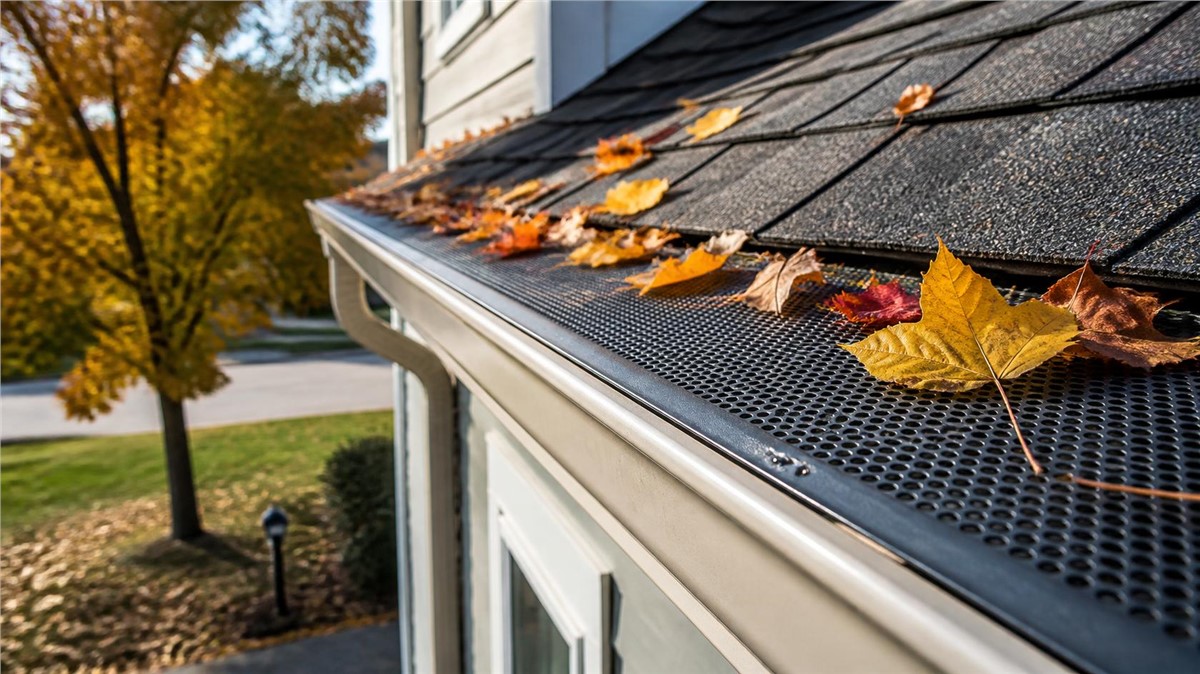
Fall can be one of the hardest seasons for gutters. Leaves, twigs, seed pods, roof granules, and storm debris can collect quickly, especially on homes near trees. If gutters clog before winter, water may overflow, freeze, or back up near the roof edge.
For homeowners in Kirkland, IL, gutter guards may be worth considering before fall leaf drop begins. Gutter guards are designed to block larger debris while still allowing rainwater to move through the gutter system. However, they still need periodic inspection and cleaning because small debris can collect on top or inside the system.
This guide explains when gutter guards are worth adding, when they may not solve the full problem, and what homeowners should check first.
What Gutter Guards Do
Gutter guards are covers, screens, inserts, or mesh systems installed over or inside gutters. Their main job is to reduce the amount of leaves, twigs, and debris entering the gutter channel.
They may help reduce:
- Fall leaf clogs
- Gutter overflow
- Downspout blockages
- Frequent gutter cleaning
- Debris buildup after storms
- Water spilling near the foundation
- Roof edge drainage problems
For homes with trees nearby, gutter guards can make seasonal maintenance more manageable.
What Gutter Guards Do Not Do
Gutter guards are helpful, but they are not a complete replacement for gutter maintenance. Even with guards installed, debris can still collect on top of the guard, around roof valleys, near corners, or at downspout openings.
They do not automatically fix:
- Sagging gutters
- Poor gutter pitch
- Leaking seams
- Loose downspouts
- Damaged fascia
- Undersized gutters
- Poor drainage away from the home
- Existing roof edge problems
If the gutter system is already damaged, guards should not be installed until those issues are addressed.
Why Timing Matters Before Fall
Adding gutter guards before fall gives homeowners time to prepare for leaf drop, rain, and colder weather. Waiting until gutters are already clogged may lead to overflow, ice buildup, or drainage problems.
Before fall, homeowners should check:
- Nearby trees
- Gutter cleanliness
- Downspout flow
- Gutter slope
- Hanger strength
- Fascia condition
- Roof edge drainage
- Foundation drainage
A pre-fall inspection can help determine whether gutter guards are worth adding or whether the gutter system needs repair first.
Signs Gutter Guards May Be Worth It
Gutter guards may be a smart upgrade if your home has repeated gutter problems.
They may be worth considering if:
- You clean gutters several times each year
- Leaves collect quickly after cleaning
- Gutters overflow during rain
- Downspouts clog often
- Trees hang over the roof
- Gutters are difficult or unsafe to access
- Water pools near the foundation
- You want less seasonal maintenance
For many homeowners, the biggest benefit is reducing how often gutters clog during heavy leaf season.
Signs You May Need Gutter Repair First
Gutter guards work best when the gutter system is already in good condition. If gutters are damaged, guards may not perform well.
Repair may be needed first if you notice:
- Sagging gutters
- Leaking seams
- Loose hangers
- Bent sections
- Water behind gutters
- Downspouts draining too close to the home
- Gutters pulling away from fascia
- Standing water inside gutter runs
Installing guards over a failing gutter system can leave the original drainage problem unresolved.
Check Downspouts Before Adding Guards
Downspouts are just as important as the gutters. If downspouts are blocked, undersized, disconnected, or draining too close to the foundation, gutter guards will not solve the full issue.
Check for:
- Slow water flow
- Debris at outlets
- Loose elbows
- Crushed sections
- Short extensions
- Water pooling near the home
- Overflow near downspout connections
The full drainage path should be reviewed before adding guards.
Consider Your Tree Coverage
Homes with heavy tree coverage often benefit more from gutter guards than homes with open rooflines. The type of debris also matters.
Common problem debris includes:
- Large leaves
- Pine needles
- Twigs
- Seed pods
- Small leaf fragments
- Roof granules
- Wind-blown debris
Some debris may sit on top of the guard and still need occasional removal, especially after storms or peak leaf drop.
Consider Roof Design
Roof shape can affect gutter guard performance. Some rooflines send large amounts of water into short gutter sections, valleys, corners, or inside angles.
Pay close attention to:
- Roof valleys
- Steep roof sections
- Inside corners
- Long gutter runs
- Dormers
- Areas below large trees
- Downspout placement
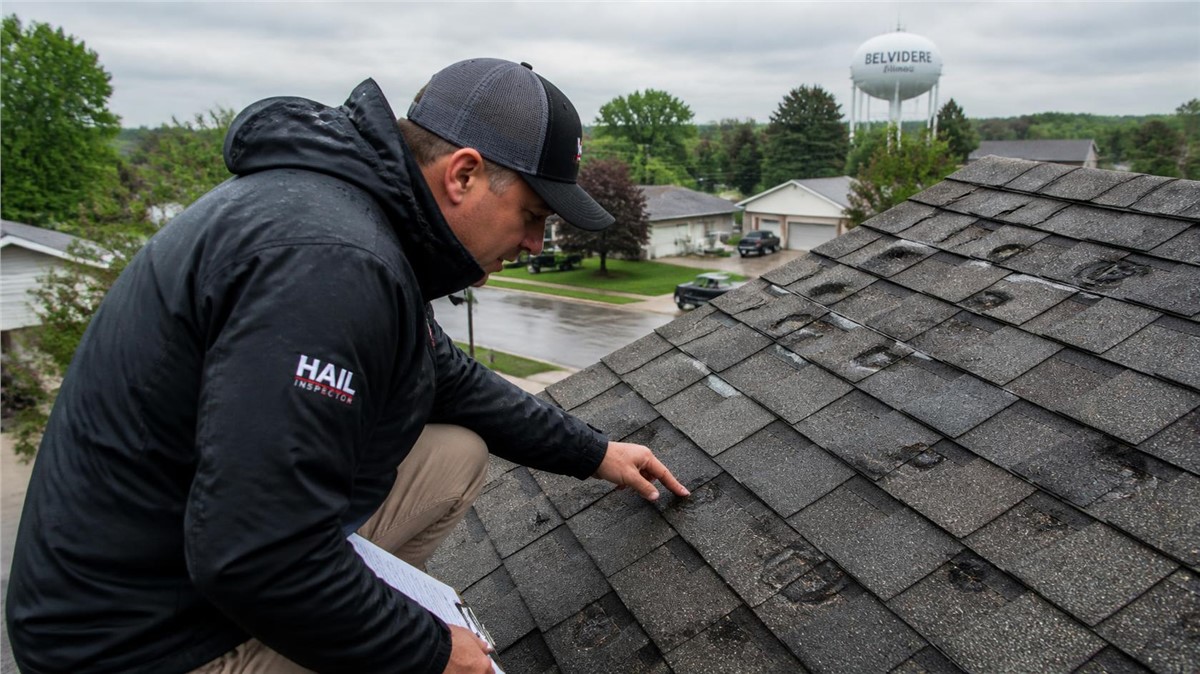
A professional inspection can help determine which sections are most likely to clog or overflow.
Gutter Guards and Winter Preparation
Gutter guards can help reduce leaf-related clogs before winter, but they do not prevent every ice concern. Snow, ice, freezing rain, and freeze-thaw cycles can still affect gutters and roof edges.
Before winter, make sure:
- Gutters are clean
- Guards are secure
- Downspouts are clear
- Water drains away from the home
- Roof edges are inspected
- Fascia and soffit are in good condition
A gutter guard system should be part of winter preparation, not the only step.
Maintenance Still Matters
Even with gutter guards, homeowners should plan for routine checks. Industry guidance commonly notes that guards reduce maintenance but do not eliminate cleaning entirely.
Maintenance may include:
- Removing debris from guard surfaces
- Checking corners and valleys
- Inspecting downspout openings
- Looking for sagging sections
- Checking for leaks
- Reviewing drainage during rain
The goal is fewer clogs and easier maintenance, not zero maintenance.
Are Gutter Guards Worth Adding?
Gutter guards can be worth adding when they are installed on a clean, properly pitched, secure gutter system. They are especially helpful for homes with trees, frequent clogs, difficult gutter access, or repeated overflow.
They may not be worth it if:
- Gutters need replacement first
- Downspouts are poorly placed
- Drainage problems are caused by grading
- Roof edge issues are present
- The home has very little debris exposure
- The homeowner expects no maintenance at all
The best answer depends on your roofline, trees, gutter condition, and maintenance goals.
Why a Full Exterior Inspection Helps
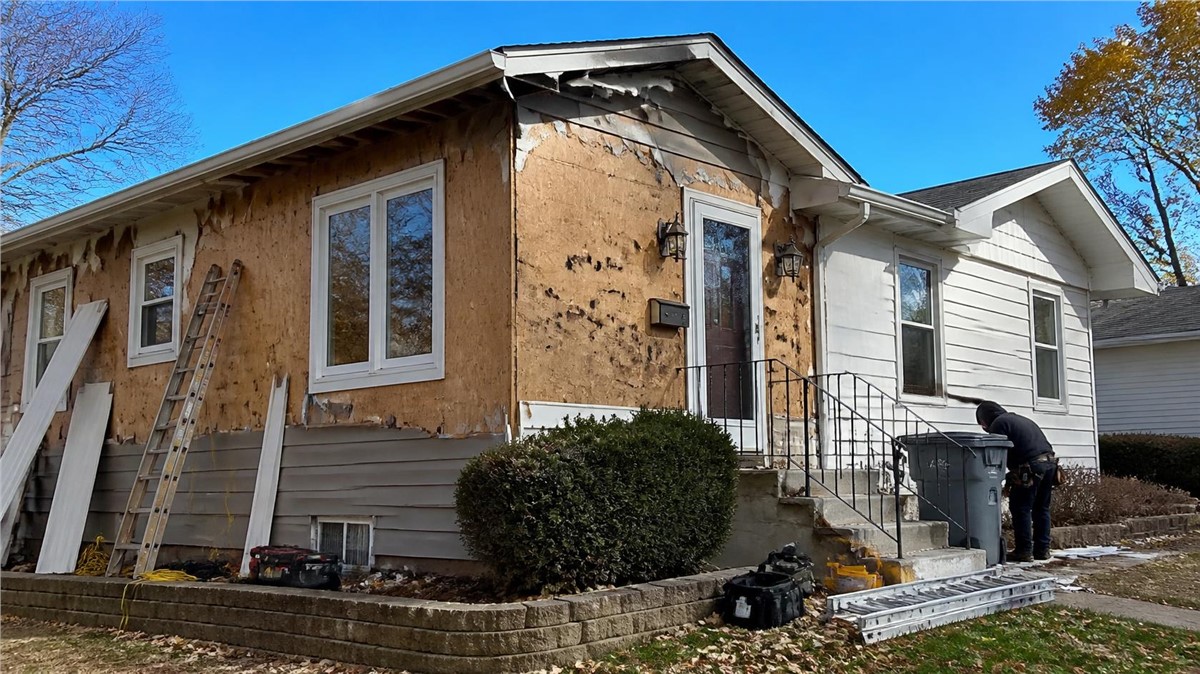
Gutter problems are often connected to roofing, fascia, soffit, siding, windows, trim, and drainage. Overflowing gutters can stain siding, damage roof edges, soak fascia, and send water toward the foundation.
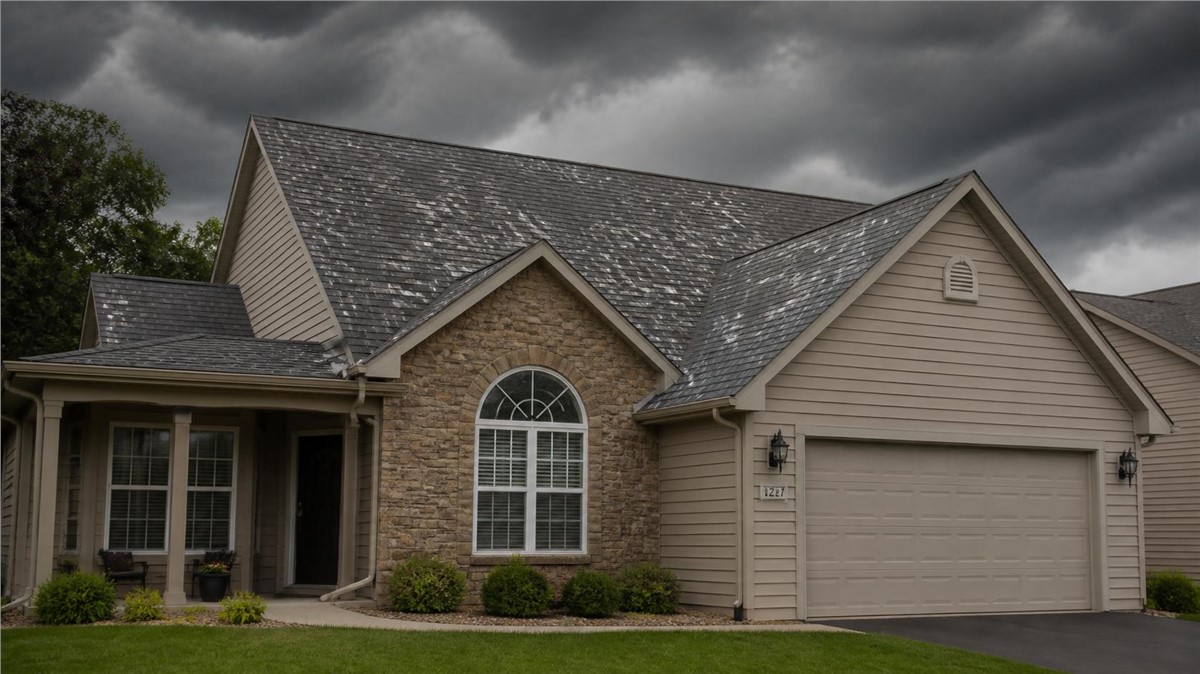
Huskie Exteriors provides roofing, siding, window, gutter, and storm damage restoration services, helping homeowners decide whether gutter guards, gutter repair, or gutter replacement makes the most sense before fall.
Conclusion
Gutter guards before fall in Kirkland, IL can be worth adding for homeowners who want fewer clogs, less frequent cleaning, and better leaf-season drainage. However, they should be installed on gutters that are clean, secure, properly pitched, and connected to clear downspouts.
If your home has frequent gutter clogs, overflowing sections, tree debris, loose gutters, drainage problems, or fall maintenance concerns, Huskie Exteriors can inspect your gutter system and recommend the right next step.
Contact Huskie Exteriors for professional roofing, siding, window, gutter, and storm damage services in Illinois and Wisconsin.
Subscribe to Huskie Exteriors's Blog






Comments