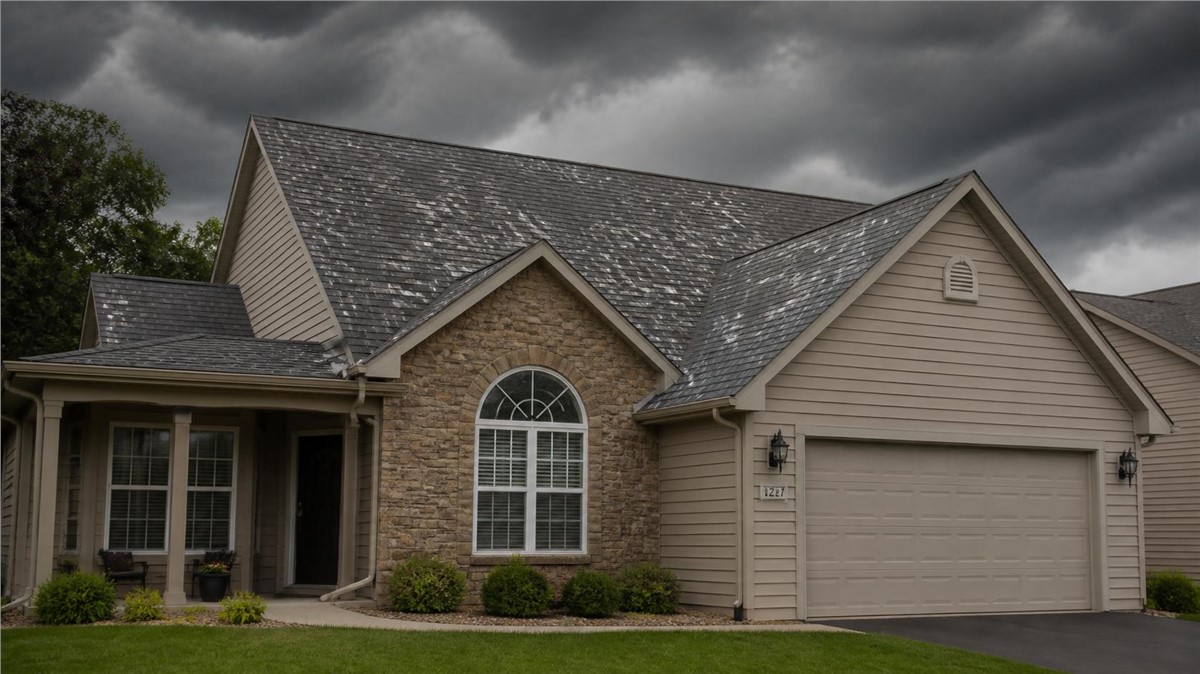
Hail damage can be stressful because it often affects more than one part of the home. A single storm may damage shingles, siding, gutters, downspouts, vents, trim, screens, and windows. Some damage is easy to see, while roof damage may be harder to confirm from the ground.
For homeowners in Marengo, IL, timing matters after a hailstorm. Waiting too long can allow rain, heat, wind, or future storms to make damaged materials worse. Before repairs begin, homeowners should understand the inspection process, documentation, insurance claim steps, and contractor role.
This guide explains what to know before starting hail damage repairs.
Start with Safety First
After a hailstorm, do not climb onto the roof or use ladders on wet surfaces. Hail, rain, loose shingles, and storm debris can create unsafe conditions.
From the ground, look for:
- Dented gutters
- Cracked siding
- Torn screens
- Missing shingles
- Shingle pieces in the yard
- Damaged roof vents
- Water stains indoors
- Fallen branches or debris
If damage is visible, schedule a professional exterior inspection.
Document the Storm Damage
Photos and notes help homeowners stay organized before repairs begin. Documentation may also help when talking with your insurance provider.
Record:
- Date of the storm
- Visible roof concerns
- Dented gutters
- Cracked siding
- Torn screens
- Window damage
- Interior water stains
- Fallen debris
- Temporary repair needs
Take photos from safe areas only. Do not climb onto the roof for close-up pictures.
Contact Your Insurance Provider
If you believe hail damage may be covered, contact your insurance provider for policy-specific guidance. The Illinois Department of Insurance explains that the claim process may begin with a proof-of-loss form or contact from a claims adjuster.
Your insurance provider can explain:
- Whether a claim should be filed
- Your deductible
- What documentation is needed
- How the adjuster inspection works
- What your policy may or may not cover
- Whether temporary repairs are allowed
- What deadlines may apply
Every policy is different, so homeowners should rely on their insurance provider for coverage details.
Understand Your Deductible
A deductible is the amount the policyholder pays out of pocket on a claim before insurance payment applies. The Illinois Department of Insurance defines a deductible as the dollar amount you must pay out of pocket for each claim before the insurance company begins paying.
Before repairs begin, ask your insurance provider:
- What is my deductible?
- Is it a flat amount or percentage-based?
- Does wind or hail have a separate deductible?
- How is payment issued?
- What happens if hidden damage is found?
- What documentation should I keep?
Understanding the deductible early can help avoid confusion once repair planning begins.
Be Careful with Deductible Promises
Homeowners should be cautious if anyone promises to “cover,” “waive,” or “rebate” the deductible. Illinois law states that home repair or remodeling contractors cannot advertise or promise to pay or rebate all or part of an insurance deductible as an inducement to the sale of goods or services.
A reputable contractor should explain the repair scope clearly, not pressure homeowners with deductible shortcuts.
Know the Contractor’s Role
A contractor can inspect visible exterior damage, provide repair recommendations, prepare estimates, and complete approved work. However, the insurance company determines coverage based on the policy and claim review.
Illinois law also says contractors offering repair services related to insurance proceeds cannot represent or offer to represent a homeowner on an insurance claim.
That means homeowners should communicate directly with their insurance provider about coverage, claim decisions, and policy questions.
Check the Roof Carefully
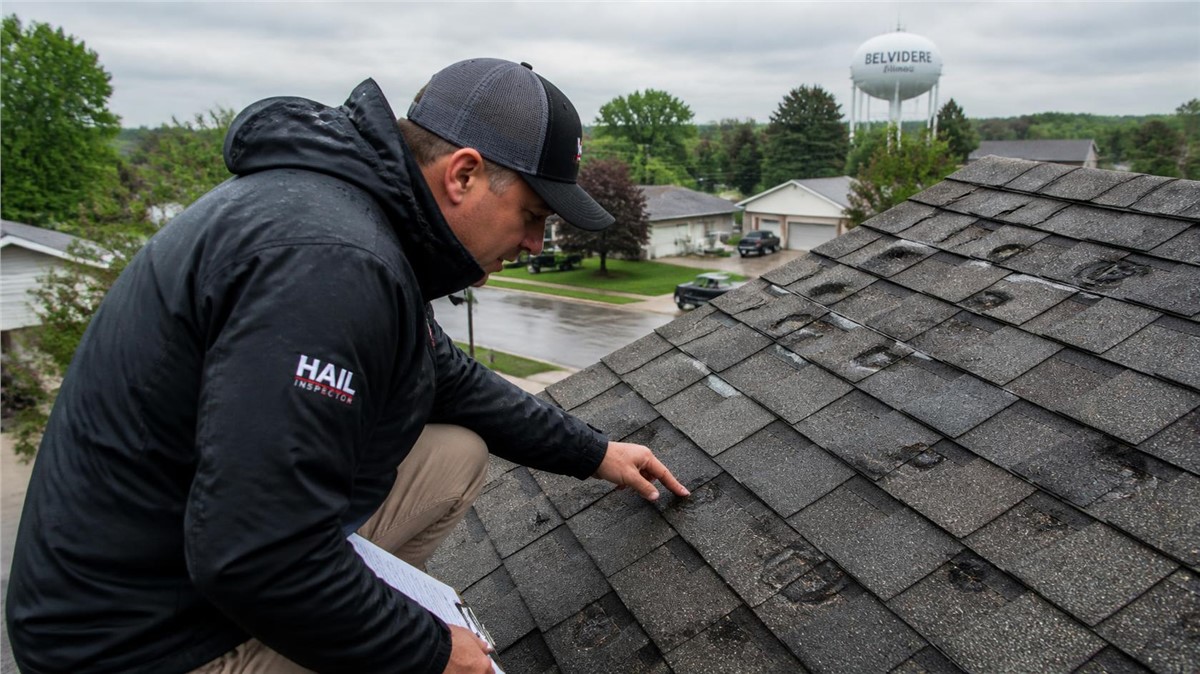
Hail roof damage is not always obvious from the ground. Shingles may look normal while granules or the shingle mat are damaged.
A professional inspection may look for:
- Bruised shingles
- Granule loss
- Cracked shingles
- Dented vents
- Damaged ridge caps
- Loose flashing
- Exposed asphalt
- Soft impact areas
Even if there is no leak right away, damaged shingles can weaken over time.
Inspect Gutters and Downspouts
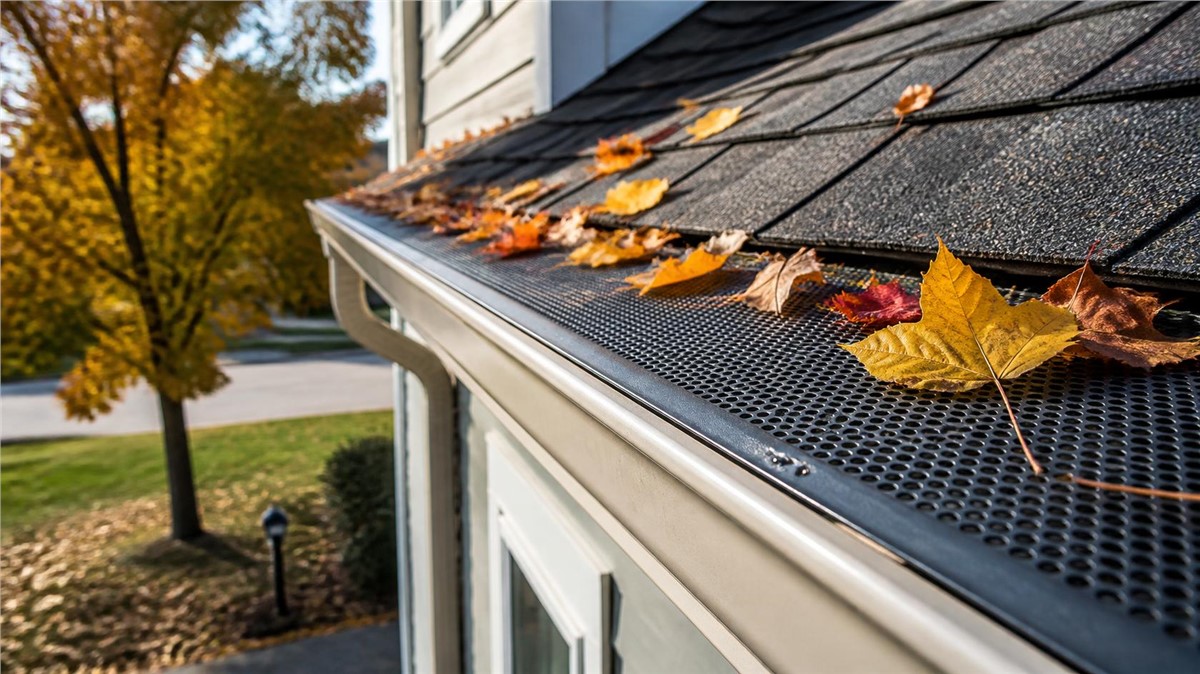
Gutters and downspouts often show hail impact clearly. Dents may indicate that the storm also affected the roof and siding.
Look for:
- Dented gutters
- Dented downspouts
- Bent elbows
- Loose hangers
- Leaking seams
- Sagging sections
- Damaged gutter guards
- Granules at downspout outlets
Gutter damage can affect drainage and lead to roof edge, siding, fascia, soffit, and foundation problems.
Look at Siding, Windows, and Trim
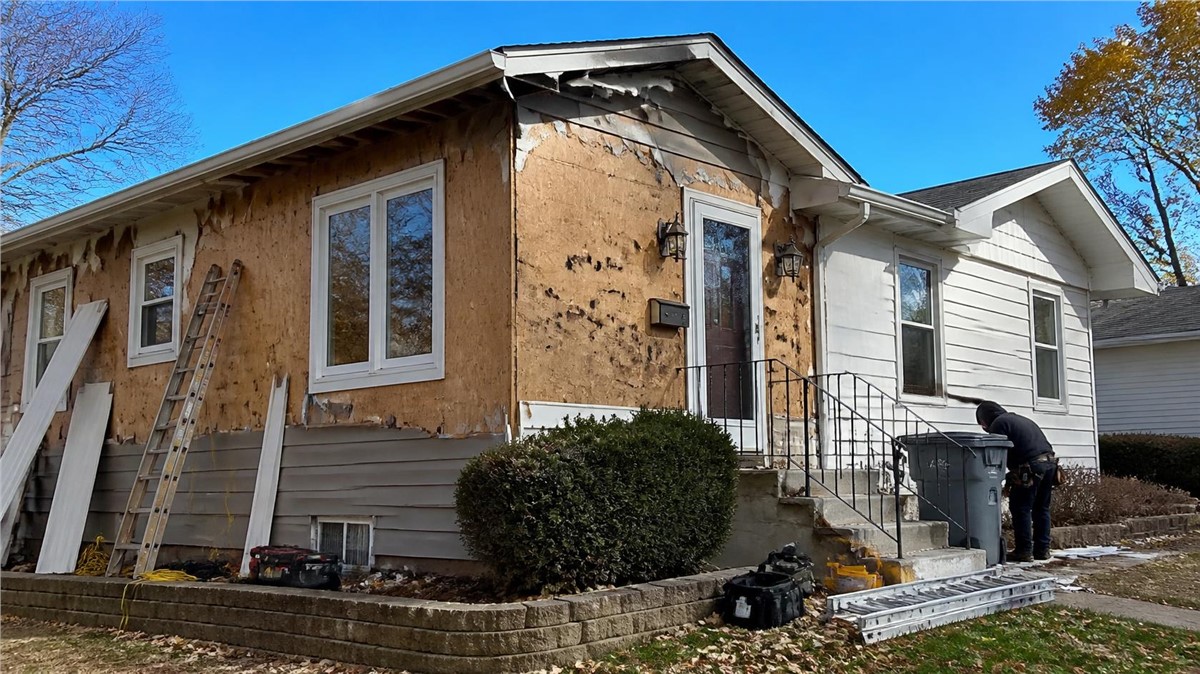
Hail can crack siding, dent trim, tear screens, and damage window components. Storm-facing walls may have the most visible damage.
Check for:
- Cracked siding
- Small holes
- Broken corners
- Loose panels
- Dented trim
- Torn screens
- Cracked glass
- Water stains below windows
Damage around windows should be inspected because moisture may enter around siding, trim, or flashing.
Watch for Interior Moisture
Hail damage may not cause a leak immediately. Moisture can appear later after heavy rain or snowmelt.
Interior warning signs include:
- Ceiling stains
- Damp drywall
- Bubbling paint
- Musty odors
- Wet attic insulation
- Dark roof decking
- Water near light fixtures
- Moisture near exterior walls
If water appears near electrical fixtures, avoid touching the area and contact a professional.
Review the Repair Scope Before Work Begins
Before repairs start, make sure the repair scope is clear. Homeowners should understand what areas are being repaired, what materials are being used, and whether the work includes related exterior components.
Review:
- Roof repair or replacement details
- Siding repair areas
- Gutter and downspout work
- Window or screen damage
- Flashing and vent repairs
- Fascia and soffit concerns
- Cleanup details
- Timeline
- Warranty information
A clear scope helps reduce confusion during the project.
Ask About Hidden Damage
Sometimes hidden damage is found after repairs begin. For example, moisture may be present behind siding, roof decking may be damaged, or flashing issues may be worse than expected.
If there is a difference between repair cost and claim details, the Illinois Department of Insurance advises homeowners to contact the insurance company representative and try to resolve the difference.
Keeping photos, notes, and contractor documentation can help support clear communication.
Why a Full Exterior Inspection Helps
Hail can affect roofing, siding, gutters, windows, flashing, fascia, soffit, and trim during the same storm. Looking only at the roof may miss other damaged exterior areas.
Huskie Exteriors provides roofing, siding, window, gutter, and storm damage restoration services, helping homeowners evaluate the full exterior before repairs begin.
Conclusion
Hail claim help in Marengo, IL begins with safe documentation, professional inspection, direct communication with your insurance provider, and a clear repair scope. Homeowners should understand their deductible, avoid unrealistic promises, and make sure roof, siding, gutters, windows, flashing, fascia, and soffit are checked before repairs begin.
If your home has hail damage, roof concerns, dented gutters, cracked siding, window damage, leaks, or storm-related exterior issues, Huskie Exteriors can inspect your home and recommend the right next step.
Contact Huskie Exteriors for professional roofing, siding, window, gutter, and storm damage services in Illinois and Wisconsin.
Subscribe to Huskie Exteriors's Blog






Comments