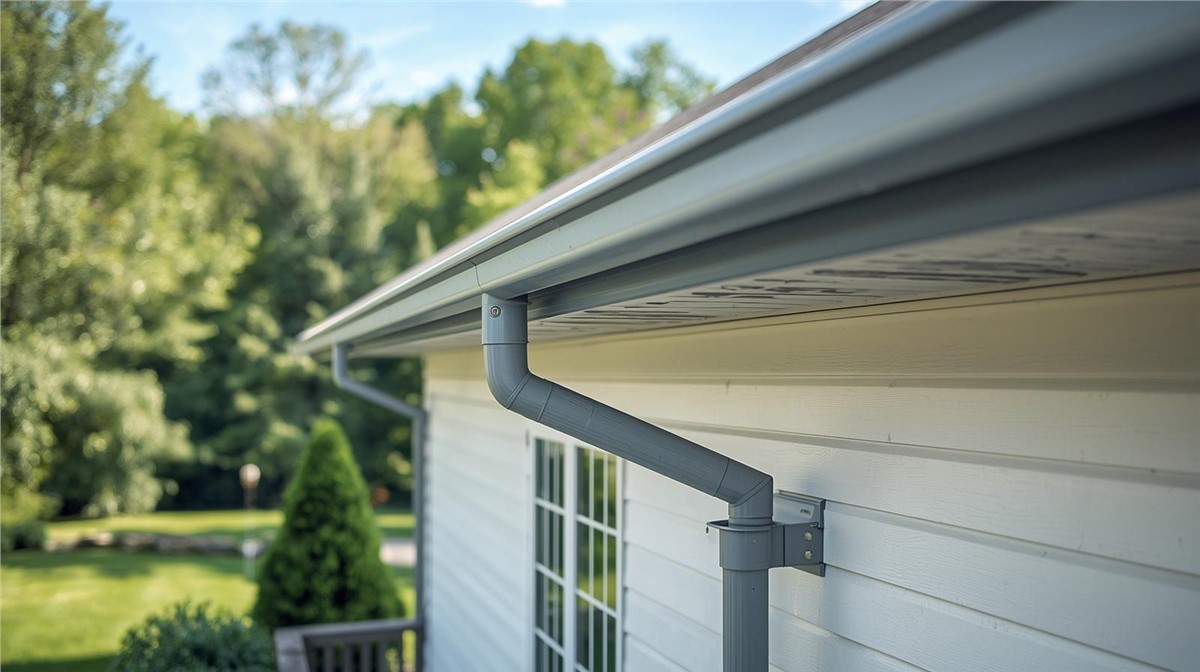
Gutters play a major role in protecting your home from water damage. When they work properly, they move rainwater and melting snow away from the roof, siding, fascia, soffit, foundation, landscaping, and basement.
For homeowners in Edgerton, WI, gutter estimates should account for local weather conditions. Heavy rain, snow, ice, wind, hail, falling leaves, and freeze-thaw cycles can all affect how well gutters perform. A good estimate should explain more than a price. It should show what was inspected, what materials are included, and how the system will move water away from the home.
Knowing what should be included in a gutter estimate can help homeowners compare options and avoid missing important drainage details.
Why a Detailed Gutter Estimate Matters
A gutter system is not just a line of metal along the roof edge. It includes gutters, downspouts, hangers, outlets, end caps, elbows, extensions, and drainage planning.
A detailed estimate helps explain:
- What gutter issues were found
- Whether repair or replacement is recommended
- What material and size are included
- How many downspouts are needed
- Where water will drain
- Whether fascia or soffit repairs are needed
- What may affect cost
- What cleanup and warranty details apply
The lowest estimate is not always the best value if drainage details are missing.
Inspection Findings
A gutter estimate should begin with inspection findings. This helps homeowners understand the condition of the existing system.
Inspection findings may include:
- Sagging gutters
- Leaking seams
- Loose fasteners
- Rust, cracks, or holes
- Dented sections from hail
- Clogged outlets
- Downspouts draining too close to the home
- Water pooling near the foundation
- Fascia or soffit damage
- Siding stains below gutters
- Ice buildup near rooflines
These findings should support the contractor’s recommendation for repair, replacement, or upgrades.
Repair or Replacement Recommendation
A good gutter estimate should clearly explain whether repair or replacement is the better option.
Gutter repair may make sense if:
- One section is loose
- One seam is leaking
- One downspout needs reattachment
- A small slope adjustment is needed
- Debris is causing temporary overflow
- The gutter system is still in good condition overall
Gutter replacement may be better if:
- Gutters sag in several areas
- Multiple seams leak
- Gutters overflow often
- Rust, cracks, or holes are present
- Downspouts are poorly placed
- Fascia damage is present
- Repairs are becoming frequent
- The system is undersized or outdated
The estimate should explain why repair or replacement is being recommended.
Gutter Material
The estimate should list the gutter material being used. Material affects appearance, durability, maintenance, and cost.
Common gutter materials include:
- Aluminum
- Steel
- Copper
- Vinyl
- Specialty metals
Aluminum is a common residential choice because it is lightweight, rust-resistant, and practical for many homes. Steel may offer added strength. Copper is usually a premium option. The estimate should clearly state the selected material and finish.
Gutter Size and Style
Gutter size matters because the system must handle water coming off the roof. If gutters are too small or poorly sloped, they may overflow during heavy rain.
A gutter estimate may include:
- Gutter size
- Gutter profile
- Seamless or sectional design
- Number of gutter runs
- Inside and outside corners
- End caps
- Outlets
- Hanger spacing
For homes in Edgerton, gutters should be planned for heavy rain, snowmelt, and seasonal debris.
Linear Footage
Gutter estimates should include the total linear footage of gutters being installed or replaced. This helps homeowners understand the project size.
Linear footage may include:
- Front roofline sections
- Rear roofline sections
- Garage areas
- Porches
- Additions
- Detached structures if included
- Long roof runs
- Corner sections
Accurate measurement helps create a clearer estimate and prevents confusion during installation.
Downspout Placement
Downspouts are one of the most important parts of the gutter system. Gutters collect water, but downspouts move it away from the home.
A good estimate should explain:
- Number of downspouts
- Downspout locations
- Downspout size
- Elbows and extensions
- Drainage direction
- Areas where water should not drain
- Basement window concerns
- Walkway or driveway concerns
Downspouts should not dump water directly beside the foundation or toward low areas around the home.
Drainage Planning
A gutter estimate should include drainage planning, not just gutter installation. Poor drainage can still cause problems even when gutters are new.
Drainage concerns may include:
- Water pooling near the foundation
- Soil erosion
- Basement moisture
- Water crossing walkways
- Ice buildup near entrances
- Downspouts draining toward landscaping beds
- Low spots around the home
Downspout extensions, splash blocks, or drainage adjustments may be needed to help move water away safely.
Old Gutter Removal
If old gutters need to be removed, the estimate should explain whether removal and disposal are included.
Old gutter removal may reveal:
- Soft fascia
- Damaged soffit
- Old fastener holes
- Water stains
- Roof edge damage
- Hidden rot
- Areas where water was running behind the gutter
Removing old gutters also gives the contractor a chance to inspect the roof edge before installing the new system.
Fascia and Soffit Condition
Gutters attach to the fascia, so these areas should be checked before installation. If fascia is soft, rotted, or damaged, new gutters may not hold properly.
The estimate should note concerns such as:
- Soft fascia boards
- Peeling paint
- Water stains
- Loose soffit panels
- Mold or mildew near roof edges
- Damaged roof edge materials
- Old fastener damage
If fascia or soffit repairs are needed, they should be addressed before or during gutter installation.
Seamless Gutters
Many homeowners choose seamless gutters because they reduce the number of joints along the gutter run.
Potential benefits include:
- Fewer leak points
- Cleaner appearance
- Custom fit
- Better long-term performance
- Reduced seam maintenance
- Improved drainage layout
A gutter estimate should state whether the system is seamless or sectional so homeowners know exactly what they are comparing.
Gutter Guards
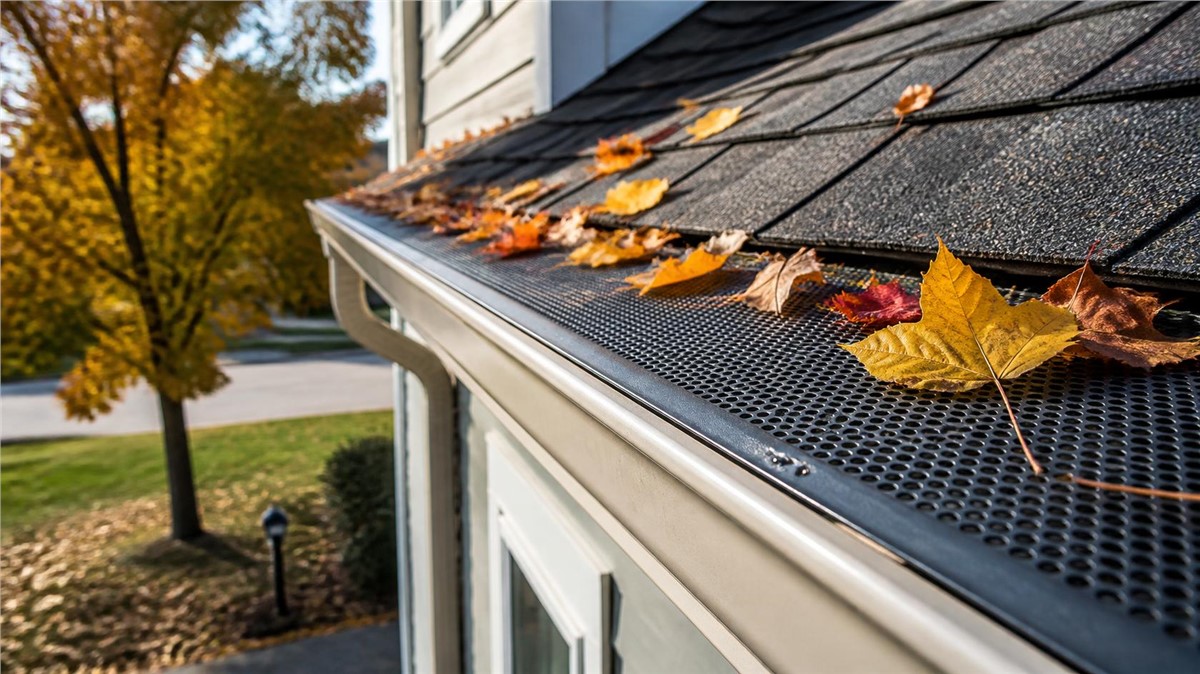
Gutter guards may be included as an option in the estimate. They can help reduce leaves, sticks, and larger debris from entering the gutter system.
Gutter guards may be useful for homes with:
- Nearby trees
- Frequent clogs
- Heavy fall leaf buildup
- Hard-to-reach gutters
- Repeated overflow problems
However, gutter guards do not make gutters maintenance-free. Small debris, roof granules, seeds, and ice can still affect performance.
Storm Damage Documentation
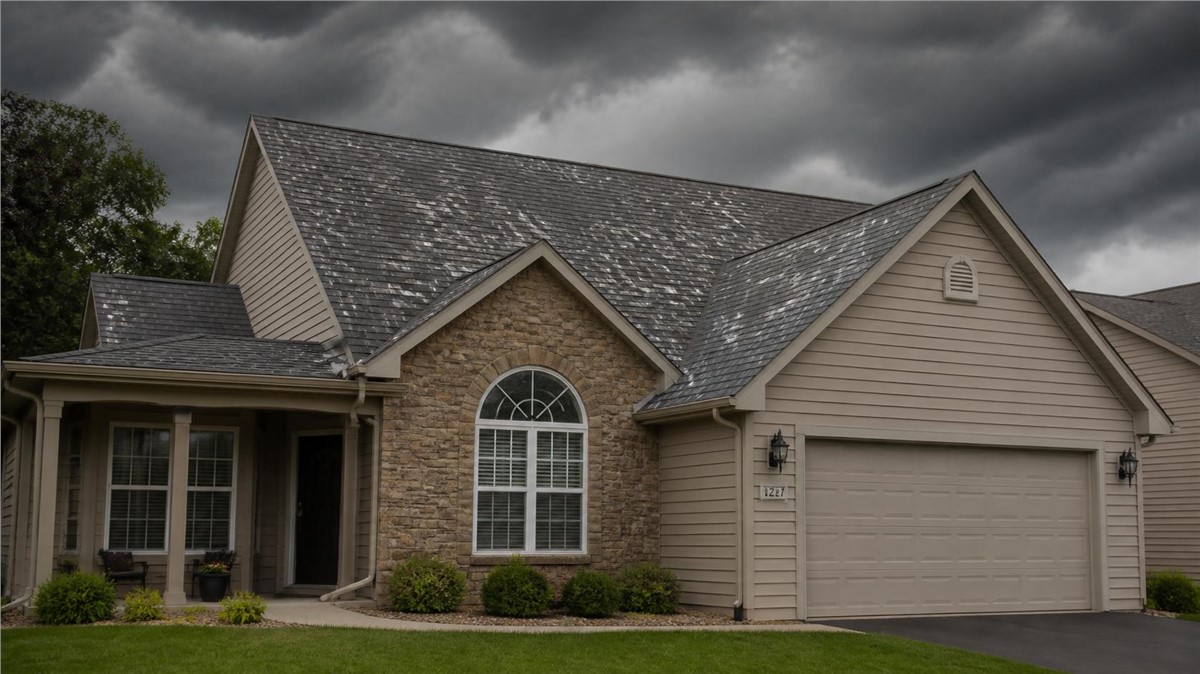
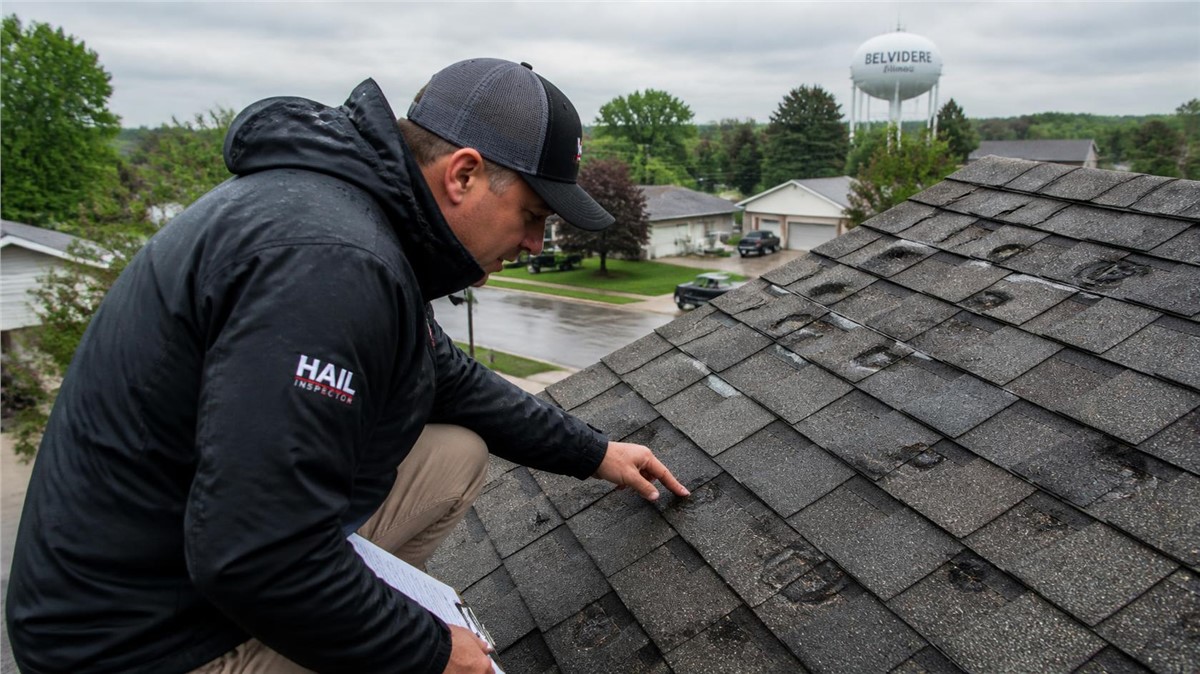
Edgerton homes can be affected by hail, wind, heavy rain, snow, and ice. If the gutter estimate is related to storm damage, documentation is important.
Storm damage may include:
- Dented gutters
- Dented downspouts
- Loose fasteners
- Gutters pulling away
- Damaged gutter guards
- Siding stains
- Roof edge damage
- Water pooling near the foundation
If hail damaged the gutters, the roof, siding, windows, fascia, and soffit should also be inspected.
Labor, Cleanup, and Disposal
A complete gutter estimate should explain labor, cleanup, and disposal. Homeowners should know how the work area will be handled.
This may include:
- Old gutter removal
- Disposal of debris
- Installation labor
- Downspout installation
- Fastener replacement
- Jobsite cleanup
- Protection for landscaping
- Final walkthrough
Cleanup matters because gutter projects can involve metal pieces, old fasteners, sealant, packaging, and debris.
Timeline Expectations
A gutter estimate should include general timeline expectations. The schedule may depend on home size, material availability, weather, fascia repairs, and project complexity.
Timeline factors may include:
- Total gutter footage
- Number of downspouts
- Home height
- Old gutter removal
- Fascia or soffit repair needs
- Weather delays
- Gutter guard installation
- Cleanup requirements
Heavy rain, high wind, snow, or icy conditions may delay work for safety and installation quality.
Warranty Information
Warranty information should be explained before work begins. Homeowners should understand what protection applies to the gutter materials and the installation.
Ask about:
- Material warranty
- Workmanship warranty
- Finish coverage
- Gutter guard warranty if included
- Maintenance requirements
- What may void coverage
- How warranty concerns are handled
Clear warranty details help homeowners understand the long-term value of the project.
Cost Factors
A gutter estimate should explain what affects the total cost.
Common cost factors include:
- Linear footage
- Gutter material
- Gutter size
- Seamless or sectional design
- Number of downspouts
- Home height
- Roofline complexity
- Old gutter removal
- Fascia or soffit repairs
- Gutter guards
- Drainage extensions
- Labor and cleanup
A detailed estimate makes it easier to compare gutter options fairly.
Questions to Ask Before Approving a Gutter Estimate
Before approving gutter work, homeowners should ask clear questions.
Helpful questions include:
- What gutter problems did you find?
- Do I need repair or replacement?
- What material is included?
- Are the gutters seamless?
- How many downspouts are included?
- Where will the downspouts drain?
- Is old gutter removal included?
- Is fascia or soffit repair needed?
- Are gutter guards recommended?
- What cleanup and warranty are included?
A good contractor should explain the drainage plan clearly.
Why a Full Exterior Inspection Helps
Gutters work with the full exterior system. Roofing, siding, windows, fascia, soffit, trim, flashing, and foundation drainage all affect how water moves around the home.
A full exterior inspection may include:
- Gutters and downspouts
- Roofing and roof edges
- Siding
- Windows and trim
- Fascia and soffit
- Flashing
- Foundation drainage
- Storm damage areas
Huskie Exteriors provides roofing, siding, window, gutter, and storm damage restoration services, helping homeowners evaluate the full exterior system.
Why Local Exterior Experience Matters
A local contractor understands how Wisconsin weather affects gutter systems. In Edgerton, WI, gutters need to handle heavy rain, snowmelt, ice, hail, wind, leaves, and freeze-thaw cycles.
Local experience helps homeowners understand whether gutter issues are caused by clogs, storm damage, poor slope, aging materials, fascia damage, or drainage problems.
Conclusion
A gutter estimate in Edgerton, WI should include inspection findings, repair or replacement recommendations, gutter material, linear footage, gutter size, downspout placement, drainage planning, old gutter removal, fascia and soffit concerns, gutter guard options, cleanup, timeline, warranty information, and cost factors. The more detailed the estimate, the easier it is to understand the full project scope.
If your gutters are sagging, leaking, clogged, overflowing, dented, or draining too close to your home, Huskie Exteriors can inspect your exterior and recommend the right next step.
Contact Huskie Exteriors for professional roofing, siding, window, gutter, and storm damage services in Illinois and Wisconsin.
Subscribe to Huskie Exteriors's Blog






Comments