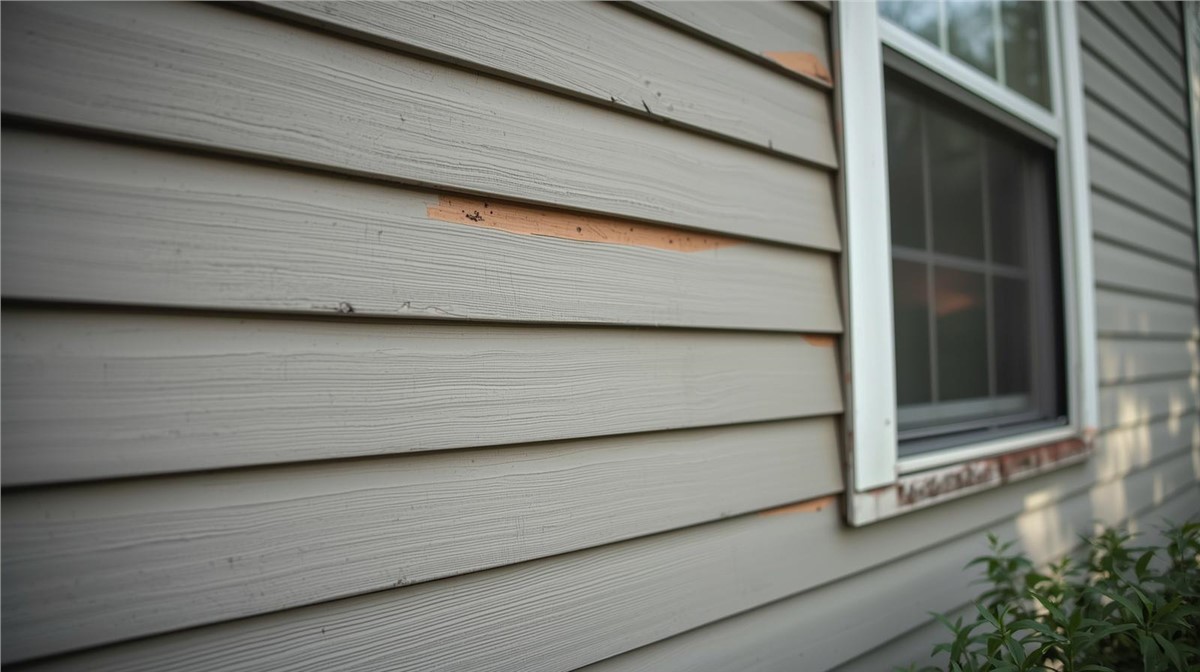
Getting a siding estimate is an important step when your home has cracked panels, storm damage, moisture issues, fading, loose sections, or aging exterior materials. But not every estimate includes the same level of detail.
For homeowners in Muskego, WI, siding estimates should account for local weather conditions. Hail, wind, heavy rain, snow, ice, humidity, and freeze-thaw cycles can all affect siding performance. A good estimate should explain more than the price. It should show what was inspected, what work is recommended, and what details are included in the project.
Knowing what should be included in a siding estimate can help homeowners compare options and make a confident decision.
Why a Detailed Siding Estimate Matters
Siding is more than an exterior finish. It helps protect the wall system underneath from moisture, pests, wind-driven rain, and temperature changes. If important details are missed during installation, new siding may not perform as expected.
A detailed estimate helps explain:
- What damage was found
- Whether repair or replacement is recommended
- What siding material is included
- What trim and flashing details are needed
- Whether moisture damage is present
- What may affect cost
- How long the project may take
- What warranties apply
The lowest estimate is not always the best value if key details are missing.
Inspection Findings
A siding estimate should start with the contractor’s inspection findings. This helps homeowners understand the current condition of the exterior.
Inspection findings may include:
- Cracked siding
- Loose panels
- Warped or buckled areas
- Hail damage
- Wind damage
- Fading or brittleness
- Soft trim
- Moisture stains
- Gaps around windows or doors
- Damaged corner pieces
- Siding pulling away from the wall
These findings should support the contractor’s recommendation for repair or replacement.
Repair or Replacement Recommendation
A good siding estimate should clearly explain whether repair or replacement is the better option.
Siding repair may make sense if:
- Damage is isolated
- Only a few panels are affected
- Matching material is available
- Trim damage is minor
- No hidden moisture damage is found
- The siding is still in good condition overall
Siding replacement may be better if:
- Damage affects multiple walls
- Siding is faded, brittle, or warped
- Storm damage is widespread
- Moisture damage is present
- Repairs would not match well
- Panels keep coming loose
- The home needs a full curb appeal update
The estimate should explain why one option is recommended over the other.
Siding Material Details
The estimate should list the siding material being recommended. Different materials affect appearance, maintenance, durability, and cost.
Common siding options include:
- Vinyl siding
- Insulated vinyl siding
- Fiber cement siding
- Engineered wood siding
- Wood siding
- Metal or accent siding materials
The estimate should also include the siding profile, color, texture, and any accent materials. Homeowners should know exactly what product is being installed.
Tear-Off and Old Siding Removal
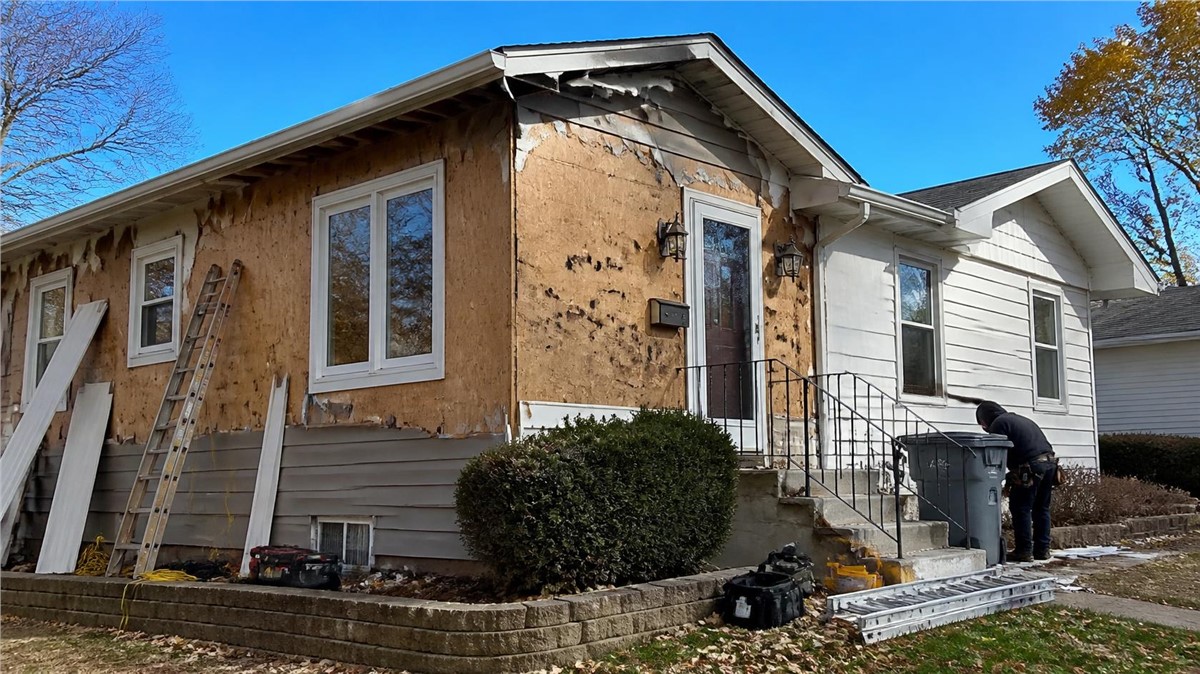
If old siding needs to be removed, the estimate should explain the tear-off process. Removing old siding allows the contractor to inspect the wall surface underneath.
Tear-off may reveal:
- Moisture damage
- Rotted sheathing
- Damaged house wrap
- Pest damage
- Poor previous installation
- Hidden storm damage
- Soft areas around windows or doors
Old siding removal, disposal, and wall inspection should be clearly addressed in the estimate.
Moisture and Wall Condition
Moisture damage can affect the siding project. If water has entered behind the old siding, repairs may be needed before new siding is installed.
Warning signs include:
- Soft trim
- Dark stains
- Mold or mildew
- Musty odors
- Warped siding
- Interior wall stains
- Peeling paint near exterior walls
- Water marks below windows
- Damp insulation
A siding estimate should explain how moisture concerns will be handled if they are found during the project.
House Wrap and Weather Barrier
A proper siding system needs protection behind the panels. House wrap or a weather-resistant barrier helps manage moisture and air movement around the wall system.
The estimate should explain whether the project includes:
- New house wrap
- Existing barrier inspection
- Moisture barrier repairs
- Taped seams
- Air sealing around openings
- Proper transitions at windows and doors
These details can help protect the wall system behind the siding.
Flashing Around Windows and Doors
Flashing is one of the most important parts of a siding estimate. It helps direct water away from vulnerable areas around windows, doors, rooflines, and wall transitions.
A siding estimate should address flashing around:
- Windows
- Doors
- Exterior vents
- Utility penetrations
- Roof-to-wall areas
- Deck connections
- Trim transitions
Missing or poorly installed flashing can lead to leaks, soft trim, and moisture behind siding.
Trim, Corners, and Accent Details
Siding replacement often includes more than wall panels. Trim, corners, soffit connections, and accents affect both appearance and protection.
The estimate may include:
- Window trim
- Door trim
- Corner posts
- Fascia or soffit tie-ins
- Decorative accents
- Gable details
- Board and batten sections
- Shake-style accents
- Exterior vent blocks
- Utility mounting blocks
These details should be listed clearly so homeowners know what is included.
Gutters and Drainage Concerns
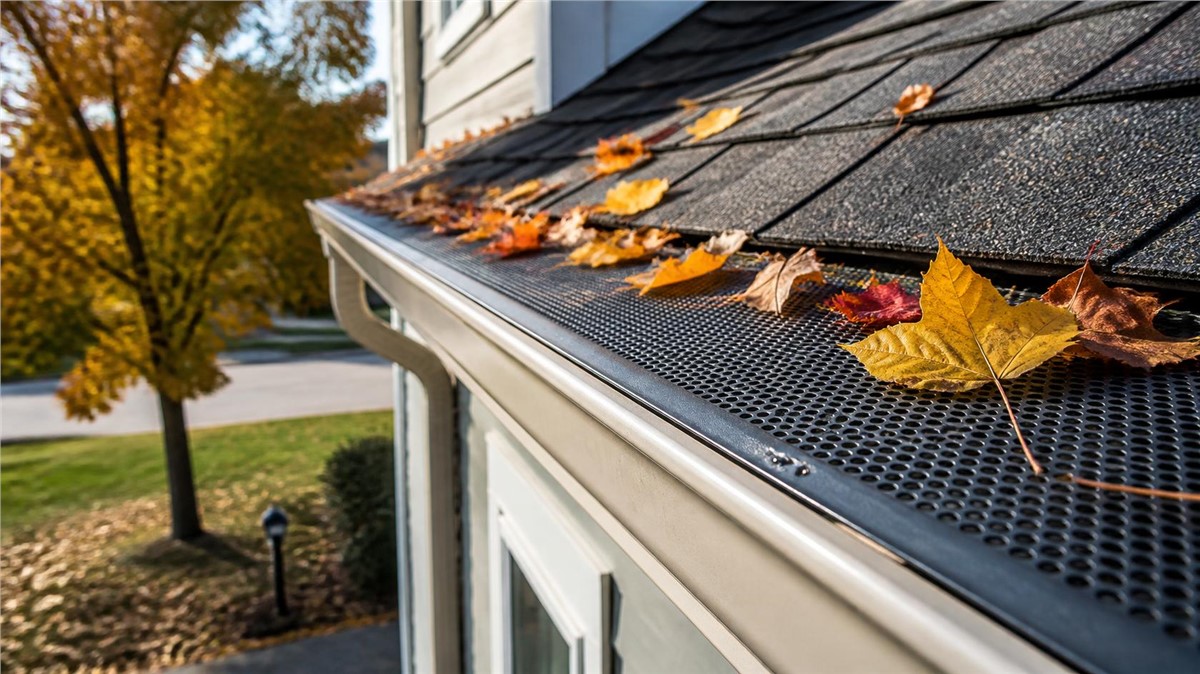
Gutters and downspouts affect siding performance. If gutters overflow, leak, or drain poorly, water can run down the siding and cause stains, moisture damage, or lower-wall problems.
A siding estimate may note:
- Clogged gutters
- Sagging gutter sections
- Leaking seams
- Short downspouts
- Water pooling near the foundation
- Siding stains below gutters
- Fascia or soffit damage
- Ice buildup near rooflines
If drainage problems are contributing to siding damage, they should be addressed as part of the exterior plan.
Storm Damage Documentation
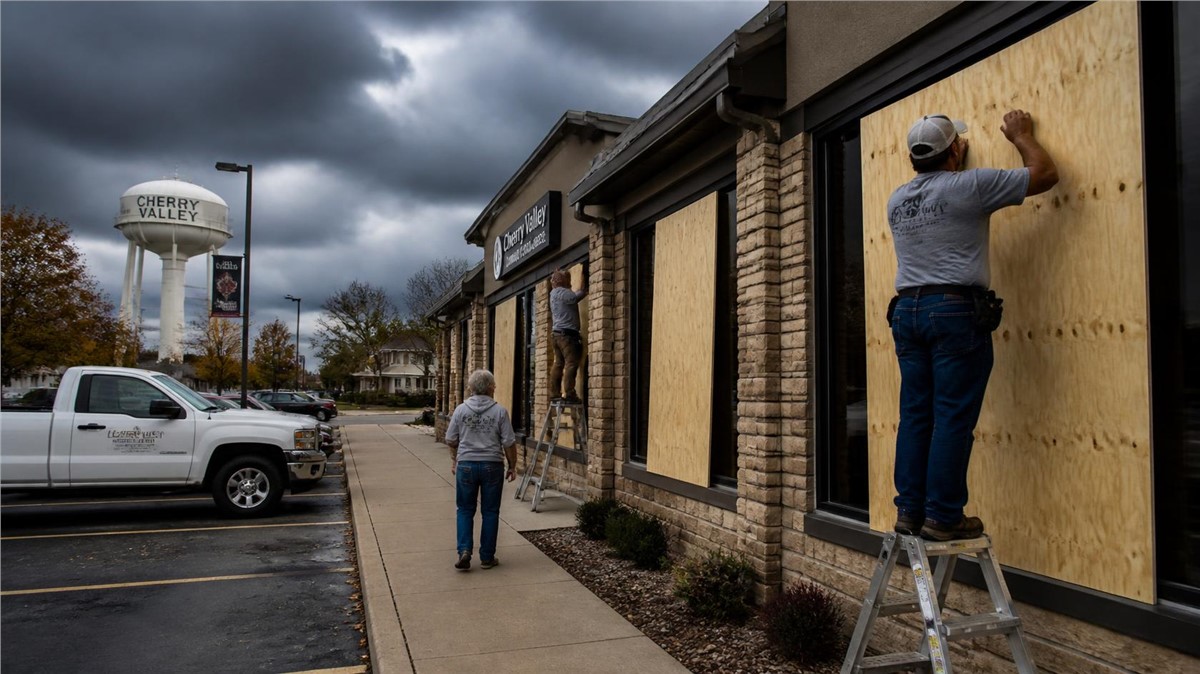
Muskego homes can be affected by hail, wind, heavy rain, snow, and ice. If the estimate is related to storm damage, documentation is important.
Storm damage may include:
- Cracked siding
- Holes or punctures
- Loose panels
- Dented trim
- Damaged gutters
- Torn window screens
- Missing shingles
- Water stains indoors
A full exterior inspection helps determine whether the storm affected roofing, gutters, windows, fascia, soffit, and trim as well as siding.
Labor, Cleanup, and Disposal
A complete siding estimate should explain labor, cleanup, and disposal. Homeowners should know how the work area will be handled.
This may include:
- Old siding removal
- Disposal of debris
- Protection for landscaping
- Work area cleanup
- Nail and fastener cleanup
- Material staging
- Safety precautions
- Final walkthrough
Cleanup matters because siding projects can involve old panels, nails, trim pieces, packaging, and jobsite debris.
Timeline Expectations
A siding estimate should include general timeline expectations. The schedule may depend on home size, material availability, weather, hidden repairs, and project complexity.
Timeline factors may include:
- Number of walls being replaced
- Tear-off needs
- Moisture repairs
- Trim details
- Weather delays
- Material delivery
- Cleanup requirements
Heavy rain, high wind, snow, or icy conditions may affect scheduling for safety and installation quality.
Warranty Information
Warranty information should be explained before work begins. Homeowners should understand what protection applies to the siding product and the installation.
Ask about:
- Manufacturer warranty
- Workmanship warranty
- Material coverage
- Color or finish coverage
- Maintenance requirements
- What may void coverage
- How warranty issues are handled
Clear warranty details help homeowners understand the long-term value of the project.
Cost Factors
A siding estimate should explain what affects the total cost.
Common cost factors include:
- Home size
- Siding material
- Tear-off needs
- Trim details
- Number of stories
- Window and door openings
- Moisture repairs
- House wrap
- Flashing
- Storm damage
- Labor and access
- Cleanup and disposal
A detailed estimate makes it easier to compare siding options fairly.
Questions to Ask Before Approving a Siding Estimate
Before approving siding work, homeowners should ask clear questions.
Helpful questions include:
- What damage did you find?
- Do I need repair or replacement?
- What siding material is included?
- Is old siding removal included?
- Will house wrap be installed?
- How will flashing be handled?
- Are trim details included?
- Are gutters causing siding damage?
- What cleanup is included?
- What warranty applies?
A good contractor should be able to explain the project clearly.
Why a Full Exterior Inspection Helps
Siding problems are often connected to the full exterior system. Roofing, gutters, windows, trim, fascia, soffit, flashing, and drainage all affect how well siding protects the home.
A full inspection may include:
- Siding
- Roofing and roof edges
- Gutters and downspouts
- Windows and doors
- Fascia and soffit
- Flashing
- Interior moisture signs
- Storm damage areas
Huskie Exteriors provides roofing, siding, window, gutter, and storm damage restoration services, helping homeowners evaluate the full exterior system.
Why Local Exterior Experience Matters
A local contractor understands how Wisconsin weather affects siding. In Muskego, WI, siding needs to handle hail, wind, heavy rain, snow, ice, humidity, heat, and freeze-thaw cycles.
Local experience helps homeowners understand whether siding issues are caused by storm damage, moisture, aging materials, poor drainage, installation problems, or hidden exterior damage.
Conclusion
A siding estimate in Muskego, WI should include inspection findings, repair or replacement recommendations, siding material, tear-off details, moisture concerns, house wrap, flashing, trim, gutters, cleanup, timeline, warranty information, and cost factors. The more detailed the estimate, the easier it is to understand the full project scope.
If your siding is cracked, loose, faded, storm-damaged, moisture-damaged, or ready for replacement, Huskie Exteriors can inspect your home and recommend the right next step.
Contact Huskie Exteriors for professional roofing, siding, window, gutter, and storm damage services in Illinois and Wisconsin.
Subscribe to Huskie Exteriors's Blog





Comments