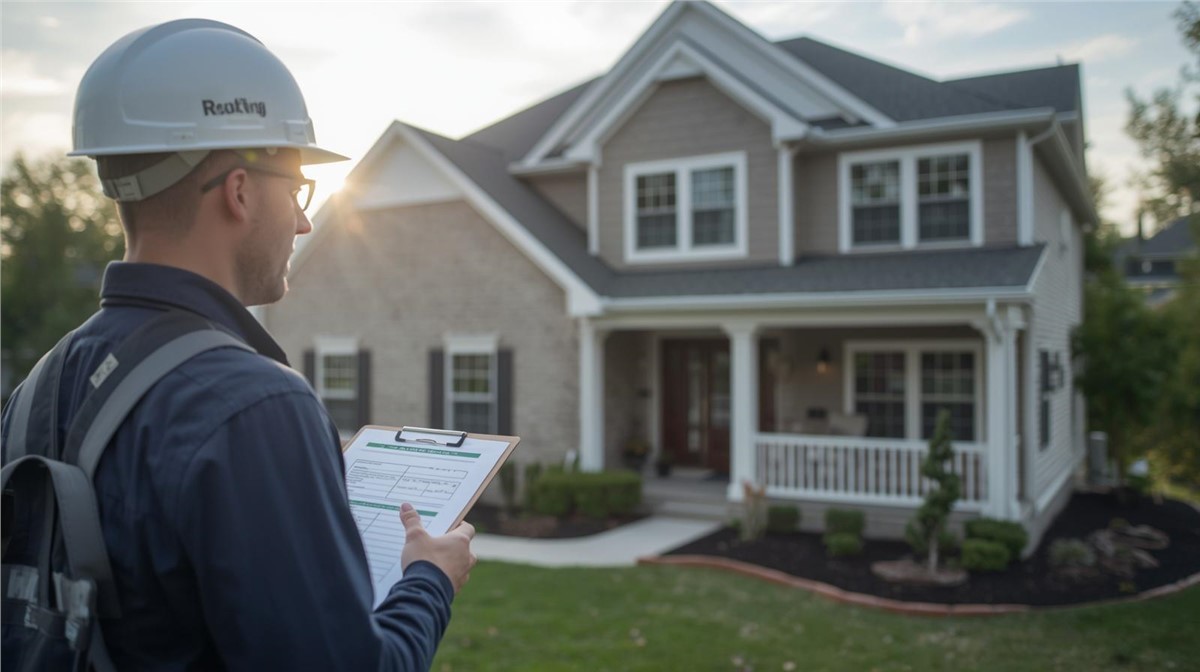
Getting a roofing estimate is an important step when your roof is leaking, aging, storm-damaged, or showing signs of wear. But not every estimate includes the same level of detail. Some may only show a price, while a better estimate explains what was inspected, what work is recommended, and why.
For homeowners in Kenosha, WI, a roofing estimate should account for local weather conditions. Hail, wind, heavy rain, snow, ice, lake-effect moisture, and freeze-thaw cycles can all affect shingles, flashing, gutters, roof edges, fascia, soffit, and attic ventilation.
Knowing what should be included in a roofing estimate can help you compare options and make a more confident decision.
Why a Detailed Roofing Estimate Matters
A roof is more than shingles. It is a complete system that protects your home from water, wind, moisture, heat, and seasonal weather changes.
A detailed estimate helps homeowners understand:
- What damage was found
- Whether repair or replacement is recommended
- What materials will be used
- What parts of the roof system are included
- What may affect the final cost
- How long the project may take
- What cleanup and warranty details apply
The lowest estimate is not always the best value if important details are missing.
Roof Inspection Findings
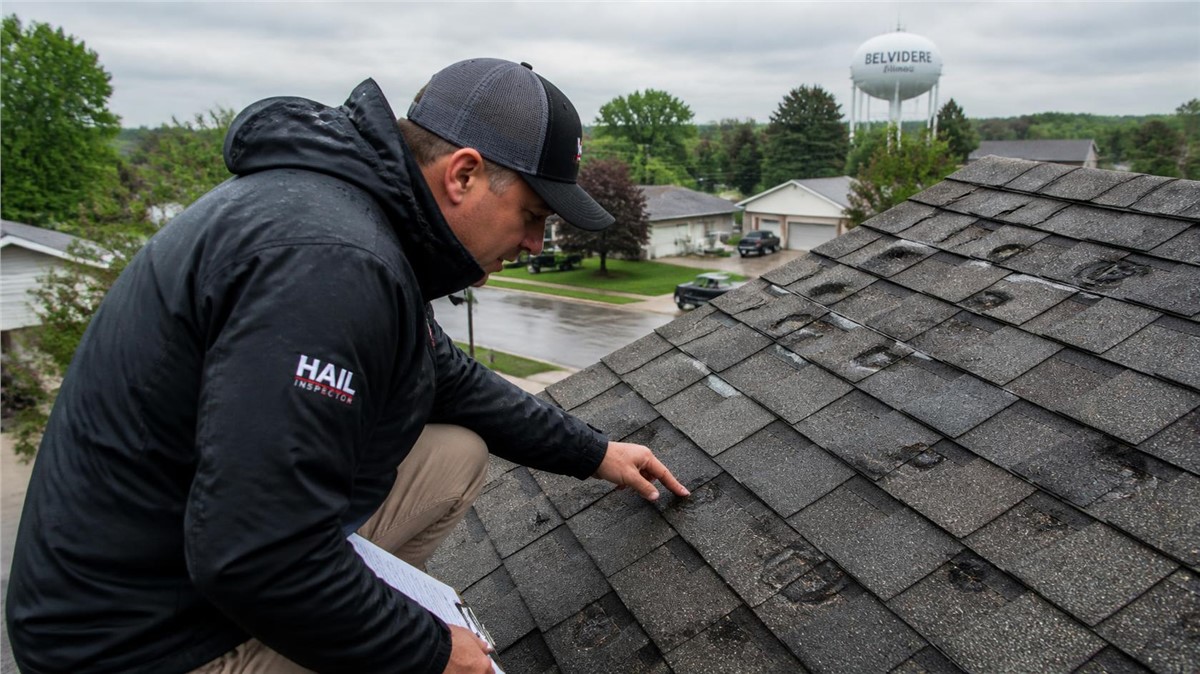
A roofing estimate should begin with inspection findings. Before recommending repair or replacement, the contractor should inspect the roof and related exterior areas.
Inspection findings may include:
- Missing shingles
- Lifted shingles
- Curling or cracking
- Granule loss
- Hail impact marks
- Damaged ridge caps
- Loose flashing
- Damaged vents
- Roof edge wear
- Signs of leaks
- Gutter concerns
This section helps explain the reason for the recommended work.
Repair or Replacement Recommendation
A good roofing estimate should clearly state whether repair or replacement is recommended.
Roof repair may make sense if:
- Damage is isolated
- Only a few shingles are missing
- One flashing area is leaking
- One vent boot is damaged
- No widespread moisture damage is found
- The roof is still in good condition overall
Roof replacement may be better if:
- Leaks keep returning
- Shingles are worn throughout
- Storm damage affects multiple slopes
- Granule loss is heavy
- Decking or insulation is damaged
- Repairs are becoming frequent
- The roof is near the end of its lifespan
The estimate should explain the reason behind the recommendation.
Roofing Materials
The estimate should list the roofing materials included in the project. This is especially important when comparing estimates from different contractors.
Material details may include:
- Shingle type
- Shingle color
- Starter shingles
- Ridge caps
- Underlayment
- Ice and water protection
- Drip edge
- Flashing materials
- Ventilation components
- Fasteners
Homeowners should understand the difference between basic materials and upgraded options.
Underlayment and Ice Protection
Underlayment helps protect the roof deck beneath the shingles. Ice and water protection may be used in vulnerable areas where moisture risk is higher.
These areas may include:
- Roof edges
- Valleys
- Around chimneys
- Around skylights
- Around vents
- Low-slope transition areas
- Areas exposed to ice buildup
In Kenosha, winter snow, ice, and freeze-thaw cycles make these details especially important.
Flashing Details
Flashing helps keep water out of vulnerable roof areas. Many roof leaks begin around flashing, not necessarily in the middle of the roof.
A roofing estimate should mention flashing around:
- Chimneys
- Skylights
- Vent pipes
- Roof valleys
- Dormers
- Wall transitions
- Roof-to-siding connections
- Roof edges
If flashing is damaged, reused, or missing from the estimate, homeowners should ask questions before approving the work.
Ventilation Review
Roof ventilation affects roof lifespan, attic moisture, indoor comfort, and winter ice concerns. Poor ventilation can trap heat and moisture in the attic, which may damage shingles, decking, and insulation.
A roofing estimate may include:
- Intake ventilation review
- Exhaust ventilation review
- Existing vent condition
- Needed ventilation upgrades
- Attic moisture concerns
- Heat buildup concerns
- Ice buildup risks
Ventilation should be considered as part of the full roofing system.
Roof Decking Condition
The roof deck is the surface beneath the roofing materials. If decking is soft, rotted, or damaged, repairs may be needed before the new roof can be installed correctly.
Decking damage may be caused by:
- Long-term leaks
- Poor ventilation
- Storm damage
- Ice damage
- Moisture trapped in the attic
- Aging materials
A roofing estimate should explain how damaged decking will be handled if it is discovered during the project.
Gutters, Fascia, and Soffit
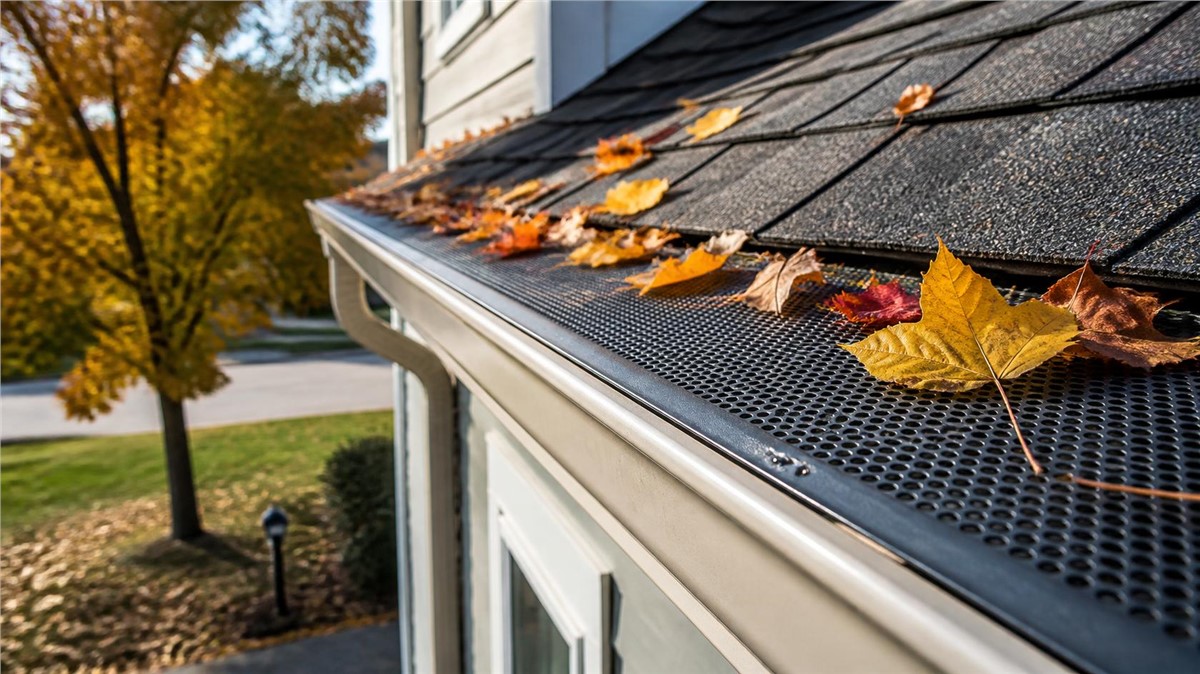
Gutters and roof edges are closely connected to roof performance. If gutters are clogged, sagging, leaking, or pulling away, water can affect the fascia, soffit, siding, foundation, and roof edge.
A roofing estimate may note:
- Gutter condition
- Downspout drainage
- Fascia concerns
- Soffit damage
- Roof edge wear
- Drip edge details
- Ice buildup concerns
If gutter problems are contributing to roof damage, they should be addressed as part of the exterior plan.
Storm Damage Documentation
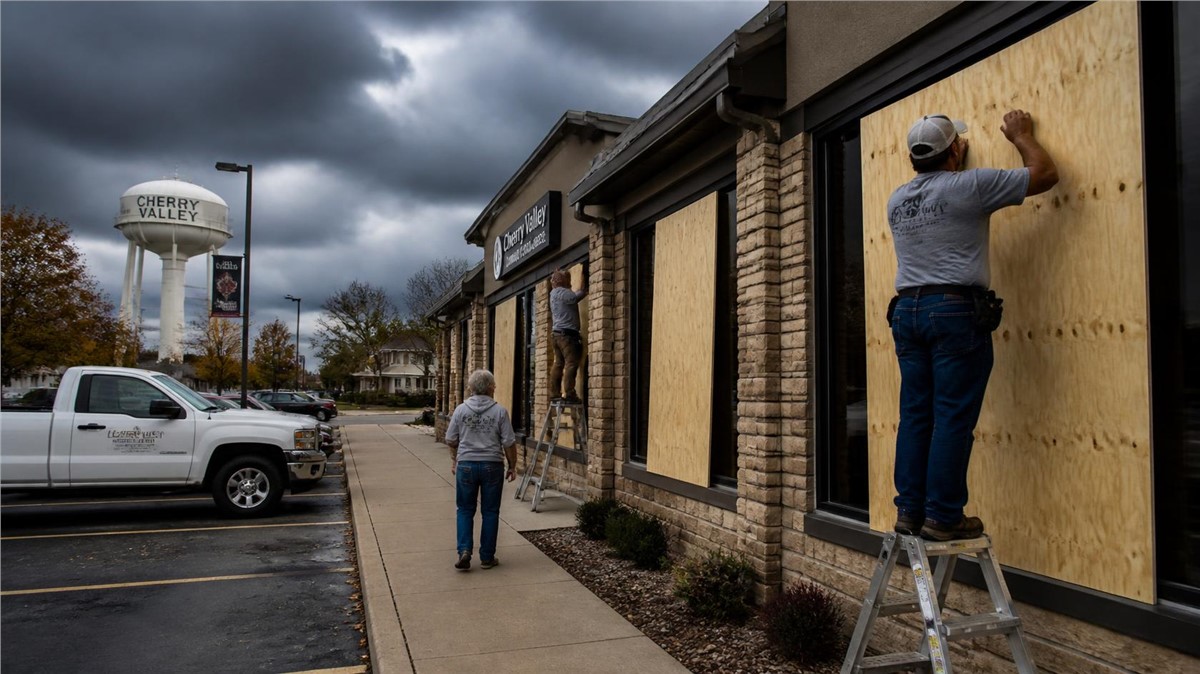
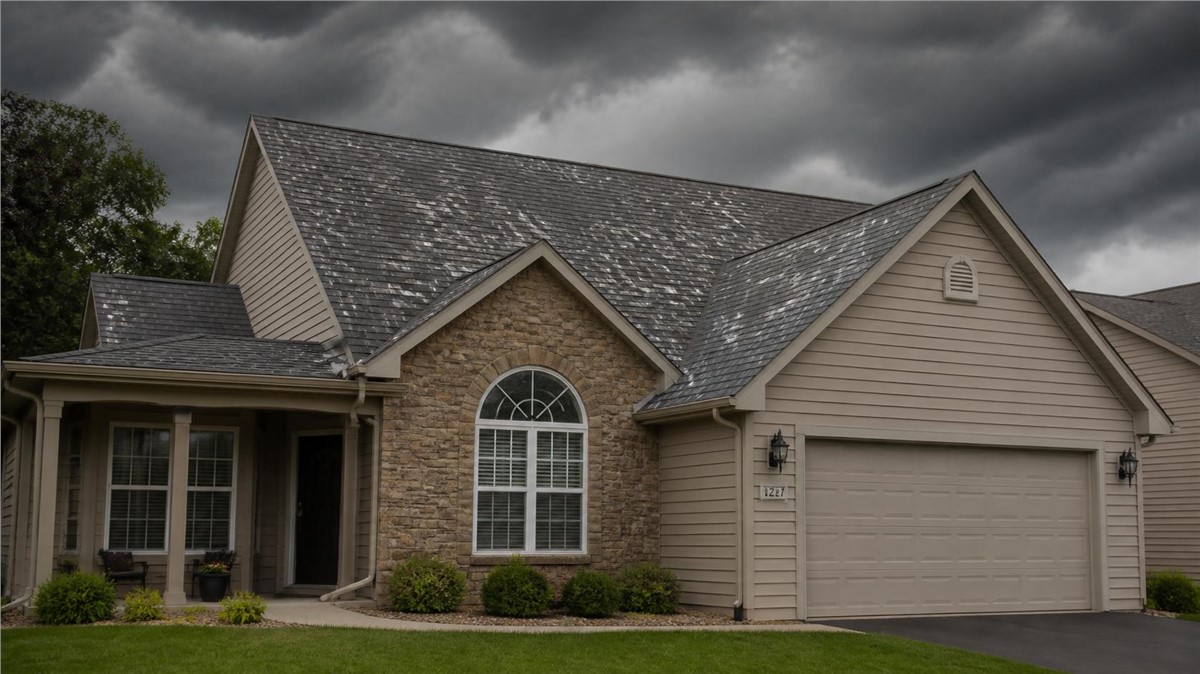
Kenosha homes can be affected by hail, wind, heavy rain, snow, and ice. If the roofing estimate is related to storm damage, documentation is important.
Storm damage documentation may include:
- Photos of visible damage
- Notes about storm date
- Missing shingles
- Hail impact marks
- Dented gutters
- Damaged vents
- Cracked siding
- Torn window screens
- Interior water stains
A full exterior inspection helps determine whether storm damage affected more than the roof.
Labor, Cleanup, and Disposal
A complete roofing estimate should explain labor, tear-off, cleanup, and disposal details.
This may include:
- Old roof removal
- Disposal of roofing materials
- Protection for landscaping
- Magnet cleanup for nails
- Work area cleanup
- Material staging
- Safety precautions
- Final walkthrough
Cleanup matters because roofing work can leave behind nails, shingles, packaging, and debris if not handled properly.
Timeline Expectations
The estimate should provide a general project timeline. Weather, roof size, material availability, and repair needs can all affect scheduling.
Timeline factors may include:
- Roof size
- Tear-off needs
- Weather conditions
- Decking repairs
- Material availability
- Crew access
- Cleanup requirements
Homeowners should also understand that heavy rain, high wind, snow, or icy conditions may delay work for safety and quality reasons.
Warranty Information
Warranty details should be included or clearly explained before work begins.
Homeowners may ask about:
- Manufacturer warranty
- Workmanship warranty
- Material coverage
- Ventilation requirements
- Maintenance requirements
- What may void coverage
- How warranty issues are handled
Warranty information helps homeowners understand what protection applies after the project is complete.
Cost Factors
A roofing estimate should clearly explain what affects the total cost.
Common cost factors include:
- Roof size
- Roof pitch
- Roofing material
- Tear-off requirements
- Existing roof layers
- Decking repairs
- Flashing work
- Ventilation upgrades
- Gutter or fascia repairs
- Storm damage
- Access around the home
- Cleanup and disposal
A detailed estimate makes it easier to understand the value of the work being recommended.
Questions to Ask Before Approving a Roofing Estimate
Before moving forward, homeowners should feel comfortable asking questions.
Helpful questions include:
- What damage did you find?
- Is repair or replacement the better option?
- What materials are included?
- Will flashing be replaced?
- Will ventilation be checked?
- What happens if damaged decking is found?
- Are gutters or roof edges affected?
- What cleanup is included?
- What warranties apply?
- How long will the project take?
Clear answers help avoid confusion during the project.
Why a Full Exterior Inspection Helps
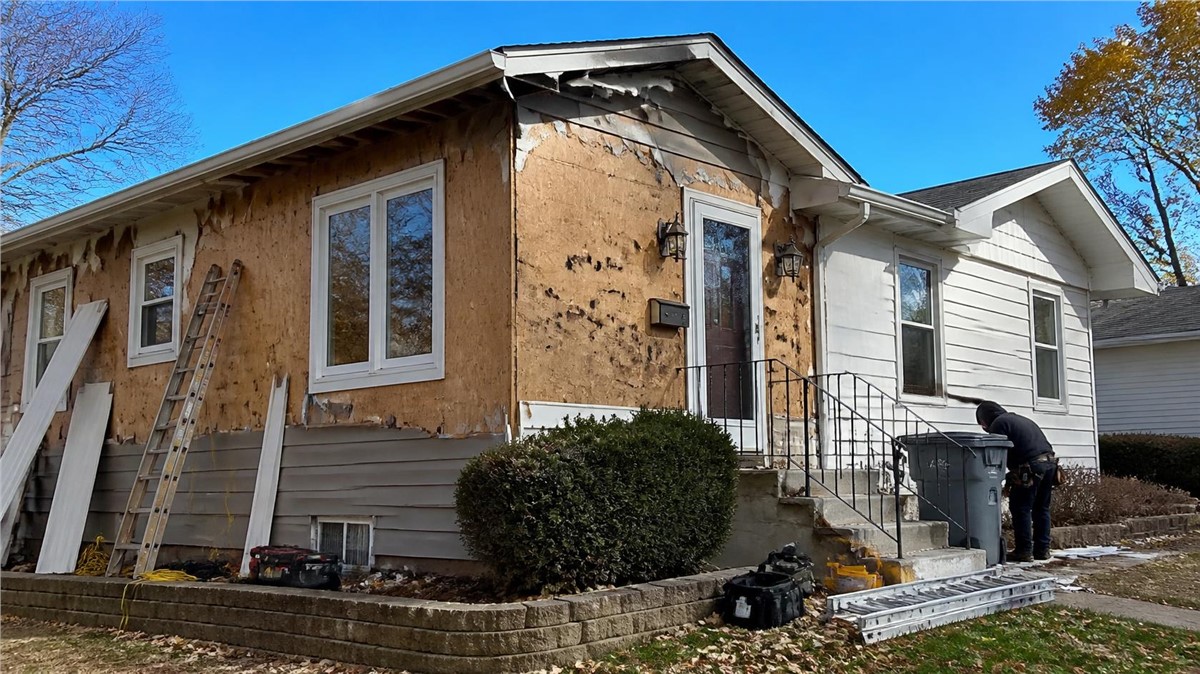
Roofing problems are often connected to the full exterior system. Storms can damage roofing, siding, gutters, windows, fascia, soffit, flashing, and trim during the same event.
A full exterior inspection may include:
- Roofing
- Gutters and downspouts
- Siding
- Windows and trim
- Flashing
- Fascia and soffit
- Attic moisture signs
- Storm damage areas
- Foundation drainage
Huskie Exteriors provides roofing, siding, window, gutter, and storm damage restoration services, helping homeowners evaluate the full exterior system.
Why Local Exterior Experience Matters
A local contractor understands how Wisconsin weather affects roofing systems. In Kenosha, WI, roofs need to handle hail, wind, heavy rain, snow, ice, moisture, temperature swings, and freeze-thaw cycles.
Local experience helps homeowners understand whether roof problems are caused by storm damage, aging materials, ventilation issues, gutter problems, flashing concerns, or hidden moisture.
Conclusion
A roofing estimate in Kenosha, WI should include inspection findings, repair or replacement recommendations, roofing materials, underlayment, flashing, ventilation, decking details, gutters, cleanup, timeline, warranty information, and cost factors. The more detailed the estimate, the easier it is to understand the full project scope.
If your roof is leaking, aging, storm-damaged, missing shingles, or showing signs of wear, Huskie Exteriors can inspect your home and recommend the right next step.
Contact Huskie Exteriors for professional roofing, siding, window, gutter, and storm damage services in Illinois and Wisconsin.
Subscribe to Huskie Exteriors's Blog




Comments